
Culture & Traditions
The Evolution Of Classic American Food: How Diverse Flavors Built The Nation’S Menu
Friends, neighbors, fellow Americans. Pull up a chair, won’t you? Let’s talk about something truly close to our hearts, something that brings us together, something as comforting as a well-worn quilt on a cool evening: our food. For as long as I can remember, the smell of a backyard grill, the clatter of plates in a bustling diner, or the aroma of a family kitchen has felt like home. And it is, isn’t it? It’s the very essence of what makes this nation special.
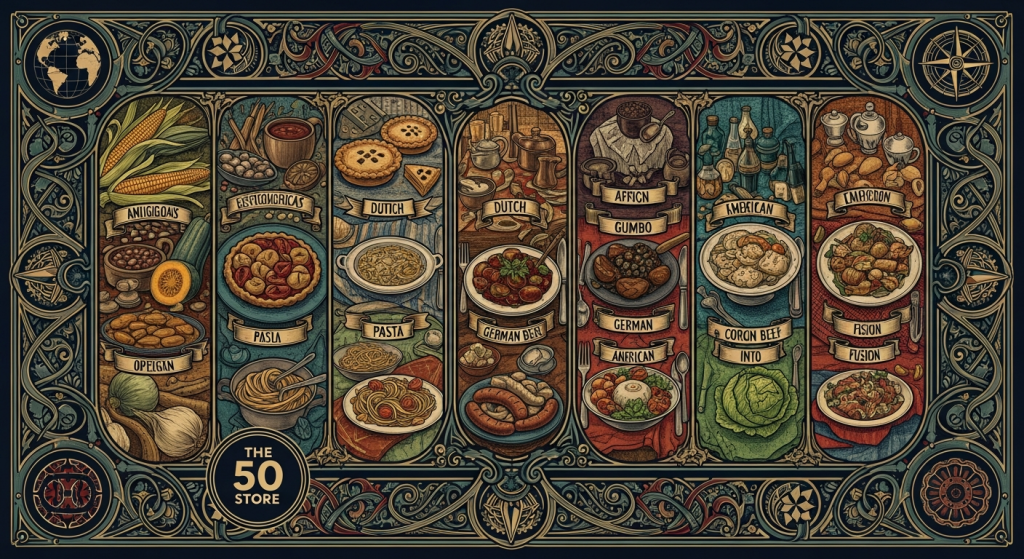
Many folks, especially from outside our borders, might think they know what ‘American food’ is. They picture hamburgers, hot dogs, maybe apple pie. And yes, those are absolutely cornerstones! But to truly understand what makes food ‘classic’ American, you have to dig a little deeper. You see, it isn’t just one thing, or one flavor. It’s a delicious, ever-evolving fusion of culinary traditions brought to our shores by generations of dreamers and doers, adapted and celebrated using the incredible local bounty of our diverse land. From the gleaming chrome of diners along historic Route 66 to the smoky magic of backyard barbecues, American food is a vibrant celebration of comfort, innovation, and an unparalleled cultural blending.
It’s the story of us, told plate by plate, bite by bite. It’s a testament to our ingenuity, our openness, and our endless capacity to create something new and wonderful from the threads of many different origins. Today, I want to take you on a little journey through our nation’s kitchen, exploring the rich tapestry of our `classic american food history`.
Now, before we dive into the specific flavors, let me share a couple of tidbits that might just surprise you. Did you know that the food service industry alone employs over 15 million people in the U.S. and is projected to be a $990 billion industry this year? That’s according to the National Restaurant Association! And here’s another remarkable fact that speaks to our `melting pot cuisine`: a study by the New American Economy revealed that immigrants have founded more than 28% of all new businesses in the U.S., with a significant portion of those being in the restaurant and food service sector. That’s an incredible foundation for our `culinary history of america`, built by hands from every corner of the globe. These aren’t just numbers, friends; they represent countless family stories, dreams realized, and the sheer grit that shaped our appetites and our nation.
The Diner Era: Where Speed Met Soul
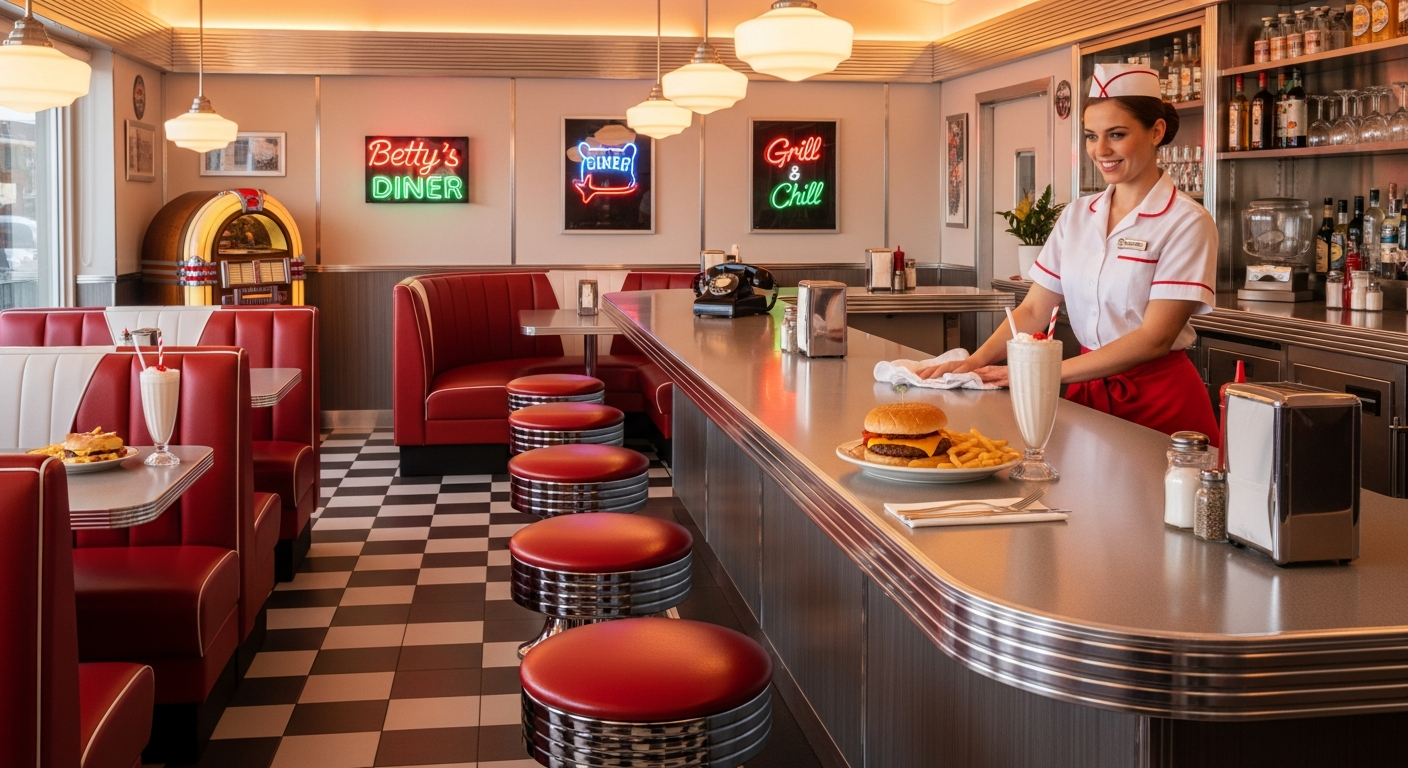
Imagine the early 20th century. Automobiles are becoming common, families are hitting the open road, and America is truly on the move. People needed places to eat, and they needed them fast, friendly, and affordable. Enter the diner. This was the birth of true `history of diner food`. Originally, these were often horse-drawn lunch wagons, but they quickly evolved into stationary, prefabricated buildings, often gleaming with stainless steel and neon lights. They became symbols of American efficiency and hospitality.
I remember summer road trips with my folks. The excitement of pulling off the highway and seeing that bright sign for a `vintage american diner`. The smell of coffee, grilled onions, and sizzling bacon would hit you before you even walked through the door. Inside, you’d find comfortable booths, a long counter with swivel stools, and a friendly face ready to take your order. These weren’t just places to grab a bite; they were community hubs, places where truck drivers, traveling salesmen, and local families all rubbed shoulders.
The menu was simple but satisfying: hearty breakfasts, juicy burgers, crispy fries, thick milkshakes, and slices of pie that tasted like grandma made them. These `iconic american meals` weren’t fancy, but they were deeply satisfying and consistently good. They laid a groundwork for what many consider true `american comfort food`. It was in these diners that many of our `traditional american dishes` found their national footing, becoming ubiquitous from coast to coast. They perfected the art of quick, quality service and became an indelible part of the American landscape.

Grill Chill And Freedom BBQ T Shirt
Wear your story with pride! Celebrate classic American values, history, and heritage with our premium crafted apparel, designed for comfort and durability.
Shop the Look →Melting Pot Cuisine: Flavors from Every Shore
But American food is far more than just what you’d find on a diner menu. Our nation has always been a beacon for people seeking new beginnings, and with every wave of immigration, new flavors and cooking techniques enriched our tables. This is where the true beauty of `melting pot cuisine` shines brightest.
Italian-American Innovations
Think about Italian food. When Italians first arrived in large numbers in the late 19th and early 20th centuries, especially in cities like New York City and Boston, they brought with them a rich culinary heritage. Pasta, tomatoes, garlic, olive oil – these staples weren’t common in most American homes then. But through ingenuity and adaptation, they created new traditions. Pizza, for instance, evolved from simple, rustic bread with toppings into the cheesy, saucy masterpiece we all love today, becoming one of our most beloved `traditional american dishes`. Spaghetti and meatballs, chicken parmesan, lasagna – these aren’t exactly old-world Italian dishes; they are distinct Italian-American creations, born of necessity, available ingredients, and a dash of American generosity.
German Contributions
Before the Italians, Germans were a huge immigrant group, particularly in the Midwest. They brought with them sausages, sauerkraut, and brewing traditions. The humble hot dog and hamburger, while their precise origins are debated, owe a great deal to German sausage-making and ground meat traditions. Imagine German butchers in American cities adapting their craft for a new audience. These became quintessential `iconic american meals`, embraced at baseball games and family cookouts alike. Even our beloved pretzels have German roots, twisted into an American snack sensation.
African-American Soul Food
No discussion of American food would be complete without acknowledging the profound, delicious impact of African-American cuisine, often known as Soul Food. Born from the resilience and creativity of enslaved Africans and their descendants in the American South, this food tradition is the very definition of `american comfort food`. Dishes like fried chicken, collard greens, macaroni and cheese, cornbread, and sweet potato pie are not just meals; they are cultural touchstones, rich with history and flavor. They demonstrate an extraordinary ability to transform simple, often challenging ingredients into dishes that nourish the body and soul, becoming an undeniable part of our `regional american food` landscape and ultimately, the national menu.
Asian Influences
Later waves of immigration brought us the vibrant flavors of Asia. Chinese immigrants, primarily arriving in the mid-19th century, adapted their cooking to available ingredients and American palates, creating dishes like chop suey and chow mein, which became wildly popular and birthed the Chinese-American restaurant industry we know today. Think of the quintessential ‘Chinese takeout’ – a uniquely American phenomenon. More recently, Japanese, Korean, Vietnamese, and Thai cuisines have become deeply woven into our daily lives, from sushi bars to pho restaurants, constantly expanding our definition of `traditional foods in america`.
The Backyard Barbecue: A Pillar of American Life
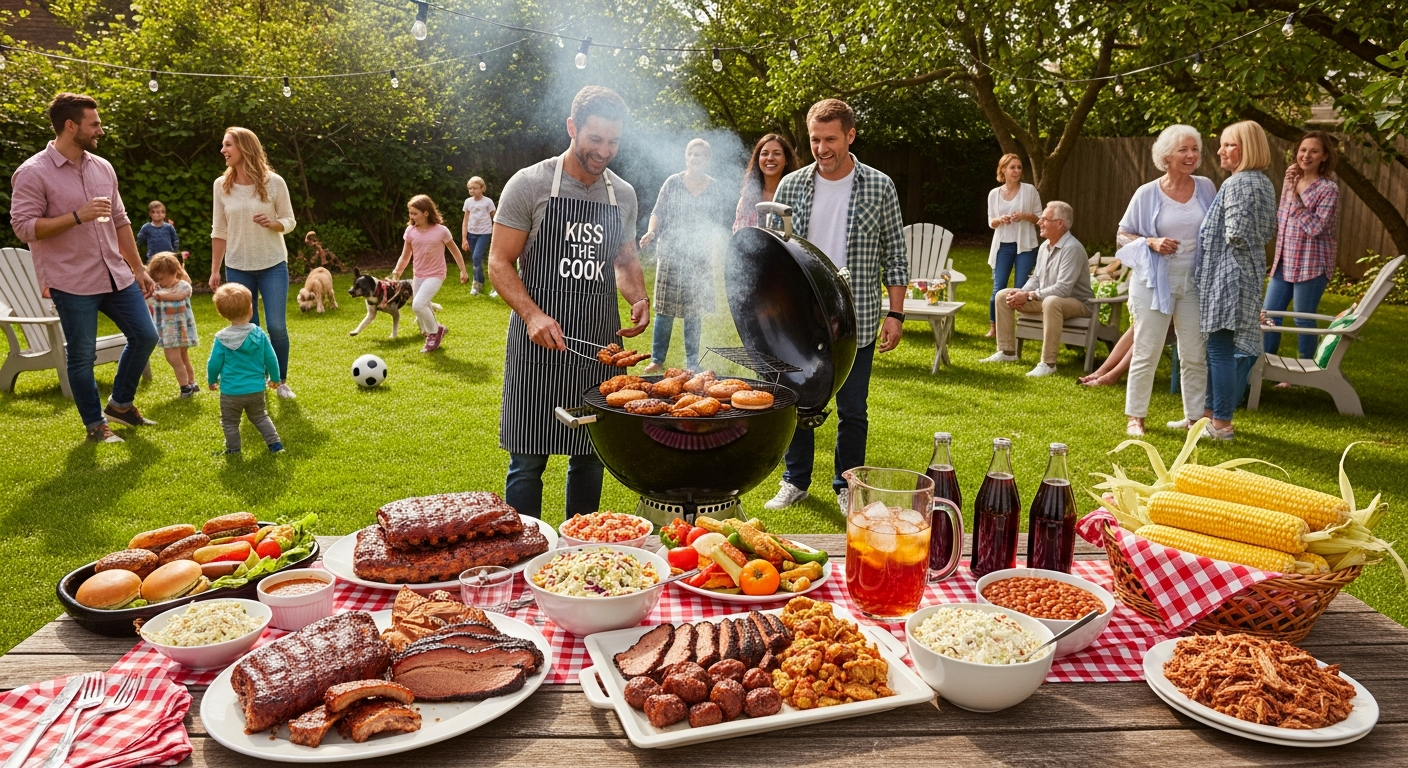
If there’s one thing that truly embodies the spirit of American communal eating, it’s the backyard barbecue. This isn’t just cooking; it’s an event, a ritual, a celebration. The `american barbecue history` is as deep and smoky as the briskets it produces. Originating from indigenous cooking methods and later influenced by African, European, and Caribbean traditions, barbecue in America became a cornerstone of community gatherings in the South, and eventually, across the nation.
I can almost smell it now: the hickory smoke curling up from a slow cooker, the sizzle of ribs on the grill, the laughter of family and friends. Barbecue is intensely regional, a delicious competition of styles and secrets passed down through generations. In Kansas City, it’s all about the sweet and tangy sauce slathered generously. In Texas, it’s about the unadorned perfection of slow-smoked brisket, often just salt and pepper. The Carolinas boast vinegar-based sauces and whole hog roasts, while Memphis is famous for its dry rubs and pulled pork. Each region tells a story, a distinctive flavor profile that makes it a unique part of our `regional american food` identity.
It’s more than just meat and fire. It’s about gathering, sharing stories, and forging connections. It’s the ultimate expression of hospitality, a relaxed setting where everyone feels welcome. It truly represents the spirit of our nation – diverse, robust, and always, always inviting.
The Ongoing Evolution: Reinventing Comfort
So, where does that leave us today? Our `classic american food history` isn’t a static museum piece; it’s a living, breathing, constantly evolving entity. Contemporary chefs, with reverence for the past and an eye on the future, are continuously reinventing and elevating our `american comfort food`.
They’re taking `traditional american dishes` and giving them a modern twist, sourcing local ingredients, experimenting with global flavors, and using innovative techniques. You see it in farm-to-table restaurants that celebrate regional produce, in food trucks that fuse international street food with American classics, and in upscale eateries that reimagine a humble burger or a plate of fried chicken with gourmet flair. They might deconstruct a classic dish, or introduce a new spice blend from a faraway land to an old favorite. The spirit of innovation that built our diner culture and absorbed immigrant traditions is still very much alive in kitchens across the country.
From the first European settlers adapting their recipes to new world ingredients, to every immigrant family opening a restaurant, to the bustling culinary scene of today, American food has always been about blending, adapting, and innovating. It’s a reflection of our national character: resilient, inventive, and wonderfully diverse. It reminds us that our strength comes from our willingness to embrace new ideas, new people, and new flavors.
As I look around this incredible nation, I see endless possibilities, endless stories still to be told through our food. The next generation of chefs and home cooks are already writing the next chapter of our `culinary history of america`, and I tell you, it smells delicious. Let’s savor it, appreciate its roots, and look forward to the wonderful flavors yet to come. Here’s to America, and here’s to our incredible, heartwarming food!