
Immigration, Diversity & Identity
How Immigrants Built America’s Biggest Cities
The Giants We Walk Among
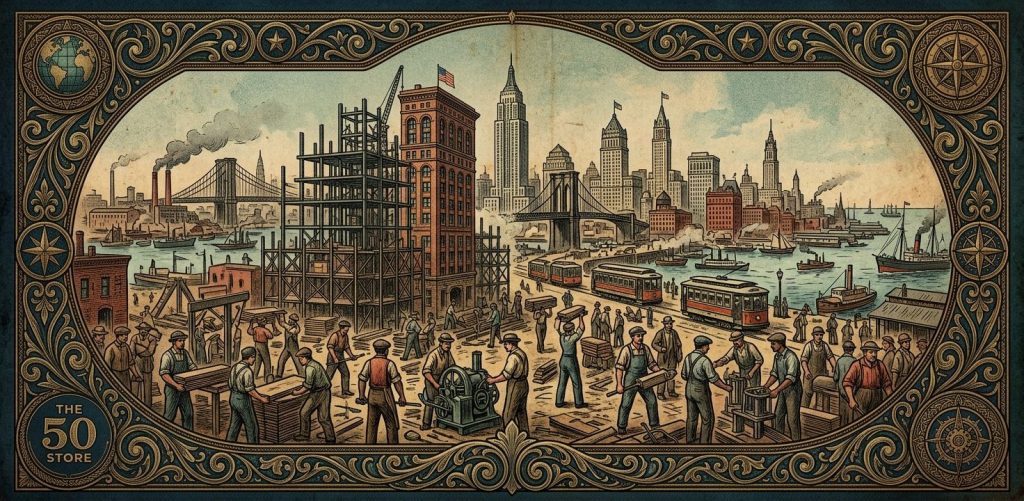
When you walk down the busy avenues of our grand cities, what do you see? You see monuments of glass and steel piercing the clouds. You see endless miles of paved roads. This is our situation today. We live in vast, bustling metropolises that feel entirely permanent. It is as if they grew out of the earth naturally, born from the soil itself. But there is a complication we often overlook in our rushed daily lives. Buildings do not raise themselves. Tunnels do not dig themselves into the bedrock. The question we must ask is simple. How did these magnificent cities actually rise from the bare dirt? The answer is etched into the very foundations of our nation. Our cities were built by the hands, the sweat, and the unyielding spirit of immigrants.
I look out my window today and watch the morning light catch the edges of the skyline. It reminds me of the stories passed down through the years. It reminds me of the noise, the clatter, and the pure ambition of the people who landed on shores with nothing but hope in their pockets. 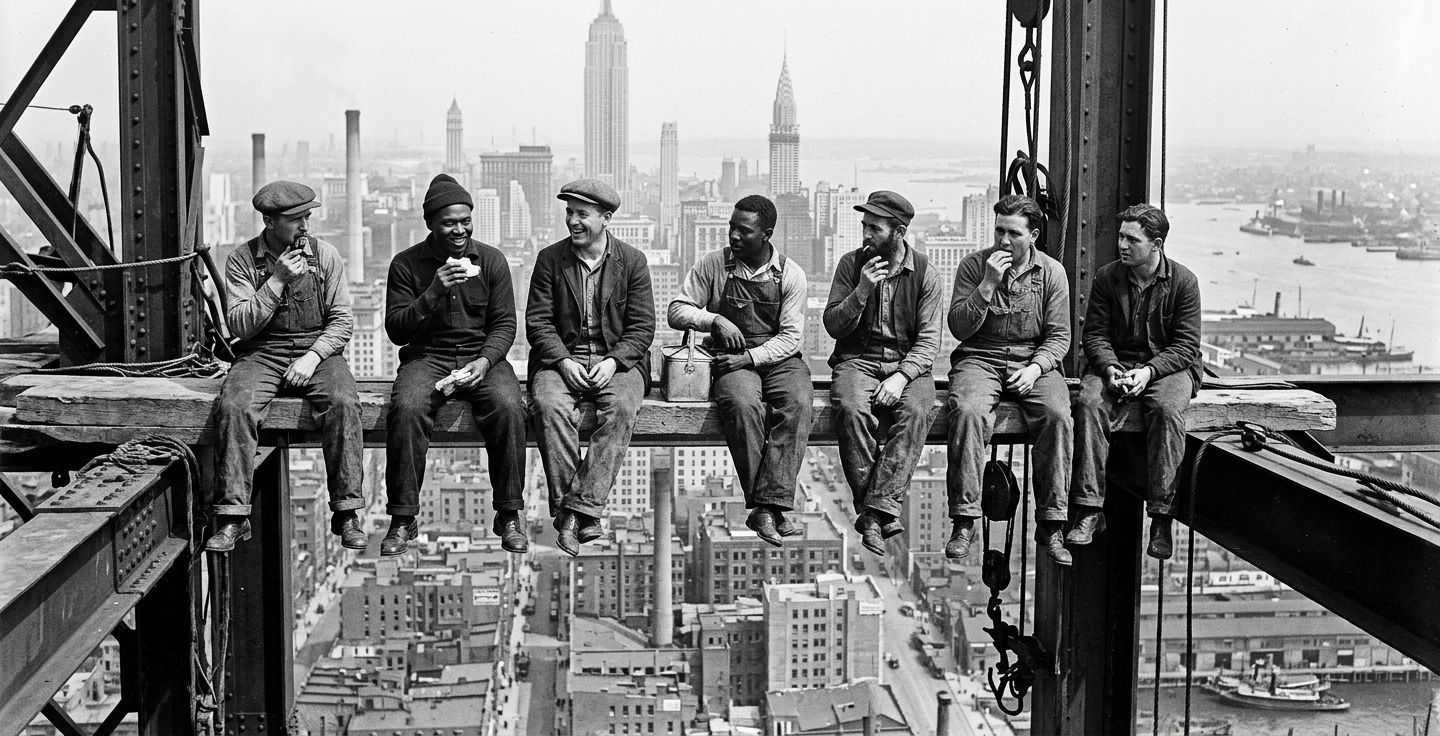
The Surprising Truth Beneath the Pavement
To truly understand the scale of what happened, you need to look at the numbers. Historical records from the early twentieth century paint an incredible picture. According to the Dillingham Commission of 1911, an astonishing 57 percent of all iron and steel workers in our major cities were born in other countries. In 1910, foreign-born individuals and their children made up more than 70 percent of the population in places like New York, Chicago, and Detroit. These are not just figures on a dusty page. They represent millions of beating hearts. They represent the sheer muscle that laid down our infrastructure.
It is fascinating to think about. The very backbone of our urban world was forged by people who were learning a new language while simultaneously building a new world. They took on the most dangerous jobs. They climbed the highest scaffolds. They descended into the deepest, darkest trenches. They built the world we enjoy today, step by painful step.
Down in the Dark: The Sandhogs of New York
Let us talk about a single street. Let us talk about the ground beneath it. If you ever walk above the subway lines of New York, think of the Sandhogs. These were the men who dug the tunnels. Many of them were Irish, Italian, and Polish arrivals who took jobs nobody else wanted. They worked in compressed air environments deep under the rivers. It was brutal, suffocating work.
I remember hearing tales of the pressure chambers. Men would come up to the surface coughing, their lungs aching from the damp cold of the riverbed. Yet, day after day, they went back down into the dark. They dug through solid bedrock with heavy pickaxes, unstable dynamite, and sometimes just their bare hands. They worked through the deafening noise of drills and the constant fear of sudden collapses. They carved out the subterranean arteries that keep the city alive today. Without their quiet courage, the bustling life above ground would simply cease to exist. A single block of Lexington Avenue holds the echoes of a thousand accents.
Spanning the Divide: The Men Who Built the Bridges
Let us look to the sky now. Let us look at the bridges that connect our lands. Have you ever stood near the Brooklyn Bridge? It is a marvel of stone and steel wire. The original design was the brainchild of John A. Roebling (1806-1869), a German-born engineer who saw the future in suspension cables. He gave his life to that bridge. After his passing, the work continued, fueled by the labor of thousands of men from across the globe.
Then there is the majestic George Washington Bridge. Its elegant, sweeping lines were designed by Othmar Ammann (1879-1965), a brilliant engineer who sailed here from Switzerland. He changed the way we cross rivers. He made the impossible look effortless.
I remember my father telling me about the men who worked on the high steel. They would walk across narrow beams hundreds of feet in the air, buffeted by freezing winds coming off the river. They did not have the safety harnesses we have today. They relied on their balance, their courage, and the man working next to them. These men wove the steel threads that tied our neighborhoods together. They did not just build pathways. They built connections between communities. They made it possible for a country as vast as ours to feel like a single, united home.
Touching the Clouds: Reaching for the Sky
The story of our cities is also the story of our skyscrapers. Think of the sheer audacity it takes to build a tower that disappears into the clouds. 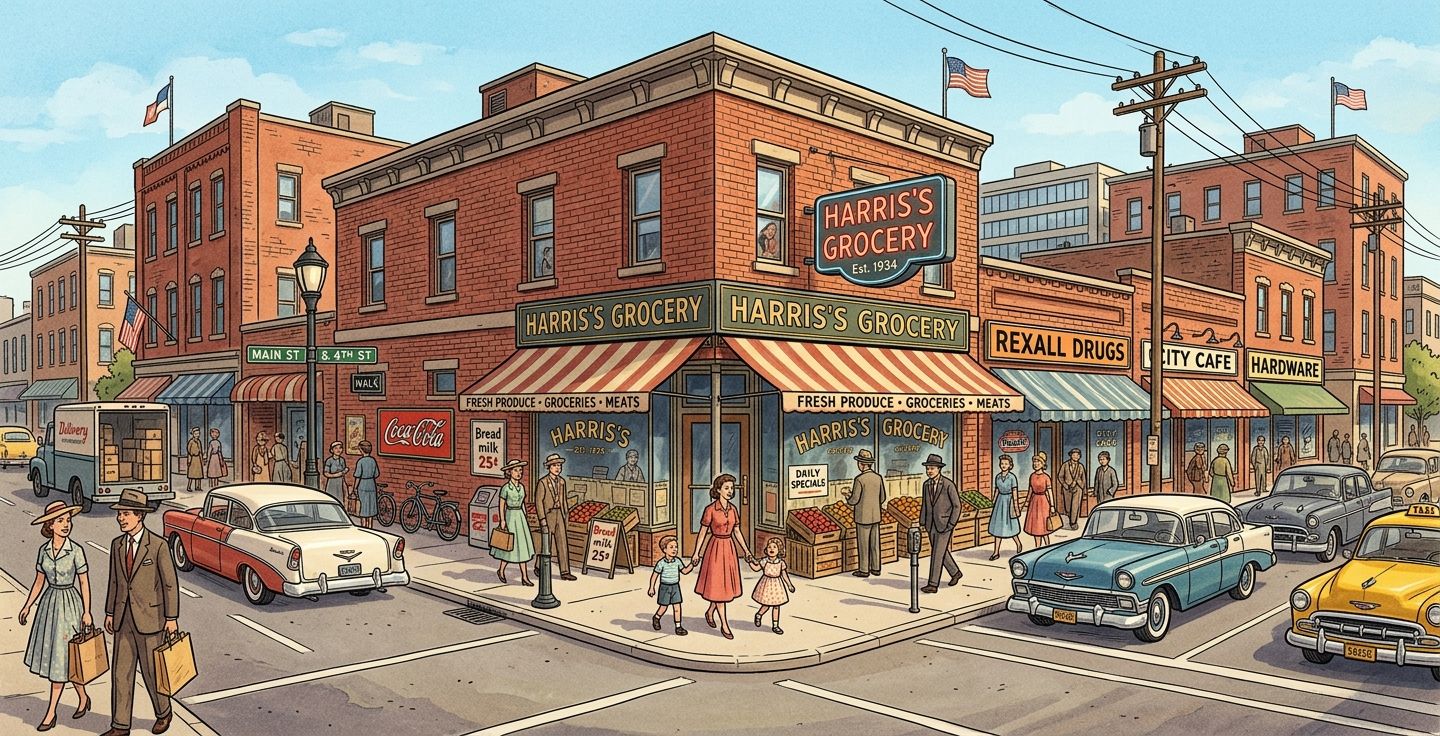 Imagine thousands of tons of steel, concrete, and glass being hoisted up into the sky. It is a ballet of heavy machinery and human muscle.
If you travel to the Midwest, you cannot miss the towering presence of the Sears Tower in Chicago. The genius behind its structural design was a man named Fazlur Rahman Khan (1929-1982). He came to the United States from Bangladesh. His visionary ideas entirely changed how tall buildings were constructed. Before him, buildings could only go so high before they became too heavy and expensive. He figured out a way to make them lighter, stronger, and taller.
His mind gave us the modern skyline. His story is a perfect example of what happens when a nation opens its doors to the best and brightest from around the world. A young man from Dhaka ended up shaping the windswept heights of Chicago. That is the magic of this country.
The Heartbeat of the Streets
But let us not just look at the grand monuments. Let us look at the corner stores. Let us look at the bakeries, the laundromats, and the small family shops. The people who arrived here did not just construct buildings. They created vibrant communities.
I think about a little Italian grocer who lived down the street from where I grew up. He arrived with nothing but a suitcase and a recipe for cured meats. He woke up at four in the morning every single day. He swept the sidewalk out front before the sun came up. He knew everybody by name. He was as much a pillar of the community as any steel beam.
That is how a city truly comes to life. It is not just about the concrete. It is about the smell of fresh bread in the morning. It is about the sound of different languages drifting out of open apartment windows on a hot summer evening. It is the shared struggle and the shared triumph of making a life in a new place.
Passing the Torch to the Future
My generation is passing into the twilight, and that is exactly as it should be. The seasons turn. The old leaves fall so the new buds can grow. But as I look at the young people today, I feel a profound sense of hope.
Our grand legacy is not just in the past. It is happening right now. Today, there are new arrivals pouring concrete. There are new dreamers designing energy efficient towers. There are new families opening shops, bringing fresh spices and new songs to our streets. We must always remember to welcome these new builders.
We must appreciate the hands that keep our cities growing, repairing, and thriving. When you walk down the street tomorrow, take a moment to look at the buildings around you. Run your hand along the brickwork. Feel the history. Honor the millions of journeys, the countless goodbyes to old homelands, and the beautiful, brave hellos to this one. Let us keep our doors and our hearts open, for the work of building America is never truly finished. Talk to your children about these builders. Share their stories so the foundation of our future remains strong.
Questions You Might Ponder
Who were the main groups that built the early railroads and subways?
Did immigrants only contribute to physical labor in city building?
Why did so many new arrivals take on such dangerous construction jobs?
How did these new residents change the culture of American cities?
What can we do to honor the people who built our cities?