
Immigration, Diversity & Identity
How Cultural Diversity Shapes American Food
The Kitchens of Our Past
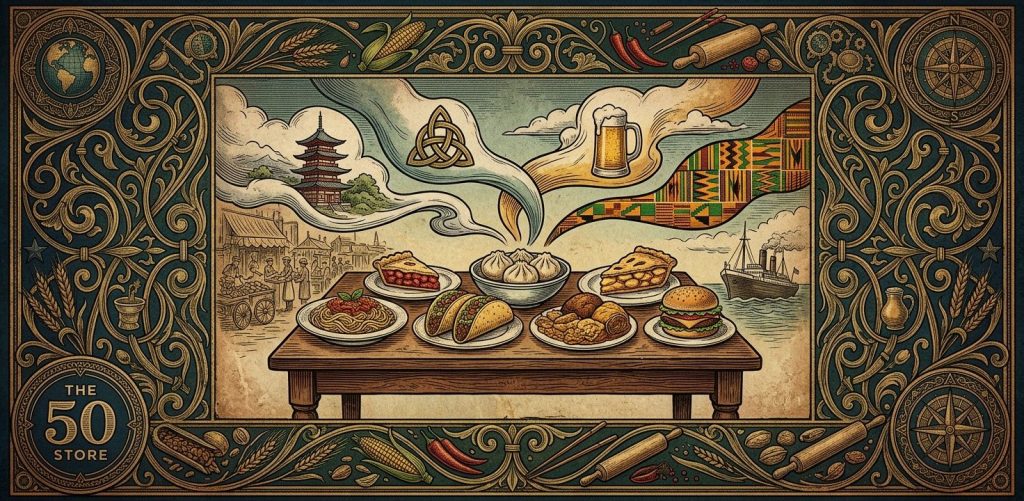
I remember the kitchen of my childhood with a clarity that sometimes physically aches. It was a modest room situated at the back of our house, overlooking a small garden where my father grew tomatoes and pole beans. The walls were painted a soft, buttery yellow that had faded near the cast iron stove. The radio in the corner constantly buzzed with baseball games and evening news broadcasts. My mother spent countless hours in that room. She would stand over simmering pots of beef stew, her hands dusted with flour from rolling out thick, hearty biscuit dough. That was my early understanding of our national plate. It was comforting, heavy, and deeply familiar. We relied on simple roasts, boiled potatoes, and garden vegetables.
Yet, as the years rolled by like the turning pages in a well worn book, the world outside our kitchen window began to grow exponentially larger. The neighborhood shifted beautifully. The smells drifting over the backyard fences changed with the arrival of new families. At first, it was just a hint of garlic frying in rich olive oil instead of standard butter. Then, it became the sharp, bright scent of toasted cumin, the warm hug of curry, and the fiery kick of dried chili peppers. Our plates were changing. They were becoming significantly more vibrant and alive. This steady shift in what we eat tells the beautiful, deeply complicated story of us. It is the story of how our nation grew up, learned to share, and learned to taste the world.
A Plate Full of Surprises
When we think about our favorite meals today, we often take for granted just how far the ingredients traveled to reach our local grocery store aisles. You might look at a modern diner menu and assume it has always looked that way, with its endless pages of options. The truth is quite different. The menus of my youth rarely featured the bright, zesty dishes my grandchildren now consider absolute necessities. We grew up accustomed to meat and potatoes, quietly believing that was all the culinary world had to offer us. We did not know what we were missing.
The complication arose quietly when new neighbors arrived on our shores with suitcases full of precious spices and hearts full of distant memories. They brought dishes we had never seen before, using techniques we could scarcely understand. This collision of cultures could have caused division. Instead, it caused a magnificent culinary revolution. How did we go from a society of simple Sunday roasts to a society that passionately craves complex green curries, vibrant mango salsas, and delicate, hand pleated dumplings? How did all these distinct, seemingly contrasting threads weave together to create the modern plate we recognize today?
The Statistics of Our Stomachs
The numbers behind this shift are truly a marvel to look at. A little while back, I was reading the morning paper and saw a fascinating report from the National Restaurant Association. It noted that sixty six percent of American consumers eat a wider variety of ethnic cuisines now than they did just five short years ago. That means the majority of our country is actively seeking out new experiences. Another comprehensive study from the Pew Research Center showed that roughly one in ten restaurants across our vast country serves Mexican food. That is a staggering, beautiful statistic that brings a smile to my face.
When I was a boy, finding a decent taco or a fresh tamale in many parts of the country was nearly impossible. Today, these vibrant establishments are woven into the fabric of nearly every town from the coastal cities to the quiet heartland. You can find incredible salsa in places you would never expect. This incredible cultural diversity has completely reshaped our local economies, our farming practices, and our daily habits. It clearly shows that we have an endless, growing appetite for discovery. We are not just eating to fuel our bodies. We are experiencing the vast, beautiful world right from our own dining rooms.
The Hands That Stirred the Pot
To truly understand this beautiful transition, you only have to look closely at the stories of the brave people who made it happen.
A Street Corner in Massachusetts
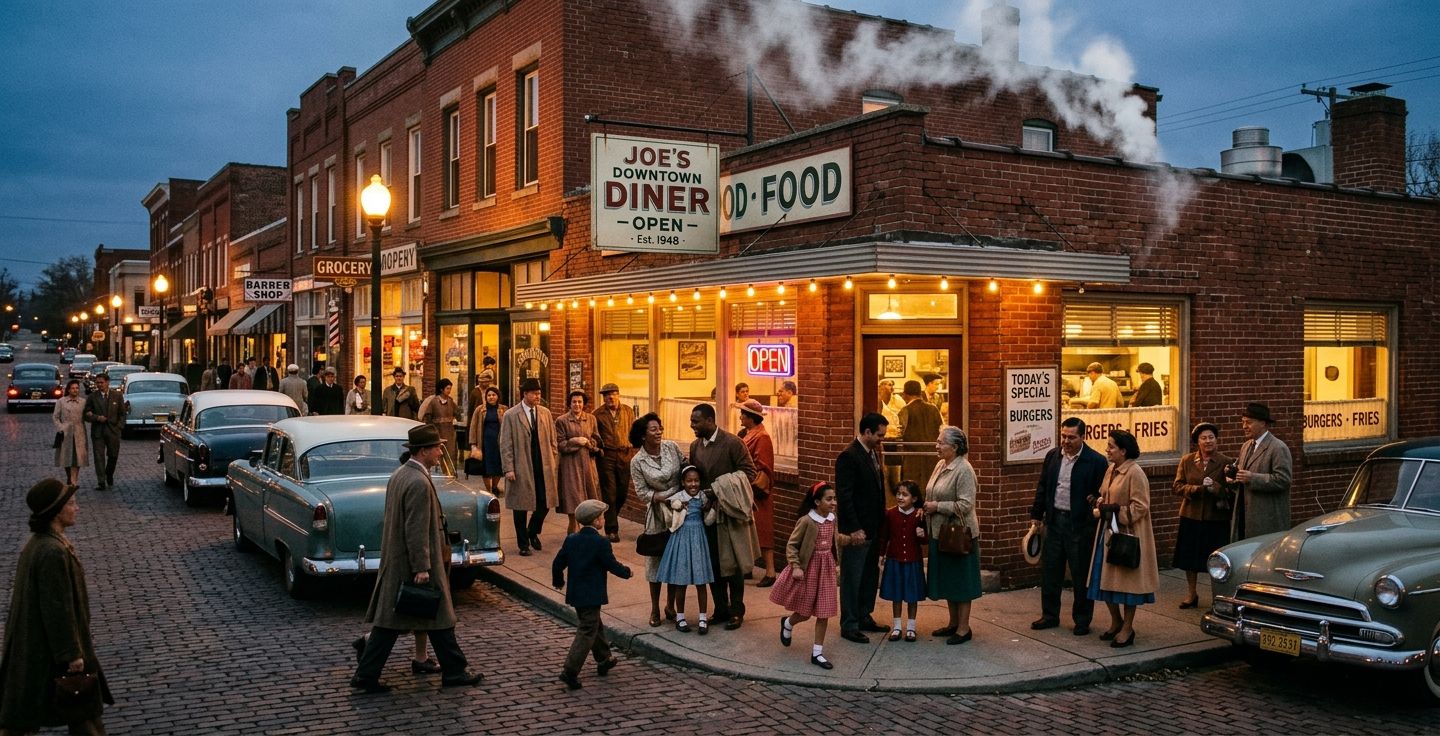
Let us take a quiet walk down a bustling street in Cambridge, Massachusetts. The year was 1958. A brilliant, determined woman named Joyce Chen (1917-1994) opened a humble restaurant there. She had come all the way from Beijing with a deep, abiding love for her native cuisine. At that time, the locals in Cambridge were not accustomed to the authentic, complex tastes of Northern China. They were mostly used to heavily modified, syrup-soaked dishes that barely resembled their origins. Joyce decided she was going to change that narrative.
She introduced authentic, steaming dumplings and deeply flavorful hot and sour soup to a cautious but curious public. The flavors were bold, unashamed, and completely wonderful. She even recognized that American homes lacked the proper equipment to cook her food. So, she invented and patented the flat bottom wok, allowing everyday families to stir fry meals on their standard electric stoves. She single handedly invited thousands of families to expand their palates. The deep desire to taste her food brought long lines of eager people around the block. Her small restaurant became a bustling, joyful hub of shared community.
From Italy to the Heartland
Then, we can look towards the industrial skyline of Cleveland, Ohio. Here, an ambitious man named Ettore Boiardi (1897-1985) started something truly incredible. Today, you might recognize his smiling face on grocery store shelves under a slightly Anglicized spelling. Ettore arrived from Italy with a mastery of delicate pasta and rich, slow cooked sauces. He opened a restaurant that became so immensely popular, people practically begged him for his secret recipes.
He began packing his rich marinara sauce into cleaned milk bottles to send home with his loyal patrons. Ettore realized that he could bring a warm piece of Italy into every single home in the country. He made authentic Italian food accessible, affordable, and incredibly deeply loved by the masses. It was no longer a foreign novelty. It was a Tuesday night dinner staple. He showed us all that the absolute best way to understand a different culture is to sit down and share a hearty meal with them.
The Southern Spice
And what about the deep, mysterious South? Let us wander down to the vibrant streets of New Orleans, Louisiana. A renowned, larger than life chef named Paul Prudhomme (1940-2015) took the rustic, highly localized dishes of his proud Cajun heritage and boldly presented them to the entire world. He took the humble, overlooked ingredients of the sprawling bayou and turned them into absolute culinary gold.
He famously introduced blackened redfish to the public, cooking it in a white hot cast iron skillet until the spices formed a perfect, flavorful crust. People could not get enough of that fiery, smoky taste. Paul cooked with a deep, radiant joy that was absolutely infectious. He would often say that good cooking is about creating happiness. He reminded us that American food is not just one stagnant thing. It is a brilliant, ever changing tapestry woven from a thousand different threads.
The Beauty of the Blend
These are not just simple stories about cooking techniques. They are profound stories about survival, adaptation, and immense generosity. When someone offers you a steaming plate of food from their homeland, they are offering you a vulnerable piece of their history. The rich culinary traditions of our country are built firmly on these beautiful acts of sharing. The robust, magnificent flavors we enjoy today are the direct, undeniable result of open doors and open minds.
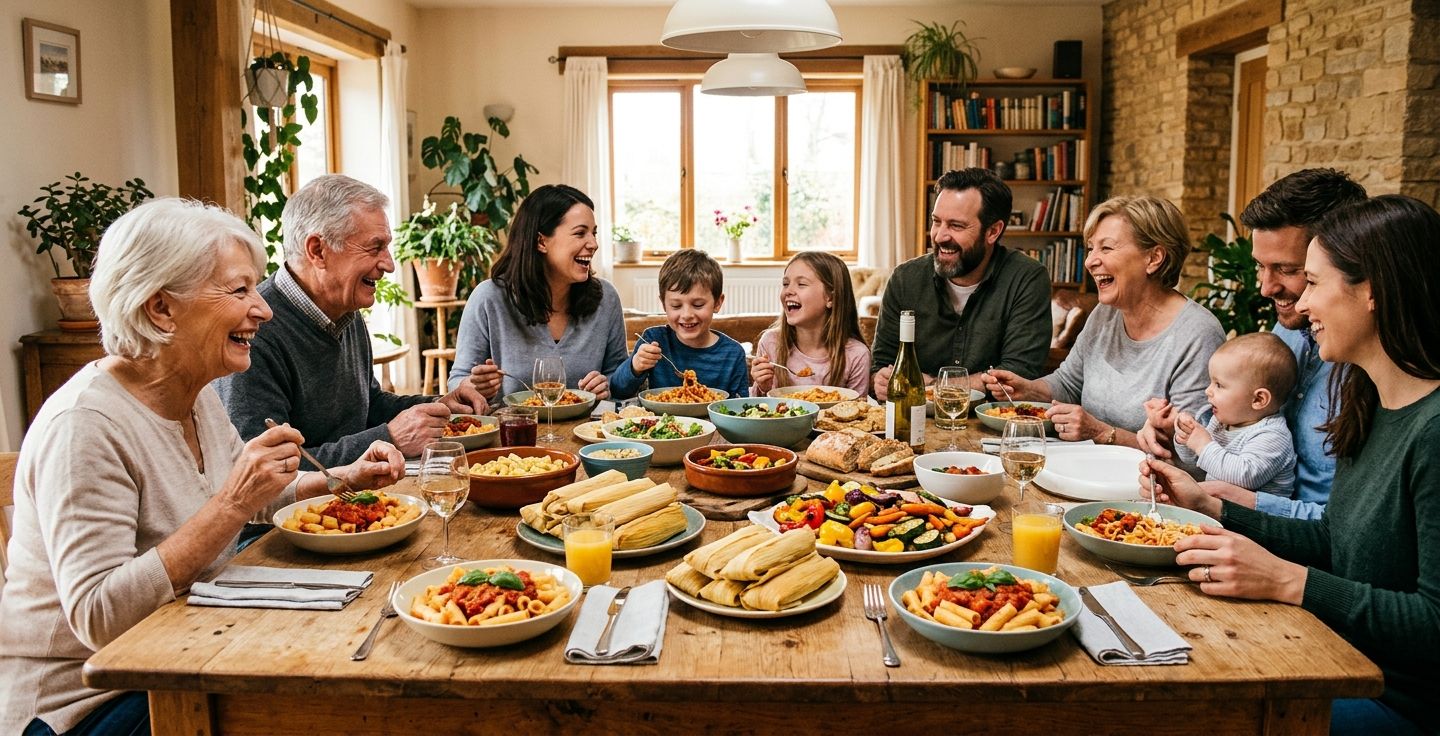
We truly live in a spectacular melting pot, a place where an Italian pasta dish can sit right next to a fragrant Mexican tamale at a crowded neighborhood block party. Sitting on my porch nowadays, watching the younger folks gather together, fills my weary heart with a profound sense of hope. The world can seem chaotic on the evening news, but at the dinner table, we are finding our way. My grandchildren frequently host dinners where completely different dishes from five different continents sit harmoniously on one single table. They do not see boundaries or borders. They just see good food and good company. They share recipes they found online and swap spices without a second thought. The youth are embracing this magnificent blend of cultures with wide open arms. They inherently understand that our differences are exactly what make us flavorful.
Pull Up a Chair
I gently encourage you to do something special this coming week. Walk down to a neighborhood you have not visited in a long while. Find a small, family owned restaurant with a sign you might not even be able to read. Do not be intimidated. Step inside, take a deep breath, and let the wonderful aromas guide you. Talk to the hardworking owners. Ask them about the traditional dishes their grandparents used to make for them. Try something new that challenges your familiar taste buds. Give yourself the gift of a new experience.
Furthermore, talk to your own elders. Sit down with your parents or grandparents and ask them to teach you that one specific recipe that always brought the entire family together during the holidays. Write it down on a piece of paper. Preserve it fiercely. Pass it on to the next generation. Every single meal is a beautiful chance to learn, to grow, and to connect with one another. Pull up a comfortable chair, pick up a fork, and let us celebrate the beautifully, wildly diverse community we have built together over all these years.