
Icons & Symbols of America
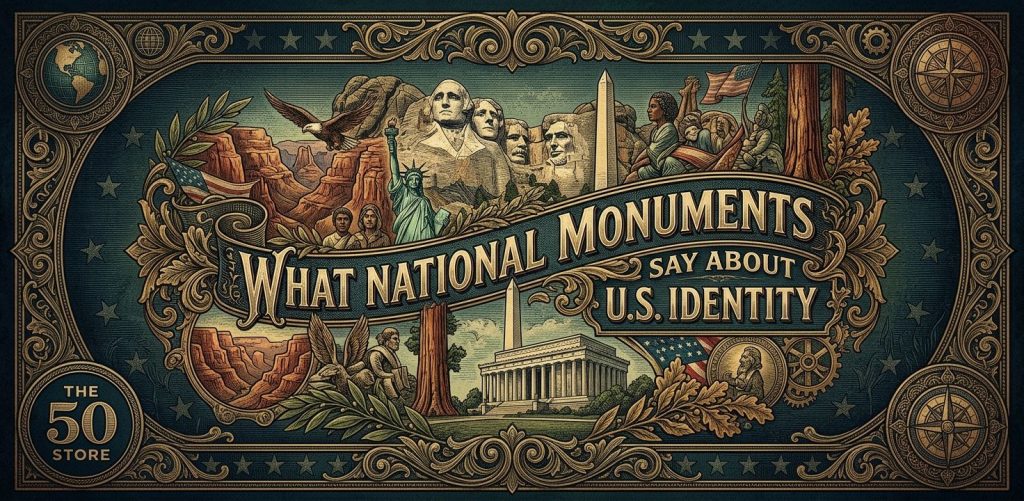
What National Monuments Say About U.S. Identity
The Stones That Hold Our Stories
I have lived in this magnificent country for my entire life. I have watched the seasons turn from the front porch of my childhood home and felt the hot summer sun on the busy streets of our grandest cities. Over the long decades, I have seen a lot of things change. New buildings rise into the clouds. Highways stretch like ribbons across the vast deserts. But some things remain anchored in the earth. Our National Monuments stand quietly through the wind and the rain. They are our markers. We pass them on our cross country road trips. We point them out to our grandchildren from the back seat of the car. They are familiar, quiet friends.
Yet, there is a complication in our fast paced, modern world. We are always rushing from one task to the next. We often drive right past these incredible places. We stop just long enough to snap a quick photograph and then we are back on the highway. We rarely pause to understand the deep, sometimes complicated stories they hold about who we really are. What do these silent stones and towering statues actually say about our evolving U.S. Identity? They tell the unvarnished story of our struggles. They speak of our highest hopes and our most difficult days. They are a national diary written in stone, bronze, and protected soil. They remind us that the American story is still being written by regular folks just like you and me.
The Surprising Breadth of Our Shared Backyard
You might be quite surprised to learn just how vast this collection of memories really is. According to the National Park Service, there are over one hundred and thirty designated national monuments in the United States today. In the year 2022 alone, the entire park system welcomed over three hundred million visitors. That is an astonishing number. It is nearly the equivalent of our country’s entire population packing up the car and heading out to explore our shared backyard. A recent study from the Outdoor Industry Association has shown that heritage and outdoor recreation sites contribute over eight hundred billion dollars to our national economy.
This is not just a dusty collection of forgotten rocks. It is a living, breathing part of our national livelihood. These historic landmarks provide vital jobs and keep countless small town main streets bustling with vibrant life. It warms my old heart to see so many young families spending their summer vacations learning about our past. It gives me incredible hope for the generations to come. When young people touch the cold stone of a monument, they connect with something much larger than themselves. They learn that they are part of a long, continuing story.
Pennies From the People
Let me share a small piece of history about a very famous statue. You know her well. She stands tall in the busy harbor holding a great torch. We all call her the Statue of Liberty. The good people of France gave her to us as a beautiful gift to celebrate our independence and our shared values. But there was a significant catch to this generous gift. They provided the great copper statue, but the United States had to build the massive pedestal she would stand upon.
Our government simply could not find the money. The rich industrialists and politicians of the era kept their heavy wallets tightly closed. The whole grand project almost failed entirely. The statue sat in pieces across the ocean.
Then a clever newspaperman named Joseph Pulitzer (1847-1911) stepped into the picture. He used his widely read newspaper to ask the common people for their honest help. He made a simple promise. He promised to print the name of every single person who donated to the noble cause, no matter how small the amount might be. The response was miraculous. Pennies started pouring in from every corner of the young nation. Children sent their hard earned pocket money. Grandmothers mailed in their egg money. One little boy from the farmlands of Iowa wrote a touching letter saying he was sending the twelve cents he had carefully saved for the traveling circus. The massive pedestal was truly built by the dimes and nickels of regular, hardworking folks. This tiny slice of American History tells us everything we need to know about our national character. We are a nation built from the ground up by the combined efforts of everyday people. That is our truest foundation.
Protecting the Sacred Spaces
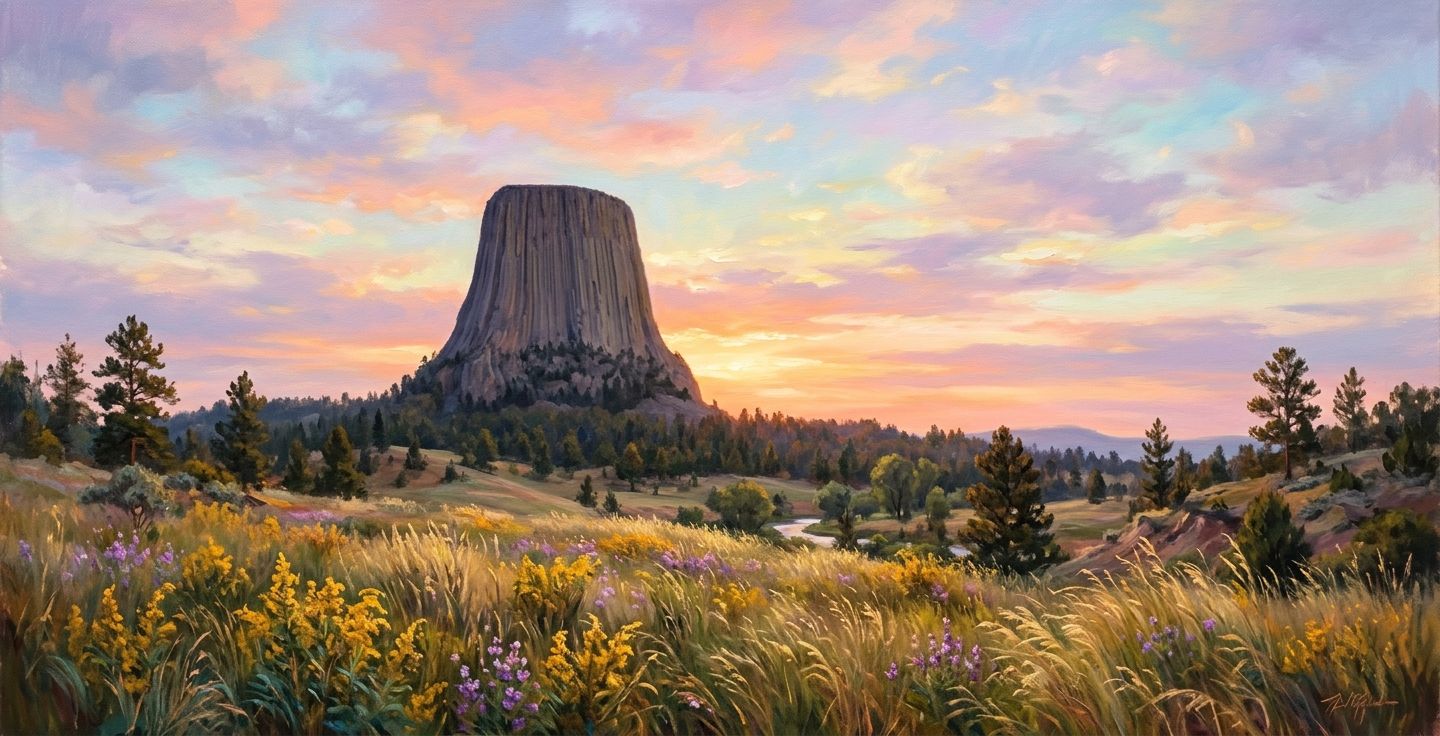
Another wonderful story took place out in the wide, high plains of the West. Have you ever seen the magnificent Devils Tower in Wyoming? It is a giant, fluted rock rising straight up into the endless blue sky. It looks completely out of place standing alone in the rolling hills. Long before covered wagons rolled across the prairie, native tribes held that striking rock completely sacred. They passed down beautiful stories about giant bears leaving deep claw marks down the sides of the stone as they climbed.
At the turn of the twentieth century, thoughtful folks began to realize an important truth. Some places were just too special, too unique, to be chopped up, mined, or sold away to the highest bidder. President Theodore Roosevelt (1858-1919) understood this deeply in his bones. He loved the wild spaces of this country. He happily signed the Antiquities Act into law. This important rule gave the president the immediate power to protect important natural and cultural places from destruction.
Devils Tower became our very first national monument. It was a remarkably bold statement for a young country focused on expansion. It showed the entire world that part of our identity is forever tied to the land itself. Our vast open spaces define us. Protecting them is a pure act of love for the children who are not even born yet. They deserve to see the exact same wild beauty that our ancestors saw. We made a solemn promise to protect our Cultural Heritage for them.
A Voice on the Steps
Let us travel back east to the busy capital city. The grand Lincoln Memorial is one of the most recognizable structures on the face of the earth. It looks like an ancient temple. But my absolute favorite story about this quiet place does not actually involve Abraham Lincoln. It involves a remarkably gifted singer named Marian Anderson (1897-1993).
Back in the late nineteen thirties, our country was heavily and painfully segregated. Marian had a singing voice that comes along only once in a century. She was formally invited to sing in Washington, but a famous local concert hall coldly refused to let her perform simply because of the color of her skin. It was a dark moment.
However, First Lady Eleanor Roosevelt (1884-1962) was rightfully outraged by this injustice. She stepped in and helped arrange for Marian to sing outside on the wide steps of the Lincoln Memorial instead. On a chilly Easter Sunday afternoon, seventy five thousand people gathered peacefully on the grass of the National Mall. Millions more families huddled around their radios in their living rooms to listen. When Marian stepped up to the heavy microphones and sang ‘My Country, Tis of Thee,’ the meaning of the great monument changed forever. It was no longer just a cold stone tribute to a fallen president. It became a living, breathing stage for justice and equality. It proved that these spaces belong to every single one of us. They are important places where we can push our country to finally live up to its highest, most noble ideals. It makes me smile widely to think about how far we have come since that cold afternoon. We absolutely still have miles to walk together, but the steady progress is real and it is incredibly beautiful.
Curious Minds Want to Know
Over the years, younger folks have asked me many thoughtful questions about these historical places. Here are a few things you might be wondering yourself.
What is the exact difference between a national park and a national monument?
National parks are carefully created by Congress strictly for their incredible scenic and educational value. National monuments, on the other hand, are quickly designated directly by the President to protect objects of high historic or scientific interest.
Can these national monuments be changed or downsized over time?
Yes, they can. While it is quite rare, some presidents have reduced the size of certain monuments, and Congress always holds the final power to redesignate or completely remove them if they choose to do so.
Do these monuments only celebrate positive historical events?
No, they certainly do not. Many monuments serve as somber reminders of our darkest days and hardest lessons. They exist to ensure we never forget the painful parts of our history, so we do not repeat the same tragic mistakes.
How do local small towns benefit from these landmarks?
These sites bring vital tourism to rural and isolated areas. Visitors stop to eat in local diners, sleep in neighborhood motels, and hire local guides. It helps keep the heart of small town America beating strong.
How are all of these national monuments funded?
They are primarily funded through the federal budget allocated to the National Park Service or the Bureau of Land Management. However, they also rely heavily on generous private donations, visitor entrance fees, and the tireless work of local volunteer groups.
Are there national monuments located in big cities?
Absolutely. While we often think of vast wilderness areas, many important monuments are located right in the middle of our busiest cities. They protect historic buildings, old forts, and important cultural neighborhoods.
Passing the Torch
These countless stories are scattered all across our wide map. Some monuments honor our greatest leaders. Some protect a quiet, ancient grove of tall trees. Together they weave a wonderfully complicated and colorful tapestry. They show us clearly that we are a resilient people of many different backgrounds, many different faiths, and many different dreams.
I want to warmly encourage you to take a little time this coming year to visit one of these special places with your family. Pack a simple lunch in a cooler. Take a long, slow walk around the quiet grounds. Read the bronze plaques. Talk to the park rangers who work there. They are some of the absolute finest folks you will ever have the pleasure of meeting.
When you stand in the long shadow of these great landmarks, remember the regular people who built them. Remember the brave folks who fought hard for them. The true spirit of Preservation is not about living sadly in the past. It is about bringing the absolute best parts of our past with us into a much brighter, kinder future. It is about passing the torch to the young ones, just like that little boy from Iowa who sent his circus pennies to build a pedestal. Our history is in good hands.