American Lifestyle
The Raw Milk Revolution: Inside America’S Growing Food Freedom Movement
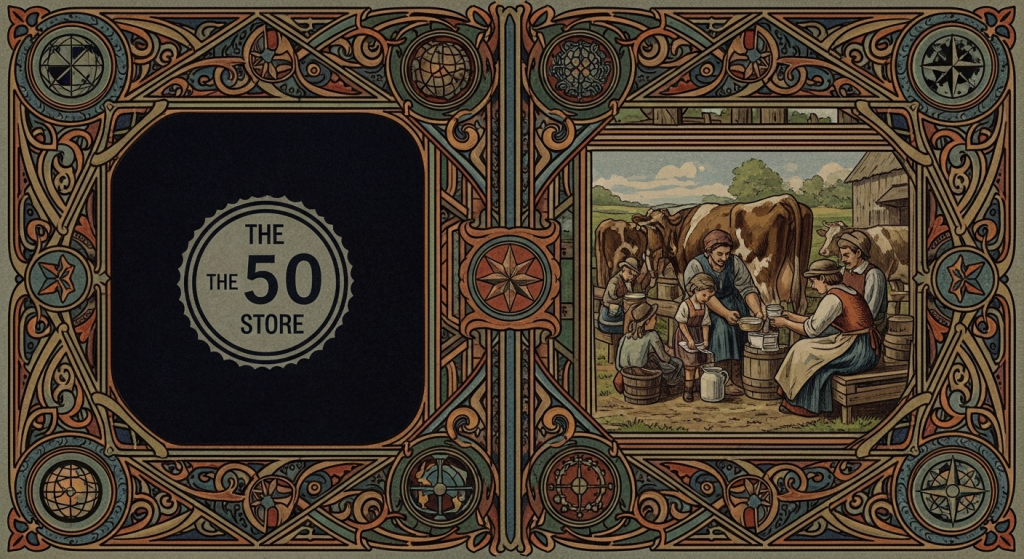
In fields across America, a quiet revolution is brewing, one glass of unpasteurized milk at a time. As consumers increasingly seek unprocessed foods straight from the source, the debate over raw milk has transformed from a dietary choice into a battle for food freedom. This micro-history explores how local dairy farmers and passionate advocates are reclaiming a traditional American staple despite regulatory hurdles. It’s a story that speaks to the heart of what it means to be American: a desire for independence, a belief in self-reliance, and a deep connection to the land that sustains us.
The Roots of Dairy in America: From Family Farms to Industrial Pasteurization
I remember a time, not so long ago, when nearly every small town had its own dairy. Farmers, often neighbors or family friends, milked their cows, bottled the milk, and delivered it fresh to homes. This wasn’t just a nostalgic ideal; it was the backbone of American food production for generations. Milk, straight from the cow, was a fundamental part of our traditional American foods.
For centuries, across Europe and then here in the nascent United States, people drank milk as it was, unpasteurized. It was a local product, consumed quickly, and its inherent beneficial bacteria helped preserve it naturally, albeit for a shorter window than today’s processed milk. The notion of industrial-scale dairy farming and widespread pasteurization, while common now, is a relatively recent development in the long story of human consumption of milk.
The turn of the 20th century brought significant changes. As cities grew and the population became more urbanized, milk had to travel further. Sanitation practices in some large-scale dairies were, frankly, poor, leading to outbreaks of diseases like tuberculosis and typhoid. It was in this context that Louis Pasteur’s work on heating liquids to kill harmful bacteria became widely adopted. Pasteurization, introduced primarily as a public health measure to ensure safety in a rapidly industrializing food system, became the standard for milk across the nation. It was a necessary step at the time, given the conditions, and it undoubtedly saved many lives. The USDA and FDA, quite rightly, championed it as a vital safeguard.
However, this shift also fundamentally altered our relationship with food. It centralized production, distanced consumers from the source, and inadvertently paved the way for a more standardized, less diverse dairy landscape. The charming small family farms that once dotted the landscape began to dwindle, replaced by larger operations optimized for efficiency and scale. It’s a familiar American story of progress, but sometimes progress leaves something precious behind.
The Rise of the Raw Milk Movement: Why Homesteaders and Health Enthusiasts are Going Back to Basics
Fast forward to today, and we’re seeing a fascinating pushback. It’s not a rejection of progress, but a re-evaluation of what ‘healthy’ and ‘natural’ truly mean in our modern world. The raw milk movement is gaining momentum, fueled by a diverse group of people, from those embracing a homesteading lifestyle to health enthusiasts seeking the health benefits raw milk is believed to offer. This isn’t just a fringe trend; it’s a significant shift in how many Americans view their food choices.
Consider some surprising statistics: According to surveys, the demand for raw milk in the U.S. has been steadily increasing, with some estimates suggesting a market value well over $50 million annually, growing consistently year over year. A 2021 study in the Journal of Dairy Science, for instance, indicated that approximately 3-4% of the U.S. population regularly consumes raw milk, a figure that might seem small but represents millions of individuals. Moreover, states where raw milk sales are legal have seen an increase in small, diversified farms thriving to meet this demand.
People are drawn to unpasteurized milk for a variety of reasons. Many believe in the raw dairy benefits, citing anecdotal evidence and some scientific studies suggesting that pasteurization alters the nutritional profile of milk, denaturing enzymes and beneficial bacteria that aid in digestion. Proponents often talk about a richer taste, a creamier texture, and a product that feels more ‘alive.’ For them, it’s about connecting to an ancestral diet milk, a way of eating that aligns with our biological heritage.
I’ve spoken to folks who struggled with dairy allergies or sensitivities for years, only to find they could digest raw milk without issue. They often attribute this to the enzymes present in raw milk that are destroyed by heat. Others are simply seeking genuine, farm-to-table freshness, wanting to know exactly where their food comes from and how it’s produced. They are drawn to the transparency and the integrity of a local dairy farm that produces raw milk.
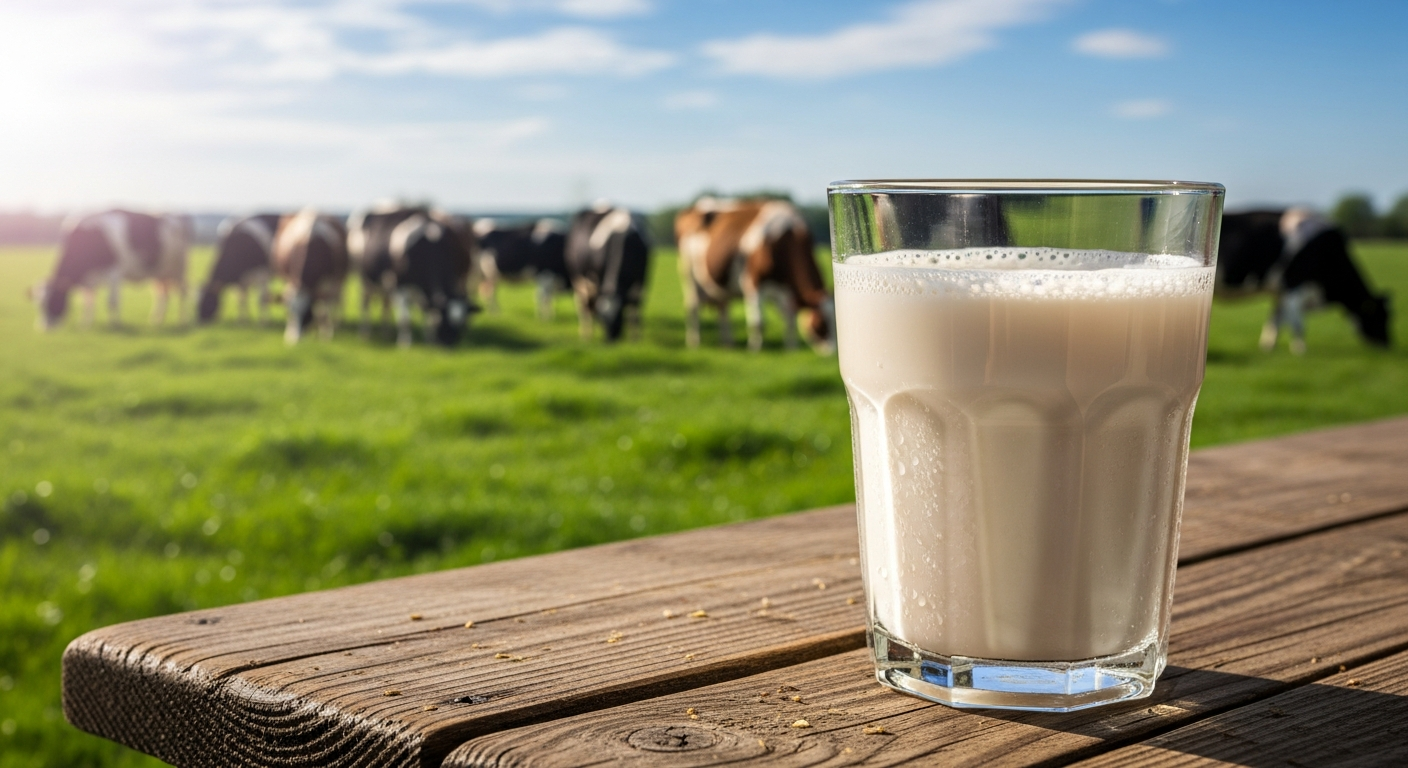
This desire for wholesome, unprocessed food is a cornerstone of the movement. It’s not just about milk; it’s about a broader awakening to the importance of real food, produced ethically and sustainably. It’s about taking personal responsibility for one’s health and food choices, a deeply American ideal. A real milk advocate will tell you that it’s about more than just a beverage; it’s a philosophical stance.
The Battle for Food Freedom: The Legal and Cultural Struggles Between Small-Scale Farmers and Regulators
Of course, this growing movement hasn’t been without its challenges. The fight for food freedom America is a real one, played out in state legislatures, courtrooms, and even on the farms themselves. The primary concern from public health officials and regulatory bodies like the FDA and state health departments is, quite understandably, safety. They point to the potential for harmful bacteria like E. coli, Salmonella, and Listeria in unpasteurized milk, which can lead to serious illness, especially in vulnerable populations. They argue that the risks outweigh the perceived benefits, emphasizing the historical reasons for pasteurization.
This has led to a patchwork of raw milk laws US, making it incredibly complex for consumers and producers alike. Some states permit the retail sale of raw milk, others allow it only for animal feed, some only through herd-share programs (where consumers technically own a share of a dairy animal and receive its milk), and some ban it outright. It’s a tangled web, reflecting the intense debate and conflicting philosophies surrounding this issue. For instance, in states like California, raw milk can be legally sold in stores, subject to strict testing and labeling. Meanwhile, in states like New Jersey, it’s completely illegal to sell or distribute raw milk for human consumption.
I’ve heard countless stories of small farmers, dedicated to sustainable practices, facing raids, fines, and even imprisonment for providing what their customers believe is a healthy, traditional product. These aren’t industrial cowboys cutting corners; these are often passionate individuals who maintain exceptionally clean dairies, test their milk regularly, and have strong relationships with their customers. They feel targeted, caught between a growing consumer demand and a regulatory framework that seems to favor large-scale industrial producers over small family farms.
This struggle often boils down to a fundamental disagreement about risk assessment and individual liberty. Regulators see a public health imperative to prevent any potential illness. Raw milk advocates, on the other hand, argue for the right of individuals to choose their food sources, especially when those sources are local, transparent, and meet high standards of cleanliness. They contend that education and informed consent, coupled with rigorous farm hygiene and testing, are better solutions than outright bans or excessive restrictions.
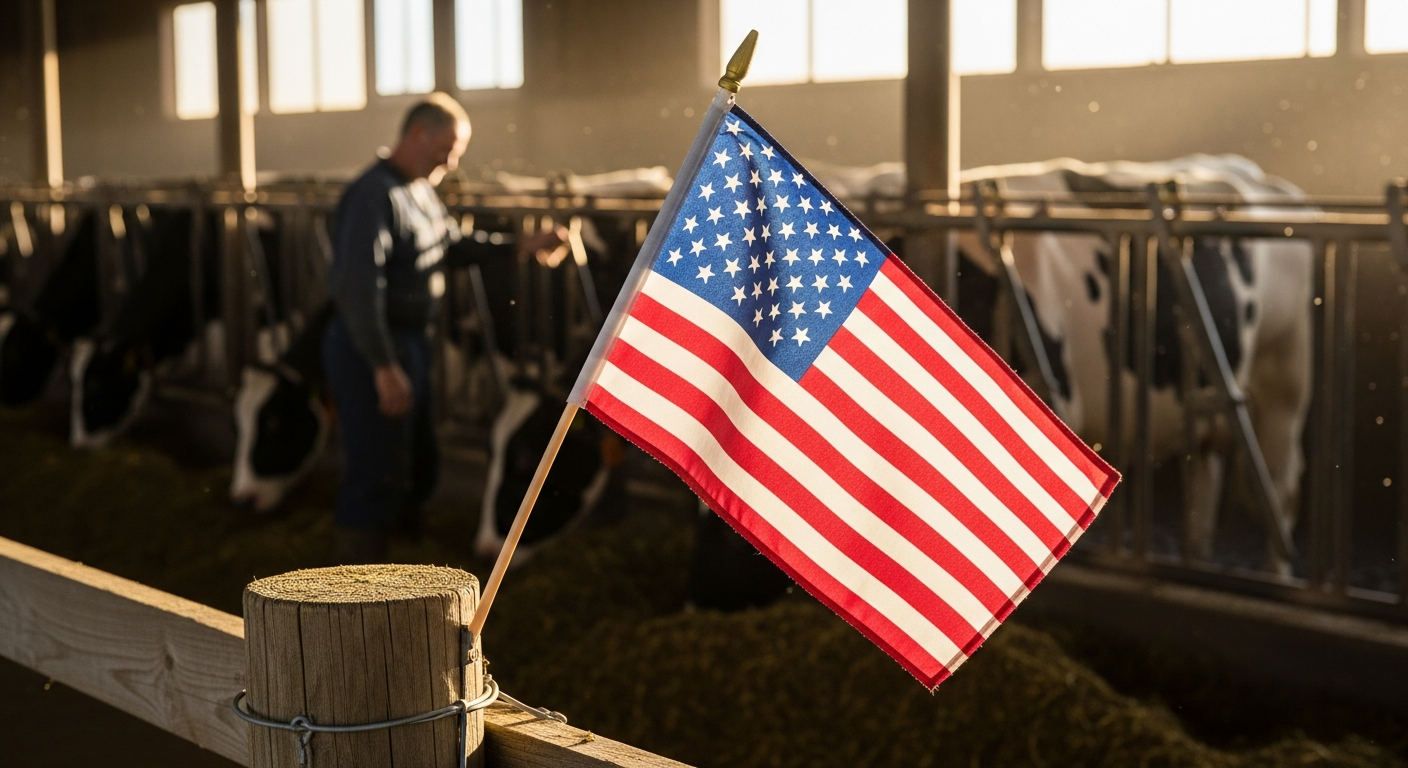
It’s a classic American tension: the balance between collective safety and individual freedom. It reminds me of the spirit that built this nation, that pioneering spirit that valued self-sufficiency and trusted in individual judgment.
Reconnecting with the Land: How the Raw Milk Movement Supports Sustainable, Local Agriculture and Community Resilience
Beyond the legal battles, the raw milk movement represents something deeply important: a powerful force for reconnecting with the land and building community resilience. When you buy unpasteurized milk from a local dairy farm, you’re not just buying a product; you’re investing in a local economy, supporting sustainable agriculture, and fostering a relationship with the people who grow your food. This is the true spirit of farm-to-table, an authentic connection that benefits everyone.
Many raw milk producers practice rotational grazing, holistic management, and organic farming methods. Their cows often live healthier, happier lives, allowed to graze on fresh pasture, which in turn contributes to the quality of their milk. This kind of thoughtful, ecologically sound farming is vital for the health of our planet and our communities. It stands in stark contrast to the environmental footprint and ethical concerns sometimes associated with industrial dairy production.
This movement also strengthens local food systems, making communities more resilient. When we rely on local producers, we’re less vulnerable to disruptions in global supply chains. It creates a network of support, where farmers and consumers know each other, build trust, and share a common vision for a healthier food future. It’s a return to the roots of what agriculture should be: a symbiotic relationship between land, animal, and human.
For those involved, the raw milk movement is about more than just a beverage; it’s about reclaiming a piece of our heritage, advocating for the right to choose, and fostering a vibrant, localized food system. It’s about being a real milk advocate not just for yourself, but for your community and for the future of our rural landscapes. It’s an act of patriotism, caring for the land and the people on it, ensuring that the bounty of America remains accessible and wholesome.
As I look out at the fields, I see not just cows, but a vision for a stronger, healthier America. A country where the sun warms the backs of small farmers, where children drink milk from a source they know, and where food freedom America isn’t just a dream, but a delicious reality. It’s a hopeful vision, one that reminds me that even in the smallest choices, like a glass of milk, we can find the seeds of a profound revolution.