
American Lifestyle
How Work-Life Balance Differs Across the U.S.
The Quiet Morning Reflections
The morning air always carries a special kind of quiet before the rest of the world wakes up. I like to sit out on my front porch with a hot cup of black coffee and watch the sky turn from a deep violet to a soft hopeful pink. I have lived in this magnificent country my entire life. I have watched dirt roads turn to smooth asphalt and small corner stores grow into towering glass buildings. Over all these decades the way we spend our days has shifted completely underneath our feet. It used to be that a person simply worked to live. You put in your hours, the local factory whistle blew, and you came home to your family. It was a predictable rhythm. Today the lines are blurred. The lights in the windows of the homes down my street stay on until midnight. People are bringing their tasks to the dinner table. It makes an old heart wonder about the shape of our modern days and how we measure a life well lived.
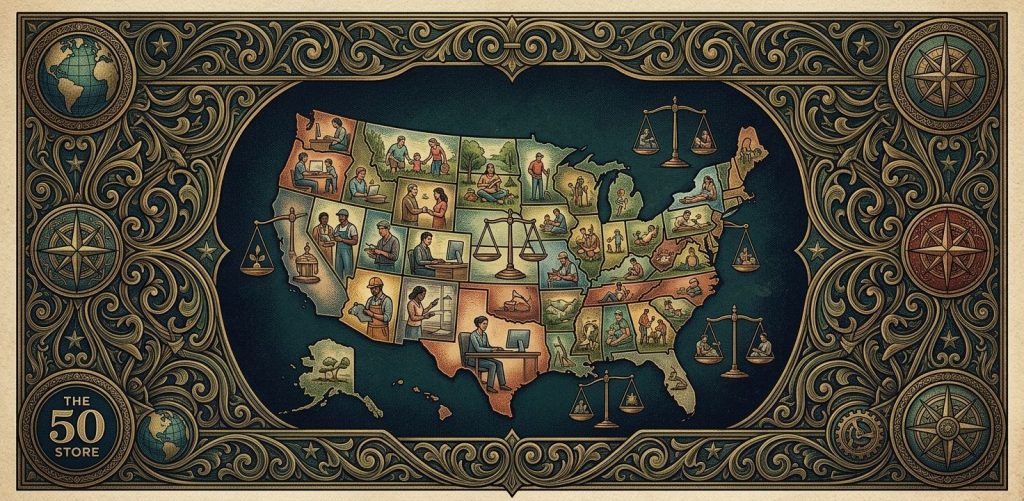
This brings me to a curious realization about the current situation we find ourselves in. The American experience is not a single uniform thing. It changes wildly depending on the soil you stand on. You might find it surprising just how different things are depending on your zip code. According to reports from the Bureau of Labor Statistics the average American logs significantly more hours per year than our friends across the ocean in Europe. But the real story is what happens inside our own borders. A recent study by the American Psychological Association found that nearly seventy nine percent of adult professionals report experiencing significant stress regarding their work-life balance. Furthermore data from the Census Bureau reveals a fascinating contrast. Folks living in the Rocky Mountain states spend up to thirty percent more of their week engaged in outdoor leisure activities compared to those living in the busy Northeast corridor. The folks up North log almost two hundred more working hours every single year. The rise of remote work was supposed to give us all our time back. Instead it seems to have just moved the office into our living rooms making it incredibly difficult to know when the day is truly done.
Why does this vast nation demand such different rhythms from its people? And perhaps more importantly how do you young folks find a gentle harmony between earning your keep and actually enjoying the precious time you have been given? To answer these questions we have to look at the stories of the streets and the people who built them.
The Steady Rhythm of the Midwest
Let us travel first to the industrial heartland. Think about Detroit, Michigan. When I was a younger man I knew a fellow named Thomas who lived just a few houses down. Thomas worked the assembly line at one of the big auto plants. His life was built on a very specific reliable rhythm. Every morning he left the house at the exact same time. Every afternoon at exactly five oclock the line stopped moving. He washed the grease from his hands walked out the factory doors and left his job behind him. The evening belonged entirely to his wife his children and his backyard garden.
This distinct boundary between labor and home was championed by historical figures like Henry Ford (born 1863, died 1947) who famously helped popularize the forty hour work week. Ford understood that a person needed rest to be productive. The legacy of that era still lingers in the Midwest today. The company culture in these central states often still respects the dinner hour. There is a deep quiet respect for a hard days labor but an equally fierce protection of family time. The Midwest teaches us that predictability can be a wonderful comfort.
The Relentless Ambition of the East Coast
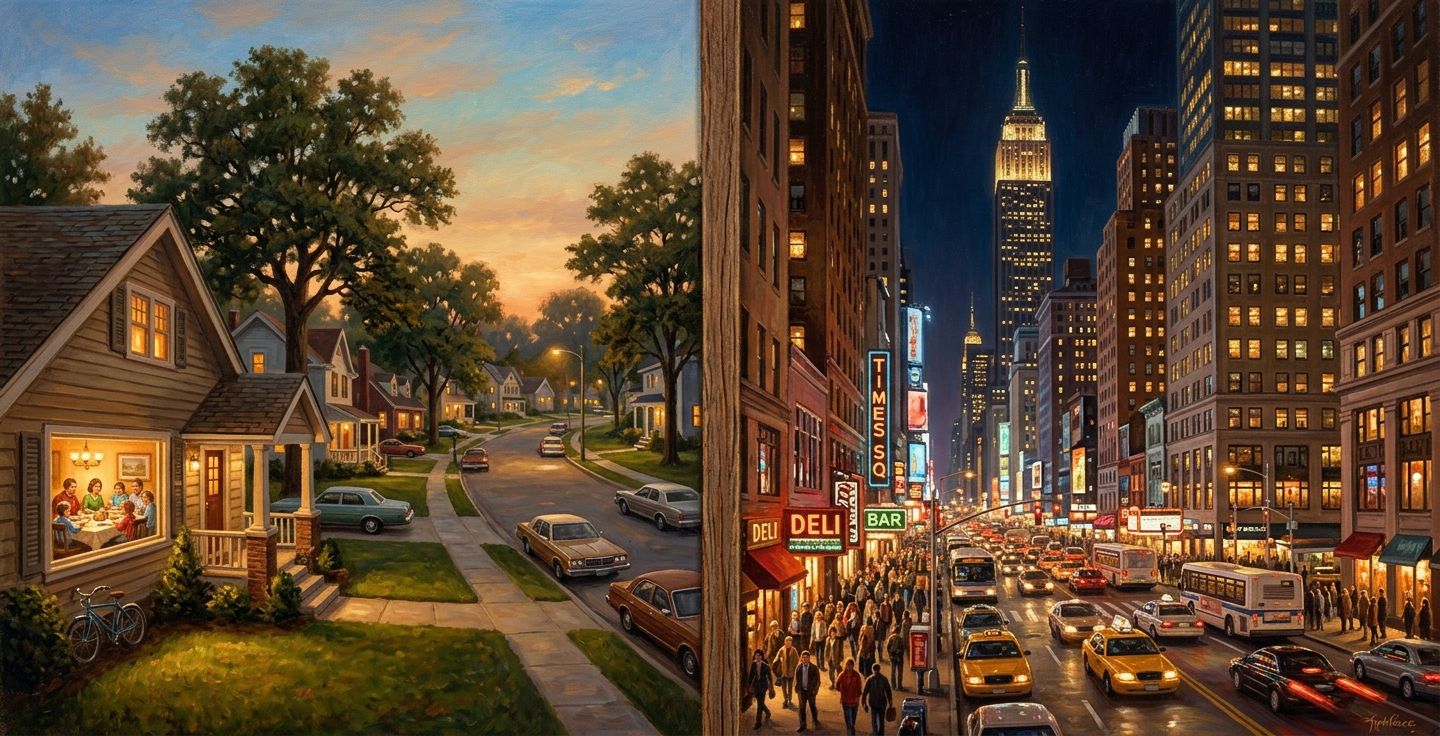
Now let us turn our eyes to the East. Travel with me to Wall Street, New York. The air there hums with a completely different kind of electricity. Years ago a bright young lady from our neighborhood named Sarah moved to the city. She would send letters back home describing a world that simply refused to sleep. In the financial districts and the towering office buildings the culture is fiercely ambitious. A persons identity is often tightly bound to their career progression. It is a beautiful magnificent kind of drive. You can literally feel the heartbeat of progress on those crowded sidewalks.
But that ambition exacts a toll. Sarah wrote about eating dinner at her desk more often than at her kitchen table. The East Coast rhythm often demands that you are always available. However I look at the younger generations working there now and I feel a swell of hope. They are not just accepting the grueling hours of the past. They are actively negotiating for flexible schedules. They want to build great things but they also recognize the need to stroll through Central Park and watch the leaves change color. They are redefining success. They are proving that you can be driven without sacrificing your soul to the office building.
The Agricultural Roots of the South
Let us take a moment to look at the Southern states. Before the massive factories and the towering glass buildings this country was built by hands in the soil. Consider the legacy of folks like George Washington Carver (born 1864, died 1943) who modernized agriculture in the South. The rhythm of farming is completely different from the rhythm of a city. The sun dictates the work not a clock on the wall. During harvest time the days are incredibly long and demanding. But there is a season for rest that follows. The Southern approach to balancing life often emphasizes community family gatherings and moving at a slightly more deliberate pace. It reminds us that there is a natural season for everything under the sun.
The Integrated Life of the West Coast
Finally we look to the Western frontier. Places like Silicon Valley, California. I remember when that area was mostly fruit orchards. The change has been nothing short of spectacular. The tech industry brought a completely new philosophy to the American workforce. I read stories about early offices with ping pong tables free cafeterias and colorful bean bag chairs. They tried to make the workplace feel like a second home.
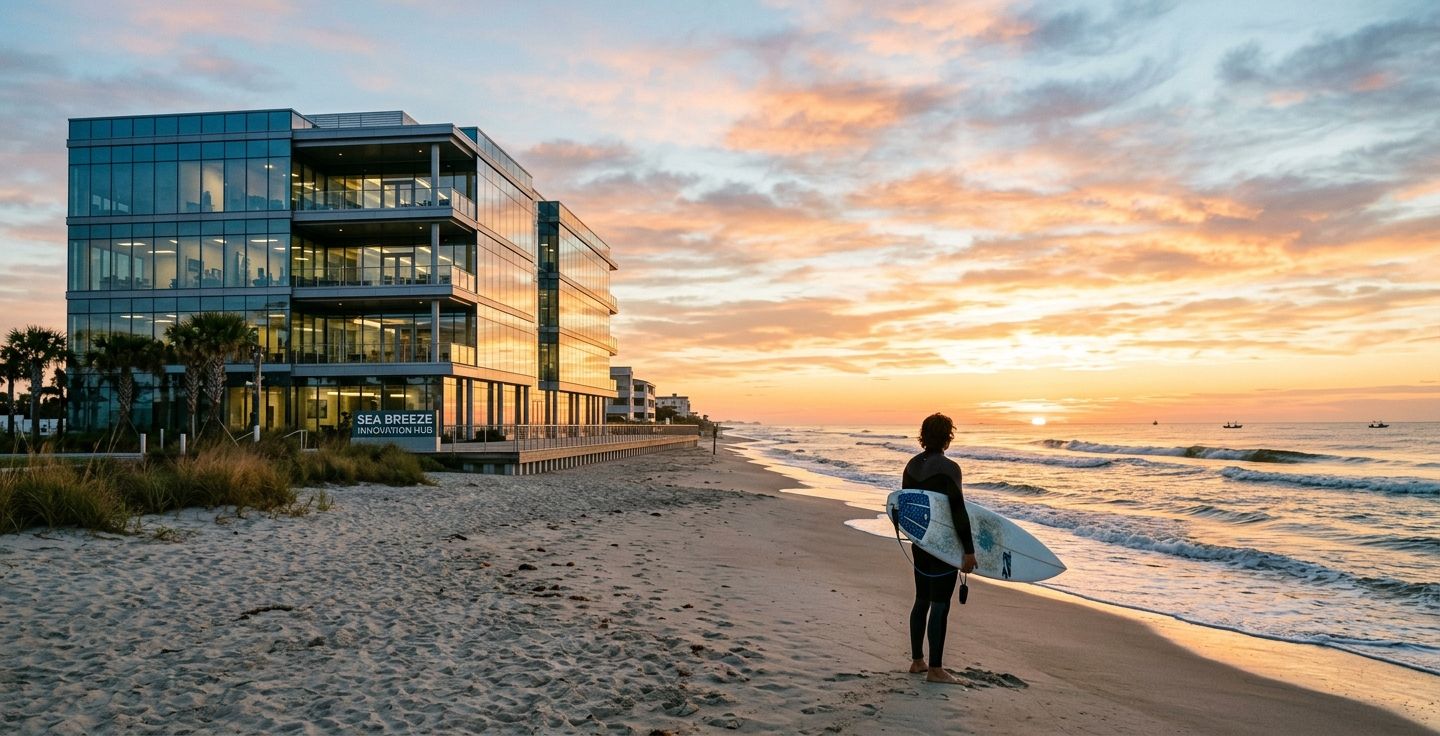
It sounds like a dream. But there is a hidden trap there. When your office feels like a playground and your coworkers are your best friends you never really leave. The danger of burnout is incredibly high when the boundaries are completely erased. Yet for all its intense demands the West Coast is also leading a quiet revolution in personal well being. Folks out there are fiercely protective of their mornings. They go surfing at dawn. They hike the redwood trails before opening their laptop computers. They are teaching the rest of the country that life is not merely a waiting room for the weekend.
Finding Your Own Harmony
This brings me back to the quiet of my porch. I look at all of you the young people inheriting this massive beautiful country and I feel so much optimism. You have an incredible advantage. You can see the whole board. You understand the steady reliability of the Midwest the fierce ambition of the East the natural rhythms of the South and the integrated lifestyle of the West.
My advice to you is simple. Take action to build the life you actually want to live. Do not just blindly accept the pace handed to you by your employer. Protect your peace. Rest is not a luxury. Rest is not a reward for working yourself to the bone. Rest is a fundamental requirement of a joyful human existence. Close the laptop when the sun goes down. Take a walk in the fresh air. Call your mother. The work will always be there tomorrow but the sunset from your front porch only happens once. You hold the pen to your own story so write a beautiful one.