
Geography & the American Landscape
What is life like in the Great Plains
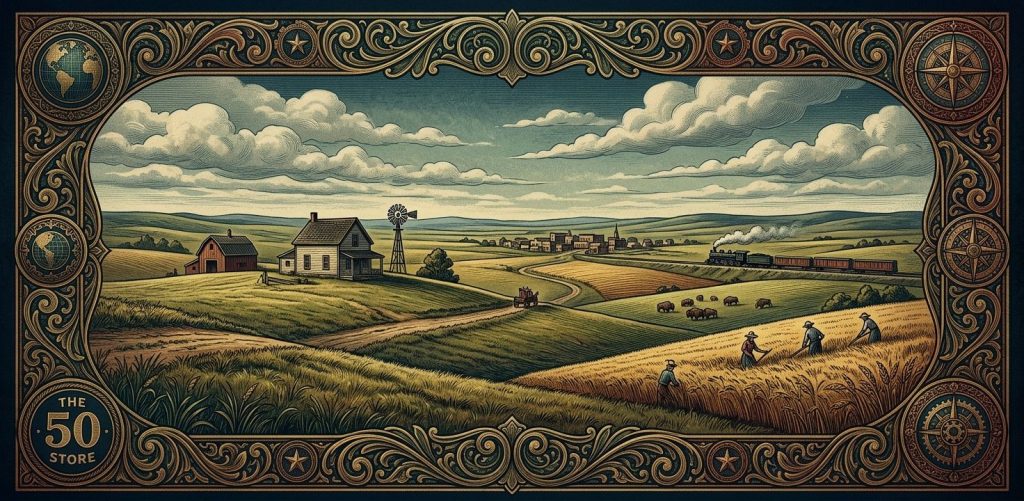
The Horizon That Stretches Forever
The morning sun does not just rise here. It spills across the land like a bucket of golden paint, waking up the tallgrass and casting long shadows over the earth. You can see weather coming from fifty miles away. I have spent my entire life standing on this soil, watching the storms brew on the western edge of the sky and feeling the steady rhythm of the seasons beneath my boots. We call this the heartland. Visitors from the coasts often call it flyover country. They look down from an airplane window at thirty thousand feet and see nothing but an endless patchwork quilt of green and brown squares. Down here on the ground, life is anything but flat. It is deep, rich, and deeply rooted in the soil.
Let us talk about life in the Great Plains. It is a place of absolute extremes. Summer days will blister your skin with a dry, relentless heat, and winter winds will freeze the breath right in your lungs before you can even exhale. The quiet out here is so profound that it rings in your ears. On a clear night, away from the glow of any city lights, the stars look like scattered sugar on black velvet. It is a rugged, beautiful place that demands everything you have to give.
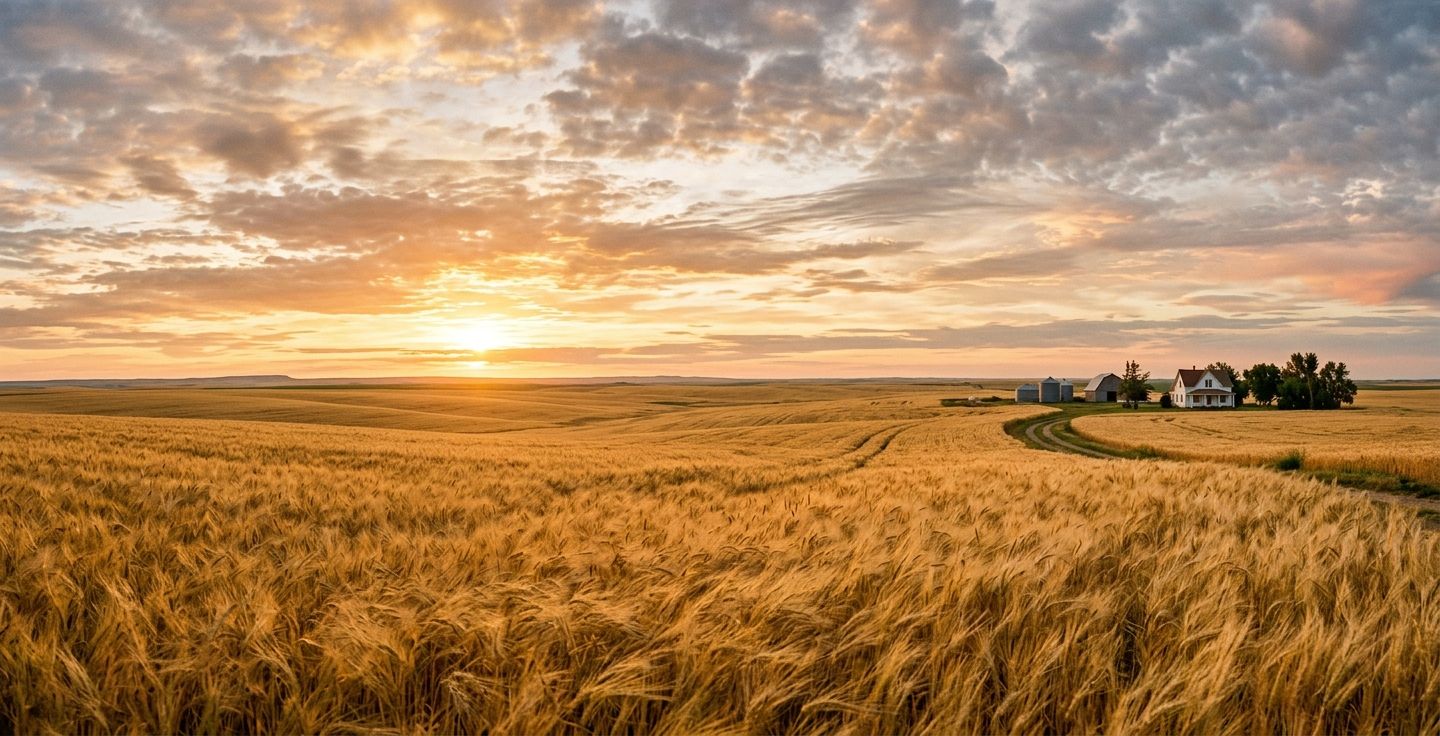
A Land That Tests Your Spirit
Things have not always been easy out here on the prairie. The soil requires hard, physical labor, and the climate tests your resolve every single day. Historically, towns that once bustled with pioneers and eager railroad workers have grown smaller over the decades. Modern machinery means a farm that once required twenty men can now be run by one person in an air-conditioned cab. Because of this, young folks often pack up their cars after high school graduation and head for the big coastal cities in search of different opportunities. It leaves behind empty storefronts on brick streets that used to ring with laughter on a Saturday night.
Sometimes the rains simply stop coming. The crops wither in the fields, turning brittle and yellow long before harvest time. The wind blows across the highways, reminding us of stories our grandparents told about the dark, dusty days of the nineteen thirties. Living here requires a certain kind of endurance. It makes you wonder why people choose this demanding life when easier paths exist.
What Keeps Us Rooted in the Soil?
With the harsh weather, the quiet towns, and the sheer physical distance between neighbors, you might ask a very simple, honest question. What is life really like out here in the middle of nowhere, and why do we choose to stay when the rest of the world is moving so fast? The answer is not just about stubbornness or a refusal to change. It is about a profound connection to the earth. We stay because the land holds our history, and the open horizon offers endless promise for the folks coming up behind us.
Surprising Truths About Our Home
You might be truly surprised by what goes on quietly beneath this vast, open sky. Let me share some facts that often shock the city folks who pass through our neck of the woods. Over eighty percent of the land in our region is completely dedicated to agriculture. We are literally the breadbasket of the entire world, producing a massive portion of the wheat, corn, and beef that feeds families from Tokyo to London.
We sit right on top of the Ogallala Aquifer, one of the largest underground freshwater reserves on the entire planet. It is a massive subterranean ocean that stretches across eight states. This ancient water sustains millions of acres of crops and is the absolute lifeblood of our rural economy. Without it, the plains would simply be a desert.
And let me tell you, it is not just old-fashioned farming out here anymore. If you drive down the highways through places like Sweetwater, Texas or up into the sweeping plains of the Dakotas, you will see fields of towering white turbines. The wind that used to just rattle our windows and blow the topsoil away is now a massive resource. The plains states are generating a huge percentage of the nation’s wind energy, with some states producing over forty percent of their electricity from the wind alone. We are powering the future of the country right from our backyards. We are a silent engine keeping America moving forward.
Stories Written in the Dust and Brick
To truly understand the heartbeat of life here, you have to look past the big statistics and focus on the small, quiet moments. You cannot just read a history textbook. Let me tell you about a little stretch of road in Red Cloud, Nebraska.
Years ago, this town was a bustling frontier hub. A brilliant young woman walked these very streets, taking in the harsh, untamed beauty of the plains and the rugged strength of the immigrants who settled here. Her name was Willa Cather (1873-1947). She wrote beautifully about the brave homesteaders who broke the tough prairie sod and built remarkable lives out of sheer willpower. She understood the true spirit of this place.
My own family knew folks exactly like the ones she immortalized in her books. Let us look closely at one specific corner on Main Street. For over fifty years, there was a bakery run by a hardworking German family. Every single morning at four o’clock, the comforting smell of fresh yeast would drift down the block. When the legendary blizzard of nineteen forty-nine hit, trapping everyone in their homes under mountains of white powder, that baker did not panic. He and his strong sons tied heavy ropes to their waists, trekked through blinding snowdrifts, and delivered fresh bread to every single doorstep in town. They did not ask for a single dime. They just did what good neighbors do.
That story is the very essence of our tight-knit communities. We survive the blizzards, the droughts, and the hardships because we hold fiercely onto each other. Today, that old brick bakery building has found a new life. It is now a lively coffee shop run by a young couple who recently moved back home from Chicago. They serve fancy espresso drinks that I cannot pronounce, but they still shovel the sidewalks for the older folks when the snow starts falling. The names on the storefronts change. The heart of the people remains exactly the same.
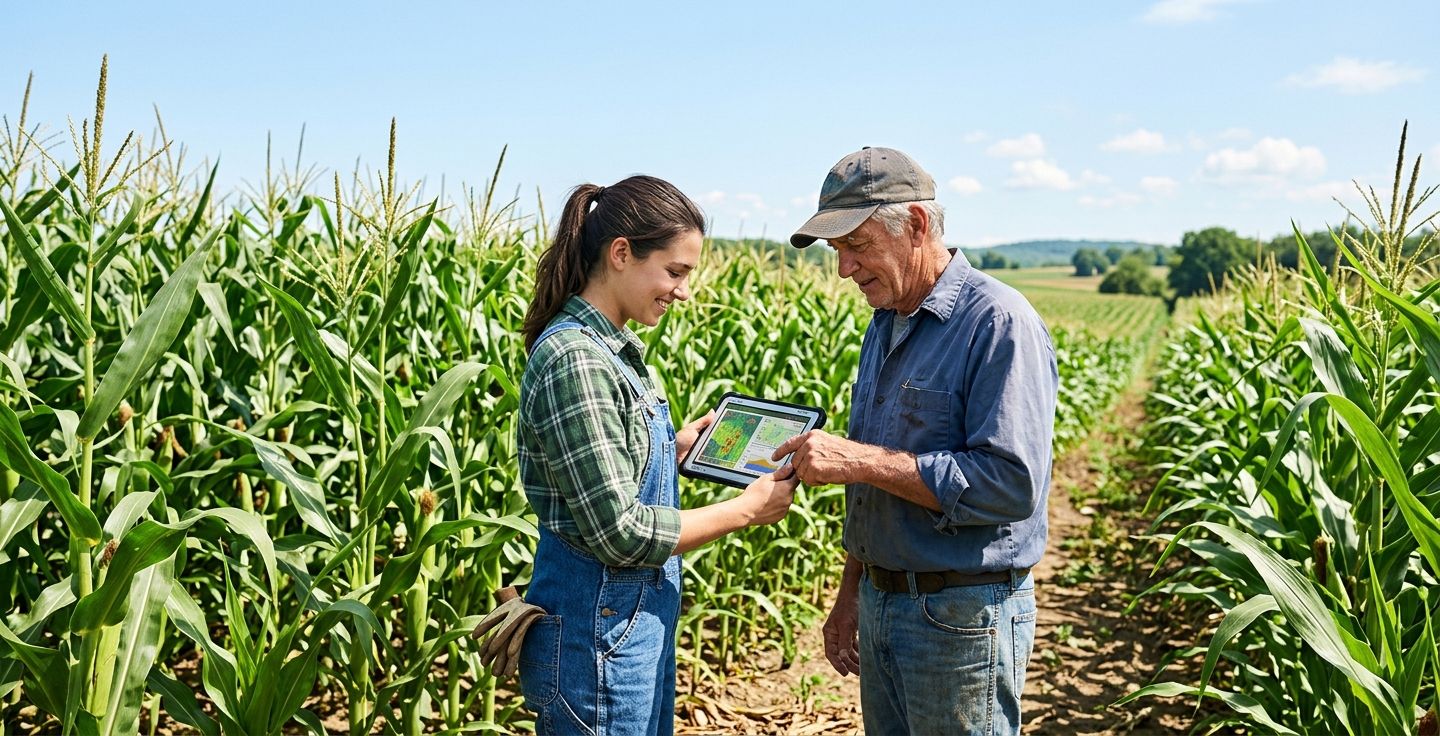
The Seeds We Plant Today
When I sit on my porch and watch my great-grandchildren play in the golden hour light, I feel a profound, overwhelming sense of hope. They are learning the old ways, just as I did. They know how to listen to the dry rustle of the cornstalks to tell if the crop needs water. They know how to respect an approaching thunderhead.
Yet, they are also doing things I never dreamed possible. They are flying advanced drones over the fields to check soil moisture levels. They are using global positioning satellites to plant seeds with incredible precision. They are merging our deep, historic traditions with brilliant new ideas.
The plains are not dying, my friends. They are constantly evolving. Our youth are finding innovative ways to conserve the precious water, protect the topsoil, and build modern businesses that connect our quiet rural towns to the rest of the globe. They are proud of where they come from. They are planting their own roots deep into this soil, ensuring that the legacy of the plains will continue for another hundred years.
Come Sit on the Porch
I encourage you to come and see it for yourself. Do not just fly over us on your way to somewhere else. Take a slow drive down a scenic two-lane highway. Stop at a local diner and order a slice of homemade cherry pie. Strike up a conversation with the farmer sitting at the counter. Watch how the massive sky changes into a hundred shades of purple and orange just before dusk. Take a deep, clearing breath of the sweet air right after a prairie thunderstorm rolls through. You will find a quiet, enduring strength here that might just heal a restless spirit. We have a chair waiting for you on the porch, and the coffee is always hot.
Questions You Might Have About Plains Life
How severe is the weather in the Great Plains?
The weather here commands deep respect. We experience hot summers, bitter cold winters, and fierce thunderstorms in the spring. Tornadoes are a reality we prepare for. However, tracking the seasons brings a beautiful rhythm to life. We learn to read the sky and take care of one another when severe storms hit.
Is it lonely living so far apart from neighbors?
It might look lonely on a map, but our connections are incredibly deep. We might live five miles away from the nearest house, but we know exactly who to call if a tractor breaks down. Physical distance simply makes our social bonds much stronger. Community gatherings keep us constantly connected.
What do people do for work in these rural areas?
Farming and ranching are the historic backbone of our region. But today, the job market is beautifully diverse. We have folks working in renewable energy, modern healthcare, and local education. Thanks to high-speed internet, many young people are running successful online businesses right from their farmhouses.
Are the small towns fading away completely?
Some towns have certainly grown smaller over the decades because agriculture requires fewer hands today. But fading away is not the right term. Towns are adapting. Many are seeing a true revival as families seek a quieter, safer place to raise their children away from the noise of the big cities.
What is the landscape really like?
Many people think it is completely flat and boring. That is a total myth. The landscape rolls and dips in subtle, breathtaking ways. From the tallgrass prairies to striking natural rock formations, the true beauty here is found in the details. The evening sunsets alone are worth the trip.