
Geography & the American Landscape
What It’s Like to Travel Across Alaska

The Call of the Last Frontier
I have lived in this great country my entire life. Over the decades, I have been blessed to see the sun rise over the Atlantic and set over the Pacific. I have walked through the golden wheat fields of the Midwest and hiked the ancient, rolling Appalachian trails. There is a deep comfort in the familiar landscapes of the lower forty eight. Yet, there is one place that stands entirely apart from the rest. It is our last great frontier. There is a certain quiet that settles into your bones when you cross into our forty ninth state. It is a stillness that you simply cannot find anywhere else. The air tastes cleaner. The horizons stretch further. It is a place that calls out to something deep and ancient inside of us.
Facing the Grand Scale
Many of us reach a point in life, usually after we cross our thirties, where we yearn for a genuine adventure. We spend our days commuting to offices, managing households, raising our beautiful families, and paying the bills. We build good lives. Then we look up at the calendar and realize the years are slipping by faster than we ever imagined. We hear the legends of the wild north and dream about making the journey. But then comes the hesitation. The map is overwhelmingly large. The logistics seem incredibly complex. The weather is notoriously unpredictable. How does an ordinary person even begin to tackle such an immense, wild land? It feels like trying to hold the ocean in a teacup.
The answer is simpler than you might think. You do not try to conquer it. You take it one quiet morning, one winding road, and one humble story at a time. You bring an open heart and a willingness to be very small in the presence of something incredibly grand. You let go of the rigid schedules and the urgent notifications. You simply let the landscape unfold before you.
By the Numbers
If you want to understand why this place captures the imagination, you have to look at the sheer reality of its geography. I have always been fascinated by the numbers, and they are truly staggering. According to the United States Geological Survey, this single state holds more than three million natural lakes. Let that sink in for a moment. Three million. Furthermore, the Alaska Department of Fish and Game notes that the state possesses more than thirty four thousand miles of tidal shoreline. That is more shoreline than the rest of the entire United States combined. When you look out over the water from the coast, you are looking at an edge of the continent that goes on practically forever. The United States Forest Service estimates that the region contains more than half of all the glaciers in the entire world. You could take the entire state of Texas, drop it inside the borders of this northern giant, and still have enough room to comfortably fit California right next to it. These numbers tell a story of a place where nature still rules supreme. It is a land that humbles you profoundly. And that is exactly why it is so incredibly good for the soul.
A History Etched in Ice
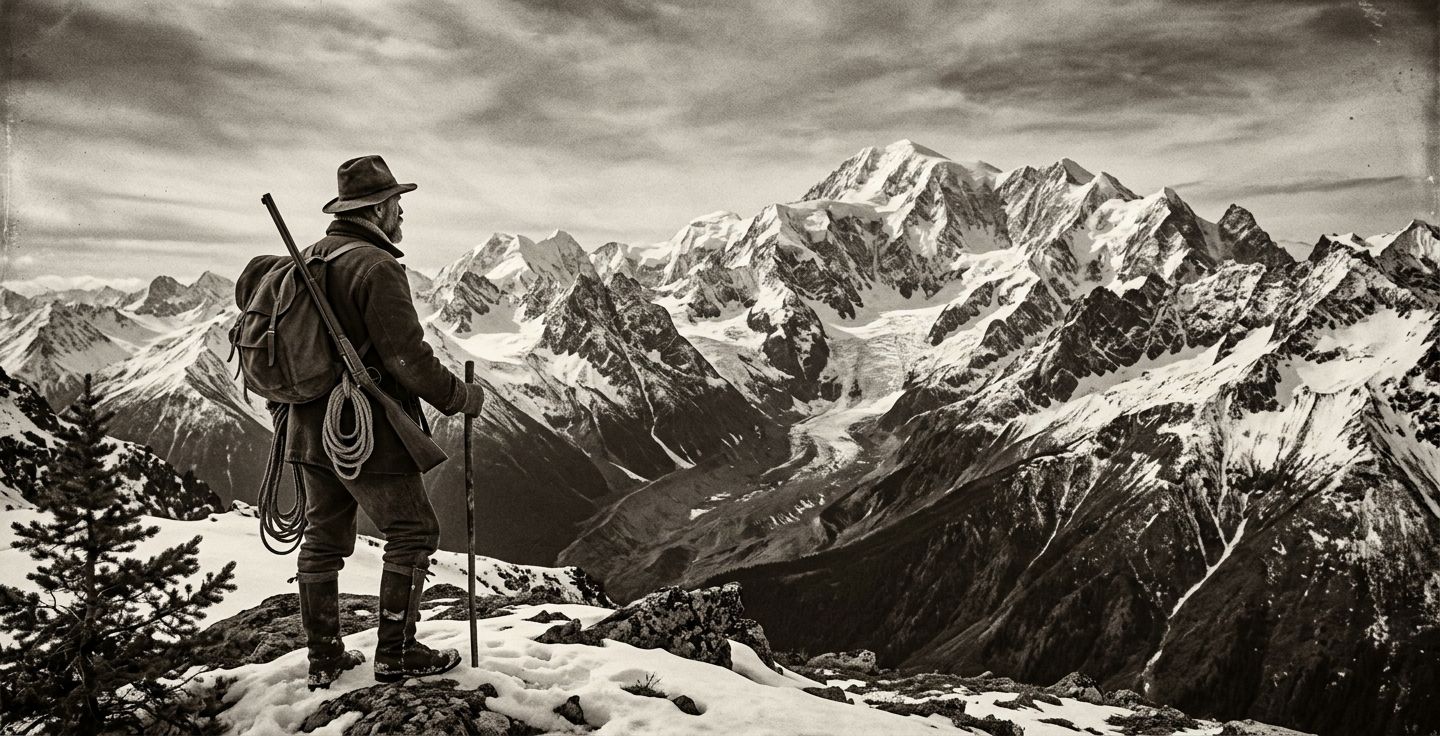
History here is not buried in dusty textbooks. It is etched into the very soil. Let me tell you a story about William H. Seward (1801-1872). Back in the late eighteen sixties, he was the Secretary of State. He negotiated the purchase of this massive territory from Russia for about two cents an acre. Congress debated it fiercely, with many politicians arguing that the nation was wasting its money on a barren wasteland. People sitting in comfortable parlors on the East Coast mocked him relentlessly. They called it a giant icebox. They simply lacked the imagination to see beyond their own backyards. Yet Seward persisted. He saw a land of boundless potential and striking beauty. That single act of foresight changed the destiny of our nation. Today, walking down a street in the coastal town of Seward, a beautiful community named in his honor, you can smell the rich salt air. You can hear the fishing boats bobbing gently in the harbor. You look up at the towering mountains plunging straight into the sea, and you realize just how wrong the critics were.
Giants of Rock and Sky
Eventually, your travels will lead you inland. You will absolutely want to visit Denali National Park. The park is vast, but the mountain itself is a massive cathedral of rock and ice. When the thick clouds finally part and you see that snowy peak dominating the horizon, it literally takes your breath away. It does not matter how many photographs you have seen. Standing there, feeling the crisp chill in the air, you understand why generations of Americans have traveled thousands of miles just to catch a glimpse of it. You might see a giant moose grazing quietly in the brush or a golden eagle circling high above. If you are brave enough to venture north in the colder months, the night sky dances with the Northern Lights. Ribbons of bright green and vibrant purple light weave silently through the absolute darkness. It is a peaceful, silent show that makes you feel incredibly lucky just to be alive to witness it.
Sailing the Silent Waters
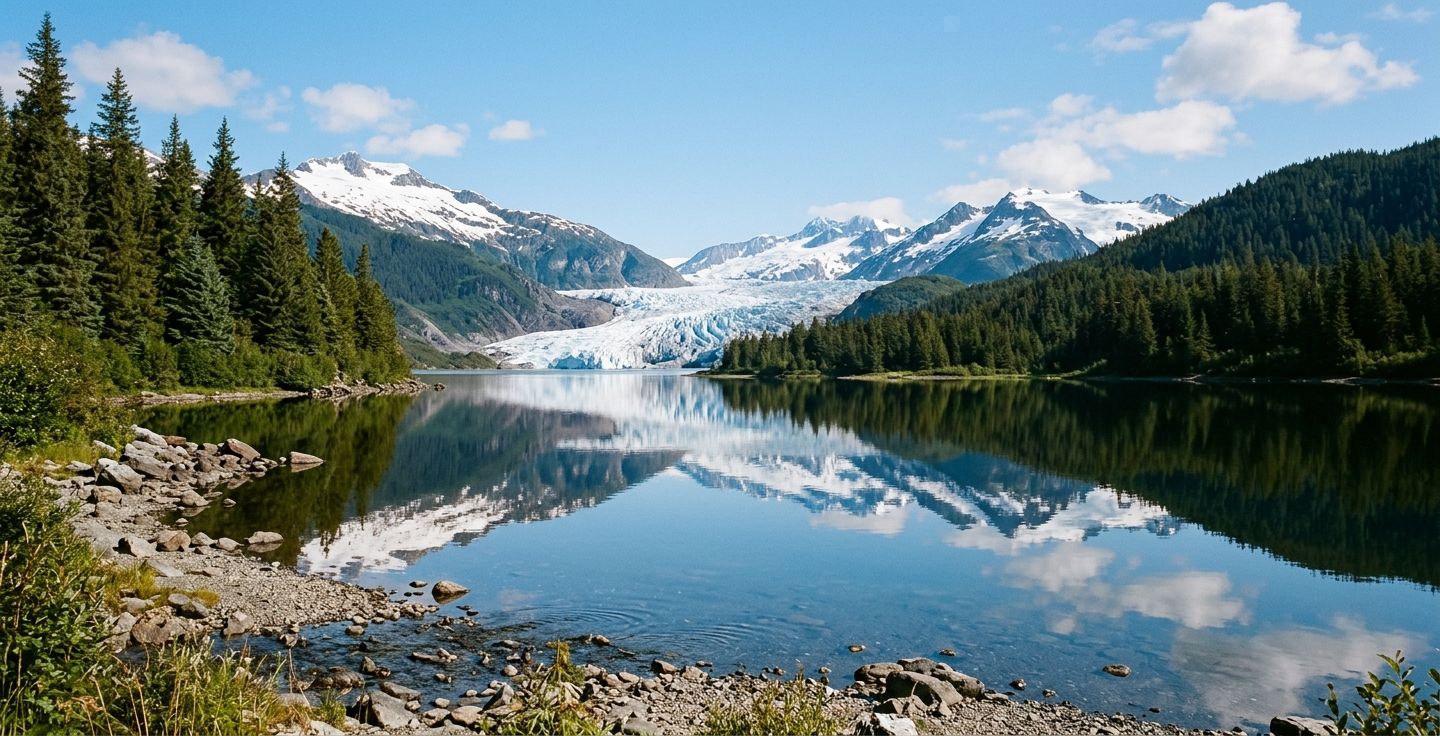
The magic of the coast is equally powerful. Taking a small ship or a local ferry through the Inside Passage is an experience you will carry with you for the rest of your days. You glide past ancient, towering glaciers that calve massive chunks of ice into the sea with a thunderous sound like a cannon shot. You might see a humpback whale breaching in the distance. It reminds you of the profound writings of John Muir (1838-1914). He sailed these very waters and wrote beautifully about the wildness of it all. Muir traveled these icy waters by canoe, often guided by local Native tribes who had understood the rhythms of this land for thousands of years. He observed the deep interconnectedness of all living things here. He knew that pure wilderness is a strict necessity for the human spirit. He knew we need these pristine places to play and to pray. Nature can heal and give strength to body and soul alike. Sitting on the deck of a boat, wrapped in a warm wool blanket, you feel his words come alive.
The Road Less Traveled
When you travel up the famous Alaska Highway, you can feel a distinct spirit of resilience. The road stretches endlessly through vast forests of spruce and birch. It was carved out of the dense wilderness during the second world war by thousands of ordinary, hardworking soldiers who achieved the impossible in less than a year. Every mile of that pavement holds the quiet echoes of their dedication. You can pull over, step out of your car, and just listen to the wind rustling through the trees. It connects you to a history of true determination. And the people you meet along these roads are cut from a different cloth. If you stop at a roadside diner just outside of Fairbanks or Anchorage, you will find a warmth that contrasts beautifully with the harsh winters. You walk in, and the smell of sizzling reindeer sausage and hot black coffee instantly welcomes you. The waitress treats you like a neighbor who just walked down the street, rather than a tourist from a thousand miles away. The locals look out for each other. If your car breaks down, three people will stop to help before you even have a chance to open your hood.
Time Standing Still
During the summer months, you will experience the wonderful phenomenon of the Midnight Sun. It is a strange and deeply beautiful thing. You can sit outside on a porch at eleven o’clock at night, reading a good book by the ambient light of the sky. The golden hour seems to last for hours. It gives you a feeling of endless time. You do not feel the usual rush of the ticking clock. You can take a long, peaceful walk at midnight and hear the birds still singing. It is a gentle reminder that we do not always have to live our lives by a rigid schedule.
Passing Down the Wonder
I am looking at my own children and my growing grandchildren now. I see the world they are inheriting. It is a very fast world. It is full of glowing screens, constant notifications, and endless, stressful demands. I want them to know the deep peace of a quiet forest. I want them to feel the genuine awe of standing beside a towering glacier. That is exactly why I strongly encourage you to make this journey. You are in the prime of your lives. You have the maturity and the wisdom to truly appreciate the profound silence. You have the strength to explore the rugged trails. Do not wait for the mythical perfect moment. The perfect moment is simply the one you decide to pack your bags and go. Take your family with you. Show your kids what a truly wild place looks like. Let them skip smooth stones in a freezing glacial stream. Pass down the appreciation for our magnificent natural wonders. They need this wildness, and frankly, so do we.
Common Questions Before You Go
If you are sitting there planning your trip right now, you probably have a lot of practical questions running through your mind. That is completely normal. Even the most seasoned travelers need to know what to expect when heading into the great unknown. Over the years, I have talked to countless folks who were preparing for their first northern adventure. Here are a few things that many people wonder about before packing their bags and heading north.