
American Lifestyle
The Quiet Joy Of Reading In The Park: Finding Solitude In American Public Green Spaces
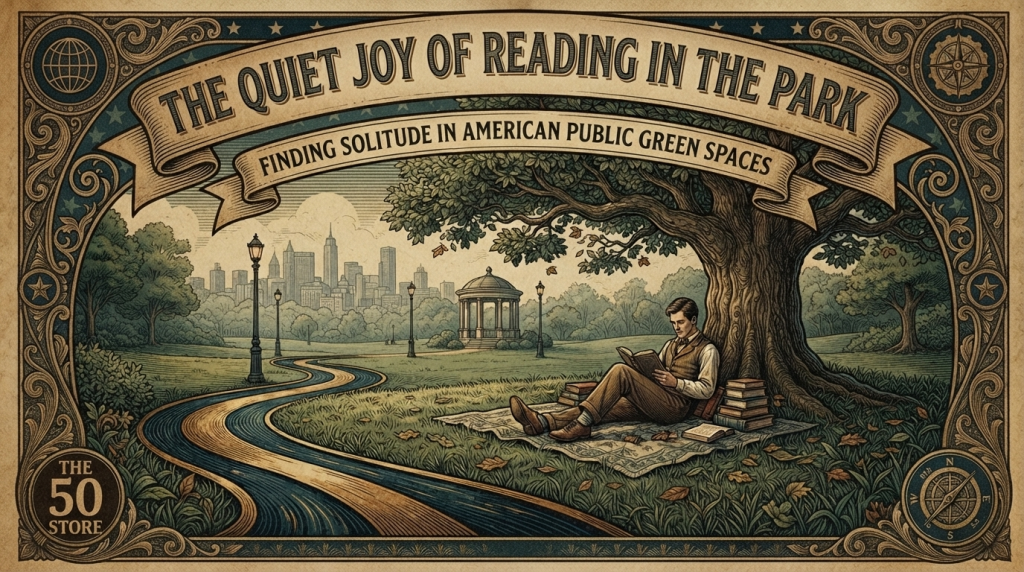
In the middle of bustling American cities and suburban communities, public parks offer a vital sanctuary of green and gold. Unrolling a picnic blanket and settling down to read in the park is one of life’s simplest yet most rewarding pleasures. It connects us to nature, to our community, and to the timeless human tradition of public leisure. As a folklorist who has spent years studying the rhythms of American life, I find immense joy in observing how these spaces continue to serve as quiet anchors in our fast-paced world.
There’s a gentle magic to watching a child chase a butterfly, feeling the sun filter through the leaves, and hearing the distant murmur of city life while lost in the pages of a beloved book. It’s a small act of rebellion against the digital clamor, a reclaiming of our time for simple, profound contentment. This isn’t just about reading; it’s about finding a moment of genuine *green space relaxation*, a chance to breathe deeply and reconnect with ourselves and the living world around us.
The Roots of Repose: America‘s Public Parks as Havens
The concept of public parks, as we know them today, didn’t just spring up overnight. It’s a rich part of our nation’s story, born from a desire to create democratic spaces for all citizens. In the mid-19th century, as cities grew dense and industrial, forward-thinking individuals recognized the urgent need for open, accessible green areas. The vision was to provide a counterbalance to urban life, offering places for healthful recreation, social interaction, and quiet contemplation.
A History of Healing and Horticulture
One of the earliest and most influential examples is New York City’s Central Park, designed by the brilliant landscape architects Frederick Law Olmsted and Calvert Vaux. Established in 1858, it was a pioneering effort, meticulously planned to offer a range of experiences, from grand promenades to secluded pathways. Olmsted famously believed that parks were ‘as important to the health of the city as lungs are to the body.’ This philosophy quickly spread, inspiring cities across the country to invest in their own *community green spaces*.
From the picturesque gardens of Boston to the sprawling expanses of Chicago, these early parks were meticulously crafted. They weren’t just patches of grass; they were designed ecosystems, intended to soothe the soul and invigorate the spirit. For many working-class families in the late 19th and early 20th centuries, a Sunday afternoon spent in the local park was a cherished ritual, a chance to escape cramped tenements and enjoy nature. My own grandmother, growing up in a bustling Ohio town, often spoke of Sunday picnics in the city park as her family’s greatest luxury, a time for stories and simple games under the shade of ancient oaks.
The Modern Relevance: Surprising Stats on Parks and Well-being
Even today, in our digital age, the importance of *public parks leisure* remains profound. Recent studies underscore what our ancestors intuitively knew:
- A 2018 study published in *Scientific Reports* found that spending at least 120 minutes a week in nature is associated with good health and higher psychological well-being. That’s just two hours, easily achieved with a few afternoons of *outdoor reading*!
- The National Recreation and Park Association (NRPA) reports that access to parks can reduce stress, improve mood, and even lower the risk of chronic diseases. For instance, a 2010 study published in *Preventive Medicine* indicated that individuals living in greener urban areas exhibit fewer signs of depression and anxiety.
- According to the U.S. Census Bureau, over 80% of Americans live in urban areas, making these easily accessible *city park reading spots* more critical than ever for maintaining a connection to the natural world.
These aren’t just numbers; they’re an affirmation of the quiet power held within our public green spaces. They remind us that the simple act of heading out to read in the park is a powerful tool for personal well-being and a cherished part of the American experience.
Crafting Your Perfect Park Picnic and Book Experience
So, you’re inspired to embrace this wonderful tradition? Excellent! Here’s a little guide, straight from my own experiences of countless afternoons spent with a book and a breeze, to help you make your next *park picnic and book* outing utterly delightful.
The Essentials: A Step-by-Step Checklist for Outdoor Reading
- **Choose Your Spot Wisely:** Look for shade if it’s sunny, a gentle slope if you enjoy reclining, and a spot away from high-traffic pathways for optimal quiet. Consider the time of day; early mornings or late afternoons often offer the most serene atmosphere.
- **The Perfect Perch (Your Blanket):** Invest in a good quality, durable picnic blanket. Look for one with a waterproof backing (often PVC or PEVA) to protect against damp grass. A soft, washable top layer is ideal for comfort. Sizes vary, but a 60×80 inch (150×200 cm) blanket offers ample space for one or two people and your belongings.
- **Nourishment for Body and Soul:**
- **Snacks:** Keep it simple and non-messy. Think individual portions of fruit (berries, grapes), cheese and crackers, homemade cookies, or a small thermos of iced tea or lemonade. Avoid anything that requires cutlery or risks attracting too many critters.
- **Hydration:** A reusable water bottle is a must. Staying hydrated ensures comfort, especially on warmer days.
- **Your Literary Companion:**
- **Physical Book:** My personal preference! The tangible feel, the turning of pages, and no battery worries. Consider a paperback for lightness.
- **E-reader:** A great option for carrying multiple books. Look for models with anti-glare screens for outdoor visibility.
- **Audiobook:** Perfect if you prefer to close your eyes and simply listen to the sounds of nature while absorbing a story. Don’t forget headphones!
- **Sun Protection:** A wide-brimmed hat, sunglasses, and a good sunscreen (SPF 30 or higher, applied 15-30 minutes before sun exposure) are crucial for enjoying your *reading outdoors* safely.
- **Comfort Boosters:** A small, soft pillow can make reclining much more comfortable. A lightweight tote bag for all your essentials keeps everything tidy.
- **Leave No Trace:** Always carry a small bag for any trash you might generate. Our parks are precious, and leaving them as beautiful as you found them is part of the tradition.
The Quiet Communion: Reading in Public Spaces
While reading is often seen as a solitary pursuit, doing it in a park fosters a surprisingly gentle sense of community connection. When you’re nestled under a tree, engrossed in a novel, you’re not entirely alone. You’re part of a larger tableau of people enjoying the same shared resource, each finding their own moments of joy. You might see a family playing catch, a couple strolling hand-in-hand, or a fellow solitary reader just a few benches away. There’s a silent understanding, a shared appreciation for the peace these spaces offer.
I’ve often found myself exchanging a knowing smile with another person lost in a book. There’s a camaraderie in this shared quietude, a subtle acknowledgment that we’re all seeking a little refuge from the modern clamor. This communal aspect of *reading in public spaces* is one of its most understated charms. It’s not about direct interaction, but about the comfort of being together, yet apart, in a beautiful setting. Many parks also host informal *park activities* like free yoga classes, music performances, or even outdoor book clubs, further strengthening these community ties.
America‘s Literary Landscapes: Iconic Reading Parks
Across America, countless parks beckon with their beauty and tranquility. While every local park holds its own special charm, some have truly become national treasures, perfect for a dedicated reading excursion. Here’s a look at a few of my favorites:
| Park Name | Location | Year Est. | Size (Acres) | Key Reading Spot(s) | Unique Feature for Readers |
|---|---|---|---|---|---|
| Central Park | New York, NY | 1858 | 843 | The Sheep Meadow, Conservatory Garden, Shakespeare Garden | Vast open lawns with stunning cityscapes, literary-themed gardens. |
| Golden Gate Park | San Francisco, CA | 1870 | 1,017 | Japanese Tea Garden, Stow Lake, National AIDS Memorial Grove | Diverse landscapes from lakes to cultural gardens, hidden benches. |
| Millennium Park | Chicago, IL | 2004 | 24.5 | Lurie Garden, Great Lawn (when not in use for events) | Modern urban park with striking art and architecture, surprisingly quiet corners. |
| Boston Common & Public Garden | Boston, MA | 1634 (Common), 1837 (Garden) | 50 (Common), 24 (Garden) | Benches facing the lagoon, shaded areas under historic trees | Deep historical significance, beautiful botanical displays, swan boats. |
These parks, whether centuries old or more contemporary, offer far more than just green space; they provide rich backdrops for quiet contemplation and literary exploration. Each visit can feel like stepping into a living story, a chance to connect with the generations who have sought solace and joy in these same hallowed grounds.
Beyond these famous landmarks, remember that every city, town, and rural community often boasts its own array of parks, from bustling community hubs to serene natural areas. Seek out your local favorites, discover a new bench, or simply throw a blanket down on a patch of inviting grass. The most important park for reading is often the one closest to your heart and home.
Embrace the Tradition: Find Your Park Moments
In a world that constantly pulls at our attention, the act of choosing to read in the park is a quiet, powerful declaration of self-care. It’s a way to slow down, to engage our imaginations, and to find that deep, satisfying *green space relaxation* that so many of us crave. It’s an American tradition worth preserving and celebrating, a simple pleasure that transcends generations and offers a slice of peace in our busy lives.
So, pack your favorite book, a little something to nibble on, and that trusty blanket. Head to your nearest patch of green. Let the rustle of leaves be your soundtrack, the warmth of the sun your companion, and the story in your hands transport you. You’ll not only nourish your mind and spirit but also connect, however subtly, to the rich tapestry of life unfolding around you. Happy reading, my friends, and may your park moments be filled with quiet joy.