
Icons & Symbols of America
Why Certain Places Become National Icons
Sweet American Summer Bomb Pop T Shirt
Wear your story with pride! Celebrate classic American values, history, and heritage with our premium crafted apparel, designed for comfort and durability.
The Quiet Corners That Capture Our Spirit
I have spent the better part of eight decades walking the streets, driving the country highways, and standing in the quiet shadows of this beautiful nation. I can still close my eyes and smell the sweet, damp earth of the Ohio Valley in the spring. I can still feel the dry, baking heat radiating off a Texas blacktop in the late summer. Over the years, I have gathered a lifetime of wonderful memories, but the ones that stand out the brightest are the moments spent standing before the great landmarks of our nation. There is a very specific feeling you get when you look up at something that represents entirely more than just stone, steel, or paved dirt. You feel as though you are standing in the presence of an enduring idea.
When you travel across the United States, you quickly realize how impossibly vast it is. We have mountain ranges that scrape the clouds and plains that stretch out like a golden ocean. We have old cobblestone streets in Boston that still seem to echo with the footsteps of early patriots, and we have dusty trails in the Southwest that tell stories of ancient peoples. Yet, out of all these millions of square miles, there are just a few specific spots that we all recognize instantly. They are the national icons that define our cultural landscape and bind us together.
Sweet American Summer Bomb Pop T Shirt
Wear your story with pride! Celebrate classic American values, history, and heritage with our premium crafted apparel, designed for comfort and durability.
Sweet American Summer Bomb Pop T Shirt
Wear your story with pride! Celebrate classic American values, history, and heritage with our premium crafted apparel, designed for comfort and durability.
A Surprising Look at What We Hold Dear
You might pause and wonder why this happens. Why do certain places capture our collective imagination while thousands of other historically significant spots remain quiet and unvisited? The numbers are truly surprising when you sit down and look at them from a broad perspective. According to the National Park Service, our country protects over four hundred and twenty distinct park sites. These incredible locations span more than eighty five million acres of sweeping landscapes and historic grounds.
Yet, in recent years, out of the nearly three hundred and twelve million recreation visits recorded annually, nearly twenty eight percent of all that foot traffic was concentrated in just the top six most visited parks. Think about that for a moment. Millions upon millions of Americans, and visitors from all around the world, are funneling themselves into a tiny handful of spaces. The Statue of Liberty alone sees over three million people every single year, with families crowding onto ferries just to stand at her feet. Why is there such a massive disparity in where we choose to go?
The Question of Meaning
This brings us to a fascinating question about our nature as Americans. What exactly happens to transform a simple piece of land, a copper shell, or a carved piece of rock into a sacred symbol of our identity? What elevates a standard building into one of our cherished cultural monuments? Why do these specific locations survive in our minds while others fade gently into the forgotten pages of history?
The Human Heartbeat Behind the Stone
The answer, I have come to believe after many years of reflection, has very little to do with the physical size or the expense of the monument. It has everything to do with the human heartbeat behind the stone. It is the small, highly personal stories that breathe life into these massive structures. When we connect with the quiet struggles and the grand dreams of the everyday individuals who built them, these locations cease to be just tourist attractions. They become permanent anchors for our shared history.
Let me tell you about a quiet studio and a pair of hard working hands.
When you walk up the wide marble steps of the Lincoln Memorial in Washington, D.C., you are immediately struck by the sheer scale of the building. The marble columns are massive, and the silent, heavy gaze of Abraham Lincoln seems to look right through you. But the deep magic of that space was not born in a sterile government committee. It was born in the quiet dedication of a sculptor named Daniel Chester French (1850-1931).
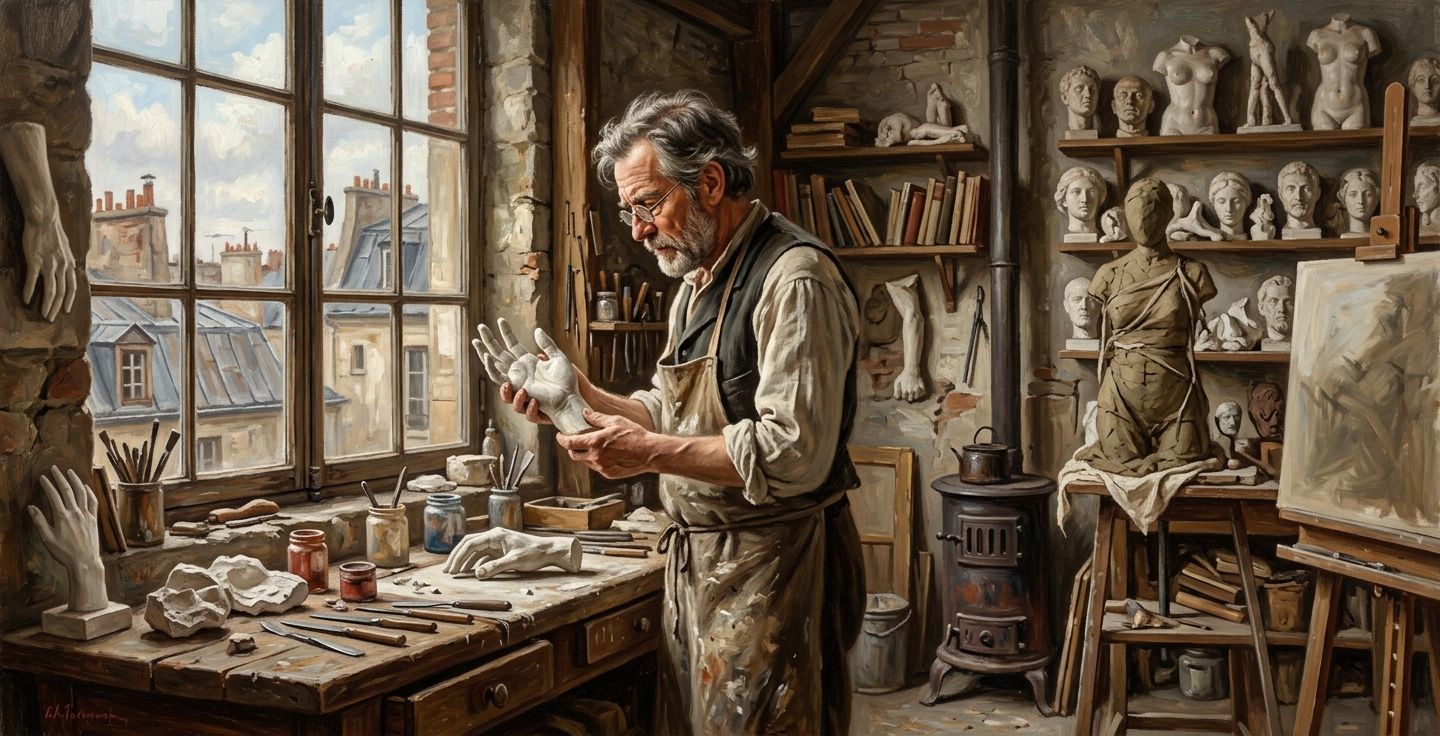
French was a man completely obsessed with capturing truth and emotion in his art. When he was commissioned to create the towering statue of our sixteenth president, he did not just want to carve a stiff, formal figure. He wanted to carve the heavy emotional burden of the Civil War. To do this, French retreated to his summer estate in Massachusetts and studied life casts of Lincoln’s actual hands. He spent countless hours looking at the way the knuckles bent, the way the long fingers rested naturally.
He was so dedicated that he built a special studio with railroad tracks so he could roll his large sculptures outside to see how they looked in the shifting natural light. Look closely at the statue the next time you visit. Lincoln’s left hand is clenched in a tight, determined fist, representing his iron will to keep the country together through its darkest days. His right hand is open, relaxed, and welcoming, symbolizing his deep compassion and his profound desire for a peaceful healing. It is that tiny, intensely human detail that makes the monument feel alive. When Marian Anderson stood on those very steps in 1939 and sang for freedom, she was singing to the ideals that French so carefully carved into those hands.
A Dinner Party That Built a Beacon
Then there is the incredible story of a dinner party that built a beacon of hope for the entire world. Most folks know the Statue of Liberty was a gift from France. But it did not start as an official government transaction between politicians. It started in the year 1865, near Versailles, at a quiet dinner hosted by Édouard René de Laboulaye (1811-1883).
The American Civil War had just ended, and President Lincoln had been tragically killed. Laboulaye was a brilliant legal scholar who deeply admired the United States Constitution. He wanted to inspire his own French countrymen to pursue liberty and democracy, moving away from their own history of harsh rulers. He spoke passionately to his dinner guests about creating a joint monument between the two nations.
One of the men sitting at that table was a young, highly ambitious sculptor named Frédéric Auguste Bartholdi (1834-1904). Bartholdi listened intently, and a grand vision sparked in his mind. He would later model the stern, determined face of the great statue after his own mother. But building Lady Liberty was a monumental struggle that took over two decades. The French people funded the statue itself through local lotteries and small donations.
When it came time to build the massive pedestal in America, the funds ran completely dry. It was not wealthy tycoons who saved the project. It was the pennies of schoolchildren, the dimes of local bakers, and the modest savings of everyday folks who answered a newspaper campaign to fund the base. When you take the ferry across the harbor today, you are looking at the combined hopes of millions of ordinary people. It stands as a towering piece of our American heritage.
The Ribbon of Asphalt That Connected Our Dreams
But please remember that not all our monuments are stationary buildings of stone and copper. Sometimes, they are simple ribbons of asphalt winding through the desert. Take Route 66, for example. This famous highway did not just magically appear to carry travelers from Chicago to Los Angeles. It was the bold vision of a man named Cyrus Avery (1871-1963).
Avery was a farmer, a dedicated teacher, and a businessman who realized that America was rapidly changing. The automobile was giving regular families a new kind of freedom, but the roads were terrible, muddy trails that often washed out in the rain. Avery tirelessly championed the creation of a continuous, paved highway that would connect rural farming towns directly to the big, bustling cities.
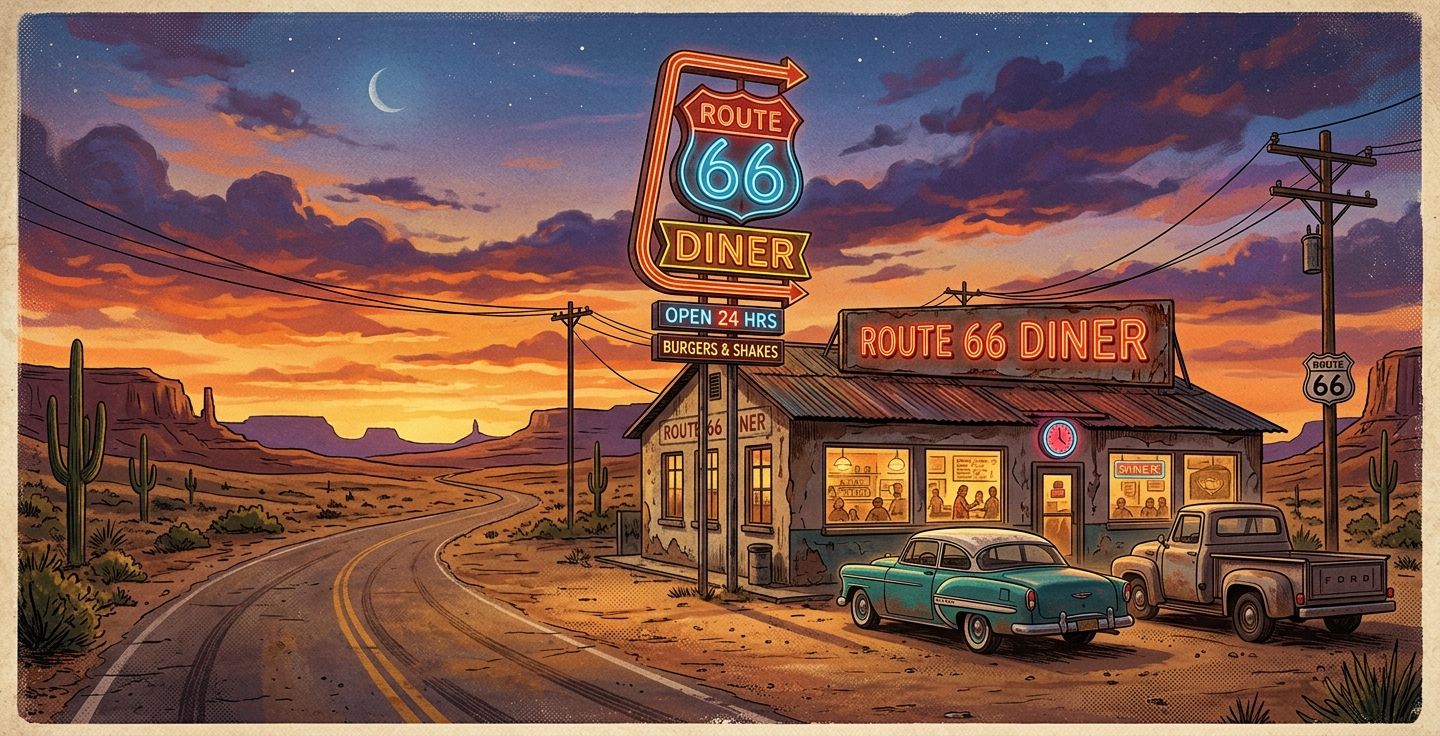
Think of a small place like Seligman, Arizona. Before the highway, towns like this were quiet, isolated dots on a map. When Route 66 rolled through, it brought busy diners, glowing neon signs, and endless streams of families packing their worldly goods into old cars to seek a better life out West. The road became a powerful symbol of American resilience during the heavy, dusty years of the Great Depression. It became a monument to forward motion and the unyielding belief that better days lay just over the horizon.
Woven Into Our Daily Lives
These beautiful stories are the invisible threads that tie us all together. They turn simple physical spaces into cherished historical landmarks. As we move forward into a new era, with fast paced technology and rapid daily changes, these places remain incredibly vital. They are quiet sanctuaries where we can step back, take a deep breath, and remember exactly who we are and where we came from.
I want to encourage you to go out and find these places. Take your children, take your grandchildren, and walk these grounds. Do not just take a quick photograph and leave. Stand there. Run your hands over the warm stone. Tell the younger generation the stories of Daniel Chester French, of Édouard de Laboulaye, and of Cyrus Avery. Tell them about the everyday people who mixed the mortar, laid the bricks, and saved their hard earned pennies.
We have a beautiful, profound responsibility to keep these narratives alive. I look at the younger generations today, and I am filled with so much hope. You are smart, capable, and wonderfully ready to build your own legacy. By sharing these rich micro-histories, we give you a solid, loving foundation to stand upon as you build the America of tomorrow.
Questions You Might Have
What is the oldest national monument in our country?
The very first national monument designated in the United States is Devils Tower in Wyoming. It was proudly established by President Theodore Roosevelt in 1906 under the newly created Antiquities Act. It stands as a beautiful, towering reminder of our early national efforts to protect the sacred natural wonders of this land.
How can everyday citizens help preserve these historic places?
You can make a tremendous difference simply by visiting these sites and paying the entry fees, which go directly to maintenance. Beyond that, volunteering your time with local historical societies or the National Park Service is a wonderful way to give back. Even simply sharing the stories of these places with your friends and children helps keep their historical importance alive in our culture.
Do places have to be extremely old to become national icons?
Not at all. While many of our most famous landmarks are centuries old, newer sites can become iconic very quickly if they hold deep emotional resonance for the country. Places connected to the Civil Rights Movement or the space race have rapidly become cherished landmarks because they represent pivotal, defining moments in our modern American journey.
Final Thoughts to Take With You
As we reach the end of our journey today, I want you to remember a few key things about the places we hold dear:
- National landmarks are defined by the human stories behind them, not just their physical size.
- It is the passion of individuals like Daniel Chester French and Cyrus Avery that breathes life into stone and steel.
- Everyday citizens, like the schoolchildren who funded the Statue of Liberty pedestal, are the true builders of our heritage.
- We must actively visit and share the stories of these locations to keep their spirit alive for the next generation.
The next time you find yourself standing in the shadow of a great monument, or driving down a long stretch of historic highway, I want you to ask yourself: What story will you help write for the generations that follow us, and what new places will they hold sacred a hundred years from now?