
Geography & the American Landscape
The Appalachian Trail and the American Search for Solitude
Red White Brewed Eagle Beer T Shirt
Wear your story with pride! Celebrate classic American values, history, and heritage with our premium crafted apparel, designed for comfort and durability.
The Disappearing Quiet
I remember a time when the nights were truly silent. You could sit out on a front porch after the supper dishes were washed and hear nothing but the crickets calling to one another in the tall grass. There was a profound stillness in the air that settled deep into your bones and rested your mind. We knew our neighbors by their first names. We knew the names of the oak and maple trees in our backyards. The world moved at a comfortable walking pace. It was a gentle rhythm that gave a person time to think.

Red White Brewed Eagle Beer T Shirt
Wear your story with pride! Celebrate classic American values, history, and heritage with our premium crafted apparel, designed for comfort and durability.
Red White Brewed Eagle Beer T Shirt
Wear your story with pride! Celebrate classic American values, history, and heritage with our premium crafted apparel, designed for comfort and durability.
The Noise of the Modern World
Things changed quickly. We built wide highways that cut straight through the ancient forests. We put motors on everything we could find. We found ways to communicate faster and faster. I am certainly not complaining about modern progress. I deeply appreciate a warm house in the bitter winter and a reliable car that starts on a chilly morning. But somewhere along the way, we traded our empty open spaces for a constant stream of noise.
Today, people carry tiny glowing screens in their pockets everywhere they go. Those screens buzz and ring every single minute of the day. For folks over thirty, men and women who still clearly remember the world before the internet took over, this rapid transition has been incredibly jarring. You spend your long days juggling demanding careers, paying heavy mortgages, and looking after your growing families or aging parents. The modern world expects you to be available at every single second. It is thoroughly exhausting. We gained a million new ways to connect with people far away, but we lost our quiet moments. We lost the sacred places where our busy minds could finally rest.
The Search for Silence
Where do we go when the modern world becomes too heavy to carry? How do we find our way back to our true selves when every waking minute is filled with digital chatter and endless obligations?
A Path in the Woods
We look to the woods. We actively seek out solitude. For a full century, Americans have found their sanctuary on a long dirt path stretching across the eastern mountains known as the Appalachian Trail.
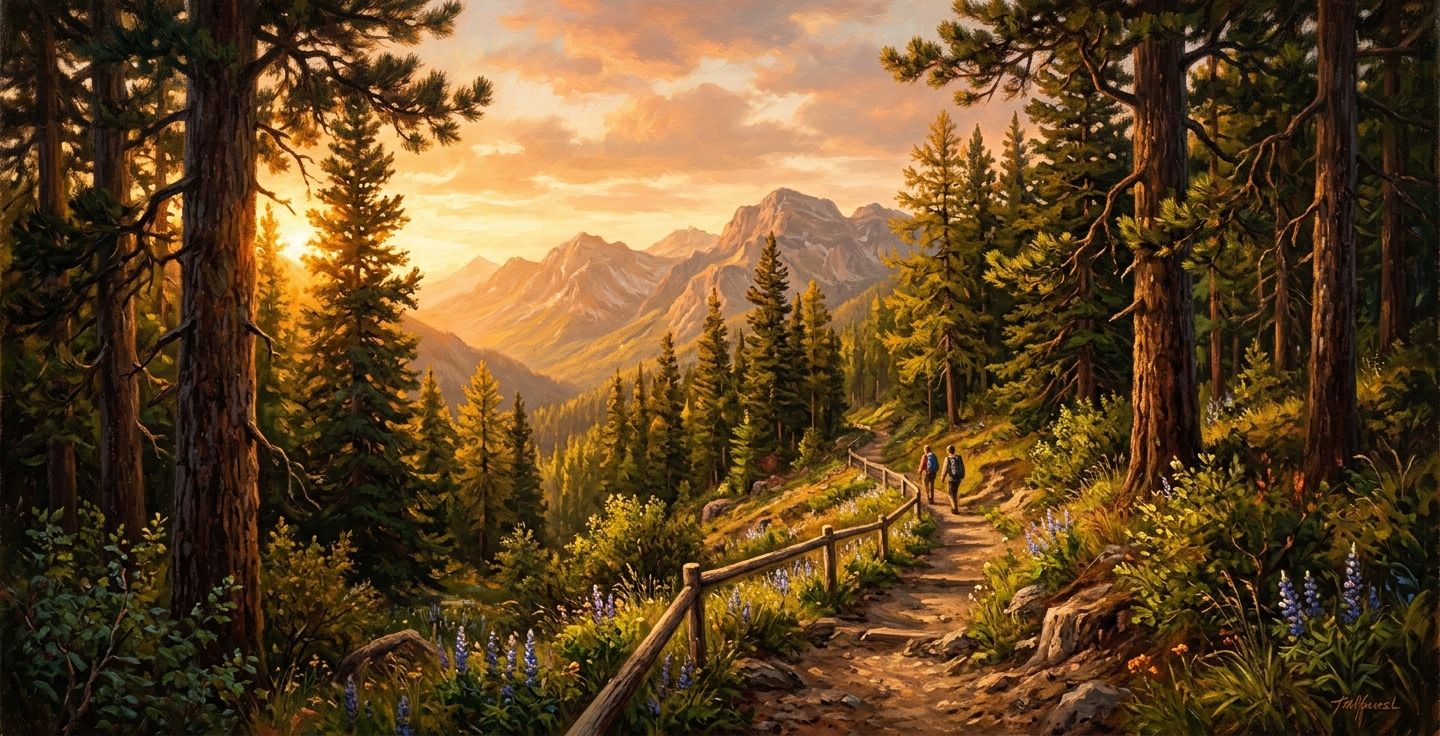
This remarkable path did not just appear by pure accident. It started with a bold idea from a visionary man who saw the noise coming. Let us look at a forester named Benton MacKaye (1879 – 1975). In the early nineteen twenties, he watched the industrial cities growing larger, louder, and dirtier. He worried that ordinary people were losing their vital connection to the natural earth. He did not just sit in an armchair and complain about the changing times. He drafted a brilliant plan. He proposed a continuous wilderness path stretching along the high ridge crests of the Appalachian mountains. He wanted to build a utopian retreat from the heavy industrial machine. He gave us a monumental gift that has only grown more valuable with the passing decades.
Surprising Truths About Our Trail
You might think that hiking a rugged mountain trail is a rare niche hobby meant only for athletes. The actual numbers tell a very different and fascinating story. According to the Appalachian Trail Conservancy, more than three million people set foot on this trail every single year. Three million. That is a massive number of everyday souls seeking a temporary refuge. Why are so many normal people heading into the thick trees?
The Environmental Protection Agency reports that the average American now spends about ninety percent of their entire life indoors. Ninety percent is a heavy burden on the human spirit. Furthermore, extensive studies published by the American Psychological Association show that over half of all adults feel constantly overwhelmed by modern technology. These surprising statistics clearly explain our national craving. We are absolutely starved for fresh air. We are desperate for the healing power of the wilderness. The trail serves as a vital escape valve for ordinary folks who just need to breathe.
Walking Through History
The trail itself is made of ordinary dirt and common rock, but its foundation is built entirely on beautiful human stories. Consider the deeply moving journey of Earl Shaffer (1918 – 2002). After surviving the brutal campaigns of the Second World War, he came home to America with a very heavy heart. The terrible war had taken his closest friends and left him with dark, painful memories. In nineteen forty eight, he decided he was going to walk the entire length of the trail just to clear his head. He became the first recorded person to hike it end to end in a single continuous season. He famously called his journey walking off the war. The daily physical exertion gave his troubled mind a healthy outlet. The tall ancient trees gave him reliable shelter. That long quiet journey gave him his life back.
A few short years later, a resilient mother and grandmother named Emma Gatewood (1887 – 1973) made her own historic journey. Folks fondly called her Grandma Gatewood. She had survived a very difficult and physically abusive marriage back in Ohio. One ordinary day, at the impressive age of sixty seven, she simply told her grown children she was going for a walk. She wore simple canvas sneakers on her feet. She carried a handmade denim sack slung over her shoulder instead of buying a fancy heavy backpack. She walked over two thousand miles completely by herself. She slept on soft beds of fallen leaves and ate cold Vienna sausages. When curious reporters asked her why she did it, she simply said she just wanted to see what was over the next big hill. She ultimately found her peace in the steady rhythm of placing one foot carefully in front of the other.
The Heart of the Journey
These incredible micro histories remind us that the trail is a proven place for deep personal healing. You can still see this magic happening today if you visit the historic town of Harpers Ferry in West Virginia. It serves as the spiritual and psychological midpoint of the long trail. The Shenandoah and Potomac rivers meet right there at the beautiful rocky edge of town. If you sit quietly on a wooden bench by the old brick buildings, you will see the modern thru hikers walk right down the cobblestone streets. They are physically tired. Their sturdy boots are worn down to the soles. But their dirty faces are entirely relaxed. They carry a profound sense of inner calm that you simply cannot find in a busy corporate office building.
From the tough grueling climbs starting at Springer Mountain in Georgia all the way up to the dramatic windswept peaks of Mount Katahdin in Maine, this continuous path stands as a living testament to our deep biological need for unfiltered nature.
A Hopeful Horizon
I often hear people my age complaining and worrying about the younger generations. They claim the youth are permanently glued to their glowing screens. They argue that the old traditional ways are completely dying out. I do not believe that pessimistic talk for a single second. When I look out at the trail today, I see thousands of bright young men and women carrying heavy packs up steep mountains. I see them enthusiastically organizing volunteer trail cleanups and fiercely protecting the fragile water sources.
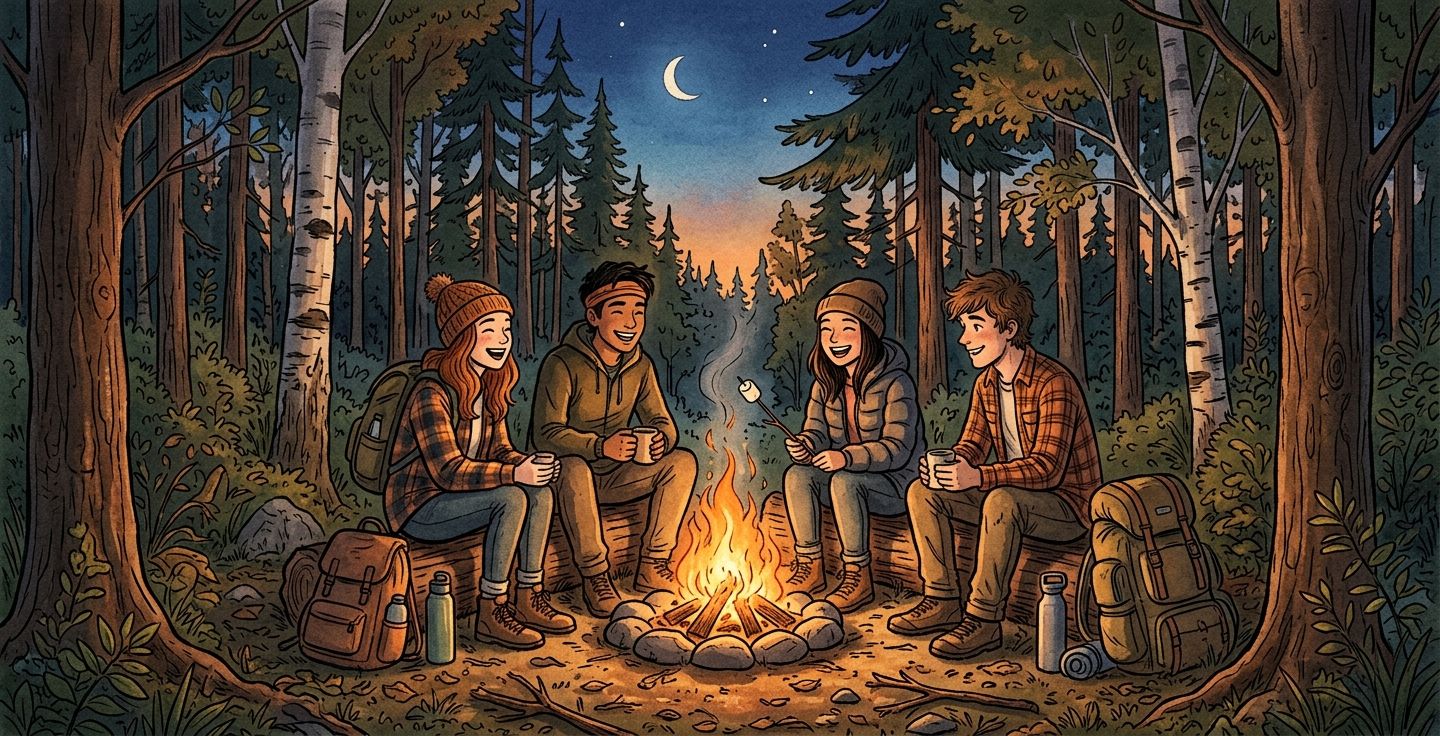
They know perfectly well that the digital world is a heavy burden on their mental health. They are actively choosing to step away from the endless notifications. I watch them sit around warm campfires and talk to each other face to face without any distractions. They listen closely to the owls hunting in the dark woods. They give me tremendous hope for tomorrow. The future of our country is in very good capable hands. They understand the immense value of the quiet places just as much as my generation did.
Step Outside
You absolutely do not need to quit your steady job and walk for six full months to find this mental clarity. You do not need to buy expensive leather boots or fancy lightweight hiking gear. The greatest beauty of walking is that it remains completely free and easily available to almost everyone. If you are feeling the crushing weight of the modern world on your tired shoulders today, I strongly encourage you to just step outside your front door. Find a local state park or a quiet patch of county woods. Turn your cell phone completely off. Walk slowly until the loud sound of the highway traffic finally fades away. Listen to the wind moving gently through the high green canopy.
Common Questions From the Trail
Over the many years, curious folks have asked me numerous questions about the trail and what it truly takes to walk it. I have collected a few of the most common inquiries right here.
How long does it take to hike the entire Appalachian Trail?
Can I hike small sections of the trail if I only have a weekend?
Is the trail safe for older beginners?
Looking Back and Moving Forward
The vast American landscape has changed drastically over the last busy century. We have paved over many of our beautiful open spaces in the name of rapid progress. Yet, the deep human need for a quiet safe sanctuary remains far stronger than ever before. The trail offers every single one of us a precious chance to disconnect from our overwhelming modern lives and reconnect with the solid earth beneath our feet. It is a long green ribbon of enduring hope that runs straight through the heart of our great country. It stands as a permanent reminder that true peace is always waiting for us just beyond the edge of town.
I leave you with this one thought to ponder today. If you had one completely free weekend to unplug from every single device and walk deep into the quiet woods, what heavy burdens would you gladly leave behind on the trail?