
Culture & Traditions
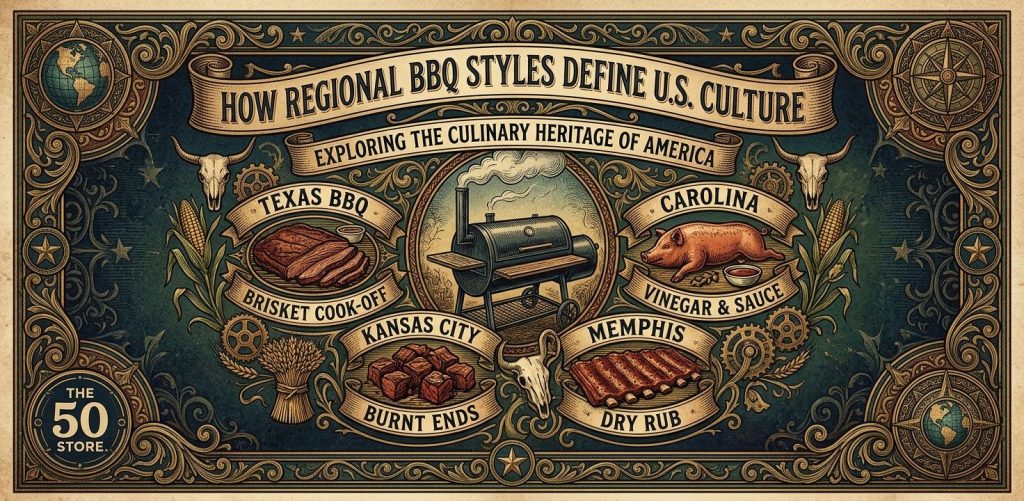
How Regional BBQ Styles Define U.S. Culture
There is a very particular smell that catches the evening breeze on a late summer afternoon. It is the distinct, heavy aroma of hickory wood burning down to soft, glowing coals. When you smell that sweet smoke in the air, you know your neighbors are gathering. You know that lawn chairs are being unfolded, iced tea is being poured, and stories are about to be told. That smoke drifts freely across wooden fences and down long country roads. It binds us together. I have spent my entire life watching families laugh, bicker, and bond over a simple plate of ribs or a thick slice of beef brisket. It is a beautiful, timeless piece of our shared heritage. You can travel from coast to coast, and while the buildings change and the accents shift, the desire to stand around a warm fire with loved ones remains exactly the same.
But here is where our shared pastime gets wonderfully complicated. Barbecue is not just one uniform thing. If you drive across this great nation, the very definition of a proper cookout changes entirely from state to state. It is a subject of fierce, loving debate.
According to recent studies by the Hearth, Patio and Barbecue Association, seven in ten adults in this country own a grill or a smoker. What truly amazed me when I read their findings is that over sixty percent of those owners now cook outdoors year round. It is no longer just an activity saved for the Fourth of July. We are dedicating our weekends to this craft, investing in heavy steel smokers, bags of fruitwood chunks, and specialized tools. Nearly a third of all grill owners specifically use slow smokers to prepare their meals.
Yet, with all this shared passion and incredible popularity, we absolutely cannot agree on a single, unified recipe. A family raised in the deep South will firmly reject the thick, sweet tomato sauce loved by a family in the Midwest. A purist from the plains will tell you that putting sauce on meat is an insult to the butcher. The traditions are fiercely guarded, passed down like precious family heirlooms.
This brings up a fascinating question. Why do we argue so much about what makes true and authentic barbecue? Why is the preparation of smoked meats so drastically different everywhere you go, and what do these stark differences tell us about who we are as a people?
The answer lies tucked away in the micro-histories of our local towns. These regional cooking methods are not just recipes. They are delicious, edible chapters in a grand national story. Every paper plate loaded with meat and side dishes tells you exactly who settled that specific piece of land, what hardships they faced, and what resources they had to work with. Let us take a slow walk through the map to see how our regional BBQ styles define us.
Grill Chill And Freedom BBQ T Shirt
Wear your story with pride! Celebrate classic American values, history, and heritage with our premium crafted apparel, designed for comfort and durability.
The Brisket Belt of Central Texas
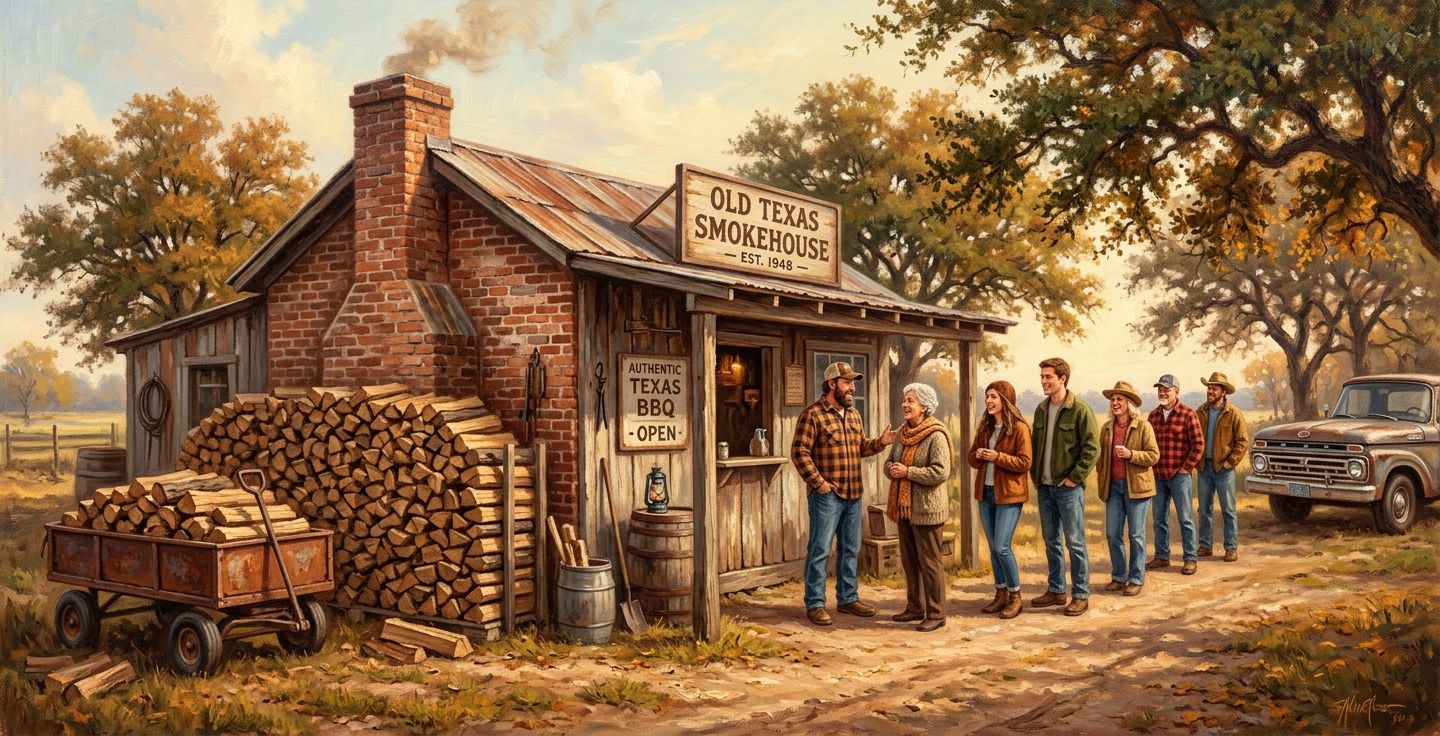
Let us travel down to Lockhart, Texas. If you visit today, you will likely see a long line of hungry folks waiting patiently outside a massive brick building. The air is so thick with post oak smoke that you can almost taste it. Over a century ago, this region was settled by hardworking German and Czech immigrants. They brought their old world butcher shop traditions with them across the ocean.
Back then, they did not have the luxury of electric refrigeration. To keep their leftover cuts of meat from spoiling in the blistering, unforgiving heat of the Texas summer, they turned to the smokehouse. Beef was incredibly plentiful because cattle ranching was the dominant local trade. The butchers would take the tougher cuts, rub them with coarse salt and cracked black pepper, and smoke them low and slow for hours. This was pure survival turned into a culinary art form. It birthed the tender, crusty beef brisket we revere today. They served it on simple sheets of butcher paper with no forks and no sweet sauces. It is a beautiful reminder that necessity often breeds our greatest comforts.

Grill Chill And Freedom BBQ T Shirt
Wear your story with pride! Celebrate classic American values, history, and heritage with our premium crafted apparel, designed for comfort and durability.
Grill Chill And Freedom BBQ T Shirt
Wear your story with pride! Celebrate classic American values, history, and heritage with our premium crafted apparel, designed for comfort and durability.
Kansas City and the Crossroads of Flavor
If Texas is a story about beef, Kansas City is a story about the great American melting pot. Because of its central location, every major road, river, and railway seemed to cross through Missouri. The city absorbed a little bit of everything. Whenever I think about this city, I think about Henry Perry (1875-1940).
History remembers him as the undeniable father of Kansas City barbecue. Back in the early twentieth century, he started selling wrapped portions of smoked food from a modest old trolley barn in the city center. He served absolutely everyone. Hard hat workers, sharp suited lawyers, and weary train travelers all stood shoulder to shoulder in the street for a taste of his cooking. He took the deep south pork traditions and blended them with the western love for beef. Then, he bathed it all in a rich, peppery sauce. During the Great Depression, he was known to give away free meals to the hungry. That little trolley barn sparked a massive cultural movement. It shows us how a single person can feed a neighborhood and eventually define the identity of an entire city.
The Carolinas and the Whole Hog
Over in the Carolinas, patience is the ultimate secret ingredient. The focus here shifts heavily to pork. Early European settlers relied on pigs because they were relatively easy to raise in the dense woods of the eastern seaboard. However, it was enslaved African Americans who were the true pioneers and masters of this slow cooking method.
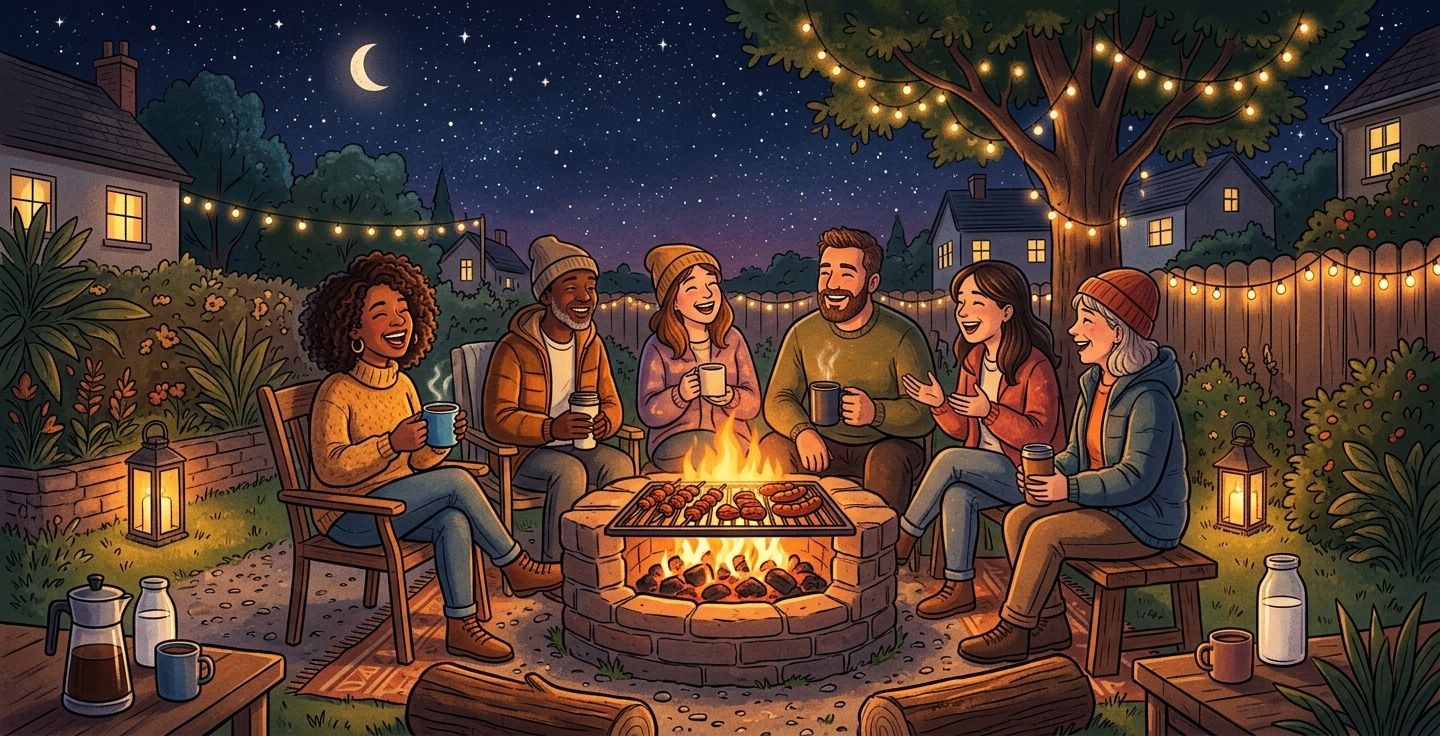
They dug deep trenches in the earth, filled them with glowing hardwood coals, and roasted whole hogs through the dark of the night. It was an exhausting, physically demanding process that required immense skill. The pitmasters would mop the meat with a sharp, peppery vinegar mixture to cut through the rich fat of the pork. This process required a whole community to pull off successfully. Today, when I see young folks staying up all night tending a backyard smoker, sharing a thermos of hot coffee, I see that exact same spirit of fellowship. They are keeping a deeply important fire alive.
Memphis and the River Trade
We cannot talk about American culture without taking a trip to Memphis, Tennessee. Nestled right on the banks of the Mississippi River, Memphis was a bustling hub for the cotton trade and riverboat transport. People came from all over the South to trade goods, and they needed cheap, hearty food to keep them going.
Memphis became famous for its pork ribs. Unlike the heavy sauces of Kansas City or the vinegar mops of Carolina, Memphis pitmasters perfected the dry rub. They coated their ribs in a complex mixture of paprika, garlic, oregano, and brown sugar. The spices would form a gorgeous, flavorful crust in the smoker. The aroma floating down Beale Street was said to be completely irresistible. It is a testament to the spice trade that flowed up and down the mighty river, bringing exotic flavors right to the heartland.
Alabama and a Stroke of Genius
Finally, there is a very special pocket of the South that decided to do things entirely differently. Down in northern Alabama, chicken is the star of the show. We have to tip our hats to Big Bob Gibson (1895-1972).
In the nineteen twenties, he was hosting weekend backyard cookouts in Decatur. He had a problem. Chickens would easily dry out during the long smoking process. To solve this, he invented a tangy, mayonnaise based white sauce. He would dip the hot, smoked chickens directly into the cool white sauce, creating a rich, protective barrier that kept the meat incredibly juicy. It sounds completely unusual to outsiders, but one bite will instantly make you a believer. It proves that innovation can happen anywhere, even in a small backyard beside a set of railroad tracks.
Passing the Tongs to the Next Generation
These beautiful culinary traditions are much more than a collection of recipes. They are the living, breathing history of our neighborhoods. Every region possesses its own distinct voice. Every generation of cooks adds a brand new verse to the song.
As you learn about these different places, I want you to think about the hardworking hands that built them. I encourage you to go out and try a brand new style this weekend. Buy a tough cut of meat. Invite your neighbors over to your yard. Do not worry for a single second if your fire burns a little too hot the first time, or if your food is a little too salty. The real beauty of this tradition is found in the gathering itself.
I look at the young men and women experimenting with their grills today, and it fills my heart with genuine hope. They respect the old, hard ways of their grandparents, but they are completely unafraid to add their own modern twists with global spices and new techniques. Our beloved traditions are incredibly safe in their hands. The future of outdoor cooking is remarkably bright.
Frequently Asked Questions About American Barbecue
What is the main difference between grilling and barbecue?
Which region has the best barbecue in the entire country?
The Fire That Unites Us
To sum it all up nicely, the incredibly varied styles of outdoor cooking across our nation are a direct reflection of our ancestors. From the resourceful Czech butchers in central Texas to the brilliant, hardworking pitmasters of Kansas City and the Carolinas, we have inherited a tremendously rich, flavorful legacy. These distinct regional profiles do not divide us. Instead, they give us endless, wonderful reasons to visit one another. They offer us a welcoming seat at each others tables.
The very next time you take a bite into a smoky, tender piece of meat, I want you to pause and think about the long journey it took to reach your plate. Whose unique history are you tasting today, and what brand new traditions will you start in your own backyard to pass down to your children?