
Culture & Traditions
Scream In The Sun: The Rise Of The American Summer Slasher Movie Genre
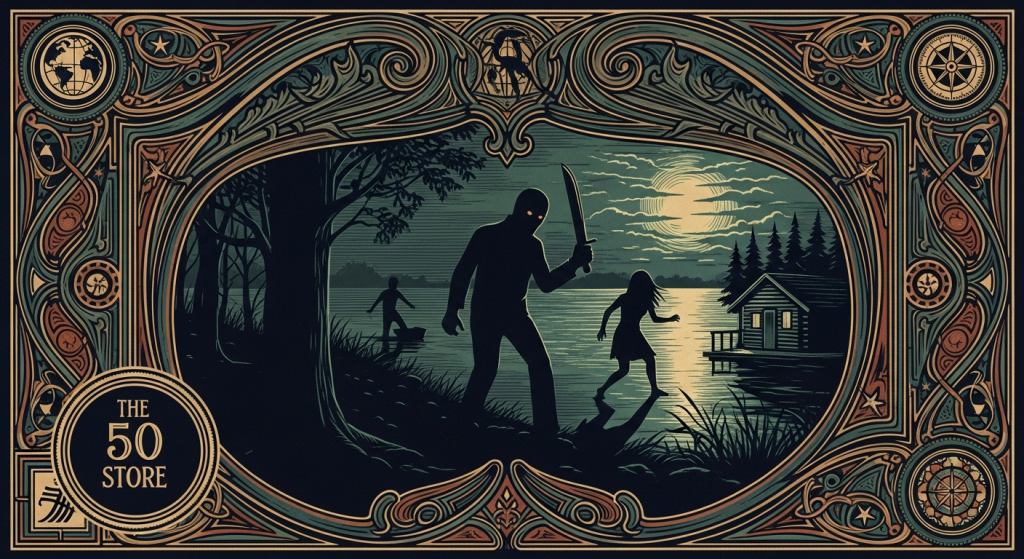
When we think of classic American horror movies, our minds often drift to crisp autumn nights, perhaps a lone house shrouded in fog, or the rustle of dry leaves underfoot. It’s a familiar, almost comforting image of terror. But then, a funny thing happens. Some of the most iconic, scream-inducing classics in our cinematic history took place not in the shadows of fall, but under the blistering, relentless glare of the summer sun. From secluded lakeside camps to idyllic seaside towns, summer, with all its promise of freedom and fun, has paradoxically served as the perfect, most unsettling backdrop for American cinematic terror. It’s a contradiction, a subversion of expectation, that has given rise to an enduring genre: the summer slasher movie. Let’s take a deep dive into how these unique stories became such a cornerstone of American pop culture, a true reflection of our shared dreams and deepest fears.
The Allure of the Summer Slasher: Why We Keep Coming Back
It’s an interesting thought, isn’t it? The season of barbecues, beach trips, and carefree adventures often ends up being the very setting for pure, unadulterated fear on screen. But why? What is it about these slasher summer movies that has etched them so deeply into our collective imagination? Part of it, I believe, lies in the sheer audacity of it all. Summer is supposed to be safe. It’s when we let our guard down, when we’re most vulnerable in our pursuit of joy. To inject terror into that vulnerability creates a potent cocktail of dread.
And boy, did it resonate. The numbers tell a compelling story. Take, for instance, 1980’s Friday the 13th. Made on a shoestring budget of roughly $550,000, it went on to gross nearly $40 million domestically. That’s an astonishing return on investment, folks, a testament to how eager audiences were to embrace this new flavor of fear. This wasn’t an anomaly; the horror genre, particularly the slasher subgenre, consistently demonstrated some of the highest ROIs in Hollywood throughout the 1980s. These weren’t just niche films for gorehounds; they were often top earners for their respective studios, shaping our view of cinema and influencing popular culture deeply. They became an unlikely, yet powerful, part of American history, reflecting anxieties and offering a cathartic release, all wrapped up in a package of summer camp nightmares.
The Birth of a Blood-Soaked Tradition: From Beach Blankets to Bloodied Cabins
While the slasher genre often brings to mind masked villains and teenagers, the seeds of summer terror were sown earlier, with a different kind of monster.
Jaws: The Watery Precursor
Before any masked killer ever stalked a summer camp, a colossal great white shark terrified beachgoers in 1975’s Jaws. This wasn’t a slasher in the traditional sense, but it masterfully established the summer-as-terror tradition. Suddenly, the comforting ocean waves off Martha’s Vineyard, where the movie was filmed, became a place of unimaginable dread. It played on primal fears of the unknown lurking beneath the surface, shattering the idyllic image of summer vacation. It taught us that even in broad daylight, even in the most familiar settings, danger could lurk. It set the stage for audiences to accept terror in the most unexpected of seasons.
Friday the 13th: The Game Changer
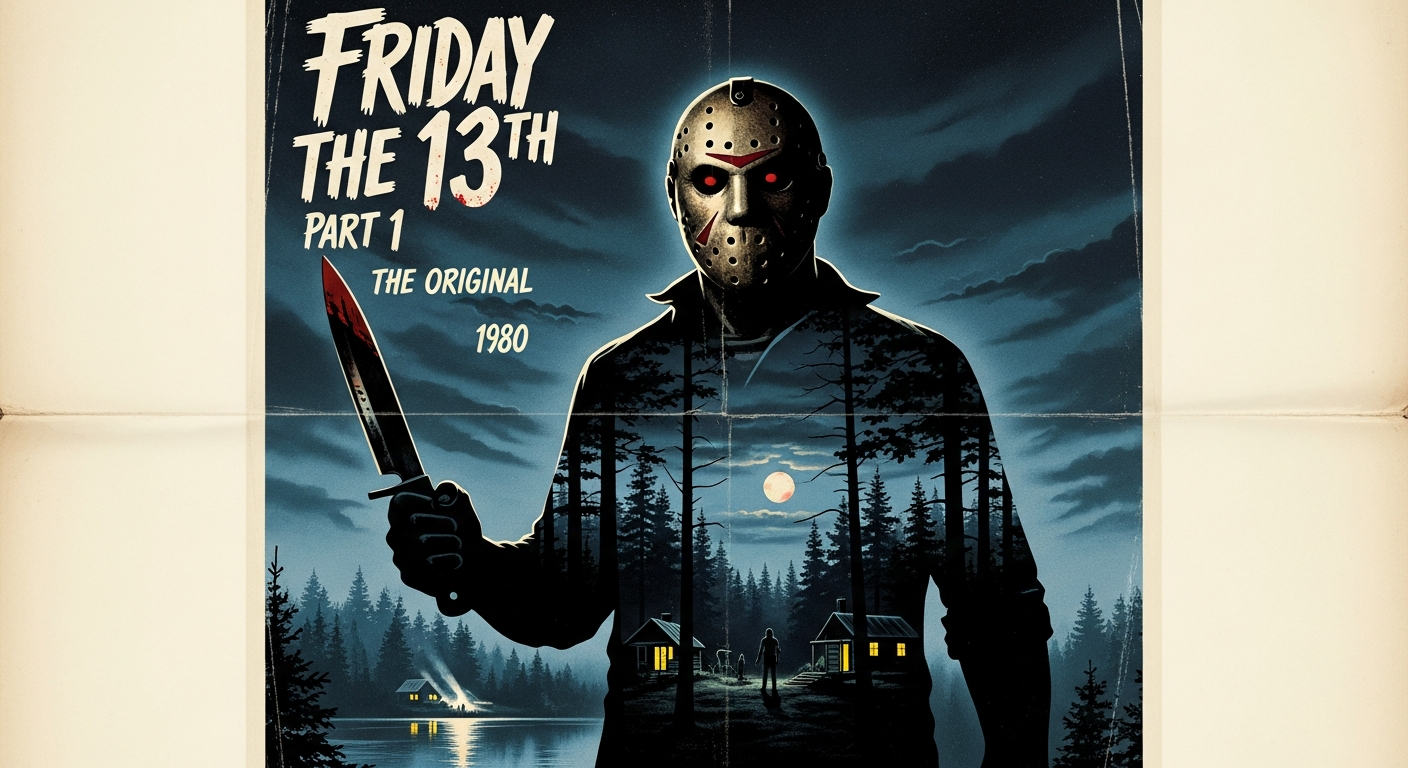
But the definitive moment for the summer slasher truly arrived in 1980 with Friday the 13th. Helmed by director Sean S. Cunningham, this low-budget marvel took the isolated summer camp setting and turned it into a bloodbath. The film didn’t just introduce Jason Voorhees (eventually); it introduced a formula, a set of expectations, that would define countless films to come. Its success wasn’t just about gore; it was about the perfect storm of a recognizable, beloved American institution (the summer camp) twisted into a nightmare. The filming location, Camp No-Be-Bo-Sco in Blairstown, New Jersey, became an unwitting icon of cinematic horror. It created an enduring tradition for countless aspiring filmmakers.
While John Carpenter’s Halloween (1978) laid much of the groundwork for the slasher genre, its autumnal setting kept it distinct. Friday the 13th was unapologetically summer, capitalizing on the burgeoning teen market, the rise of drive-ins, and the explosion of VHS rentals. These were films that felt like they belonged to us, the kids who spent their summers escaping into darkened theaters or living rooms. They truly cemented slasher summer movies as a distinct, and terrifying, part of modern American history.
Why Summer Settings Amplify Horror and Isolation
On the surface, summer seems the least likely season for horror. Sunshine, warmth, long days. But that’s precisely its power. The contrast creates a potent psychological effect that amplifies every scream and shadow.
A False Sense of Security
Summer means freedom, vacation, escape from responsibility. We expect joy and relaxation. This expectation sets up a powerful emotional dissonance when horror strikes. The bright, cheerful atmosphere of a summer day makes the sudden intrusion of violence feel even more jarring, more unnatural. It’s like a punch in the gut when you’re expecting a hug.
The Power of Isolation
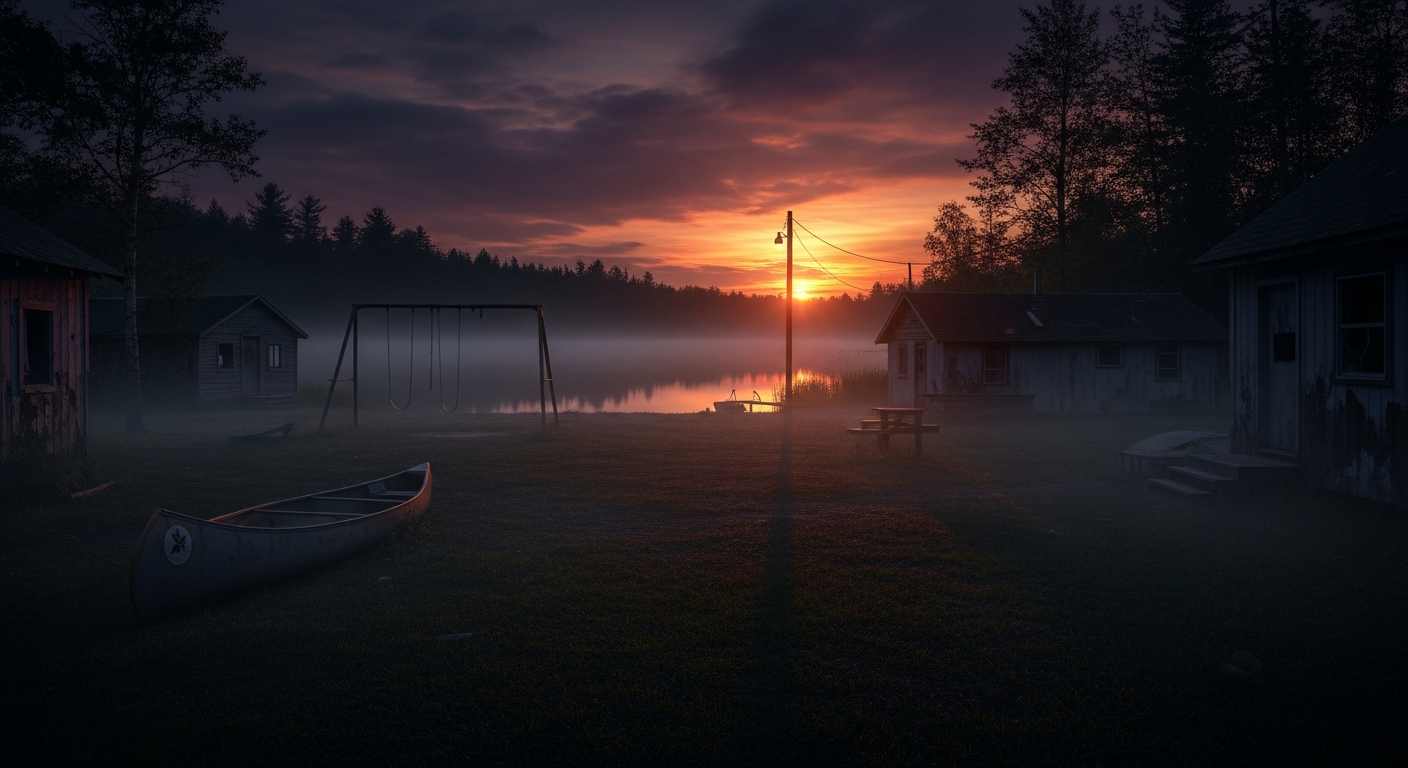
Think about classic summer scenarios: remote cabins by a lake, sprawling summer camps deep in the woods, deserted beaches in an off-season resort town. These places are inherently isolated. Teens, often away from their parents and the watchful eyes of adults for the first time, are literally, and sometimes emotionally, on their own. This isolation isn’t just physical; it’s a profound sense of being cut off, enhancing the terror. There’s no one to hear you scream, no easy escape, just the vast, uncaring wilderness.
Unrelenting Light and Vulnerability
Unlike traditional horror that thrives in darkness, summer slashers often unfold in bright, oppressive daylight or endless twilight. This harsh illumination doesn’t offer the comfort of shadows; instead, it exposes the horror, stark and relentless. Characters are often depicted in less clothing, swimming, sunbathing, making them physically more exposed and vulnerable. The bright sun, which usually brings warmth and comfort, here feels like a malevolent eye, watching every terrifying moment unfold.
The End of Innocence
Summer is often associated with coming-of-age, first loves, and newfound independence. Summer slashers brilliantly twist this narrative into a brutal awakening. The freedom of youth is met with a terrifying consequence, symbolizing a violent loss of innocence. For many of us, myself included, these films became a strange part of our own coming-of-age, shaping how we thought about that fleeting season of youth. I remember summers growing up, the feeling of endless days, the freedom… and then seeing films that flipped that on its head, making me wonder what really lurked behind the trees at dusk.
Key Tropes of the American Summer Slasher
The genre quickly developed its own language, a set of recognizable elements that became part of its lasting appeal and influence, forming a new kind of tradition for filmmakers and audiences alike.
The Impenetrable Villain
From the masked and machete-wielding Jason Voorhees to the more primal terror of Leatherface (whose film, though not strictly summer, often evokes that hot, isolated feeling), the slasher villain is usually silent, relentless, and seemingly unstoppable. They are forces of nature, often with a mysterious, tragic backstory, embodying an almost mythological evil that preys on the unsuspecting.
The ‘Final Girl’
A true staple of the genre, the ‘Final Girl’ is typically the last one standing, the one who confronts the killer and often lives to tell the tale. She’s smart, resourceful, and often a bit more responsible or ‘pure’ than her ill-fated friends. Think Laurie Strode from Halloween or Alice Hardy from the original Friday the 13th. She represents resilience, a glimmer of hope amidst the carnage.
The Moralizing Subtext
It’s an undeniable element: pre-marital sex, drug use, and drinking often lead to a swift, bloody demise for characters in these films, while the ‘pure’ or ‘innocent’ girl often survives. This isn’t a judgment, mind you, just an observation of a recurring theme, a kind of unspoken societal commentary woven into the terror. Watching these with my friends, we’d always try to guess who would make it, who would be ‘punished’ for their summer rebellion.
Practical Effects and Visceral Gore
Before CGI became prevalent, the horror in these films was visceral and tangible, thanks to incredibly inventive practical effects. The blood, the prosthetics, the ingenious ways characters met their demise felt shockingly real. This grounded the terror, making it feel less like fantasy and more like a terrifying possibility.
The Lasting Cultural Impact of Summer Horror Cinema
Beyond the screams and the jump scares, slasher summer movies have carved out a significant place in our cultural landscape, leaving a mark that continues to influence and fascinate. They are a unique, albeit bloody, thread in the rich tapestry of American history.
The Birth of Franchises and Enduring Icons
These films weren’t one-offs. They birthed entire franchises, creating iconic villains and heroes that have transcended cinema to become pop culture legends. Jason, Freddy Krueger (from A Nightmare on Elm Street, another masterwork by Wes Craven, though not strictly summer, it shares the teen victim trope), Michael Myers – these names evoke immediate recognition, proving the incredible staying power of these characters and their stories.
Reflecting Societal Anxieties
Like all good horror, summer slashers serve as a terrifying mirror, reflecting the anxieties of their time. The 1970s and 80s were periods of social upheaval, fear of the unknown, and a perceived breakdown of traditional values. These films, with their tales of isolated youth being picked off by unseen forces, perfectly captured those underlying fears. They gave voice to a generation’s unease about a changing world, becoming an unexpected, yet powerful, sociological document.
A Summer Viewing Tradition
For countless Americans, rewatching these classics has become as much a part of summer as barbecues, fireworks, and trips to the lake. They are a nostalgic touchstone, a shared experience that brings friends and families together (often to scream in unison). It’s a fascinating tradition, a testament to how these films have seeped into the very fabric of our national pastime.
So, the next time the summer sun beats down, and you feel that familiar urge for escape, consider revisiting one of these classics. They aren’t just terrifying tales; they’re a unique window into our fears, our resilience, and the enduring power of storytelling. They are a reminder that even in our darkest cinematic moments, there’s a shared experience, a unique thread in our cultural fabric that is distinctly American, distinctly summer, and distinctly unforgettable. Perhaps these films, in their own strange way, offer a perverse kind of hope – that even when faced with unimaginable terror, we find a way to confront it, to endure, and to look forward to another summer, even if it might hold a few more screams.