Immigration, Diversity & Identity
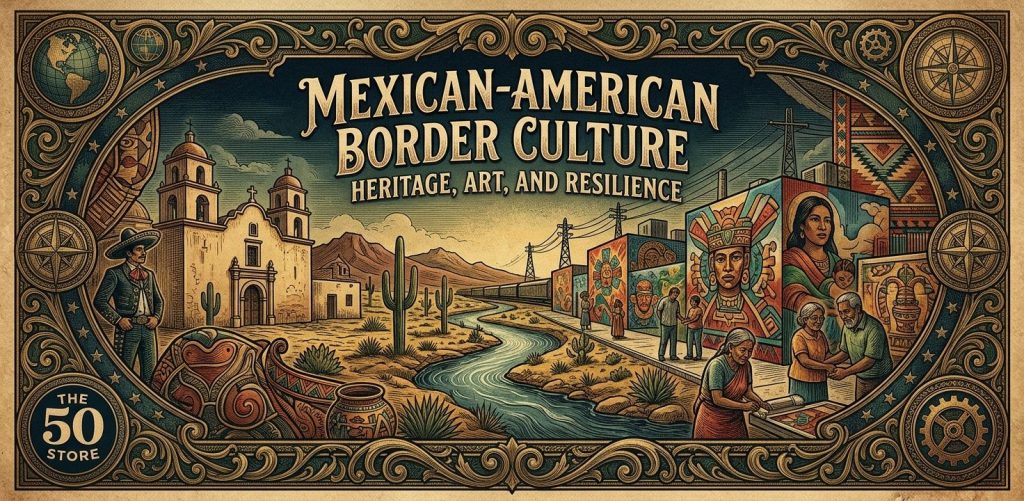
Mexican-American Border Culture: Heritage, Art, and Resilience
Sweet American Summer Bomb Pop T Shirt
Wear your story with pride! Celebrate classic American values, history, and heritage with our premium crafted apparel, designed for comfort and durability.
The Living Heartbeat of Our Borderlands
I remember standing on a dusty corner in El Paso, Texas many decades ago. The warm afternoon wind carried the smell of roasted green chiles and hot tortillas across the river. The sounds of children laughing mixed with a distant radio playing a sweet, slow waltz. In those days, the border was never just a line drawn on a map to us. It was a meeting place. It was a grand, beautiful kitchen table where two extended families sat down to share a meal, a language, and a shared history. The land felt wide open, and the connection between the people was as deep as the roots of the mesquite trees.
As the years have turned into decades, the world has grown much faster and much louder. Today, when you turn on the television or open a newspaper, you often see tall fences and hear loud, angry arguments. The noise of modern politics and the rush of technology threaten to drown out the quiet, beautiful poetry of our shared history. The older generations are passing on, the old murals are chipping under the sun, and the traditional songs risk getting lost in the static of modern life. This is the reality we face.
So, we find ourselves asking a very important question. How do we hold onto the soul of this place? How do we make sure our grandchildren, and their grandchildren, know the vibrant, breathing culture that built these towns from the dust up?
The answer is profoundly simple, yet it requires all of our hearts. We look to the artists who paint our stories on the walls. We listen to the musicians who sing our joys and sorrows. We support the builders and the dreamers who practice everyday resilience. We hold onto our heritage by living it, sharing it, and celebrating the brilliant light it brings to our country.
Sweet American Summer Bomb Pop T Shirt
Wear your story with pride! Celebrate classic American values, history, and heritage with our premium crafted apparel, designed for comfort and durability.
Sweet American Summer Bomb Pop T Shirt
Wear your story with pride! Celebrate classic American values, history, and heritage with our premium crafted apparel, designed for comfort and durability.
Colors on the Walls
If you want to understand the spirit of our people, you only need to look at the walls of our cities. Let me tell you a small story about a man named Carlos Almaraz (1941, 1989). Carlos was a boy who moved to this country and eventually found his way to East Los Angeles, California. When Carlos walked the streets as a young man, he saw plain, bare walls that said nothing about the vibrant people living inside those buildings. He knew that had to change.
Carlos became a guiding voice in the chicano art movement. This movement was not just about painting pretty pictures for galleries. It was about claiming space and asserting our existence. Carlos and his friends painted bold, vivid murals on bridges, schools, and neighborhood clinics. They painted the fire of our youth, the struggles of the workers, and the deep, rich colors of our indigenous past. During the civil rights era, standing alongside heroes like Cesar Chavez (1927, 1993), these artists used their brushes to tell the world that we were here, we mattered, and our stories deserved to be seen.
Today, when you walk past a mural in your city, you are not just looking at paint. You are reading a history book written in bright blues, deep reds, and glowing golds. You are seeing the resilience of a community that refused to be invisible.
Surprising Truths in the Numbers
Now, you might be wondering just how deeply this culture influences the broader American landscape. I was reading a morning report from some very smart folks recently, and the numbers brought a great, big smile to my face. Did you know that, according to the Pew Research Center, Hispanics have accounted for more than half of the total population growth in the United States over the last ten years? There are over thirty seven million people of Mexican descent living right here, contributing their hard work and dreams to our towns.
Even more fascinating is a study I saw from the National Endowment for the Arts. They found that communities that actively participate in traditional arts see a nearly forty percent increase in civic engagement and neighborhood resilience. Think about that for a moment. When we paint murals, when we host local festivals, and when we teach our children traditional dances, we are not just having fun. We are building the very backbone of our economy and our society. The culture of the border is an economic and social engine that benefits every single American.
Songs Played on the Porch
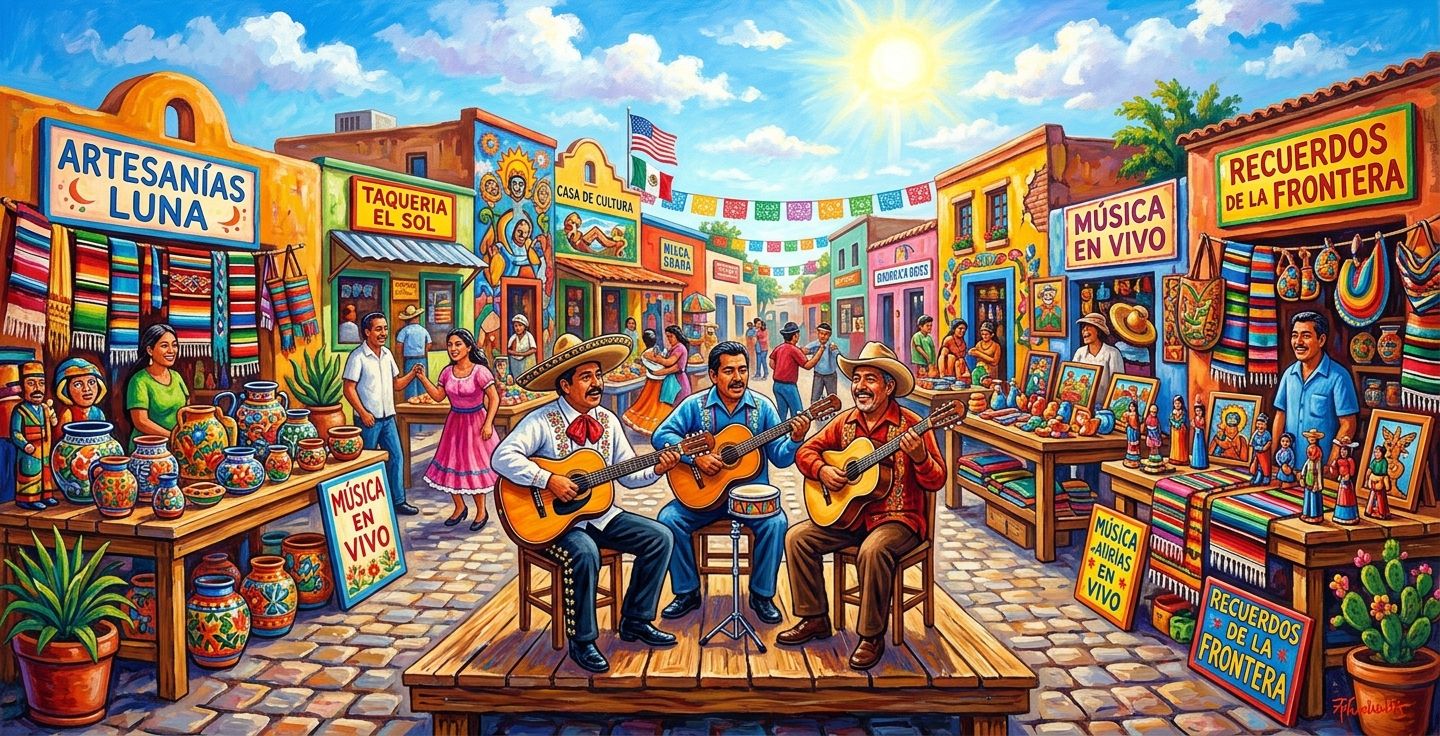
Music is the wind that carries our stories from one generation to the next. Let us talk about the magnificent tapestry of tejano music history. When I was a young man, the sound of a twelve string guitar ringing out over a porch on a hot summer evening was the best medicine a tired soul could ask for.
I want you to think of the great Lydia Mendoza (1916, 2007). They called her the Lark of the Border. Lydia learned to play the guitar from her mother, sitting in their modest home. She did not need a big fancy recording studio to make her mark. In the nineteen thirties, she recorded her music in a small hotel room in San Antonio, Texas. Her voice was pure, honest, and filled with a raw emotion that could make a grown man weep. She sang about heartbreak, hard work, and simple joys. When Lydia strummed those strings, she was singing the diary of the working people.
Our music is a perfect reflection of our history. It blends the traditional Mexican folk guitars with the lively accordions brought over by German and Czech settlers who moved into Texas. We took a little bit of this, a little bit of that, stirred it all together, and made something entirely new and incredibly joyful. It is the sound of survival, and it still echoes in dance halls across the Southwest today.
Hands That Shape the Earth
While music fills the air, our hands shape the earth. I have always held a deep reverence for mexican american folk art. It is an expression of pure love, faith, and making do with what you have.
Consider the quiet, beautiful life of Patrociño Barela (1900, 1964). He lived up in the mountains of Taos, New Mexico. Patrociño was a humble man who worked hard in the fields and repaired the mountain roads. But God gave him a unique gift. Using just a simple pocketknife, he started carving small wooden figures out of fragrant native cedar. These figures, called bultos, represented saints, angels, and everyday people.
He did not attend a prestigious art academy in a big city. He carved from his heart. Eventually, his rough, honest wooden figures were recognized for their genius and were even displayed at the Museum of Modern Art. A humble woodcarver from the mountains proved that our local, everyday art is just as powerful as anything hanging in a fancy gallery.
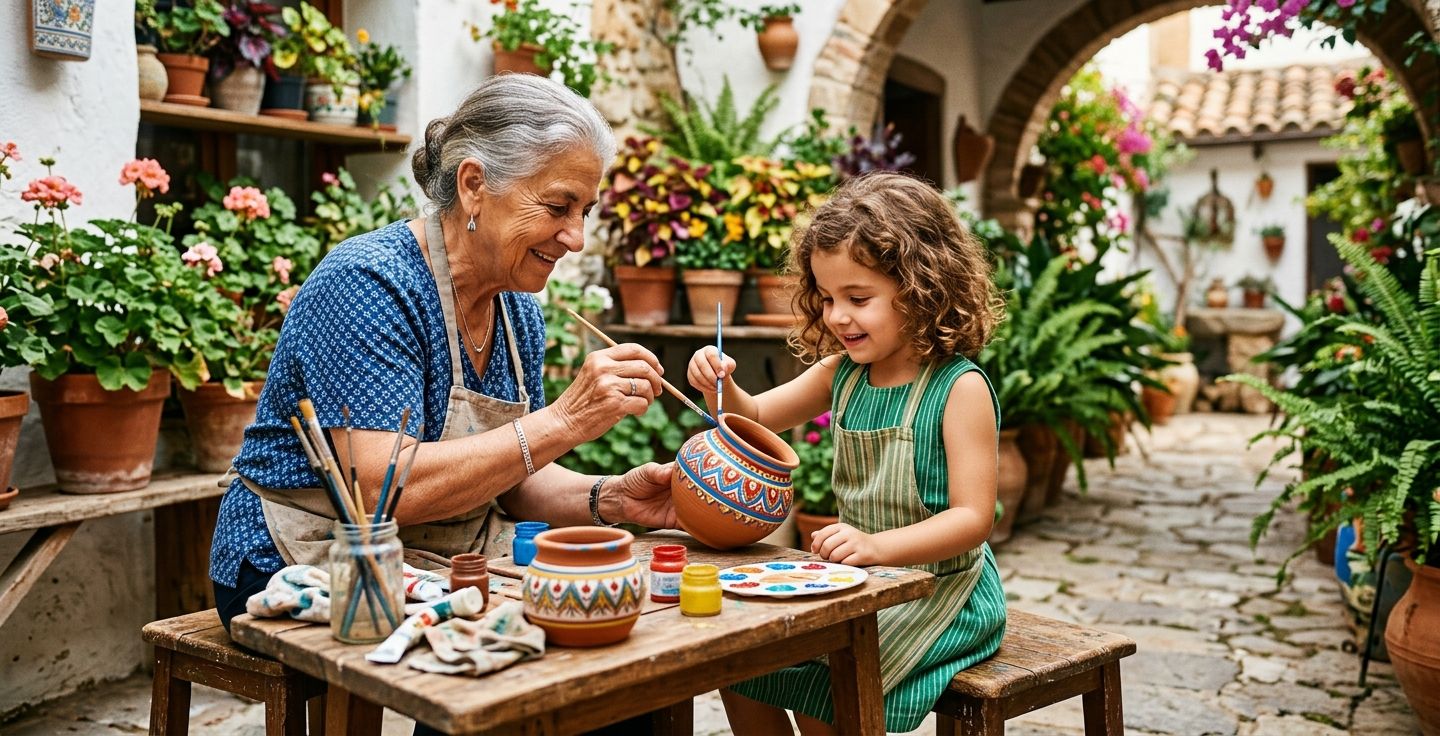
This folk art lives on today. It is in the pottery baked in backyard kilns, painted with earth tones and bright geometric shapes. It is in the vibrant, heavy blankets woven on hand built wooden looms. Folk art is meant to be touched, used in the home, and passed down to children. It is tangible proof that we can take raw, rough materials and turn them into lasting treasures.
A Bridge to Tomorrow
As the years pass, my hair has gone entirely white. I spend a lot more time sitting on my front porch, watching the neighborhood, rather than walking the long streets. But let me tell you a secret. My heart is completely full of hope. When I look at the young people today, I see them stepping up with such pride and energy.
There are so many wonderful cultural preservation initiatives happening right now in our neighborhoods. Local community centers are gathering kids after school and teaching them how to play the accordion and the bajo sexto. High schools are bringing in elders to record oral histories so our memories will never fade. Museums are finally dedicating permanent wings to showcase the brilliance of border artists. I watch my great grandchildren learning the dances my parents taught me, and it fills me with an immense, quiet pride. We are successfully passing the torch to a generation that will carry it higher than we ever could.
What You Can Do
You might be asking yourself how you fit into this grand, beautiful story. It is quite simple, my friends. I encourage you to take a slow walk through a historic neighborhood in your town. Stop and buy a piece of hand painted pottery from a local vendor. Put on a Lydia Mendoza record on a quiet Sunday morning and just listen to the emotion in her voice. Visit a local museum and stand before a Chicano mural. And most importantly, share these stories with your children and your friends.
We build bridges not with steel and concrete alone. We build them with understanding, with shared stories, and with open hearts. The border is a beautiful place, and its culture belongs to all of us who are willing to listen, learn, and love.