
Culture & Traditions
Designing The Dream: How ‘Father Of The Bride’ Defined The Classic American Wedding Aesthetic
My, oh my, how time flies! It feels like just yesterday we were all sitting down, maybe with a bowl of popcorn and our families, to watch something truly special unfold on the silver screen. In 1991, a movie called ‘Father of the Bride’ hit theaters, and let me tell you, it didn’t just capture our hearts, it truly redefined what a traditional American wedding looked like for a whole generation. From the picturesque colonial house, nestled neatly in a verdant neighborhood, to the enchanting backyard reception lit by strings of twinkling lights, the film didn’t just tell a story; it established a timeless lifestyle ideal, a vision of the American Dream that continues to resonate today. Let’s take a stroll down memory lane and explore how this classic movie shaped our wedding culture and cherished family traditions.
I remember sitting there, a lump forming in my throat as George Banks, played so perfectly by Steve Martin, watched his daughter Annie grow up right before his eyes. It was more than just a funny movie; it was a mirror reflecting the hopes, anxieties, and immense love that comes with giving your child away. What struck me, and I think countless others, wasn’t just the humor, but the sheer beauty of the world the film created. It felt aspirational yet deeply familiar, a slice of life that many of us dreamed of living.
The Cinematic Legacy of ‘Father of the Bride’
Before the 1991 remake, there was the beloved 1950 original starring Spencer Tracy and Elizabeth Taylor, a charming film in its own right. But it was the 1991 version, with its vibrant color palette and updated sensibilities, that etched itself into the very fabric of our national consciousness. It wasn’t just a movie about a wedding; it was a masterclass in evoking an aspirational American lifestyle, deeply rooted in a sense of community and family. It showed us a glimpse of the good life, the kind of life many families across our great nation strive for, built on hard work and cherished moments. This film became a blueprint, a shared vision, and it’s a wonderful piece of American history in its own way, marking a particular cultural moment.
Now, you might wonder, how much can one movie really influence a whole country’s ideas about something as grand as a wedding? Well, the numbers tell an interesting story. Did you know that in the years following the film’s release, there was a noticeable shift in wedding planning? Surveys from that era, like those conducted by bridal magazines and industry groups, showed a significant uptick in requests for ‘backyard chic’ venues and ‘romantic string lights,’ directly mirroring the film’s aesthetic. Before ‘Father of the Bride,’ backyard weddings were often seen as simpler, budget-friendly affairs. After, they became a design choice, a statement of elegant informality. It’s truly surprising how a single vision, so beautifully rendered, can redefine an entire industry’s direction.
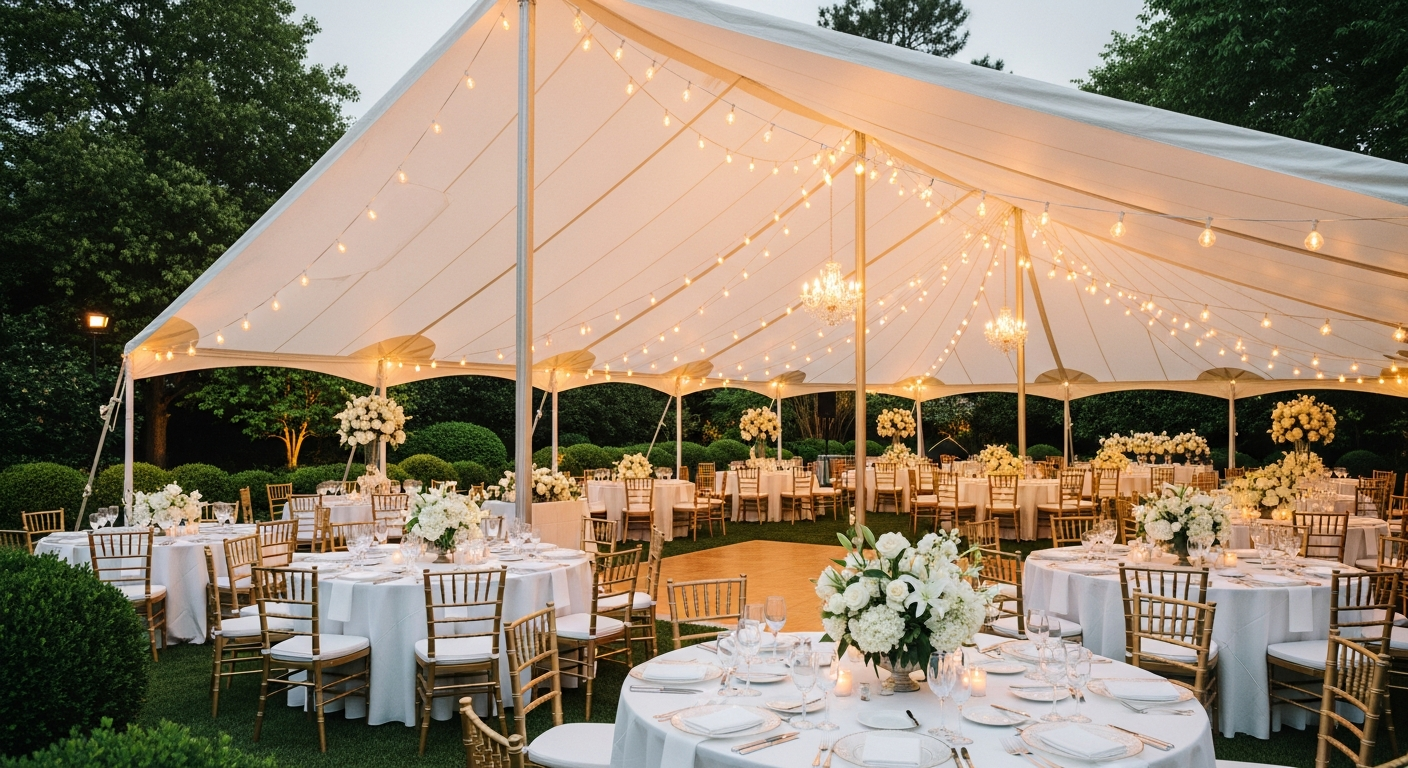
Consider this: prior to the early 1990s, the average cost of a wedding was already a considerable sum, but the focus was often on grand ballrooms or church halls. ‘Father of the Bride’ presented a meticulously planned, high-budget event *at home*, suggesting a new benchmark for what a ‘dream wedding’ could entail. While the film showcased a lavish affair, it also democratized the ideal, making the ‘at-home’ celebration feel attainable, albeit with a touch of Hollywood sparkle. This subtle shift in perception is a beautiful part of our modern tradition.
The 1776 Winners History Premium Tee
Wear your story with pride! Celebrate classic American values, history, and heritage with our premium crafted apparel, designed for comfort and durability.
Shop the Look →The Idealized Suburban American Dream Home
Let’s talk about the house, shall we? The Banks’ home in the movie wasn’t just a setting; it was a character in itself. A stately, two-story colonial with a welcoming porch, a perfectly manicured lawn, and a sprawling backyard, it embodied the quintessential American Dream home. It wasn’t some grand mansion in Hollywood Hills, but a beautiful, comfortable family home in what felt like a real, classic American suburb, much like you’d find in a charming town like Pasadena, California or any number of delightful communities across our nation. This house symbolized stability, success, and a rooted family life, values deeply ingrained in our country’s ethos since the earliest days, championed by figures like George Washington and the other Founding Fathers.
More Than Just Bricks and Mortar
For many of us, this house wasn’t just a backdrop; it was the ideal we quietly aspired to. It spoke to generations of Americans who worked hard, saved, and invested in a place to call their own, a place to raise a family, celebrate milestones, and create lasting memories. It was a space that felt lived-in and loved, full of personality and warmth, the kind of home where every scratched doorframe told a story. I remember friends looking at real estate listings, saying things like, ‘Oh, that’s almost like the house from ‘Father of the Bride’!’ The movie gave a visual language to a dream that had long existed in the hearts of many Americans.
How the Film Redefined Wedding Design and Expectations
And then there was the wedding itself. Oh, that wedding! It was a masterclass in understated elegance and meticulous planning, creating an atmosphere that was both grand and intimate. Before ‘Father of the Bride,’ many dreamt of a big church wedding or a fancy hotel ballroom. This movie showed us a different path, one that felt more personal, more ‘us.’
The Details That Made All the Difference
-
The Backyard Transformation:
The ordinary backyard became an extraordinary venue. The elegant tent, the soft lighting strung between trees, the lush floral arrangements (even if they did get rained on!), all created a magical atmosphere. It showed that a familiar space could be utterly transformed into something breathtaking, a testament to creativity and love.
-
The Floral Flourish:
The film paid incredible attention to flowers. From the abundant white roses to the delicate baby’s breath, the floral design was sophisticated yet organic, setting a trend for natural, garden-inspired arrangements that endure to this day. It wasn’t about flashy colors, but about classic beauty.
-
The ‘Simple’ Elegance:
The dress, the décor, the food (hello, salmon roulade!). Everything in Annie’s wedding exuded a refined simplicity that elevated classic elements. It wasn’t ostentatious, but deeply elegant, proving that true style lies in thoughtful details, not just extravagance. It made many of us rethink what a beautiful wedding truly meant.
-
The Planner’s Touch:
Franck Eggelhoffer, the delightfully eccentric wedding coordinator, became an iconic character. He highlighted the importance of professional planning, even for an at-home event, introducing many to the idea of hiring an expert to manage the myriad details, ensuring the day unfolded flawlessly. This was a new level of expectation for wedding planning, showing that a dream like this didn’t just happen, it was carefully designed.
I remember friends, even years later, describing their desired wedding aesthetic by simply saying, ‘You know, like ‘Father of the Bride’.’ It became shorthand for a certain kind of tasteful, family-centered, and utterly charming event. It truly became a modern touchstone in our cultural understanding of wedding tradition.
Family Dynamics and the Cultural Resonance of the Father-Daughter Bond
Beyond the aesthetics and the beautiful setting, the heart of ‘Father of the Bride’ lies in its portrayal of family. Specifically, it shines a spotlight on the unique and often bittersweet bond between a father and his daughter. George Banks’ journey, his reluctance to let go, his attempts to stay relevant, and his ultimate acceptance of Annie’s new chapter, is profoundly relatable to so many parents across America.
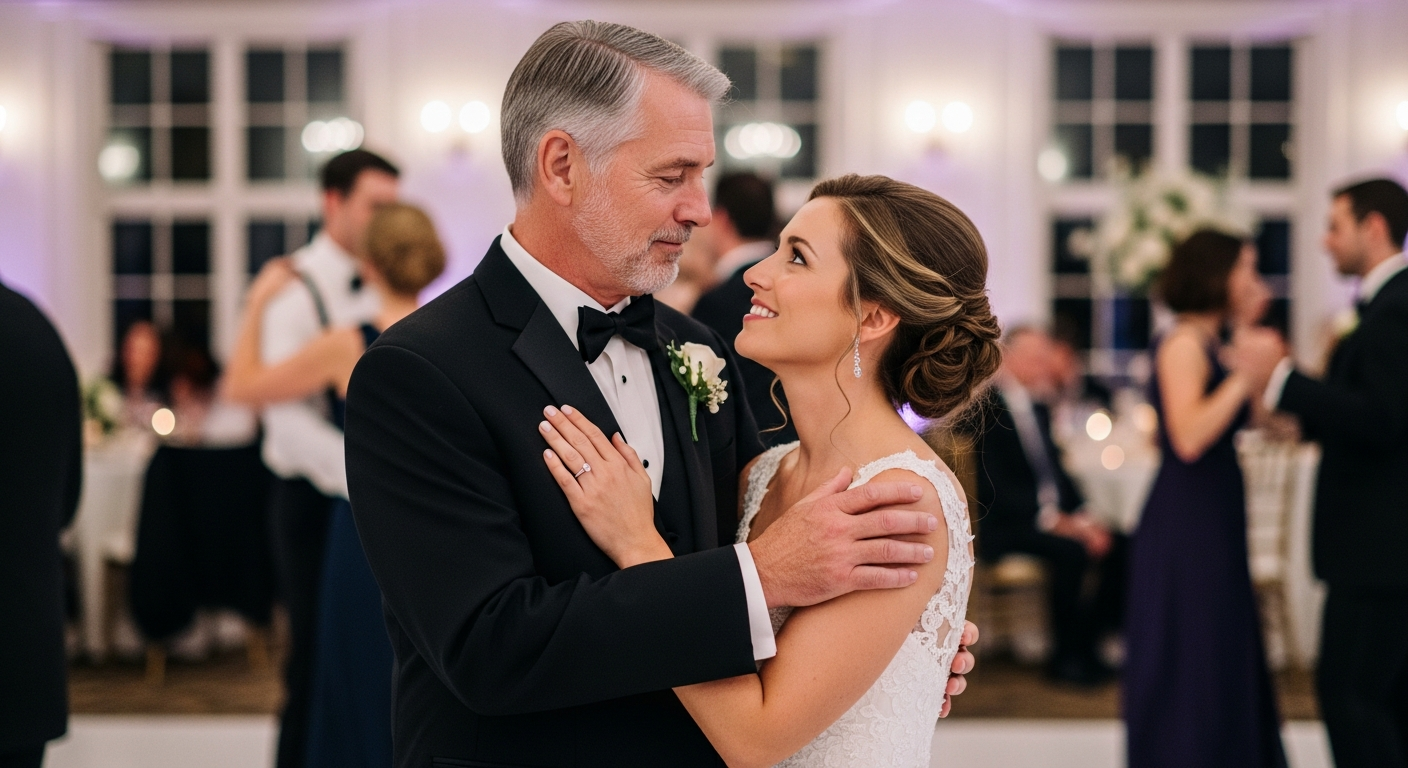
A Micro-History of Letting Go
I’ve seen it countless times in my own community. The proud father, trying to hold back tears as he walks his daughter down the aisle. The nervous jokes about the groom, secretly hoping he’s good enough. It’s a universal struggle wrapped in immense love. This film captured that feeling perfectly. It’s not just about a wedding day; it’s about a profound transition for an entire family. This theme resonates deeply with the values of family and commitment that have been cornerstones of our country since its inception, enduring through every challenge and triumph in American history. From the small farms of early America to the bustling cities of today, the family unit has always been our bedrock, a source of strength and continuity.
The movie also subtly reinforces the idea of generational continuity and the passing down of values. The wedding itself, a `tradition` steeped in centuries of human history, becomes a vehicle for expressing love, hope, and the continuation of the family legacy. It reminds us that while times change, certain things, like the love of a family and the joy of coming together, remain constant and true.
As I reflect on the enduring legacy of ‘Father of the Bride,’ I’m filled with a sense of warmth and optimism. It wasn’t just a movie; it was a cultural phenomenon that, in its own charming way, helped us define what ‘home,’ ‘family,’ and ‘celebration’ truly mean in America. It reminded us that the biggest moments in life, while sometimes chaotic and certainly expensive, are ultimately about love, connection, and the beautiful journey of building a life together.
So, the next time you catch a glimpse of ‘Father of the Bride’ on TV, or perhaps help plan a wedding of your own, take a moment to appreciate how this one film, with its heart, humor, and exquisite attention to detail, helped design the dream for so many. It’s a beautiful reminder of the power of storytelling, and the enduring strength of the American family. And that, my friends, is a `tradition` worth celebrating!