
Geography & the American Landscape
Why Road Trips Are So Popular in the U.S.
Introduction: The Romance of the Open Road
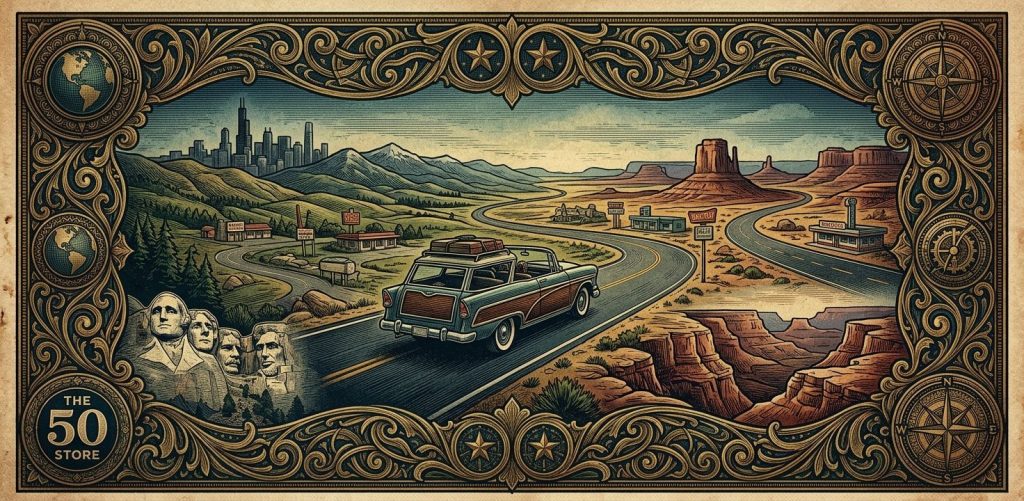
There is a distinct magic in the air just before the sun comes up on the morning of a big trip. The dew is still clinging to the grass in the front yard. The neighborhood is quiet. The engine of your car turns over with a familiar and comforting hum. You roll down the windows, breathe in the crisp morning air, and pour a cup of hot coffee from your trusted travel thermos. You pull out of the driveway and point your tires toward the horizon. This is the start of an American road trip. It is a tradition that has captured our hearts for generations.
Our great nation is wonderfully vast. We are blessed with a country that stretches from sea to shining sea. We have towering mountains, deep canyons, rolling green hills, and sweeping golden plains. However, this massive size presents a unique situation. How do we best experience all of this incredible beauty? In our modern age, we face a complication. We can easily board an airplane and fly from coast to coast in just a handful of hours. Planes are fast. Planes are efficient. Yet, flying at thirty thousand feet can feel quite sterile. You get to your destination, but you completely miss the heartbeat of the towns and fields along the way.
This leads us to a very important question. How do we keep our connection to the land alive in such a fast moving world? The answer is simple and time honored. We drive. We pack the trunk, grab a physical map, and hit the open road. We choose the journey over the destination. It is a choice that reminds us of who we are as a people.
The History of Our Highways: The Interstate System and the 1950s
Taking a drive across the country was not always a smooth experience. In the early days of the automobile, our roads were little more than muddy ruts and dirt trails. Visionaries like Carl G. Fisher (1869-1939) recognized this problem. He helped dream up the Lincoln Highway to connect New York to San Francisco. But the real turning point for our country came later, thanks to the leadership of Dwight D. Eisenhower (1890-1969).
When Eisenhower was a young Army officer, he took part in a brutal cross country military convoy. It took them weeks to cross the nation on terrible roads. Years later, after seeing the highly efficient autobahn network in Germany during World War II, President Eisenhower championed the Federal-Aid Highway Act of 1956. This monumental act created the interstate highway system. It was a massive undertaking. Paving those roads brought jobs to thousands of Americans and fundamentally connected our small towns to our big cities.
Let me share a quick story about what this meant to everyday folks. Consider my old neighbors, the Henderson family, back in 1958. Mr. Henderson worked at the local hardware store here in Ohio. He saved his money for two years to buy a beautiful two tone Ford station wagon. Before the new highways were built, visiting family out west was a grueling test of endurance. It was a trip nobody wanted to make. But thanks to the fresh pavement, it became a grand family adventure. Mr. Henderson loaded up his wife and three kids, and they drove all the way to Badlands National Park in South Dakota. They brought back vivid photographs of buffalo and sweeping prairies. They showed those pictures on a projector in their living room to the whole neighborhood. That single trip opened up the world for those kids. It showed them the immense scale and promise of their own country.
The Freedom of the Car and the Ability to Go Anywhere
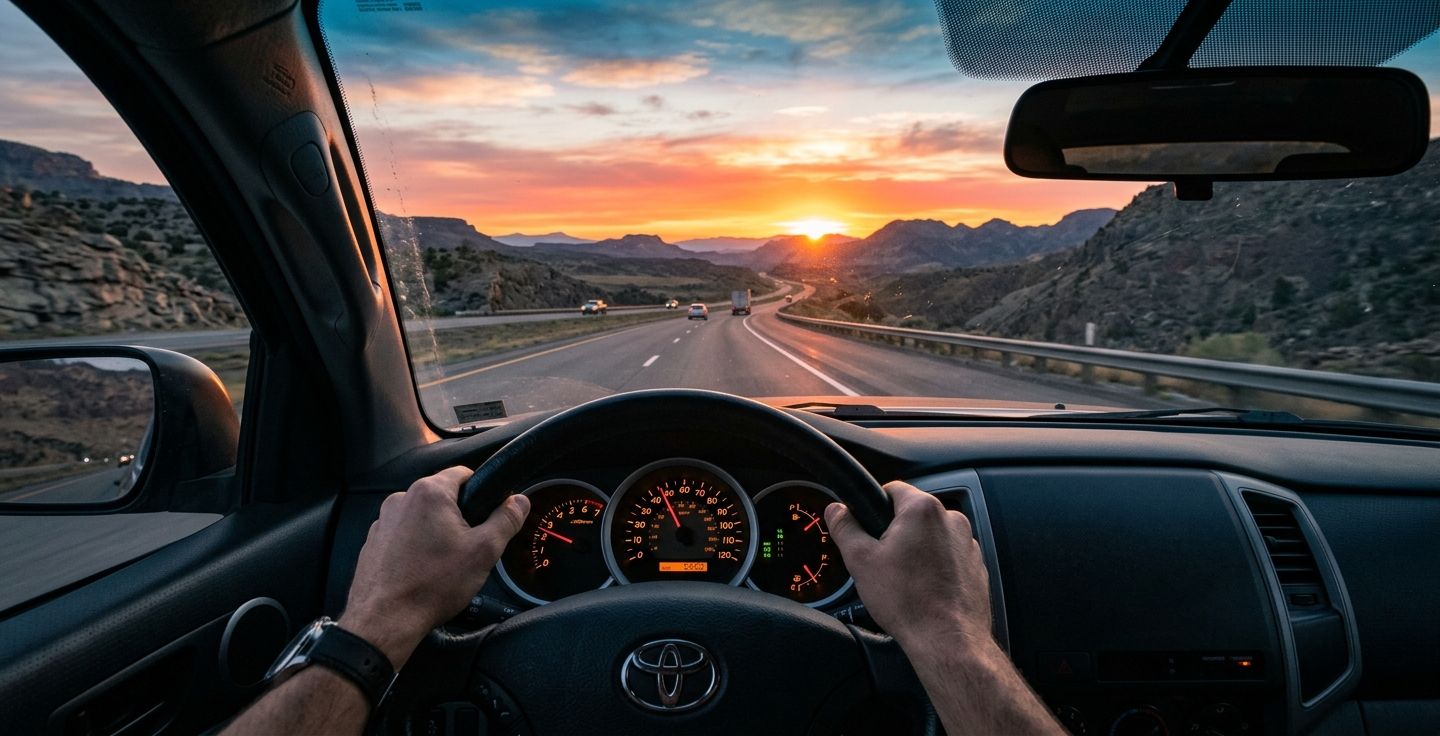
Why do we love the car so much? It comes down to one beautiful word. Freedom. When you are behind the wheel, you are the captain of your own ship. You are not bound by the strict schedules of train conductors or airline pilots. If you see a quirky roadside diner that smells like fresh cherry pie, you can pull over. If you spot a sign for the world’s largest ball of twine, you can take the exit. You have the total liberty to change your mind.
You might be surprised by just how deep this love runs in our culture. According to a recent travel study by the U.S. Travel Association, nearly eighty percent of domestic vacation trips are taken by personal vehicle. Furthermore, the Bureau of Transportation Statistics notes that our country maintains over four million miles of public road network. That is a staggering amount of pavement just waiting to be explored. AAA also reports that Americans log billions of miles annually just for the pure joy of leisure travel. These are not just numbers on a page. They represent millions of shared family memories.
We take these trips because they bring us closer together. Inside the cozy cabin of a car, families actually talk to one another. We sing along to the radio. We play license plate games. We share snacks from the cooler. A drive to Yellowstone National Park is not just about seeing the geysers. It is about the hundreds of miles of shared laughter and quiet conversations that happen before you even reach the park gates. The car acts as a rolling living room. It gives us a safe space to reconnect with the people we love most.
The Great American Landscape as a Changing Backdrop
There is nothing quite like watching the great American landscape unfold through a windshield. It is a moving picture show that rivals any movie playing in theaters. When you start your journey on the East Coast, you might drive through dense emerald forests and ancient rolling hills. A drive down the Blue Ridge Parkway offers a stunning tunnel of trees that explode into brilliant reds and golds in the autumn.
As you push westward, the scenery begins to stretch out. The trees thin out, giving way to the vast, fertile farmland of the Midwest. You can see for miles in every direction. The sky seems to grow larger. Then, almost like magic, the jagged peaks of the Rocky Mountains rise up from the horizon. They stand as quiet giants watching over the plains. Eventually, you might find yourself cruising along historic Route 66, surrounded by the painted deserts of the Southwest. The red rocks and deep gorges around Grand Canyon National Park will absolutely take your breath away. They remind us of how small we are, yet how lucky we are to witness such majesty.
This changing scenery is good for the soul. It provides a sense of hope and perspective. When you see the sheer variety of life and land in our country, it fills you with a profound sense of patriotism. You realize that despite our differences, we all share this incredible piece of the earth. We are all stewards of these mountains, valleys, and rivers.
Comfortable Gear for the Long-Haul Drive
Now, while the spirit of adventure is a wonderful thing, we must also be practical. Embarking on a long-haul drive requires a bit of preparation. You want to make sure you are treating your body right so you can fully enjoy the sights. After all, a stiff back or a warm soda can put a damper on even the best afternoon.
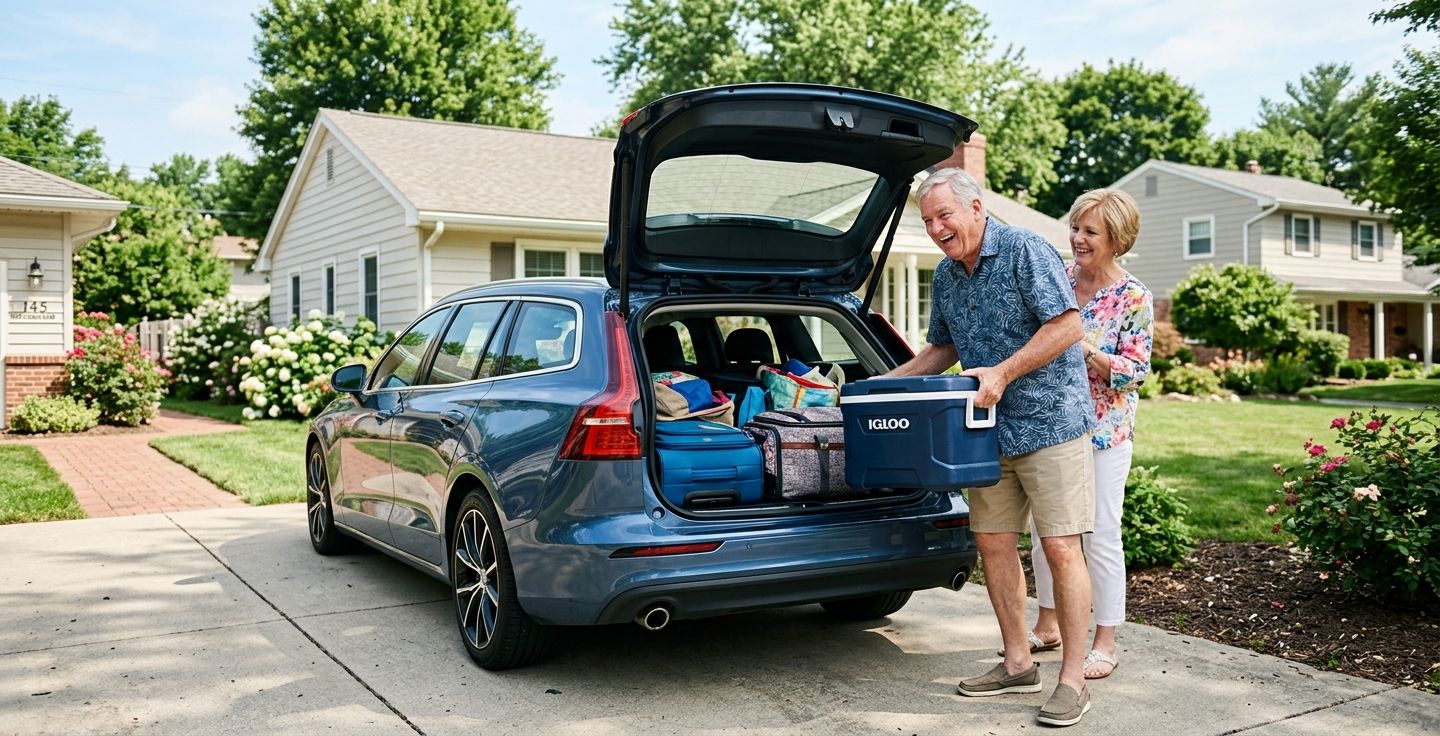
If you want to make your next trip truly enjoyable, I highly recommend investing in some quality road gear. A supportive memory foam seat cushion and a good lumbar pillow are absolute game changers for your lower back. You will arrive at your destination feeling fresh instead of fatigued. You should also consider a premium hard sided cooler. Keeping your sandwiches fresh and your water bottles ice cold will save you money and keep your family happy on those long stretches of desert highway.
Do not forget a high quality insulated travel mug for your coffee. Keeping your morning brew piping hot for hours is a small comfort that makes a big difference. I encourage you to start gathering your gear today. Pull out a map. Pick a spot you have never been to. Prep your vehicle and invite your loved ones along. The roads are out there waiting for you, friend. Go out and make some memories.
What is the best time of year to take a road trip in the United States?
The best time depends entirely on your destination. Summer is the most popular time for family travel because children are out of school, making it perfect for visiting northern national parks. However, autumn offers spectacular foliage in places like the Appalachian Mountains. If you plan to explore the southern deserts, springtime is ideal to avoid the extreme summer heat.
How many miles is it safe to drive in a single day?
For a safe and enjoyable journey, most experts recommend driving no more than five hundred miles in a single day. This translates to roughly eight hours of driving. It is crucial to take a fifteen minute break every two hours to stretch your legs, rest your eyes, and stay alert.
Are physical paper maps still useful with modern GPS?
Yes, physical paper maps are still incredibly useful. While modern GPS systems are wonderful for turn by turn directions, they can lose their signal in remote areas like national parks or deep mountain valleys. A paper atlas never loses its battery and gives you a fantastic overall perspective of your route.
What essential items should I pack in my emergency roadside kit?
Every vehicle should carry a well stocked emergency kit. You should include jumper cables, a reliable flashlight with extra batteries, a basic first aid kit, reflective warning triangles, and basic hand tools. It is also wise to keep extra bottled water and non perishable snacks in the trunk.
How can I keep my children entertained during long stretches of driving?
Classic road games are a wonderful way to pass the time and build family memories. Try playing the license plate game or I Spy. Audiobooks and family friendly podcasts are also excellent tools to keep everyone engaged. Finally, allowing kids to follow the route on their own printed maps helps them feel involved in the journey.
Why is Route 66 considered so famous in American culture?
Route 66 is famous because it was one of the original highways in the U.S. Highway System, established in 1926. It served as a primary route for people migrating west, especially during the Dust Bowl in the 1930s. Over the decades, it became a symbol of freedom, opportunity, and the classic American road adventure.