American History & Origins
1776 Winners: The Story Behind the Men and Women Who Built a Nation
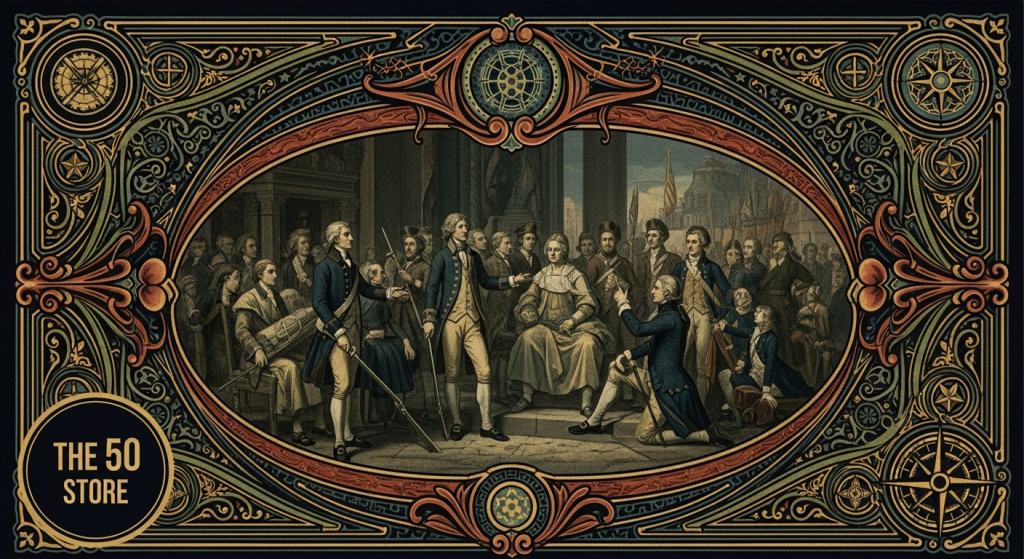
When we think of 1776, our minds often conjure vivid images of quill pens scratching across parchment, solemn faces gathered in Independence Hall, and the monumental signing of the Declaration of Independence. Figures like George Washington, Thomas Jefferson, and Benjamin Franklin rightly stand tall in our history books. But I’ve always believed that the true heartbeat of our nation’s birth lay not just with these luminaries, but with a vast, often unseen, network of ordinary citizens. These were the men and women, young and old, who made extraordinary, silent sacrifices, building a cause for freedom one hidden act of bravery and one quiet moment of resilience at a time.
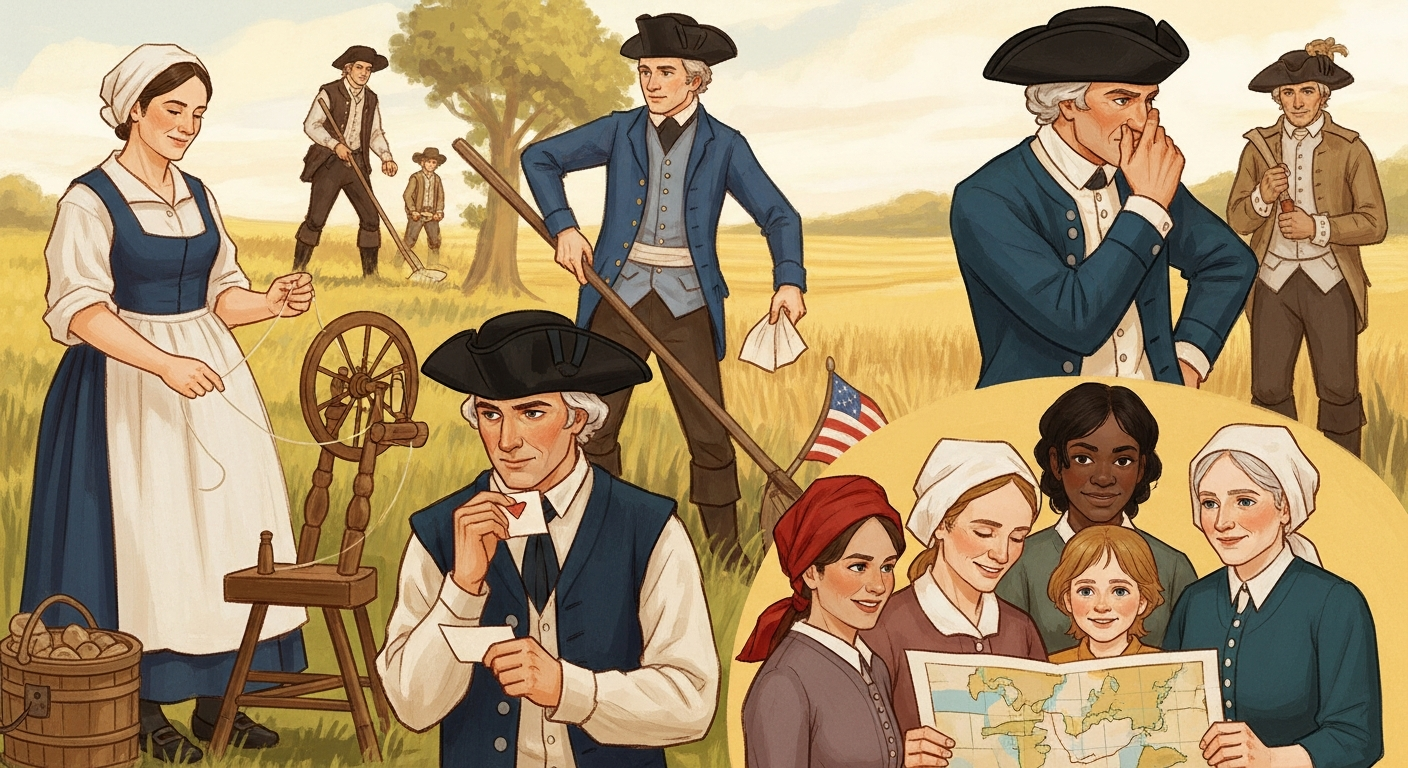
It’s easy, America, to overlook the countless contributions of those whose names never graced a formal document or a famous portrait. Yet, their grit, their ingenuity, and their unwavering spirit were the very foundations upon which our great nation was built. They were the farmers who left their fields to join militias, the women who spun cloth for uniforms, the spies who risked everything for a whisper of information, and the countless individuals who simply kept hope alive in the darkest hours. Their stories, I think, are just as vital, and perhaps even more poignant, for they speak to the very soul of what it means to be an American.
The Unsung Heroes of the Revolution
Did you know that estimates suggest roughly 20-25% of the colonial population remained loyal to the British Crown, meaning the Patriot cause, while significant, was far from universally embraced? This makes the dedication of those who actively supported the Revolution all the more remarkable. For every soldier on the battlefield, there were countless farmers, blacksmiths, seamstresses, and children contributing to the war effort, making the Revolution truly a ‘people’s war.’ Over 230,000 men served in the Continental Army and militias, but the supporting cast was exponentially larger, a silent army of everyday patriots.
It’s incredible to think that even 250 years after 1776, we are still uncovering and appreciating the depth of participation in those revolutionary times. I often reflect on the bravery of individuals whose actions, though localized, had ripple effects across the fledgling nation. These aren’t just names in dusty archives; they’re the embodiment of courage and commitment. Let’s shine a light on just a few of them:
| Patriot Name | Exact Historical Role | Lasting Legacy on American Independence |
|---|---|---|
| Sybil Ludington (1761-1839) | At just 16 years old on April 26, 1777, Sybil rode 40 miles through the night, rousing militiamen in Dutchess County, New York, to defend against British forces attacking Danbury, Connecticut. Her ride was twice the distance of Paul Revere’s. | Her daring ride prevented a larger loss of life and supplies, showcasing the vital role of civilian initiative and the unexpected courage of youth. She represents the often-unacknowledged contributions of women and young people to the war effort. |
| Anna Strong (1740-1812) | A key member of the Culper Spy Ring, operating on Long Island, New York. She used her clothesline and specific signals (a black petticoat and handkerchiefs) to indicate when messages were ready for collection and where they were hidden. | Her ingenious, seemingly innocuous methods provided crucial intelligence to General Washington, helping to expose British plots and contribute to strategic victories, like the discovery of Benedict Arnold’s treason. She highlights the often subtle, yet critical, role of espionage. |
| James Armistead Lafayette (c. 1760-1830) | An enslaved African American who served as a double agent for the Continental Army under Marquis de Lafayette. He infiltrated British headquarters, gathering vital information about troop movements and plans, notably those of Benedict Arnold and Lord Cornwallis. | His intelligence was instrumental in the Battle of Yorktown, a decisive victory that effectively ended the war. His story underscores the bravery and significant, yet often overlooked, contributions of African Americans to the fight for freedom. |
| Deborah Sampson (1760-1827) | Disguising herself as a man, ‘Robert Shurtliff,’ she enlisted in the Continental Army in May 1782, fighting in several skirmishes and being wounded twice. Her deception was maintained for over a year. | Sampson’s story challenges traditional gender roles of the era and reveals the profound commitment some women had to the Patriot cause, even to the point of direct combat. She received an honorable discharge and was later awarded a military pension. |
These stories, and countless others, remind us that the struggle for independence was a collective endeavor. It wasn’t just about the grand pronouncements but about individual acts of profound courage that stitched together the fabric of a new nation. Each person, regardless of their station, played a part.
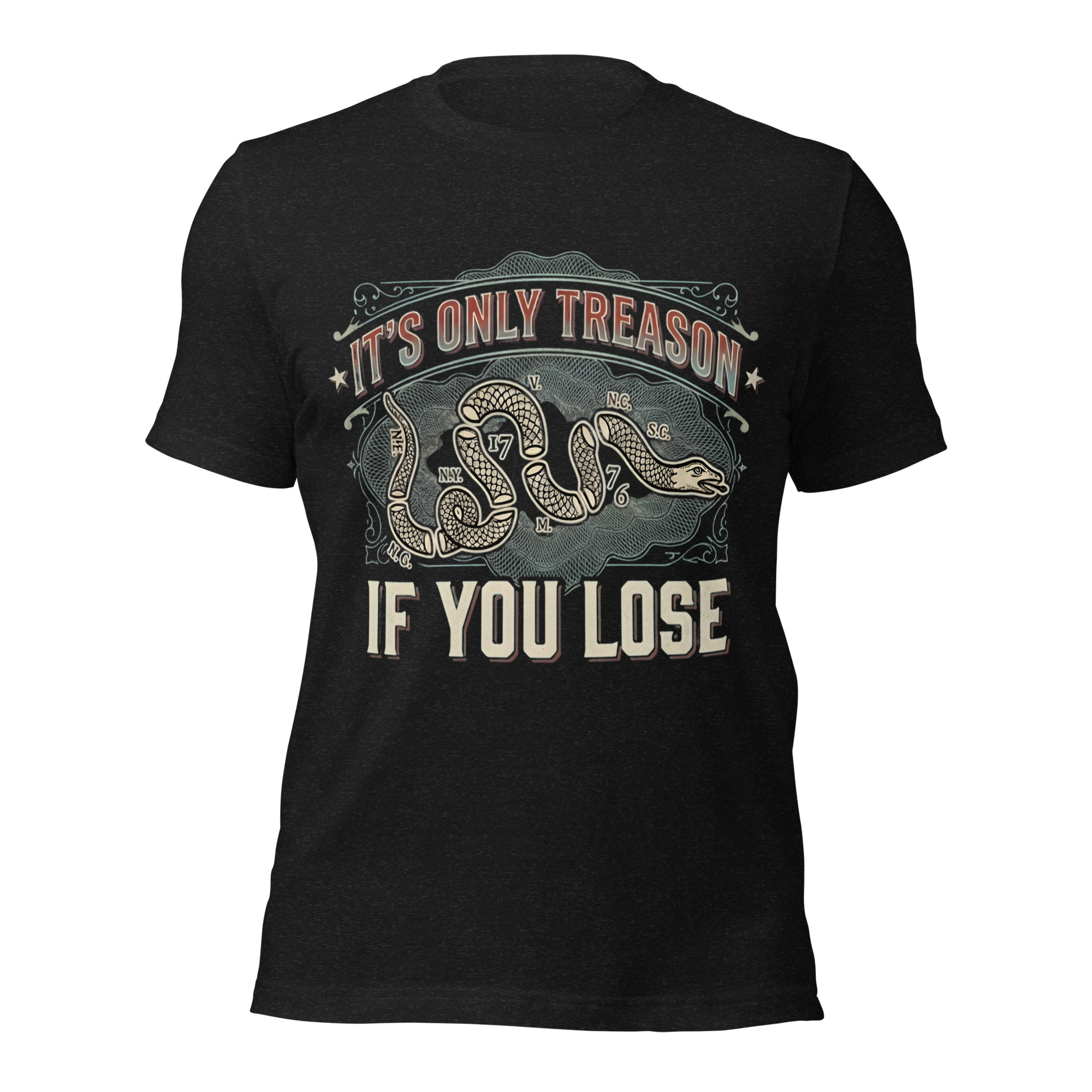
The 1776 Winners History Premium Tee
Wear your story with pride! Celebrate classic American values, history, and heritage with our premium crafted apparel, designed for comfort and durability.
The 1776 Winners History Premium Tee
Wear your story with pride! Celebrate classic American values, history, and heritage with our premium crafted apparel, designed for comfort and durability.
The Spirit of Self-Reliance: Forging a National Character
Life in the late 18th century was hard, plain and simple. Imagine a world without paved roads, instant communication, or even reliable medical care. The physical hardships — taming a vast wilderness, facing harsh winters, and growing your own food — were immense. These daily struggles, far from breaking the early Americans, forged a unique national character centered on grit, local community, and fierce independence. My grandparents used to tell stories of their own great-grandparents, who spoke of community ‘barn raisings’ where everyone pitched in, not just for a neighbor, but for the good of all. That same spirit, I believe, was amplified during the Revolution.
People relied on their hands, their wits, and each other. If a plow broke, you fixed it. If a neighbor fell ill, you brought them food. This wasn’t just practical; it was a philosophy. This deep-seated self-reliance, born from necessity, became a cornerstone of our national identity. It taught people to innovate, to persevere, and to believe in their own ability to shape their destiny. It’s a spirit that resonates even now, albeit in different forms. Think about those local communities that rally after a natural disaster, or the small businesses that start with nothing but an idea and a lot of elbow grease. That’s the legacy of 1776, running through our veins.
Community Bonds: A Lifeline in Hard Times
Beyond individual grit, the strength of the community was paramount. In small villages and scattered homesteads, people weren’t just neighbors; they were an extended family, bound by shared challenges and mutual support. This was especially true during the war, when news was slow, resources scarce, and danger ever-present. Women formed ‘spinning bees’ to produce homespun cloth, replacing British imports. Men shared tools and labor to ensure crops were planted and harvested. These weren’t grand gestures; they were the quiet, consistent acts of solidarity that kept the war effort, and the spirit of a new nation, alive.
The Practicalities of Freedom
The spirit of self-reliance wasn’t abstract; it was intensely practical. From crafting simple medicines from local herbs to mending worn clothes again and again, everyday life demanded resourcefulness. This translated directly to the war effort. Militiamen often supplied their own arms and uniforms. Supply lines were fragile, so local communities had to become self-sufficient suppliers for passing troops. This decentralized, community-driven support system was imperfect, yes, but it was incredibly resilient, powered by countless individuals who understood that their personal efforts were critical to the larger fight for freedom.
Preserving the Heritage: Keeping These Stories Alive
How do we ensure that these remarkable stories, the ones beyond the history books, continue to inspire us, especially 250 years after 1776? For me, it’s about making history tangible and conversational. Physical Americana artifacts, whether a faded letter, a colonial coin, or even a well-designed piece of graphic apparel depicting a forgotten hero, serve as powerful conversational gateways. They’re not just objects; they’re echoes of a time when everything was at stake.
When someone sees a reproduction of a ‘Don’t Tread On Me’ flag, or a t-shirt commemorating the Battle of Cowpens, it’s an invitation. An invitation to ask, ‘What does that mean?’ or ‘Who was involved there?’ It’s a chance to share a piece of our history, to make it personal and relevant. It’s not about grand museums alone, though they are vital. It’s about bringing history into our daily lives, into our homes, and onto our streets.
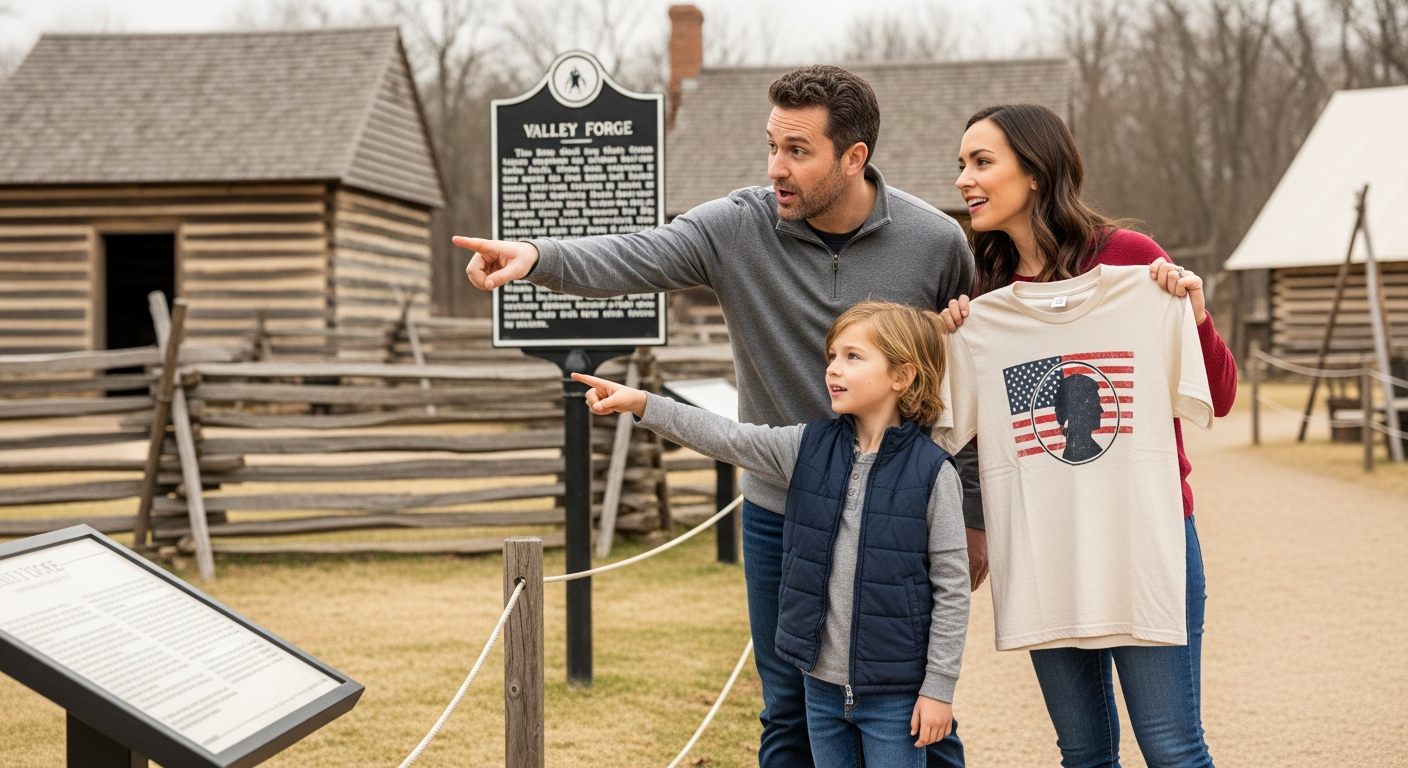
How to Spark a Historical Conversation: A Practical Guide
Keeping these invaluable stories alive doesn’t require a history degree; it simply needs a curious heart and a willingness to share. Here’s how you can make a difference:
- Research Your Local History: Begin with your own backyard. Many towns and counties have rich, untold stories from the Revolutionary era. Visit local historical societies or libraries. You might uncover a patriot ancestor or a forgotten skirmish that took place just miles from your home.
- Visit Historical Sites: There’s a unique power in standing where history happened. Whether it’s Valley Forge, Lexington Battle Green, or a smaller, lesser-known battlefield, these places connect you directly to the past. Feel the air, imagine the sounds.
- Engage with Artifacts and Apparel: Display a reproduction of a colonial flag, or wear a piece of clothing that subtly references a historical event or figure. When someone asks about it, seize the opportunity to share the story. ‘This isn’t just a design; it’s about…’
- Read Beyond the Mainstream: Seek out books and articles that focus on the ‘common’ people of the Revolution – women, African Americans, Native Americans, and ordinary soldiers. Their perspectives offer a richer, fuller picture.
- Share with Family and Friends: Tell these stories at dinner tables, during road trips, or around a campfire. History comes alive when it’s passed down, person to person, generation to generation. It’s how we keep the spirit of 1776 vibrant for centuries to come.
Summary Timeline: Crucial Turning Points that Defined a Nation
To truly grasp the magnitude of what these men and women accomplished, it helps to see the timeline of the struggle. It wasn’t a quick or easy path, but a series of hard-won victories and enduring challenges.
| Year | Key Event & Significance |
|---|---|
| 1775 | April 19: Battles of Lexington and Concord. ‘The shot heard ’round the world’ officially begins the armed conflict. Colonial militias demonstrate their resolve against British regulars. June 17: Battle of Bunker Hill. A costly British victory, but a morale boost for the Patriots, showing they could stand against the formidable British army. |
| 1776 | January: Thomas Paine’s Common Sense published. A powerful pamphlet advocating for independence, widely read and influential in swaying public opinion. July 4: Declaration of Independence adopted. The formal assertion of American independence, articulating the ideals of liberty and self-governance. |
| 1777 | September 11: Battle of Brandywine. A major defeat for Washington, but also a demonstration of the Continental Army’s ability to regroup and fight on. October 17: Battle of Saratoga. A decisive American victory that convinced France to formally ally with the United States, providing crucial military and financial aid. |
| 1778 | February 6: Franco-American Alliance. France formally recognizes the United States and enters the war against Britain, turning a colonial rebellion into a global conflict. Winter 1777-1778: Encampment at Valley Forge. While a time of immense hardship and suffering for the Continental Army, it forged a disciplined and unified fighting force. |
| 1781 | October 19: Siege of Yorktown. The surrender of British General Cornwallis’s army to combined American and French forces, effectively ending major hostilities in North America. |
| 1783 | September 3: Treaty of Paris signed. Officially ends the war, with Great Britain recognizing the United States as an independent nation and ceding vast territories. |
Reflecting on this timeline, I find myself filled with immense gratitude. The journey from scattered colonies to a unified nation was fraught with peril, yet the spirit of these early Americans, from the famous generals to the anonymous seamstresses, shone through. Their sacrifices, their struggles, and their triumphs remind us that the freedoms we cherish today were hard-won, built on the backs of countless individuals who believed in a brighter future. Let’s remember them, honor them, and carry their stories forward for generations to come. Their legacy, 250 years after 1776, is our enduring strength and our constant inspiration.