
American Sports & Pastimes
Why Youth Sports Are Important in American Culture
The Sounds of Summer
There is a very specific sound that tells you summer has arrived. You know the exact one. You are sitting on a set of weathered wooden bleachers on a warm Tuesday evening. The sun is just starting to dip below the tree line. Then you hear it. The sharp ping of an aluminum bat. The cheers of parents echoing across a freshly cut lawn. I have spent countless evenings watching the dust rise from the base paths. It is a beautiful sight. It reminds me of the days when my own knees did not ache and I could run out a ground ball.
Places like Williamsport, Pennsylvania are built on this feeling. That little town gave birth to Little League baseball. It showed us that a simple game of catch could unite a whole neighborhood. This is where American culture truly takes shape. It does not happen in fancy boardrooms. It happens on dusty diamonds and painted hardwood floors. These spaces are classrooms without walls. 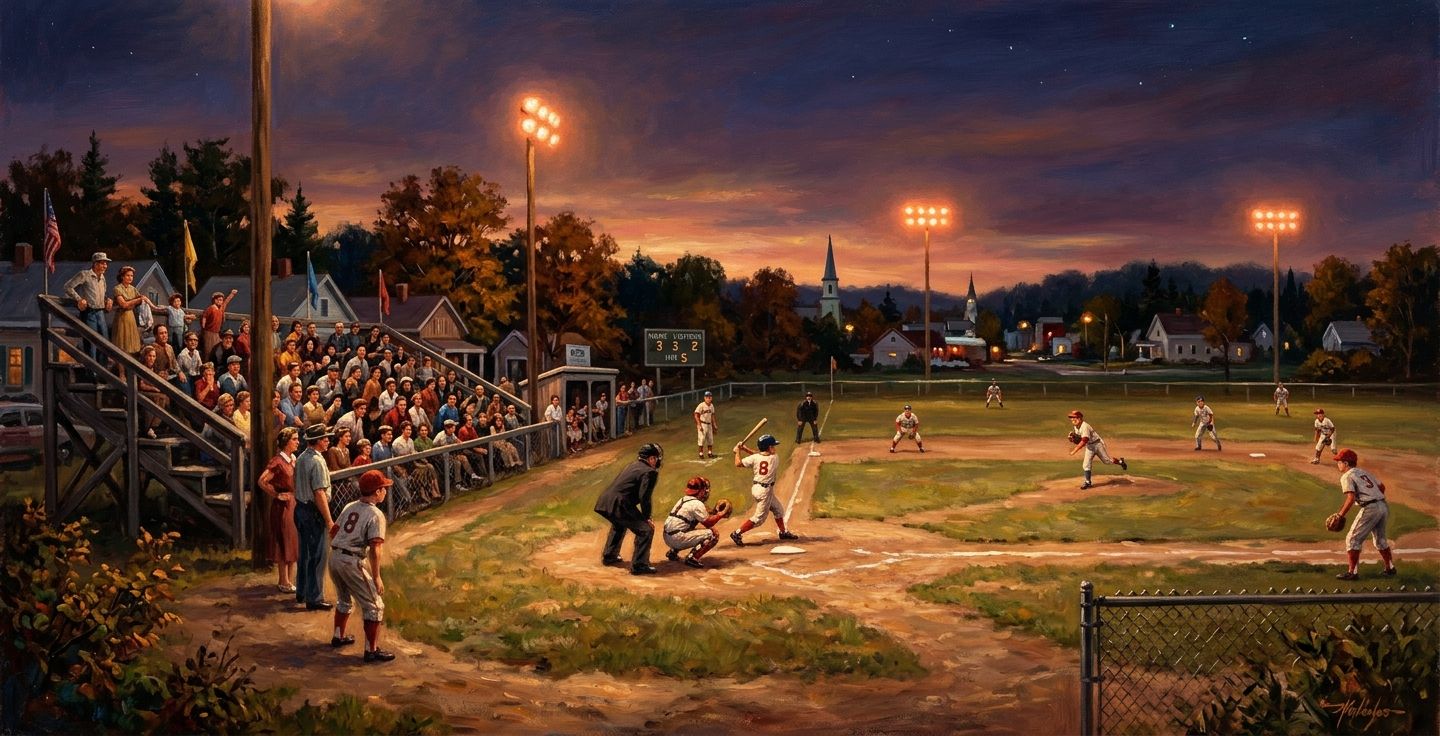
A Shifting Landscape
Life feels quite different today. The world spins much faster than it used to. We see fewer children organizing their own pickup games in empty lots. Digital worlds and glowing screens capture their attention indoors. The rising costs of elite travel leagues push many hardworking families out of the picture. Neighborhood parks sometimes sit quiet on Saturday mornings. It is a complication that weighs heavy on my heart.
This brings us to a vital question. Why must we fight to keep these local traditions alive? What do we truly lose if the neighborhood soccer fields go silent?
The Proof is in the Numbers
We lose a crucial piece of our identity. Youth sports are not just about finding the next professional superstar. They are about shaping the citizens who will run our country tomorrow. I was looking through some research recently, and the numbers surprised me. The Aspen Institute reported that children who play local sports have significantly lower rates of depression and anxiety. Another study by the Centers for Disease Control found that physically active students achieve up to forty percent higher scores on standardized tests.
These young folks are also far more likely to graduate from high school and volunteer locally. The benefits go far beyond physical health. They build immense resilience in a young mind. They teach a child how to stand back up after being knocked down.
Lessons from the Sandlot
We see incredible stories of this resilience in every corner of our history. Think about Babe Ruth (1895-1948). He was a restless boy running the busy streets of Baltimore, Maryland. He lived at an orphanage and struggled to follow the rules. A kind instructor handed him a bat and a ball. That simple gesture gave him a purpose. He learned how to focus his wild energy. He learned about teamwork and dedication. 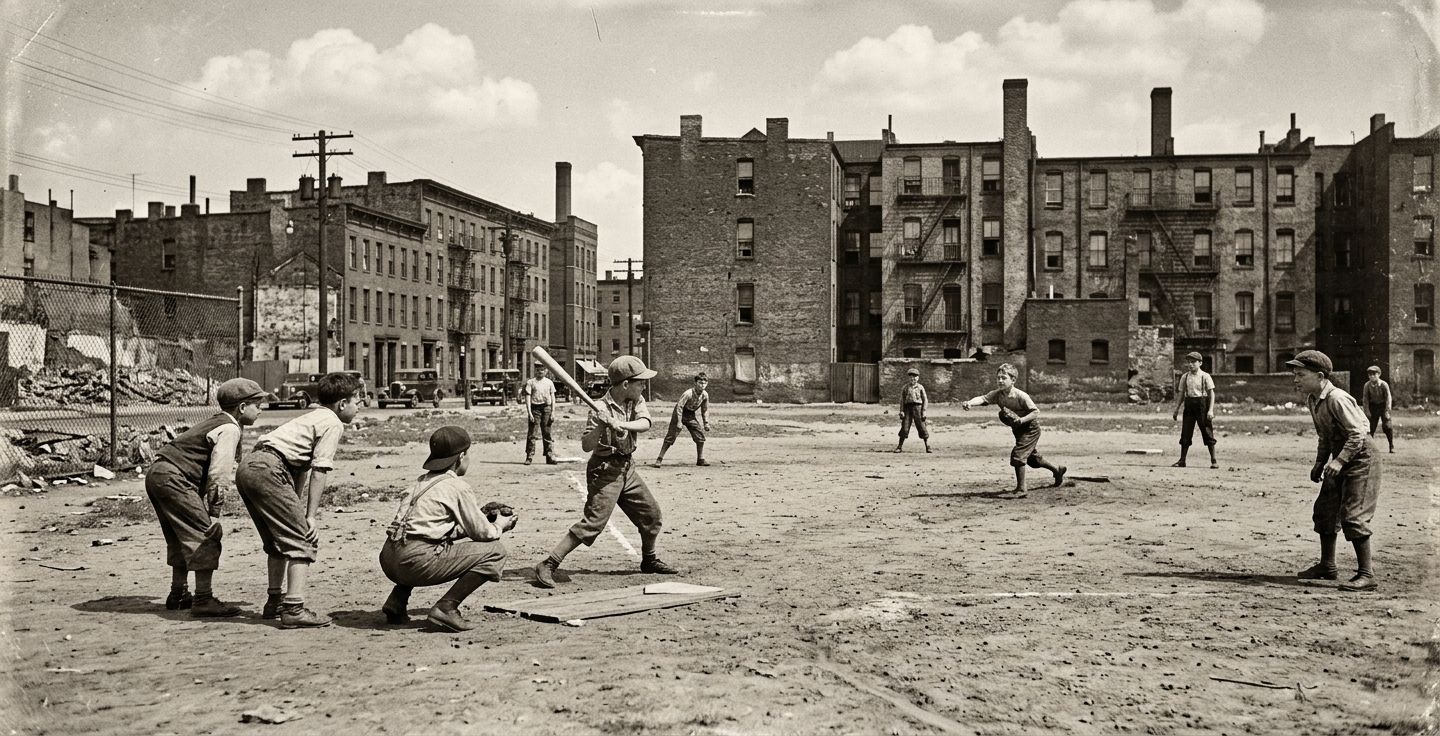
Our local fields are filled with kids just like him today. They might not grow up to hit sixty home runs in a single season. They will, however, learn how to be a good teammate. They will learn how to handle a tough loss with grace.
Let me tell you about another legend, Jim Thorpe (1887-1953). He is a man who defined early American athletic excellence. Before the gold medals and the international fame, he was a young man facing incredible hardships. He found his way to a boarding school in Carlisle, Pennsylvania. It was a strict and difficult place. Yet, on the playing fields, Jim found a way to rise above his circumstances. He showed the entire world what pure determination looks like. His story reminds us that sports offer a ladder out of despair. They offer a chance to prove your worth through sheer effort.
Consider the invention of basketball. James Naismith (1861-1939) was an instructor in Springfield, Massachusetts. The winter of 1891 was brutally cold. His students were stuck indoors and growing restless. He nailed two peach baskets to the lower balcony of the gymnasium. That simple idea grew into a global phenomenon. At its core, it was just a teacher trying to help young people work together. That same spirit lives on in every local gymnasium today.
The Fabric of Our Towns
Sports provide a sturdy foundation for community building. Have you ever noticed what happens in the stands? You might be sitting next to the local baker. On your other side might be the town mayor or a mechanic. None of those titles matter when the game begins. You are all just neighbors rooting for the same group of ten year olds.
You share a bag of popcorn. You groan together when a referee misses a call. You jump to your feet when the smallest kid on the team gets a hit. Those shared moments build lasting bonds. They create deep trust between perfect strangers. They remind us that we have much more in common than we might think.
Passing the Torch
I look at my grandchildren and I feel a profound sense of hope. They have tools and opportunities I never dreamed of having. We just need to make sure they also have the simple joys. They need to feel the sting of a cold wind during a late autumn football game. They need to hear the squeak of sneakers on a wooden court.
It is our job to keep these local leagues thriving. Go down to your local park this weekend. Buy a hotdog from the concession stand to help fund their equipment. Clap for both teams. Volunteer to rake the dirt around home plate. Your presence tells those kids that they matter. It shows them that their community supports them. Let us pass down this wonderful tradition to the next generation.