
American Sports & Pastimes
The Soccer Vs Football Debate: Why America Calls It Soccer
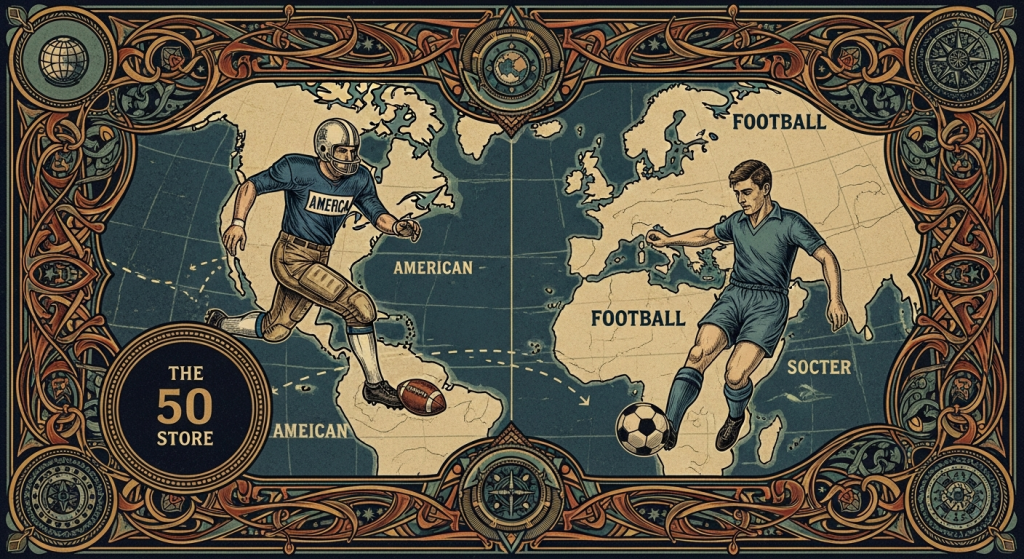
My fellow Americans, gather ’round. There’s a debate that’s been brewing for generations, one that sparks lively conversations at family barbecues and friendly gatherings across the globe. It’s the age-old question, the heart of the soccer vs football debate: why in the world do we, the good old USA, call the beautiful game ‘soccer’ instead of ‘football’? Many folks, especially those beyond our shores, might assume we just cooked up the name ourselves, a bit of American rebellion against the rest of the world. But let me tell you, the truth is far more interesting, a real journey through history and language that connects us directly back to the playing fields of 19th-century Britain.
It’s a story I’ve heard bits and pieces of my whole life, a tale woven into the fabric of our unique sporting culture. Uncovering the linguistic and cultural journey of ‘soccer’ reveals a fascinating narrative of transatlantic sports development, proving that sometimes, the most American things have surprisingly deep roots elsewhere. It’s a testament to how language evolves, how cultures diverge, and how we, as Americans, always find our own way.
A Tale of Two Foot-ball Games: The British Linguistic Roots
To really understand why does America call it soccer, we have to hop across the pond and travel back in time to Victorian England. Imagine bustling public schools like Rugby School or Eton, places where young men were shaping the very concept of organized sport. Back then, there wasn’t just ‘football’ as one unified game. Oh no, it was a wild west of different ‘foot-ball’ games, each school playing by its own set of rules. Some allowed carrying the ball; others strictly forbade it.
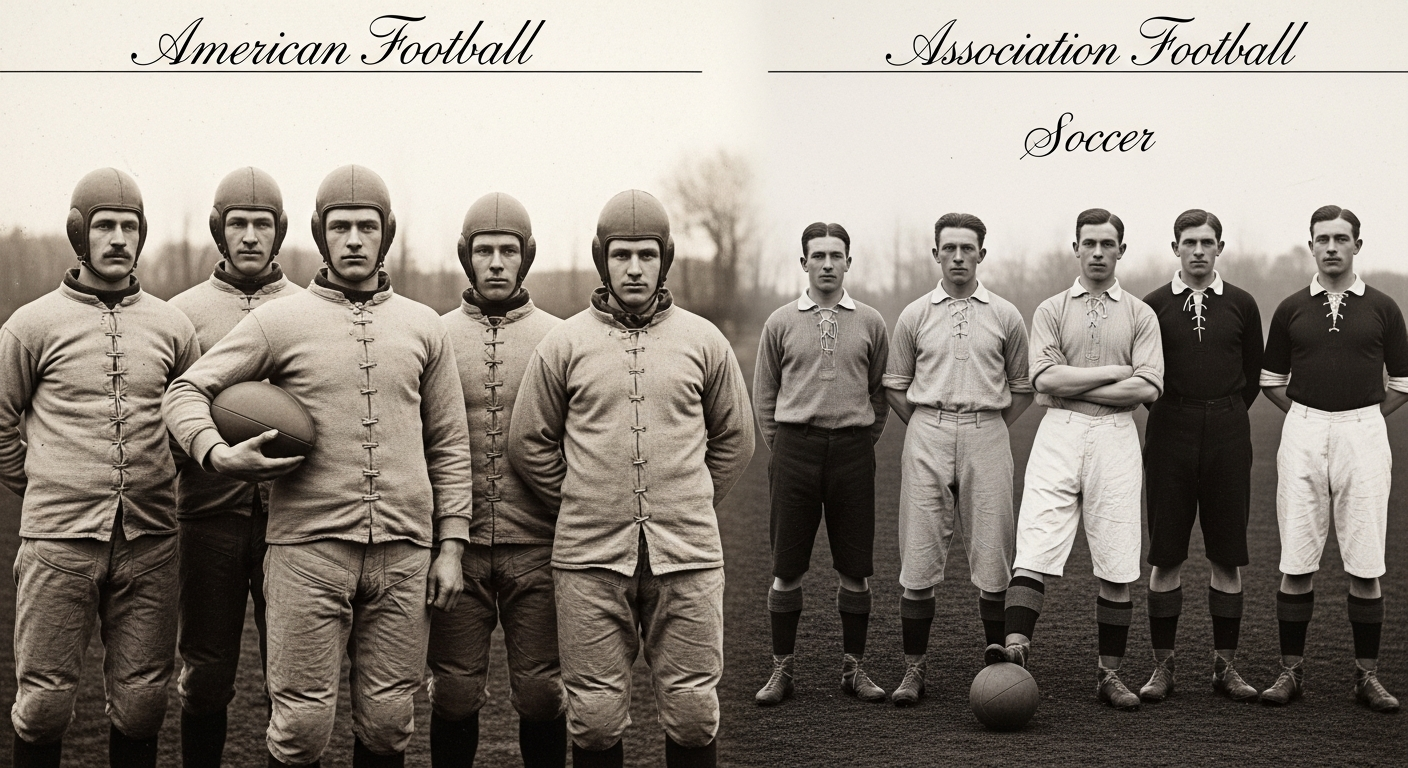
This is where the origin of word soccer truly begins. As these games evolved, attempts were made to standardize them. In 1863, a crucial meeting in London led to the creation of the Football Association (FA). Their goal was to unify the rules for the game where players primarily kicked the ball, officially known as ‘association football.’ This distinguished it from other codes, most notably ‘rugby football,’ where carrying the ball was permitted.
Now, here’s the surprising part, and one that often catches people off guard. The term ‘soccer’ didn’t come from America at all! It was a very British invention, a piece of charming british soccer slang. You see, it was common practice in those university circles to shorten words and add an ‘-er’ suffix. ‘Rugby’ football became ‘rugger.’ And ‘association’ football? Well, the ‘assoc’ part was shortened to ‘soc’ and then ‘soccer’ was born. So, ‘soccer’ was just a playful, informal way for educated Brits to refer to ‘association football’ and differentiate it from ‘rugger.’
Research indicates that as late as the 1970s, the term ‘soccer’ was still widely understood and occasionally used in British media, especially when discussing the American game or to differentiate from rugby football. Before the turn of the 20th century, many early sports clubs in Britain, especially those focused on ‘association rules,’ actually preferred to call their sport ‘soccer’ to distinguish it from the other popular ‘football’ variant of the time. This linguistic quirk, this simple bit of slang, truly is the root of our American usage. It’s not a misnomer, but a historical echo.
The Great Divide: How American Sports Forged Their Own Path
As the 19th century progressed, the seeds of various football codes were also being sown in America. Early forms of football were played in colleges like Harvard University and Yale University, often resembling a chaotic mix of rugby and what we now know as association football history. However, something distinctly American began to emerge.
This is where the path truly diverged. While ‘association football’ (soccer) was gaining traction globally, a new, rougher, and uniquely American game was taking shape. Under the guidance of figures like Walter Camp, often called the ‘Father of American Football,’ rules were codified that allowed for blocking, tackling, and the forward pass. This game, our ‘gridiron football,’ became immensely popular, capturing the American imagination with its blend of strategy, power, and spectacle.
So, how football codes split: Association vs Rugby and Gridiron becomes clearer. In America, we already had a wildly popular sport that we called ‘football.’ It was our game, with our rules, our heroes, and our traditions. When the British game of ‘association football’ made its way over here, the need for a clear distinction became paramount. We couldn’t call both ‘football’ without causing endless confusion, could we? That’s why called soccer here: to distinguish it from *our* football.
This isn’t to say that american soccer history is nonexistent. Far from it! We’ve had periods of great enthusiasm for soccer, even in those early days. But the popularity of American football soared, cementing its place as our national pastime alongside baseball. It was a natural evolution, a pragmatic choice born out of a burgeoning national sports identity.
A Nation’s Sporting Heart: American Identity and the ‘Soccer’ Story
The story of how we adopted ‘soccer’ for the global game is, in many ways, a micro-history of American identity. We’ve always been a nation that takes things, adapts them, and makes them our own. This isn’t an act of rebellion, but a reflection of the rise of American exceptionalism in sport naming. It’s about building our own traditions, carving out our own space, and celebrating the things that make us unique.
I remember growing up, spending autumn Saturdays glued to college football games, the roar of the crowd, the strategy unfolding on the field. That was ‘football.’ When my cousins and I kicked a round ball around the park, we called it ‘soccer.’ It was just how it was, clear as day. This linguistic separation wasn’t a slight; it was simply functional. It allowed both sports to thrive in their own lanes, to develop their own passionate fan bases without stepping on each other’s toes.
Think about it: we didn’t just passively accept a name; we actively chose one that served our cultural and linguistic needs. This is deeply patriotic, I believe. It speaks to our ability to define ourselves, to embrace our own sporting heritage without apology. We honor the British origins, sure, but we also celebrate the American journey that led us to our own unique terms and traditions. It’s a reminder that America isn’t just a melting pot of people, but a melting pot of ideas, words, and yes, sports too.
The Role of Sports Linguistics
This entire phenomenon is a fascinating case study in sports linguistics. Language isn’t static; it’s a living, breathing thing that adapts to its environment. In Britain, where rugby and ‘association football’ coexisted, the slang term ‘soccer’ helped differentiate them. When ‘association football’ came to America, it met a deeply entrenched ‘football’ of a different variety. The practical need for clarity dictated that ‘soccer’ would take hold here, even as it faded from common usage in its birthplace. It’s a testament to how language, like a good athlete, always finds a way to perform its function efficiently.
The Global Pitch: Understanding a World of Words
Today, the soccer name debate still pops up, sometimes with a playful jab, sometimes with genuine confusion from those who don’t know the full story. But for us, it’s just part of our identity. We stand as one of several nations, including Canada, Australia, South Africa, and Ireland, where ‘soccer’ is the predominant term for the sport. And that’s perfectly alright!
The growth of american soccer history in recent decades has been truly inspiring. From youth leagues sprouting up in every town to the rising popularity of Major League Soccer and the incredible achievements of our national teams, soccer (or football, if you prefer the global term!) is flourishing here. We’re seeing stadiums fill up, a new generation of fans embracing the global game, and a deeper appreciation for the sport’s nuances and excitement.
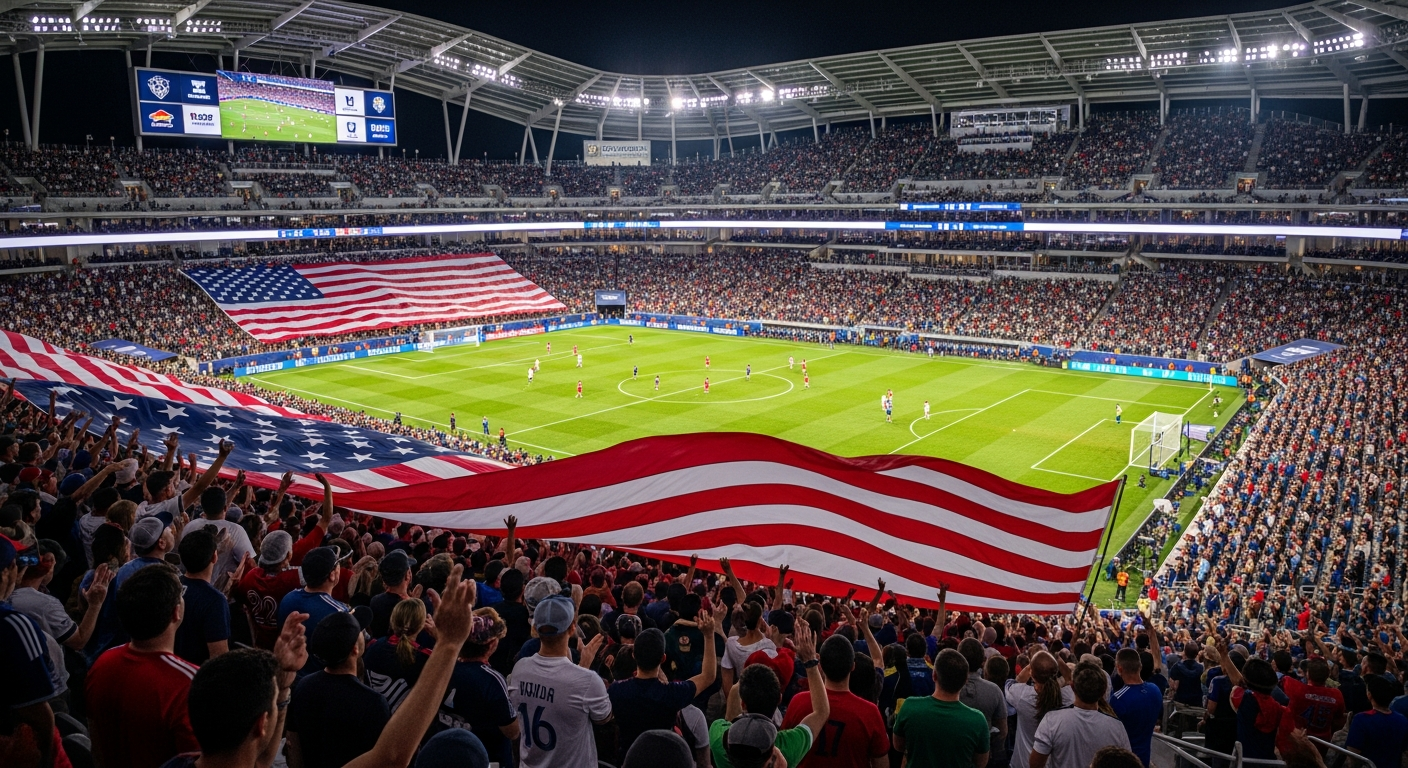
Our unique nomenclature doesn’t diminish our passion or our connection to the sport. It simply highlights our distinct path. It’s a reminder that while we share a common love for the beautiful game with the rest of the world, we do so with our own voice, our own traditions, and our own vocabulary.
So, the next time someone asks why called soccer, you can share this rich history. Tell them it’s not an American invention, but a British import that we, in our wonderfully American way, adopted, adapted, and made our own. It’s a story of language, sport, and national identity, a story that makes me proud to be an American, a story that tells us we can embrace the world while staying true to ourselves.