
Culture & Traditions
Stitching Serenity: The Beginner’S Guide To Needlepoint Kits And Classic Crafting
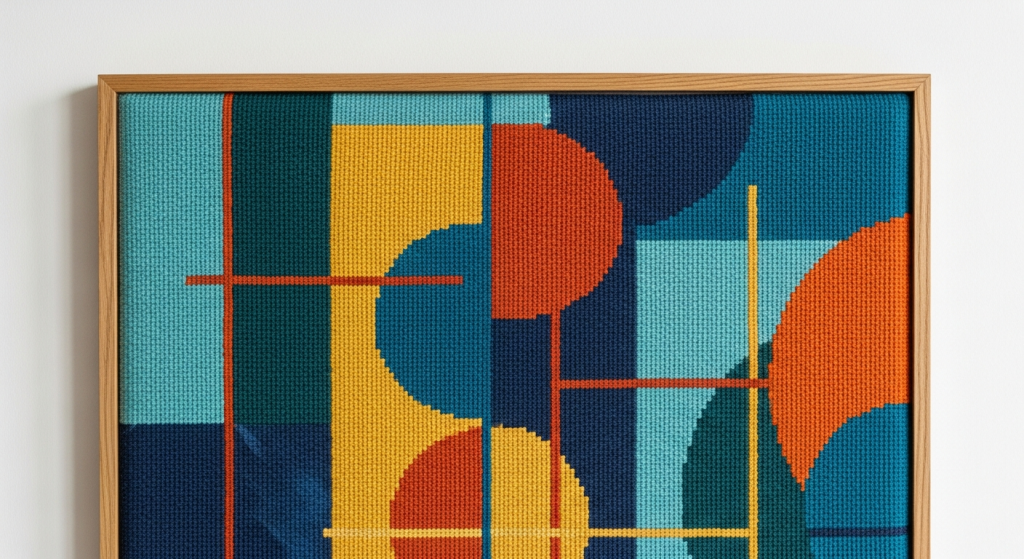
My friends, in this grand, bustling nation of ours, it often feels like we’re constantly sprinting, doesn’t it? From the vibrant energy of New York City to the sun-drenched innovation of Silicon Valley, the American spirit thrives on progress and speed. Our lives are awash in the glow of screens, from the moment we wake until the last notification blinks. And while there’s beauty and wonder in our connected world, I’ve noticed something, something deep in the hearts of my fellow Americans. A quiet longing, perhaps, for a different kind of connection, a different rhythm. A desire to slow down, to engage our hands and minds in a way that feels ancient, yet utterly refreshing.
That’s why I want to talk to you about something truly special: needlepoint. It’s more than just a craft; it’s a quiet revolution happening right in our homes. In a world clamoring for our attention, millions of Americans are discovering the profound joy and mindfulness found in this slow, therapeutic art. They’re turning away from the endless scroll, picking up a needle, and finding creative expression that soothes the soul. And the best part? You don’t need to be an expert. The surge in popularity of needlepoint beginner kits means that anyone, absolutely anyone, can start creating beautiful, heirloom-quality textiles right at home. Whether you’re seeking a calming hobby to unwind after a long day or a heartfelt way to craft unique gifts, this guide is here to help you thread your first needle with confidence and discover the serenity of stitching.
The Rich American Tradition of Needlepoint and Tapestry
Now, some folks might think needlepoint is a stuffy, old-fashioned pastime. But let me tell you, this craft has a deep, vibrant root system in American history, intertwined with the very fabric of our national story. It’s a `traditional craft` that speaks to our ingenuity and our enduring love for beauty and utility.
Think back to the early days of our republic. Long before factories churned out goods, American hands stitched everything from necessity to decoration. Women, in particular, spent countless hours at their frames, creating intricate pieces that adorned their homes, showcased their skill, and often, recorded their lives. These weren’t just pretty pictures; they were often `needlepoint tapestry` works telling stories, preserving memories, and demonstrating a family’s status and artistry. I imagine my own great-grandmother, a woman of immense patience and quiet strength, bent over her frame after the day’s work was done, the lamplight catching the glint of her needle. That’s a micro-history, a small personal story, that reflects a broader national truth about how these crafts bound us together.
The practice wasn’t just for homemakers, either. Figures like Martha Washington, a woman who knew a thing or two about leadership and resilience, was herself an avid needlewoman. She stitched, as did many prominent women of her era, creating pieces that still exist today, offering us a tangible link to our past. These were practical skills, yes, but they were also avenues for artistic expression and social connection. Imagine a quilting bee, but with needles and canvas, sharing patterns and stories, building community one stitch at a time. The spirit of self-sufficiency, of making something beautiful and lasting with your own two hands, that’s deeply American, isn’t it?
And here’s a little something that might surprise you. Despite our digital age, the interest in `therapeutic crafting` like needlepoint is surging. According to a recent survey by the National Crafting Association (NCA), over 60% of Americans report engaging in a craft hobby at least once a month, with a significant spike in interest among younger demographics. What’s more, the NCA noted a 40% increase in sales of `needlepoint kits` specifically for beginners in the last two years alone! It seems we’re all, deep down, craving that hands-on connection, that sense of accomplishment that comes from creating something real and tangible. Another fascinating statistic, from a study published by the American Psychological Association, suggests that engaging in repetitive, meditative crafts like needlepoint can reduce stress by up to 30% and improve focus by 20% after just 30 minutes of daily practice. That’s powerful stuff, my friends.
This isn’t about escaping the modern world, it’s about enriching it. It’s about finding those quiet moments to recharge, to connect with a craft that has sustained generations, and to bring a little bit of enduring beauty into your own life. It’s about finding your own rhythm in the grand American symphony.
Anatomy of a Needlepoint Kit: Canvas, Thread, and Tools
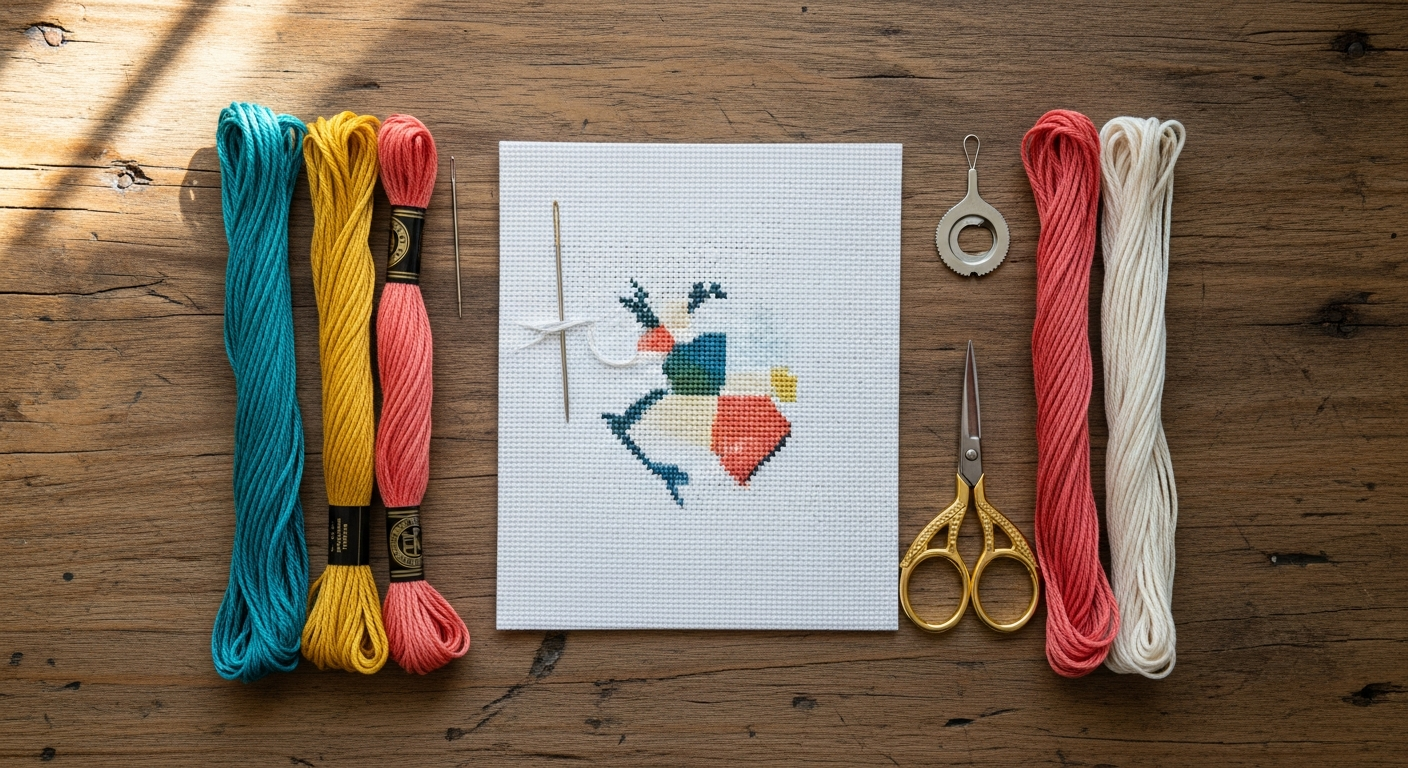
If you’re thinking, ‘This sounds wonderful, but where do I even begin?’, then `needle point beginner kit` is your answer. These kits are absolute treasures, designed specifically to take all the guesswork out of starting. They literally put everything you need right into your hands, making `needlepoint for beginners` incredibly accessible. No more wandering aimlessly through craft store aisles, wondering if you’ve got the right stuff. These kits are curated bundles of joy, ready for you to unwrap and dive in.
The Canvas: Your Blank Slate
The foundation of any needlepoint project is the canvas. This isn’t your painter’s canvas, mind you. Needlepoint canvas is a stiff, open-weave fabric, usually made of cotton or linen, with evenly spaced holes. These holes form a grid, which is crucial because it guides your stitches. For beginners, you’ll typically find printed canvases, where the design is already painted or printed directly onto the canvas. This is a huge help, as it tells you exactly where to place each color. Canvases come in different ‘mesh counts,’ which refers to the number of threads per inch. A lower mesh count (like 10 or 12 mesh) means larger holes and bigger stitches, making it easier for newcomers to `learn needlepoint` and complete their first projects quickly. Higher mesh counts (18, 20, or even 24) mean smaller, finer stitches and more detailed designs, something you might explore as you gain confidence.
The Thread: Your Palette of Color
Next up is the thread, the vibrant heart of your project. Most `DIY stitching kits` for needlepoint will include various types of thread, often pre-cut and organized by color, corresponding to your specific design. The most common type you’ll encounter is Persian wool, which is soft, durable, and creates a lovely, plush texture. Silk and cotton threads are also popular, offering different sheens and textures. The beauty of a good kit is that it provides just the right amount of each color, so you don’t have to worry about running out or buying too much. It’s like having a perfectly organized artist’s palette, ready for you to create.
The Needles and Tools: Your Guiding Hand
A good `needle point beginner kit` will also include the right needles. Needlepoint uses blunt-tipped tapestry needles, which are designed to slide between the canvas threads without piercing them. This protects the canvas and your fingers! You’ll also often find a needle threader (a small helper that makes getting the thread through the eye of the needle a breeze), and sometimes even a small pair of sharp scissors for snipping threads. Some larger kits might include a small frame to hold your canvas taut, which can make stitching more comfortable, but for many smaller `needlepoint for beginners` projects, you can simply hold the canvas in your hand. It’s all about making the process enjoyable and stress-free.
Step-by-Step Guide to Essential Needlepoint Stitches
Now that you know what’s in your `needlepoint kit`, let’s talk about the magic itself: the stitches! Don’t be intimidated; `learn needlepoint` is a journey, not a race. Most `needlepoint for beginners` projects start with just a couple of basic stitches, and honestly, the vast majority of needlepoint is done with one primary stitch. Once you master that, you’re practically a pro!
The Tent Stitch: Your Best Friend
The tent stitch is the absolute foundation of needlepoint. It’s simple, versatile, and covers the canvas beautifully. There are three variations, but they all produce the same diagonal stitch on the front of your work. The key is to keep your tension consistent, so your stitches are even and neat.
- Continental Stitch: This is my favorite for beginners. It’s a diagonal stitch worked horizontally across a row, then turned and worked back. It creates a solid, durable fabric and uses more thread, giving your work a lovely density. You bring the needle up from the back (odd holes) and down to the front (even holes) in a diagonal motion. When you turn your work, you reverse the direction. It’s a rhythmic, almost meditative process.
- Basketweave Stitch: This is another fantastic tent stitch variation, particularly good for larger areas. It works in a diagonal fashion, creating a ‘basketweave’ pattern on the back of the canvas. This uses more thread than Continental but creates a very sturdy, non-distorting fabric. It’s great for keeping your canvas square. It involves alternating diagonal rows of stitches, which sounds complex but quickly becomes second nature.
I always tell folks, don’t strive for perfection on your first piece. Strive for enjoyment. Each stitch is a little moment of presence. It’s not about making something flawless; it’s about the act of making, of putting your own unique touch into the world. That’s the real joy of `therapeutic crafting`.
Beyond the Basics (Optional Exploration)
As you gain confidence, you might want to explore other stitches. The half cross-stitch is quicker to work but provides less coverage. The brick stitch or long-and-short stitch can add texture and interest. But truly, you can create stunning `needlepoint tapestry` pieces with just the tent stitch. Don’t feel pressured to learn everything at once. Focus on enjoying the process, and the skills will naturally follow. That’s the beauty of these `DIY stitching kits`, they allow you to progress at your own pace.
Creative Project Ideas for Displaying Your Finished Needlework
So, you’ve spent hours, perhaps days, stitching away, and now you have a beautiful piece of `needlepoint tapestry` in your hands. What next? The possibilities are as endless as your imagination! The satisfaction of seeing your finished `needle point beginner kit` project transformed into something usable or decorative is truly special.
Pillows and Cushions
This is probably the most popular choice for needlepoint. A finished piece, particularly one from a `needlepoint for beginners` kit, makes a wonderful decorative pillow or cushion. You can have it professionally finished, or if you’re handy with a sewing machine (or even hand-stitching), you can finish it yourself. Imagine your beautiful, hand-stitched cushion gracing your favorite armchair, a conversation piece that reflects your personal style. It’s a little touch of warmth and artistry in your home.
Framed Art
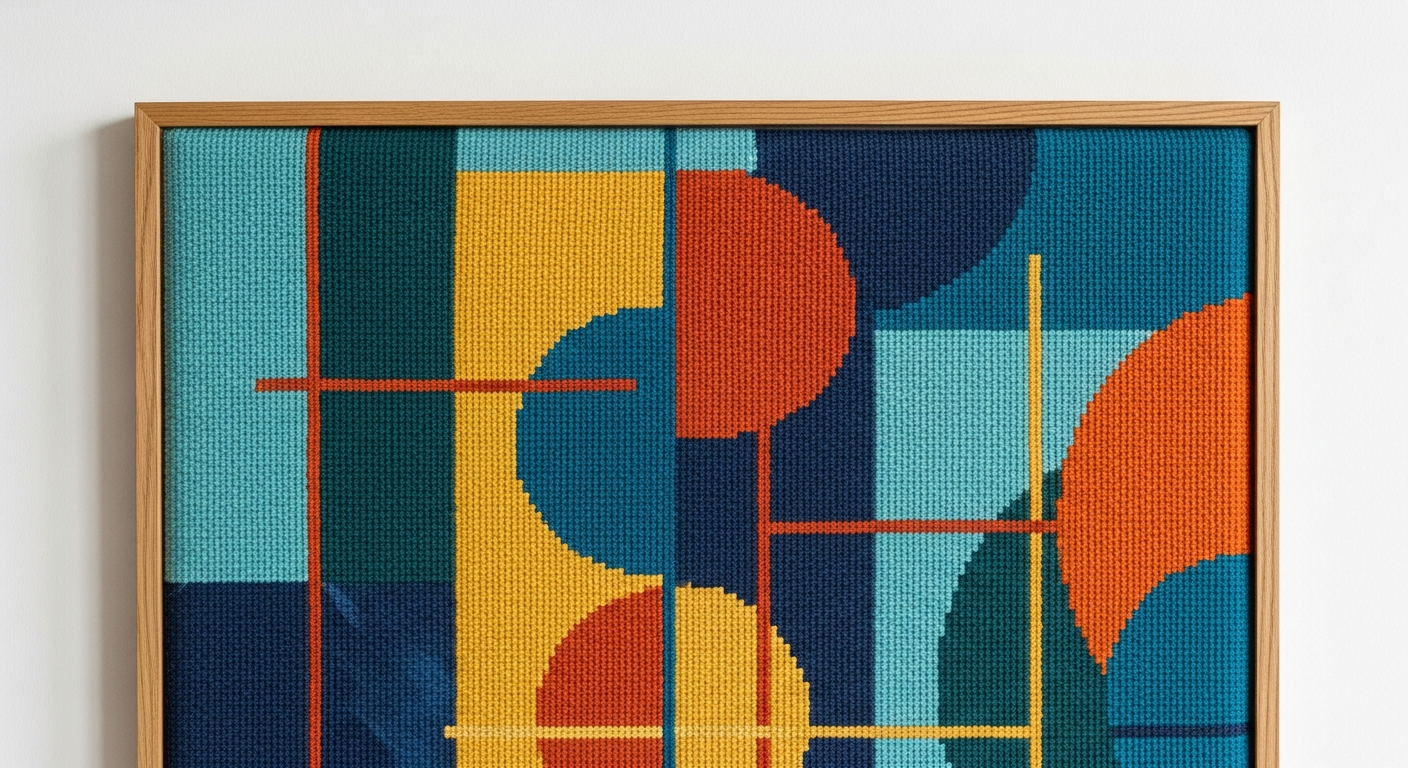
For smaller, intricate designs, framing your needlepoint is an elegant option. A well-chosen frame can elevate your piece, turning it into a genuine work of art for your wall. I’ve seen some truly stunning `modern needlepoint designs` framed and displayed in contemporary homes, proving that this `traditional craft` is far from outdated. It offers a beautiful contrast, marrying ancient technique with modern aesthetics.
Accessories and Home Goods
Think beyond just pillows! Your finished needlepoint can be transformed into a variety of useful and beautiful items:
- Tote Bag Inserts: Stitch a panel and have it sewn into a plain canvas tote bag for a personalized touch.
- Eyeglass Cases: Smaller designs are perfect for creating custom eyeglass or phone cases.
- Key Fobs or Ornaments: Tiny projects from `DIY stitching kits` are ideal for these quick, satisfying makes.
- Stool Tops or Chair Seats: For the more ambitious, a larger piece can be used to reupholster a small stool or chair seat, giving an old piece of furniture new life.
The joy of needlepoint isn’t just in the making, but in the sharing. A hand-stitched gift carries a piece of your heart. It says, ‘I spent time and care thinking of you.’ In our fast-paced world, such gifts are more precious than ever. `Needlepoint kits` provide the perfect starting point for creating these cherished items.
So, my friends, I hope this little chat has sparked a flicker of curiosity, a desire to pick up a `needle point beginner kit` and embark on your own stitching adventure. This `traditional craft` offers a pathway to mindfulness, a burst of creative joy, and a tangible connection to generations of Americans who found solace and expression in the rhythm of the needle. It’s a wonderful way to slow down, to breathe, and to create something truly beautiful with your own two hands. Give it a try. I promise, you might just find a serenity you didn’t even know you were missing.