
American Mythos & National Character
The History Of Freedom: How A Simple Word Built The American Republic

My friends, let me tell you something: there’s no word more deeply woven into the American fabric than ‘freedom.’ It’s a word we hear every day, a word we cherish, a word that feels as natural to us as breathing the crisp morning air. Yet, if you stop and think about it, its meaning has been contested, defended, and redefined at every single turn of our history. It is a concept that has driven pioneers west, fueled monumental civil rights movements, and inspired generations of Americans to defend their liberty, both at home and abroad. To truly understand this remarkable nation, to feel its pulse and appreciate its soul, one must trace the evolution of this powerful, guiding star – the very idea of freedom itself.
As I’ve watched this country grow and change over my lifetime, I’ve come to see that the journey of `american freedom` is not a straight line, but a winding river, carving new paths, sometimes receding, but always, always pushing forward. It’s a story of constant struggle and profound triumph, a testament to the enduring American spirit.
The Birth of American Liberty: From Colonial Rebellion to the Bill of Rights
Picture this: it’s the 1700s. Our forefathers, many of them seeking refuge from tyranny and a better life, arrived on these shores. They brought with them a yearning for self-determination, a deep-seated belief that individuals had rights that no king or parliament could take away. But even then, the `meaning of freedom` was a complex thing. While they spoke of liberty, the stark reality was that many people were excluded. Did you know that in 1776, only about 6% of the colonial population (primarily white, male property owners) were actually eligible to vote, despite fighting for fundamental rights? Freedom was a dream, yes, but one that was initially reserved for a select few.
The `american revolution freedom` was a fiery crucible that forged our national identity. It was a fight against distant oppression, a cry for ‘no taxation without representation.’ Brave men like George Washington led a fledgling army against the mightiest empire of its day, their hearts alight with the promise of `liberty in america`. When independence was won, the founders gathered in places like Philadelphia, grappling with how to enshrine these hard-won freedoms into a lasting framework. They debated, they compromised, and they created a truly revolutionary document: the United States Constitution.
But even after the Constitution was ratified, many felt that more was needed to secure the individual liberties they had fought for. And so, the `bill of rights history` began. Ten amendments were swiftly added, explicitly enumerating protections for speech, religion, assembly, and due process. These weren’t just abstract legal concepts; they were the bedrock of our `constitutional rights`, a promise that the government would not infringe upon the inherent dignity and autonomy of its citizens. This was a monumental step in the `history of liberty`, laying down a foundational understanding of what it meant to be free in this new nation.
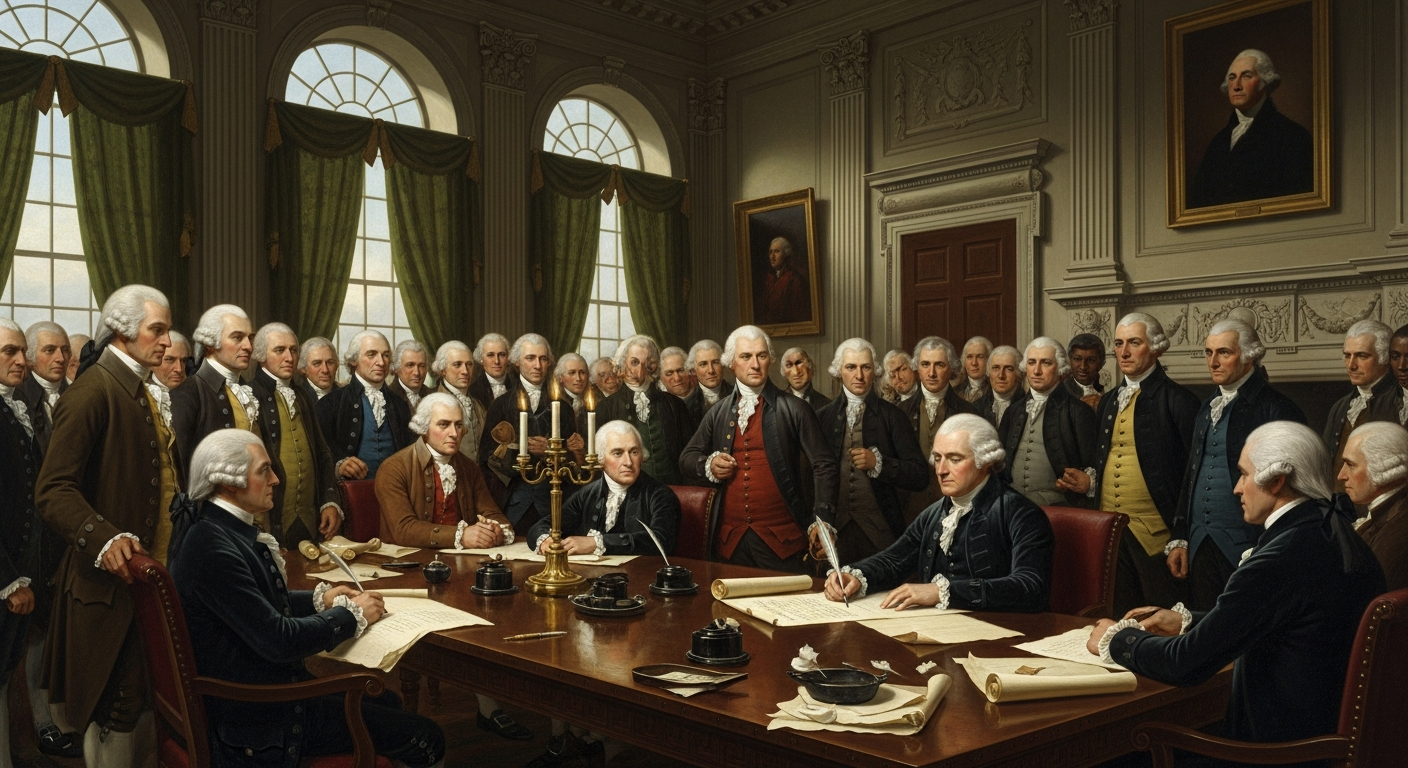
Let’s take a quick look at some of these early milestones:
| Era | Key Event / Amendment | Who Gained / Protected | Core Concept of Freedom |
|---|---|---|---|
| 1776 | Declaration of Independence | Colonies gained independence from Britain | National self-determination, natural rights (life, liberty, pursuit of happiness) |
| 1787 | U.S. Constitution Ratified | Established a federal republic, limited government | Ordered liberty, popular sovereignty, checks and balances |
| 1791 | Bill of Rights (First 10 Amendments) | All citizens protected from government overreach | Individual civil liberties (speech, religion, assembly, due process) |

The 1776 Winners History Premium Tee
Wear your story with pride! Celebrate classic American values, history, and heritage with our premium crafted apparel, designed for comfort and durability.
Freedom Redefined: How the Civil War and Reconstruction Era Expanded the Promise of Liberty
For all the talk of liberty, a glaring contradiction stained the soul of our young nation: slavery. How could a country founded on the idea that all men are created equal hold millions in bondage? This was the terrible moral dilemma that defined much of our early `history of american freedom`. At the time of the Civil War, nearly 4 million people were enslaved in the American South, representing over 12% of the total US population. This isn’t just a number; it represents generations of human beings denied their most basic rights, their very humanity.
The Civil War, from 1861 to 1865, was a crucible of fire that tested the very idea of America. It was a fight to preserve the Union, yes, but more profoundly, it became a struggle to redefine the `meaning of freedom` itself. President Abraham Lincoln, with his profound moral clarity, understood that the nation could not long endure half slave and half free. His Emancipation Proclamation in 1863 declared millions free, a pivotal moment that forever changed the trajectory of `liberty in america`.
The end of the war brought a period known as Reconstruction (1865-1877), an ambitious attempt to rebuild the South and integrate formerly enslaved people into American society. The 13th Amendment abolished slavery, the 14th granted citizenship and equal protection under the law, and the 15th guaranteed voting rights regardless of ‘race, color, or previous condition of servitude.’ These amendments fundamentally expanded our understanding of `constitutional rights`, pushing the boundaries of `american freedom` farther than ever before. Imagine the hope and the heartbreak of that era, as men and women, newly freed, worked tirelessly to build schools, churches, and communities, often in the face of violent opposition. This wasn’t just a legal change; it was a profound shift in the soul of the nation, a step towards living up to the promise of its founding.
Modern Liberty: Individual Freedom vs. Collective Responsibility in the 20th and 21st Centuries
As the nation moved into the 20th century, the discussions around `what is freedom` continued to evolve. Women fought for and won the right to vote in 1920 with the 19th Amendment, an extension of liberty that had been decades in the making. The Great Depression, the two World Wars, and the Cold War all forced Americans to consider the balance between individual liberty and collective responsibility. During wartime, for example, rationing and conscription were accepted as necessary sacrifices for the greater good of protecting our nation’s `american freedom` against external threats.
The mid-20th century saw another monumental push for true `liberty in america` with the Civil Rights Movement. Led by figures like Martin Luther King Jr., this movement exposed the painful gap between the legal promise of equality and the lived reality of segregation and discrimination for African Americans. The Civil Rights Act of 1964 and the Voting Rights Act of 1965 were legislative triumphs that, building on the groundwork of Reconstruction, sought to finally make good on the promise of the 14th and 15th Amendments. This was about ensuring that `constitutional rights` were not just written on paper but truly applied to every single American, regardless of their skin color.
In our own time, the discussions continue. From debates about privacy in the digital age to the balance between national security and personal freedoms, the journey of `history of american freedom` is an ongoing conversation. We see how vital `freedom and patriotism` are intertwined, as our love for this country often stems from our belief in its core ideals of liberty and justice for all. It’s about recognizing that our freedoms come with responsibilities, not just to ourselves, but to our neighbors and to the generations who will follow us.
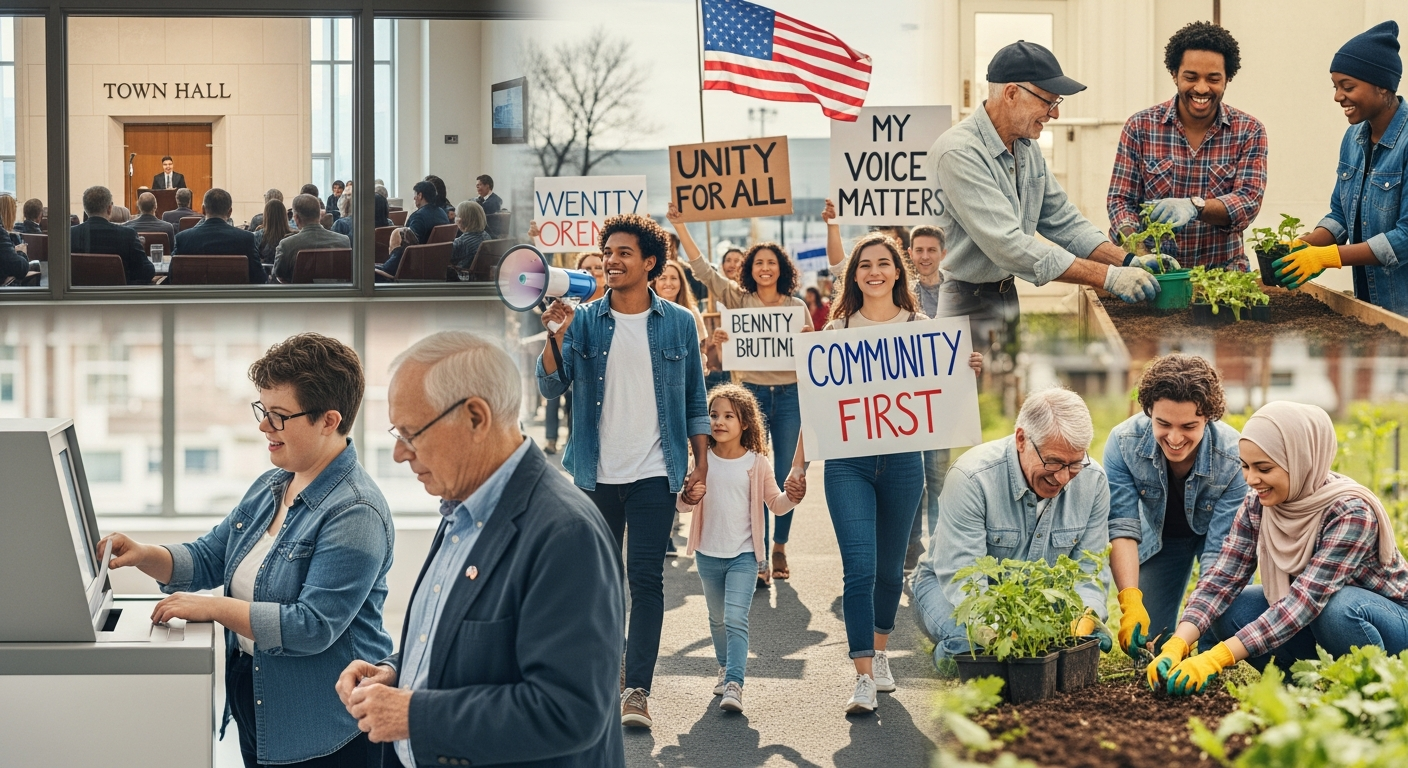
How to Keep American Freedom Alive in Your Community
Our `freedom american history` teaches us that liberty is never a given; it’s something we actively participate in. Here are some steps we can all take:
- Stay Informed: Understand the issues, read widely, and question sources. A well-informed citizenry is the bedrock of a free society.
- Exercise Your Right to Vote: This is perhaps the most fundamental `constitutional right`. Research candidates, understand policies, and cast your ballot in every election.
- Engage Locally: Attend town hall meetings, join local civic groups, or volunteer for causes you believe in. Change often begins in our own neighborhoods.
- Practice Respectful Dialogue: We won’t always agree, but upholding freedom means defending the right of others to speak their minds, even when their opinions differ from ours. Listen, learn, and discuss with civility.
- Support Education: Ensure that the next generation understands the `history of liberty`, the sacrifices made, and the responsibilities that come with it.
The Enduring Challenge of Safeguarding Freedom for Future Generations
My friends, tracing the `history of american freedom` is a powerful reminder that our nation’s story is one of continuous striving. From the battle for independence to the fight for civil rights, each generation has inherited the task of defending, defining, and expanding `what is freedom`. It’s a never-ending journey, a constant negotiation, and a profound privilege.
As I look back on all we’ve overcome, I feel an immense hope. This isn’t just a land of laws, but a land of ideals, where the promise of `american freedom` continues to call us forward. It’s a call to remember the sacrifices, to honor the struggles, and to ensure that the light of liberty shines brightly for every single American, now and for all time. Our `freedom and patriotism` aren’t static; they are living, breathing things that require our constant care and participation. Let’s embrace that challenge, together, with wisdom and hope, just as generations before us have done.