
American Sports & Pastimes
The Origins Of Tailgating: From Early Spectators To America’S Parking Lot Cookout Ritual
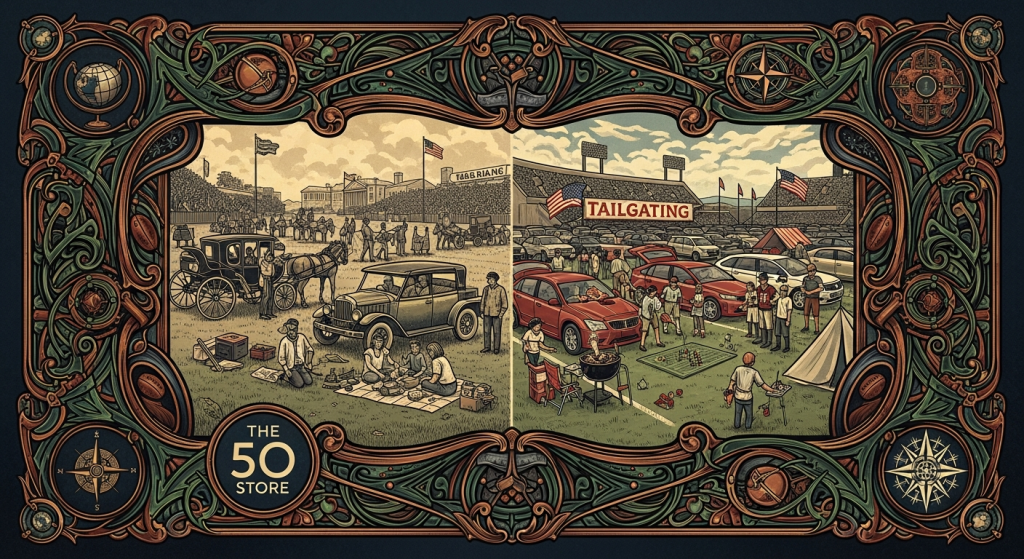
Folks, there’s a certain magic that happens long before the stadium lights flicker on, even before the first coin toss or the roar of the crowd. It’s a symphony of sizzling grills, laughter, and camaraderie, played out in the humble asphalt expanse of a parking lot. This, my friends, is where the real action often begins. It’s what we proudly call **tailgating**, America’s ultimate pre-game cookout ritual, a tradition as ingrained in our culture as apple pie and fireworks on the Fourth of July.
But have you ever stopped to wonder where this beautiful tradition truly comes from? It might feel as modern as a flat-screen TV, but its roots stretch deep into our nation’s history, back to 19th-century wagon trails and the earliest college gridiron openers. It’s a story of American ingenuity, community, and our enduring love for good food enjoyed in the great outdoors. I’ve seen this ritual evolve over my lifetime, from simple setups to elaborate spreads, and each time, it warms my heart to see that fundamental spirit of togetherness endure.
From Chuckwagons to Tailgate Grills: A History of Hearty American Feasts
The Chuckwagon Blueprint: Paving the Way for Open-Air Dining
To understand tailgating, we first have to tip our hats to a true American icon, the chuckwagon. Picture this: the vast, untamed American West, cattle drives stretching for hundreds of miles, and hungry cowboys needing a hot, fortifying meal. Enter the chuckwagon, invented in 1866 by Texas rancher Charles Goodnight. This wasn’t just any wagon; it was a mobile kitchen, complete with a “chuck box” that folded out to become a workspace, holding cooking utensils, spices, and dried goods. It was designed to keep food fresh, prepare hearty meals, and feed a crew, no matter how remote the location.
This ingenious setup taught us something fundamental about American dining: you don’t need a fancy restaurant to share a great meal. You just need a place to gather, some good provisions, and the spirit to make it happen. The chuckwagon, in its practical design and its role in fostering community around a campfire, truly laid the foundation for preparing hot food in the open air, a direct ancestor to our modern parking lot feasts. It was about making the most of what you had, wherever you were, and turning a necessity into a moment of shared joy.
The First Game of 1869: A Glimpse of Early Tailgating
Now, let’s fast forward a bit, from the dusty plains to the crisp autumn air of a college town. Many historians point to November 6, 1869, as a pivotal moment. That’s when Rutgers University and Princeton University played what’s widely considered the first intercollegiate football game. It was a spectacle, attracting quite a crowd. Spectators, eager to witness this novel contest, traveled by horse-drawn carriages, bringing with them provisions for a full day of excitement.
Imagine the scene: horse-drawn carriages parked around the perimeter of the field, their tailgates (the actual gate at the back of the wagon) lowered. People gathered, sharing sausages grilled over open fires, sandwiches, and spirits. It wasn’t the meticulously planned, grill-and-cooler extravaganza we know today, but the essence was undeniably there. It was about celebrating an event, sharing food and drink with fellow enthusiasts, and creating a festive atmosphere before the main attraction. The seed was planted, a tiny acorn that would one day grow into a mighty oak of American tradition.
The Station Wagon Era: Tailgating Goes Mainstream
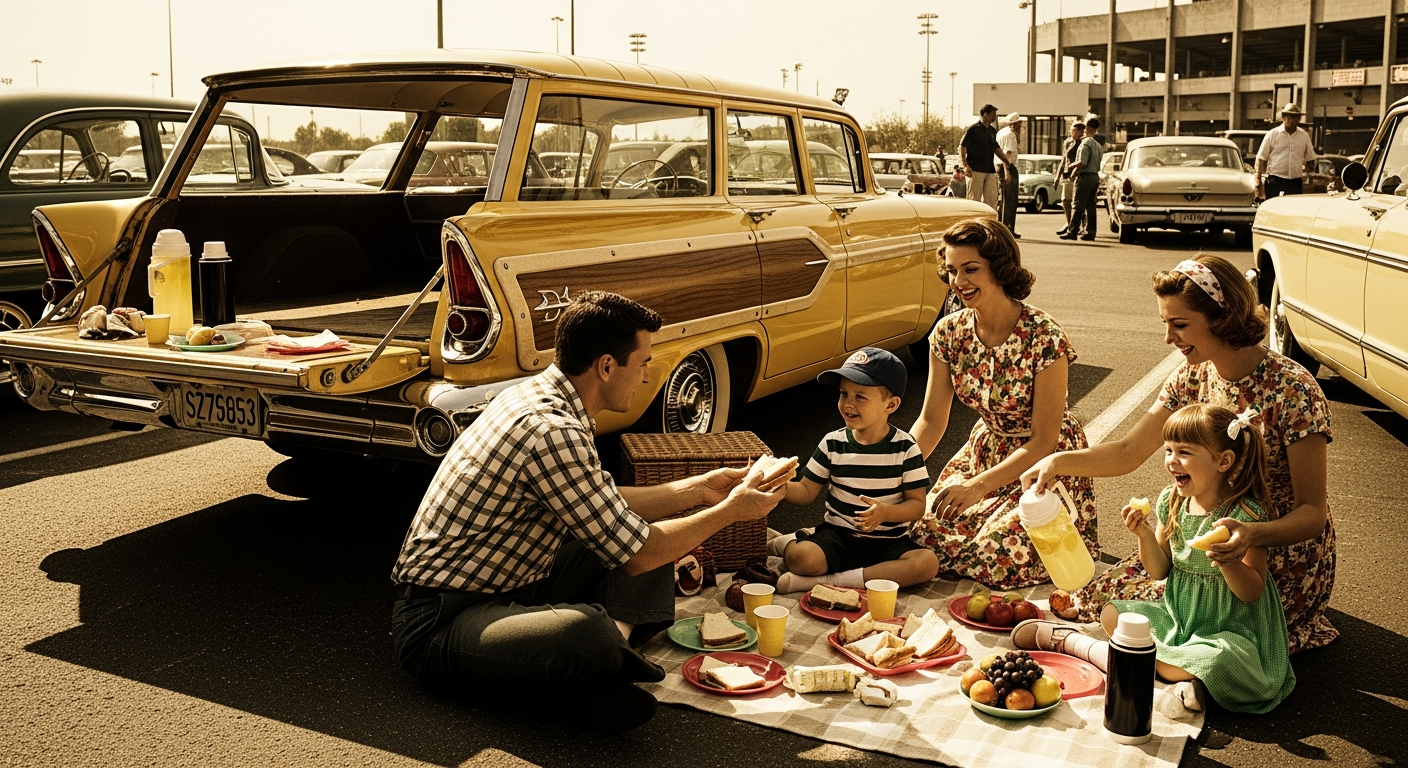
The true explosion of tailgating into a national ritual, however, truly took root in the post-World War II era. America was booming. Suburbia was expanding, disposable income was growing, and families were hitting the open road in their shiny new automobiles. The rise of the station wagon, with its spacious cargo area and, crucially, its fold-down tailgate, was a game-changer. These cars weren’t just for groceries or road trips, they became mobile dining tables, portable picnic benches, and instant social hubs.
My own father, God rest his soul, used to tell me stories about packing up our old Ford Country Squire for a Sunday drive, always with a picnic basket in the back. That same spirit, just transplanted to a stadium parking lot, became the norm. Families would load up their coolers with hot dogs, hamburgers, potato salad, and plenty of sodas. The ease of setting up a temporary kitchen right at the back of the car made it accessible to everyone. It wasn’t just about the game anymore; it was about the entire experience, from the moment you pulled into the lot until the final whistle. This era cemented tailgating as a beloved, family-friendly American pastime.
Community in the Concrete: The Heart of the Tailgate
So, what is it about tailgating that makes it such a sacred tradition of shared food, team pride, and parking-lot hospitality? It’s more than just eating outside; it’s a profound expression of community. In a world that often feels increasingly disconnected, tailgating pulls us together. You see folks from all walks of life, united by a shared passion, be it for a football team, a concert, or just the joy of a sunny afternoon.
I’ve witnessed countless acts of kindness and generosity in those parking lots: a stranger offering an extra hot dog, someone lending a can opener, or sharing a grilling tip. It’s a microcosm of the best of America, where barriers come down, and good cheer reigns supreme. For many fans, the parking-lot cookout is almost as important, sometimes even *more* important, than the game itself. It’s where lifelong friendships are forged, traditions are passed down, and memories are made, one delicious bite at a time.
The Enduring Appeal: More Than Just a Meal
Tailgating brings together the best of American culinary traditions. You’ll find regional barbecue styles, each fiercely defended by its adherents, from smoky Texas brisket to tangy Carolina pulled pork. There are local craft beers, often brewed just a few miles from the stadium, and family recipes passed down generations: Grandma’s famous coleslaw, Aunt Carol’s secret chili, or Uncle Mike’s legendary grilled wings. These aren’t just meals; they’re stories, histories, and expressions of love. I’ve even seen entire setups dedicated to gourmet cooking, complete with smokers and portable fryers. The creativity never ceases to amaze me!
And let’s not forget the sheer social impact. According to a 2017 study by the Tailgating Institute, the average tailgater spends around $500 per season on food, beverages, and supplies. That adds up to billions nationwide, fueling local businesses and economies. But beyond the numbers, it’s the intangible value that truly stands out. A Nielsen Fan Insights report from 2018 found that 85% of NFL fans consider tailgating a tradition, and for a significant portion, the social aspect of the tailgate is a primary draw. It’s a reminder that sometimes, the simple act of breaking bread (or sharing a burger) with others is exactly what we need.
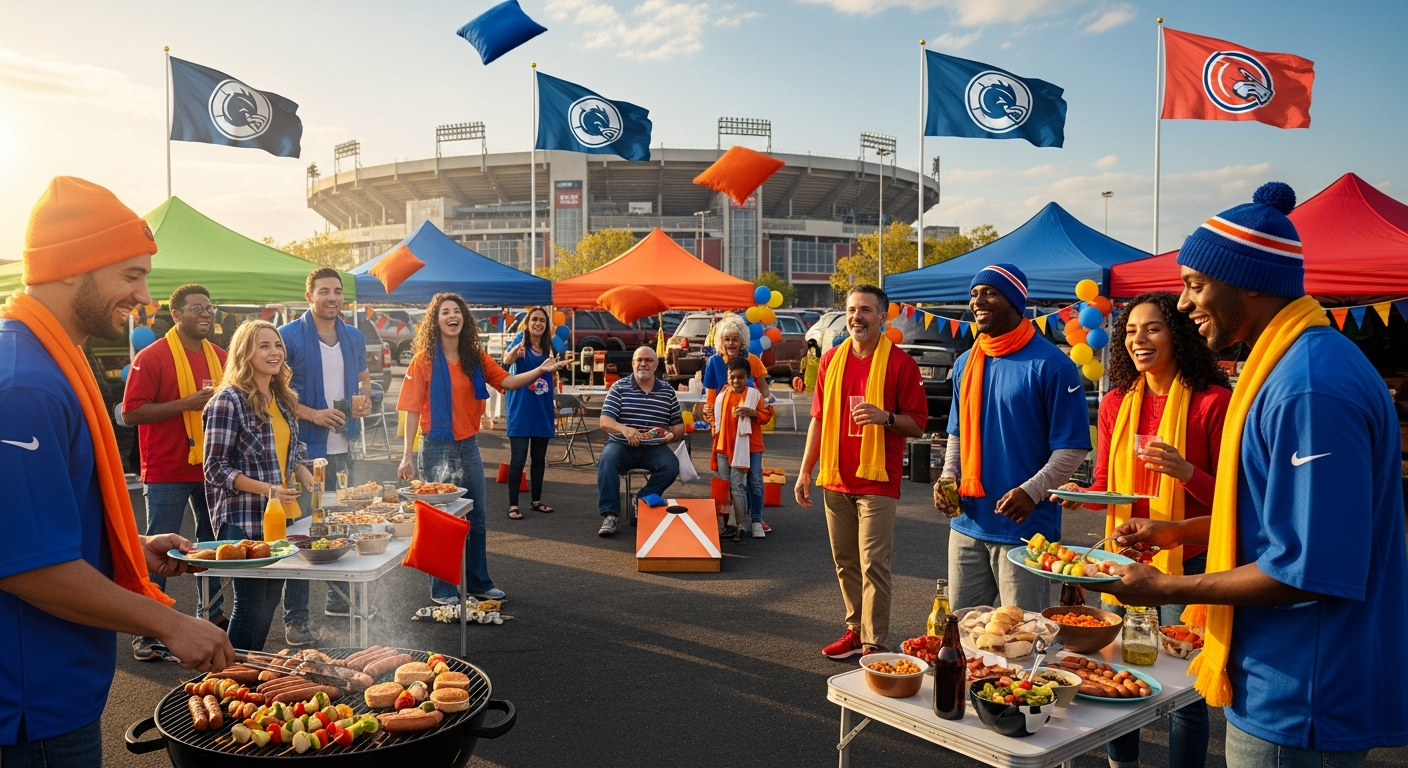
This ritual is a testament to our enduring spirit of self-reliance and community. It’s a place where everyone feels welcome, where good food and good company are the main ingredients. It’s an affirmation of American values: hard work, good fun, and the joy of coming together. It doesn’t matter if your team wins or loses; the tailgate always provides a victory in camaraderie.
Embrace the Tradition: Master the Art of the Parking Lot Feast
So, the next time you’re gearing up for a big game, a concert, or just a beautiful day out, remember the rich history behind that parking lot cookout. From the resourceful chuckwagons of the frontier to the family station wagons of suburbia, tailgating is a vibrant thread in the fabric of American life.
If you’re looking to show off your dedication to this cherished American tradition, whether you’re grilling in the backyard or holding court in the stadium lot, you might consider our “Master of the Tailgate Grilling Tee.” It’s perfect for backyard BBQs or game-day parking lots, designed for comfort and style. Printed on a buttery-soft combed cotton tee, it’s built for premium durability and a fit that says, “I know my way around a grill and a good time.” It’s more than just a shirt; it’s a nod to a heritage, a badge of honor for anyone who understands that the best memories are often made over an open flame, surrounded by friends and family. Let’s keep this wonderful tradition alive and kicking, one delicious meal at a time.