
American Lifestyle
The History Of The Beach Read: How Summer Novels Shaped American Vacation Culture
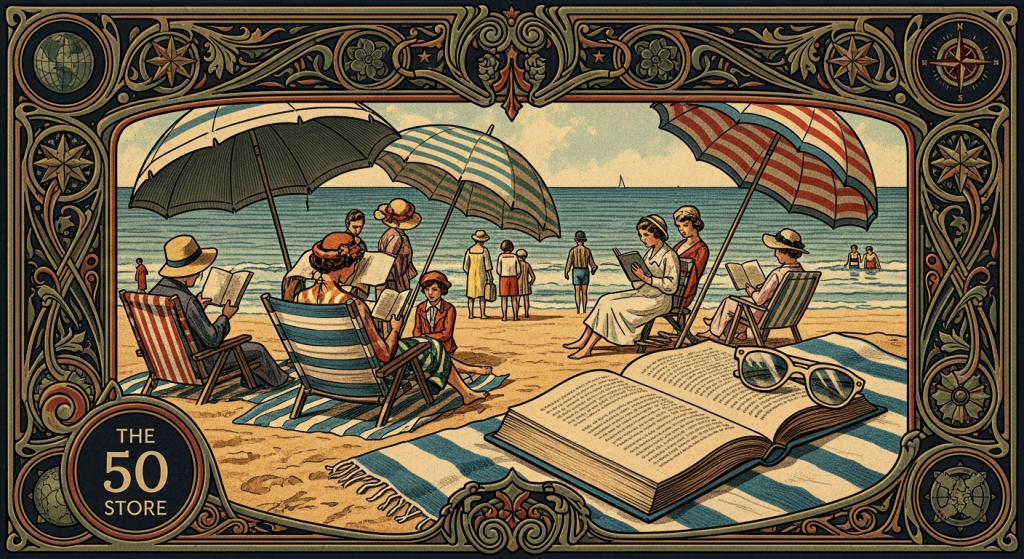
Every summer, as the days stretch long and the sun warms our skin, millions of Americans instinctively pack their bags. Alongside sunscreen, swimsuits, and beach towels, a cherished tradition holds strong: the beloved ‘beach read.’ This ritual, for many of us, is more than just a casual leisure habit; it is a deeply ingrained American pastime, a signal that vacation has truly begun. From the pages of 19th-century railroad paperbacks to the thrillers we devour by the modern poolside, the stories we carry to the shore have subtly but surely shaped our understanding of escape and relaxation. I remember summer afternoons spent in my grandmother’s Ohio kitchen, the smell of baking pies mixing with the scent of old paperbacks she’d picked up from the local five-and-dime. Those were simple stories, often romances or mysteries, but they transported her, and later, me, to worlds beyond our backyard garden.
This enduring love affair with summer novels is a fascinating micro-history of American leisure itself. It speaks to our desire for stories that mirror the freedom of vacation, tales that are easy to pick up and put down as the waves crash or the kids splash nearby. But where did this idea of a dedicated ‘summer reading list’ truly begin, and what makes a book perfect for those sun-drenched days?
The Historical Origins of Cheap Paperbacks and Summer Vacation Culture
To understand the beach read, we must first look at two converging paths in American history: the rise of mass tourism and the proliferation of affordable books. In the mid-19th century, as industrialization offered more people disposable income and the railroads made travel accessible, a new phenomenon emerged: the summer vacation. Places like Atlantic City, New Jersey, and Cape Cod, Massachusetts, became bustling hubs for those seeking respite from city life. Simultaneously, publishing was undergoing its own revolution.
The 1840s saw the birth of ‘dime novels’ or ‘story papers,’ cheap, sensational fiction often sold for a mere five to ten cents. These were the true ancestors of our modern vacation paperbacks. Early publishers like Irwin P. Beadle and his brother Erastus Beadle pioneered this format, making books accessible to a broader public. Imagine travelers on a long train journey, perhaps on one of George M. Pullman’s luxurious sleeping cars, seeking entertainment. These small, light, and inexpensive books were ideal companions. They didn’t take up much luggage space, and losing one in the sand wasn’t a significant financial blow.
The real boom for the modern paperback came in the 1930s with Pocket Books, founded by Robert de Graff. These mass-market paperbacks, launched in 1939, offered popular titles for just 25 cents. They were designed for portability, often featuring bright, eye-catching covers. It was around this time that the concept of a ‘summer reading list’ began to solidify, not just for academics, but for everyday folks. People wanted books to read on vacation, something lighthearted to accompany their travels. According to a 2018 survey by the American Library Association, 63% of adults say they read more during the summer months, a testament to this enduring tradition. This is truly fascinating, especially when you consider that paperback sales continue to be a significant portion of the publishing industry, making up 48% of all print book sales in 2022, according to the Association of American Publishers.

The history of paperbacks is a direct reflection of American ingenuity and our love for accessible entertainment:
| Era | Publishing Innovation | Cultural Impact on Vacation | Example Genres/Authors |
|---|---|---|---|
| Mid-19th Century (1840s-1860s) | Dime Novels & Story Papers. Inexpensive (5-10 cents), sensational fiction. | Accompanied early railroad travel and the nascent idea of leisure getaways. | Westerns, adventure tales, detective stories (e.g., Beadle and Adams publications). |
| Early 20th Century (1900s-1930s) | Blue Book Magazine, Argosy. Pulp magazines, still cheap but with more variety. | Escapist reading for growing middle-class vacationers; often left behind at hotels. | Fantasy, science fiction, romance serials. |
| Mid-20th Century (1940s-1970s) | Mass-Market Paperbacks (Pocket Books, Bantam, Dell). Standardized size, 25 cents. | Defined the ‘beach read’ as we know it. Portable, affordable, and ubiquitous at newsstands. | Mysteries (Agatha Christie), thrillers, historical fiction, popular romances. |
| Late 20th – Early 21st Century (1980s-Present) | Trade Paperbacks, E-readers, Audiobooks. Wider range of sizes and digital formats. | Continued expansion of formats for diverse travel and reading preferences. | Genre fiction (thrillers, contemporary romance, cozy mysteries), memoirs, literary fiction. |
What Makes a Book a Perfect ‘Beach Read’?
So, beyond being a vacation paperback, what truly elevates a book to ‘beach read’ status? From my conversations with fellow book lovers at Ohio’s county fairs and from observing what people tuck into their tote bags at lakeside resorts, I’ve noticed a few common threads:
Engaging Pacing
A good beach read often features a quick, compelling pace. You want to be drawn into the story immediately, with chapters that are easy to consume in short bursts between dips in the ocean or sips of lemonade. Think of stories that have you turning pages, eager to know what happens next, but not so complex that you lose the thread if you get distracted by a passing seagull or a child’s laughter.
Pure Escapism
The essence of a summer escape book is just that: escape. We’re looking for worlds far removed from our daily routines. This often means stories with intriguing plots, exotic settings, or compelling characters who face dilemmas quite different from our own. Whether it’s a thrilling mystery set on a remote island, a heartfelt romance blooming in a picturesque European town, or a historical saga that transports you to another century, the goal is to fully immerse yourself and forget your worries.
Accessible Themes and Emotional Resonance
While beach reads can certainly be thought-provoking, they typically lean towards themes that are universally relatable and emotionally satisfying. Romance, mystery, family drama, and personal growth are perennial favorites. They offer a sense of resolution, joy, or catharsis that feels particularly good during a relaxed summer holiday. They might touch your heart or make you laugh out loud, but they rarely leave you feeling heavy or intellectually drained.
The Cultural Evolution of the Summer Bestseller List in America
The concept of a summer bestseller list is intrinsically linked to the history of paperbacks and how publishing houses learned to market to a vacationing public. In the early to mid-20th century, publishers began to strategically release certain titles during the warmer months, knowing that travel and leisure meant more reading time. These were often books with broad appeal, designed to capture the public imagination.
Think of the sensation created by a book like Jaws by Peter Benchley when it was released in 1974. A thrilling, suspenseful story set at the beach – it was the quintessential classic beach read, perfectly timed for summer audiences and practically demanded to be read by the water. My grandfather, a man of few words, actually discussed that book with me, marveling at the timing. That’s how impactful these summer novels became!
Today, the landscape is broader. While thrillers and romance novels remain staples of any summer reading list, contemporary literary fiction, compelling memoirs, and even narrative non-fiction have found their place. The rise of social media and book clubs has also amplified the buzz around certain summer escape books, creating a communal experience around shared stories. Publishers now vie for spots on influential lists, knowing that a ‘buzz’ title can define the summer for millions.
Tips for Choosing Your Next Great Escape for the Poolside or Shore
With so many options, how do you pick the perfect poolside reads for your own summer adventure? Here’s my guide, gleaned from years of packing my own bag for our family vacations to Lake Erie or simply a quiet afternoon on the porch:
-
Consider Your Mood and Destination:
- Beach/Pool: Opt for something light and absorbing – a suspense novel, a funny romance, or a cozy mystery.
- Mountains/Cabin: Perhaps something more introspective or historical, a saga that allows for deeper contemplation.
- Road Trip: Audiobooks are your best friend! But for physical books, a collection of short stories or essays can be perfect for quick stops.
-
Scan the Bestseller Lists (with a grain of salt!):
While I always encourage exploring diverse voices, the summer bestseller lists from major publications like The New York Times or USA Today can offer a good starting point for popular, well-received summer novels that many others are enjoying. Just remember, popular doesn’t always mean perfect for *you*.
-
Embrace Genre Fiction:
Don’t shy away from genres often categorized as ‘light.’ Mysteries, thrillers, romance, and science fiction/fantasy are specifically designed for escapism and can provide immense reading pleasure without demanding heavy intellectual lifting during your downtime.
-
Look for Standalones or the Start of a Series:
While I adore a good series, starting a multi-book commitment on vacation can sometimes feel daunting. A standalone novel or the first book in a new series (so you can decide later if you want to continue) is often a great choice for vacation paperbacks.
-
Read the First Few Pages:
If you’re in a bookstore or browsing online, take a moment to read the opening pages. Does the author’s voice grab you? Does the plot promise immediate intrigue? Trust your gut feeling on whether it will hold your attention through distractions.
-
Don’t Forget the Library:
Our local library in Ohio has an incredible collection of both new releases and classic beach reads. It’s a wonderful, cost-effective way to stock up your vacation paperbacks without breaking the bank. Many libraries also offer e-books and audiobooks, perfect for digital summer reading lists.
The history of the beach read is a testament to America‘s evolving leisure habits and our enduring love for storytelling. Whether you pick up a gripping thriller, a heartwarming romance, or a thought-provoking piece of historical fiction, the act of reading under the summer sky remains a powerful, personal pleasure. It connects us to generations past who sought the same simple joy, and reminds us that some traditions are simply too good to let go of. Happy reading!