
Icons & Symbols of America
From Stetson To The Frontier: How Much Does A Real Cowboy Hat Cost?
The iconic cowboy hat is more than just protective headwear; it is the ultimate symbol of American frontier spirit, self-reliance, and Western heritage. From working ranchers to modern country music icons, understanding what goes into a genuine cowboy hat reveals why this accessory has endured for over a century. By exploring the history, materials, and craftsmanship of legendary manufacturers, we discover why a real cowboy hat is a priceless piece of Americana.
As an industrial designer and a lifelong collector of Americana, I’ve always been drawn to objects that tell a story, pieces that carry the weight of history in their very form. The cowboy hat is one such item. It’s not just an article of clothing; it’s a piece of kinetic sculpture, a testament to ingenuity, and a warm embrace of our national identity. Every curve, every crease, every fiber speaks to a legacy of rugged determination and a distinct American sensibility.
The Legend of John B. Stetson: How the ‘Boss of the Plains’ Was Born
Our journey into the world of the cowboy hat truly begins with a man named John B. Stetson. Born in Orange, New Jersey, in 1830, Stetson was the son of a master hat maker. However, a diagnosis of tuberculosis in his early 30s led him to seek the drier climates of the American West. It was during this period, around 1860, while traveling through the vast plains of Colorado and Kansas, that Stetson conceived the idea for a hat that would become legendary.
During a hunting trip, Stetson, an experienced felt maker, amused his companions by demonstrating his craft. He made a piece of felt by compacting fur with water, then shaped it into a large, sturdy hat for himself. This practical, wide-brimmed, high-crowned hat proved incredibly effective against the harsh sun, wind, and rain of the frontier. It was durable, waterproof, and surprisingly comfortable. Word of this ingenious design spread among the cowboys, prospectors, and pioneers he encountered.
Returning East in 1865, Stetson established his hat-making business in Philadelphia, Pennsylvania. His first mass-produced design, inspired by his Western experiences, was aptly named the ‘Boss of the Plains’ hat. This original model was revolutionary: a lightweight, waterproof, all-weather hat with a natural crown and straight brim, designed to be shaped by the wearer to suit their needs. It wasn’t merely a hat; it was a tool, a symbol of self-reliance, and the beginning of the rich history of Stetson hats. 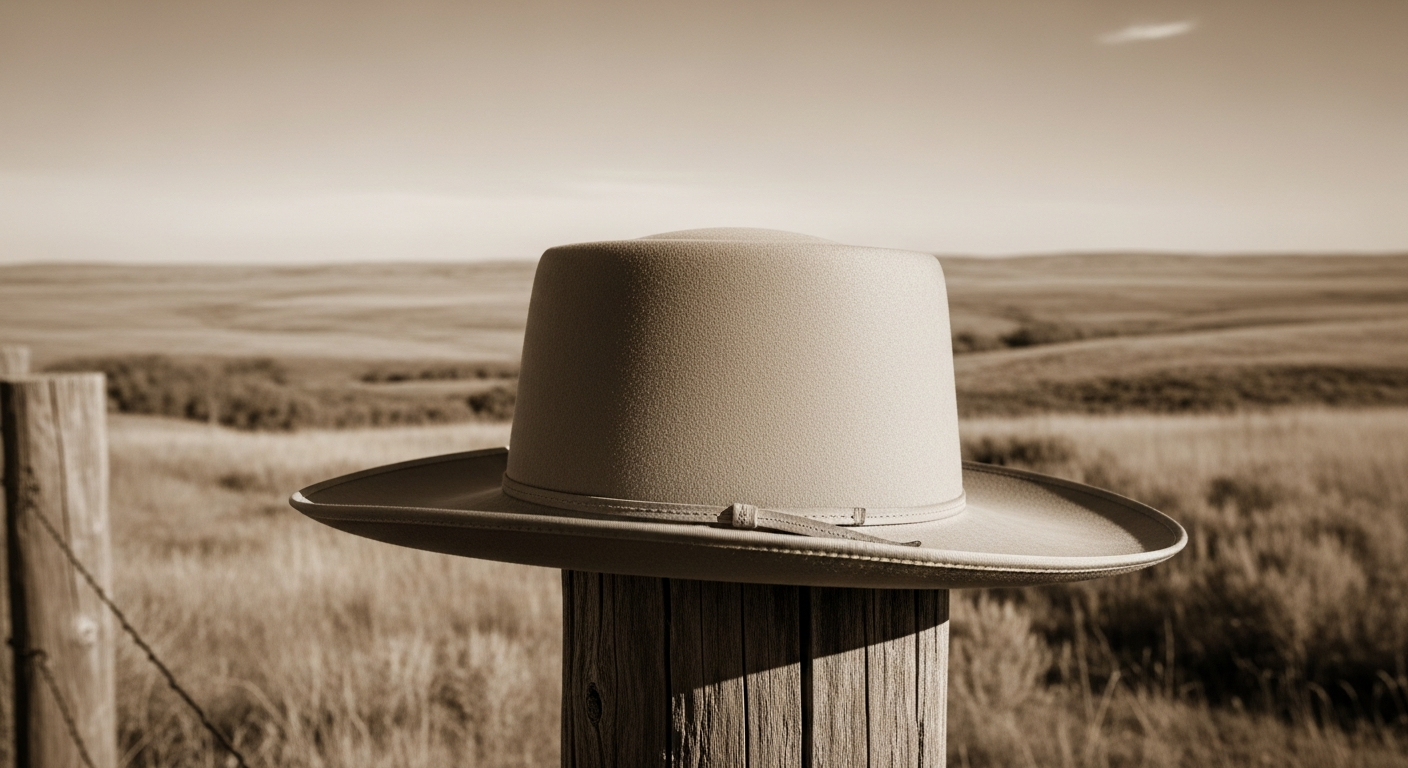
The impact was immediate. Within a few years, the John B. Stetson Company was producing thousands of hats annually. By 1906, the Stetson factory had become the largest hat manufacturer in the world, producing over 38,000 hats a month! This rapid adoption underscores how perfectly the ‘Boss of the Plains’ met the practical demands of the burgeoning American West, solidifying its place in western wear history and setting the standard for what a real cowboy hat should be.
Fur-Felt vs. Straw: The Craftsmanship and Materials Behind the Price Tag
When we talk about how much does a cowboy hat cost, the material and the craftsmanship are paramount. These two elements dictate not only the durability and feel of the hat but also its price point. At the heart of artisan cowboy hats lies the choice between fur felt and straw, each with its own characteristics and history.
Real Fur Felt Cowboy Hats: The Gold Standard
For generations, the gold standard for quality cowboy hats has been fur felt. This material offers unparalleled durability, weather resistance, and shape retention. But not all fur felts are created equal. Here’s a quick breakdown:
- Beaver Fur Felt: This is the crème de la crème. Hats made from 100% beaver fur are incredibly soft, lightweight, exceptionally durable, and naturally water-resistant. The fibers are fine and tightly interlock during the felting process, resulting in a superior product. A high-quality beaver fur felt cowboy hat can easily range from $500 to over $1,500, with some custom, handcrafted pieces exceeding $3,000. This is an investment for a hat that can truly last a lifetime, often passed down through generations.
- Rabbit Fur Felt: A more common and slightly more affordable option than beaver, rabbit fur felt still offers excellent quality. It’s soft, durable, and provides good weather protection. Hats made from rabbit fur felt typically fall in the $200 to $600 range. Many reputable brands, including Stetson, use high-grade rabbit fur in their extensive collections.
- Nutria Fur Felt: Nutria, a semi-aquatic rodent, offers a durable and water-resistant felt similar to beaver, but often at a more accessible price point. You’ll find nutria felt hats generally between $300 and $800.
- Wool Felt: The most budget-friendly option, wool felt hats are made from sheep’s wool. While still providing good sun protection and a classic look, they are less water-resistant, heavier, and tend to lose their shape more easily than fur felt hats. Wool felt cowboy hats typically cost between $50 and $200, making them a great entry point for those new to traditional western fashion.
How Are Cowboy Hats Made? Stetson Hat Craftsmanship
The process of how are cowboy hats made, particularly fur felt ones, is a fascinating blend of traditional techniques and precise machinery. It’s a craft that showcases the dedication behind stetson hat craftsmanship and other artisan makers:
- Felt Creation: Raw fur (beaver, rabbit, etc.) is cleaned, blended, and then subjected to a process of matting and hardening through heat, moisture, and pressure. This transforms loose fibers into a dense, strong felt hood.
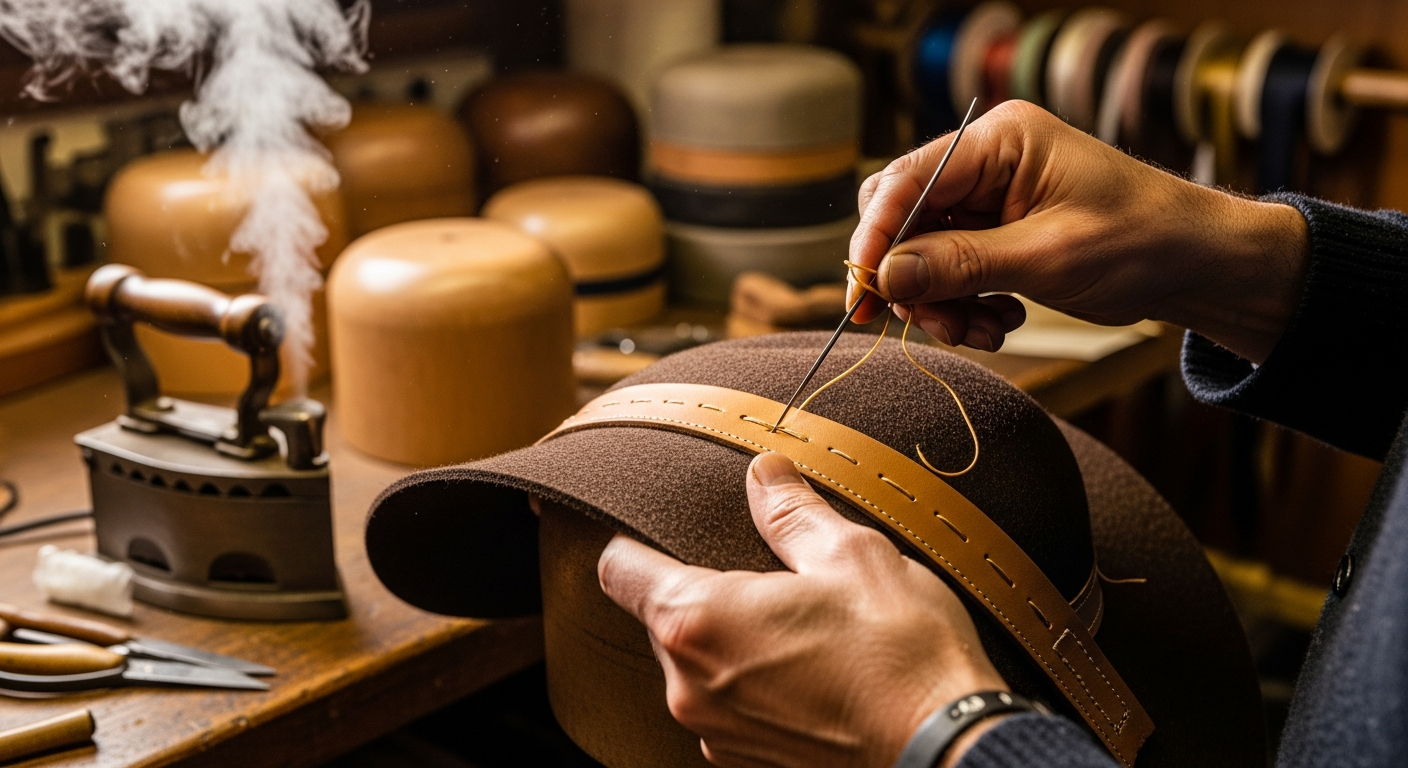
- Shaping and Blocking: The felt hood, resembling a large bell, is then pulled over wooden or aluminum hat blocks. Expert artisans use steam and tension to stretch and mold the felt into the desired crown and brim shape.
- Finishing Touches: After blocking, the hat undergoes several finishing stages. It’s sanded smooth, stiffened, and then trimmed for a clean edge. The brim might be flanged (curved) and then bound with ribbon. Finally, the sweatband and hatband are meticulously sewn in. This is where the hat truly comes to life, ready to be worn.
Here’s a comparative look at materials and their general characteristics:
| Material | Key Characteristics | Durability | Typical Price Range |
|---|---|---|---|
| 100% Beaver Fur Felt | Soft, lightweight, superior water-resistance, excellent shape retention. | Exceptional (Decades+) | $500 – $3,000+ |
| Rabbit Fur Felt | Good softness, durable, decent water-resistance, holds shape well. | Very Good (Many Years) | $200 – $600 |
| Nutria Fur Felt | Durable, good water-resistance, slightly coarser than beaver. | Good (Many Years) | $300 – $800 |
| Wool Felt | Heavier, less water-resistant, can lose shape over time. | Moderate (Several Years) | $50 – $200 |
| Straw (Panama, Shantung, etc.) | Lightweight, breathable, ideal for hot weather. Varies greatly by weave. | Varies (1-10+ Years) | $30 – $400+ |
An Icon of the West: The Cultural Significance of Cowboy Hats in American History
Beyond material and cost, the cowboy hat holds a profound cultural resonance. It became synonymous with the American cowboy culture, an embodiment of the rugged individualist myth. Early photographs of working cowboys and legendary figures like Buffalo Bill Cody cemented its image in the national consciousness. My own fascination with this stems from visiting places like the National Cowboy & Western Heritage Museum in Oklahoma City, where I’ve seen firsthand how these hats are displayed, revered, and contextualized, not just as garments but as artifacts of identity.
From the open range, the cowboy hat galloped into popular culture. Hollywood westerns, starting in the early 20th century, propelled its image further. Actors like John Wayne and Clint Eastwood made specific hat styles iconic, each crease and tilt conveying character and grit. Later, country music artists, from Hank Williams to Garth Brooks, adopted the hat as a crucial part of their stage persona, linking the hat to themes of American roots, hard work, and heartfelt stories. This widespread adoption transformed the hat from utilitarian workwear into a powerful fashion statement, a cornerstone of traditional western fashion.
It’s fascinating to observe how even today, in my work as a designer, I see the cowboy hat’s influence in contemporary fashion and branding. Its clean lines and unmistakable silhouette evoke a timeless spirit, making it a powerful visual shorthand for freedom and adventure. It’s an emblem that transcends mere trend, carrying with it a narrative that’s deeply woven into the fabric of America.
Investing in the Frontier: How to Choose a Quality Cowboy Hat That Lasts a Lifetime
Choosing a cowboy hat is a personal journey, an investment in a piece of American identity. A good cowboy hat isn’t just an accessory; it’s a companion through life’s adventures. Here’s your comprehensive cowboy hat buying guide to ensure you pick a hat that truly stands the test of time.
Your Frontier Companion: A Step-by-Step Guide to Choosing a Quality Cowboy Hat
- Determine Your Purpose: Are you looking for a working hat for sun and rain protection, a stylish hat for social events, or something for riding? Your primary use will inform your material choice.
- Select Your Material:
- Fur Felt (Beaver, Rabbit, Nutria): Best for durability, weather resistance, and formal wear. Offers superior shape retention. Ideal for year-round use in cooler climates.
- Straw: Perfect for hot weather, offering excellent breathability. Comes in various weaves, from fine Panama to rugged Shantung.
- Wool Felt: A more economical choice for casual wear and less extreme conditions.
- Choose Your Crown and Brim Style: The ‘Boss of the Plains’ started it all, but countless variations exist. Common crown shapes include ‘Cattleman’ (three creases), ‘Gus’ (sloping forward crease), and ‘Open Crown’ (uncreased, ready for custom shaping). Brim styles range from flat to dramatically rolled or curved. Consider what flatters your face shape and suits your personal style.
- Get the Right Fit: This is crucial for comfort and longevity. A hat should fit snugly but not tightly, resting about an inch above your eyebrows. It shouldn’t shift with a gentle head shake. Measure your head circumference just above your ears for the most accurate size. Many hat makers offer sizing guides.
- Inspect the Craftsmanship: Look for even stitching on the sweatband, a clean and consistent felt finish, and a symmetrical shape. Quality hats will often have a solid liner and a well-attached hatband. For straw hats, check for a tight, even weave without loose strands.
- Consider the Brand’s Reputation: Brands like Stetson, Resistol, and Bailey have built their reputations on quality and tradition. Researching their history and specific lines can help you find a reliable hat.
- Plan for Care: A good hat is an investment. Understand the care requirements for your chosen material. Fur felt hats need occasional brushing and professional re-shaping if they get severely wet or crushed. Straw hats should be kept dry and out of direct sunlight when not in use to prevent brittleness.
Ultimately, a real cowboy hat, whether it’s a rugged workhorse or a finely crafted showpiece, connects us to a vibrant past and a spirit of enduring optimism. It’s a piece of America you can wear, a symbol of freedom, and a nod to the pioneering spirit that continues to inspire us all. So go ahead, find your perfect frontier companion, and wear it with pride!