American Sports & Pastimes
Gridiron Summer: Why The Start Of Nfl Training Camps Is The True Kickoff Of American Culture
As the midsummer heat peaks across the nation, a distinct and familiar electricity begins to hum in towns from Green Bay, Wisconsin, to Latrobe, Pennsylvania. The return of NFL training camp is more than just practice; it is a secular American holiday that signals the return of fall traditions, tailgate planning, and community bonding. Understanding when and how this summer ritual begins is the first step in embracing the spirit of the upcoming season.
For me, an Ohio native and a folklorist deeply attuned to the rhythms of American life, the late July arrival of football training camp has always felt like the true start of the transition from summer’s lazy days to autumn’s vibrant energy. It’s akin to the first hints of changing leaves, or the rich scent of apples ripening on the bough. While the calendar might still read ‘summer,’ our hearts begin to prepare for crisp air, communal gatherings, and the thrilling roar of the crowd.
The Midsummer Awakening: Defining the Ritual of Training Camp Arrival
The anticipation for the new season doesn’t simply appear when the first regular season game kicks off. No, it builds slowly, steadily, much like the perfect sourdough starter I tend in my kitchen. The official *nfl training camp start date* typically falls in late July, often around the third or fourth week, with rookies usually reporting a few days earlier than veterans. This period marks the ceremonial beginning of the *football training camp*, a time when hope springs eternal for all 32 franchises.
When is NFL training camp, exactly? Well, for most teams, it’s roughly 2-3 weeks before the first *nfl pre-season start* games, which usually commence in early to mid-August. It’s a carefully choreographed ballet of intense conditioning, strategic drills, and team-building exercises. This initial phase, often referred to as *nfl summer practice*, sets the tone for the entire year, demanding peak physical and mental readiness from every player. These camps are not just about getting into shape; they are about forging a collective identity.
Did you know the financial footprint of this summer ritual is staggering? According to data from Team Marketing Report, the NFL generated approximately $12 billion in revenue in 2023. While not all of that is tied directly to training camp, the enthusiasm sparked during these summer practices is foundational to fan engagement and merchandise sales. Furthermore, a study by WalletHub in 2022 highlighted that football is the most popular sport in America, with 77% of U.S. adults identifying as fans. This widespread passion is ignited long before September, making training camp a crucial economic and cultural driver.
Historically, training camps have evolved significantly. Early camps in the 1920s and 30s were often rudimentary affairs held in local parks or high school fields. Over time, as the sport professionalized, teams sought more dedicated facilities, often in college campuses or self-contained training complexes. Below is a simplified timeline showing the evolution of NFL training practices:
| Era | Key Development | Cultural Significance |
|---|---|---|
| Early 20th Century (1920s-1940s) | Informal practices, often near home cities. Focus on basic conditioning. | Beginnings of professional team identity, local fan interest. |
| Post-WWII Boom (1950s-1960s) | More structured camps, often at college campuses. Introduction of ‘two-a-day’ practices. | Increased fan travel to camps, media coverage grows. |
| Modern Era (1970s-Present) | Dedicated team facilities, focus on sports science, player safety protocols. Fan events become common. | Camps as major tourist attractions, community integration, widespread media presence. |
Small Towns, Big Dreams: How Local Communities Become Football Hubs
One of the most charming aspects of *football training camp* is its connection to America‘s small towns. Many *nfl training camp locations* are nestled in unexpected corners of the country, away from the glitz of major cities. Think of the Pittsburgh Steelers’ tradition of holding their camp at Saint Vincent College in Latrobe, Pennsylvania, a practice that dates back to 1966. Or the quintessential *Green Bay Packers training camp* at Clarke Hinkle Field in Green Bay itself, a tradition steeped in small-town charm despite the team’s national renown.
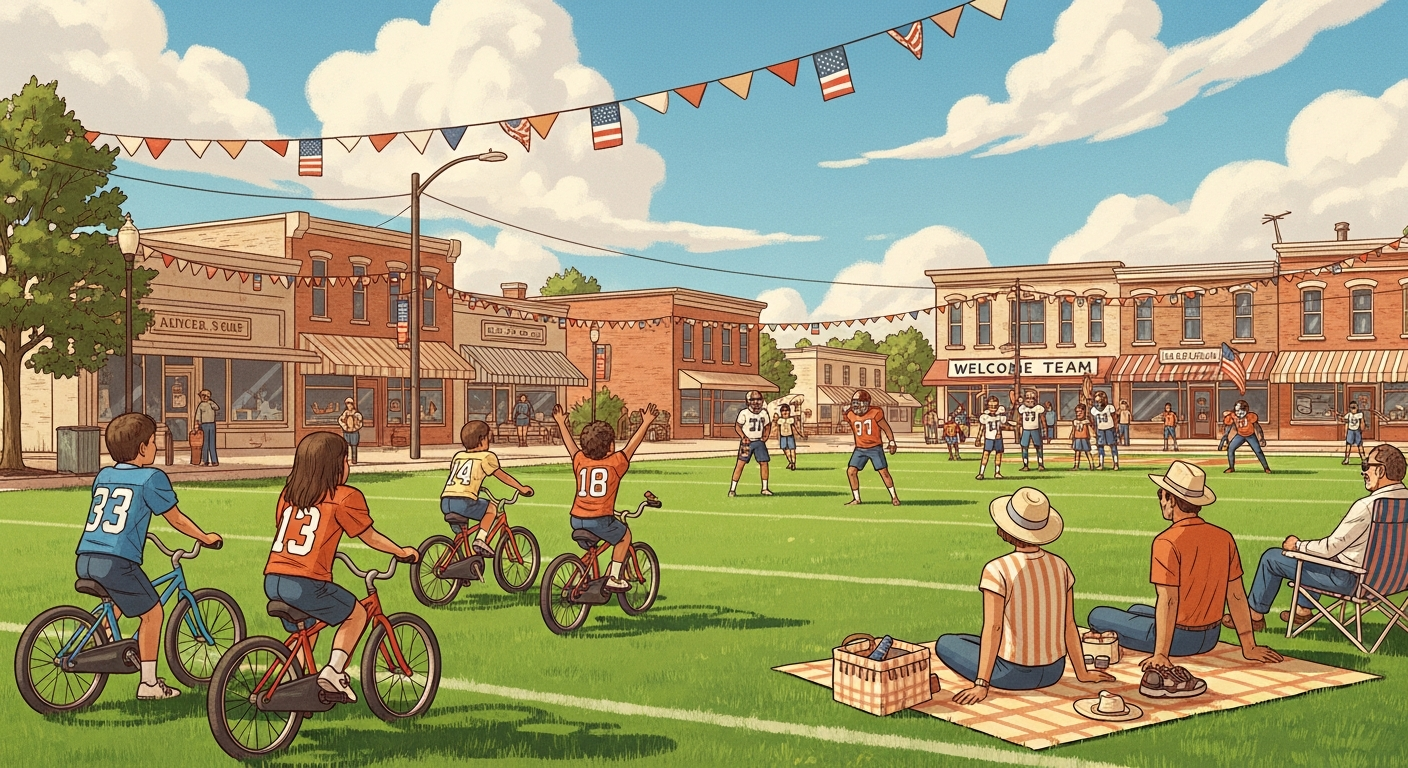
These temporary migrations transform quiet locales into bustling hubs of activity, bringing economic vitality and a palpable sense of excitement. I remember visiting the Bengals’ camp in the early 2000s when it was held in Georgetown, Kentucky. The whole town embraced it, local businesses put up ‘Welcome Bengals’ signs, and the energy was simply infectious. It truly showcased how football can knit a community together, even if just for a few weeks.
This deep connection between teams and their temporary summer homes is a unique thread in the fabric of American regionalism. It highlights how sports can transcend mere entertainment, becoming a shared experience that unites people across different walks of life. The sight of kids on bikes chasing after players for autographs after *nfl summer practice* is a memory many folks carry, a small-town moment writ large by the national sport.
Players to Watch and Position Battles: The Crucible of the Summer Roster
Beyond the community aspect, *football training camp* is a high-stakes proving ground for players. From the undrafted rookie hoping to make a splash to the seasoned veteran fighting for a starting spot, every rep, every drill, is scrutinized. This is where positional battles heat up, showcasing the raw talent and sheer grit required to play at the professional level.
The intensity ramps up dramatically with the *nfl preseason schedule*. These exhibition games are the first chance for coaches to see how players perform under game-day pressure. Each play holds weight, especially as teams inch closer to the daunting task of *nfl roster cuts*. These cuts, often occurring in several phases leading up to the regular season, are agonizing for many players and a necessary evil for teams to pare down their rosters to the final 53.
As fans, keeping an eye on these developments adds another layer of intrigue to the preseason. Who’s making a name for themselves? Which veteran might be on the bubble? This is the narrative arc of dedication and determination, a story that resonates deeply with the American spirit of striving for excellence. It’s a testament to the fact that even in professional sports, the journey is often as compelling as the destination.
From Practice Field to Tailgate: Transitioning Your Mindset to Football Season
So, how can you embrace this cultural kickoff and truly transition your mindset to the football season? It begins with acknowledging that *when does football start* isn’t a singular event, but a gradual unfolding that begins with the *nfl training camp start date*.
Here’s a simple guide to immersing yourself in the football season’s true beginning:
-
Check the *NFL Training Camp Schedule*: Each team publishes its schedule, often including open practices. Many camps offer public viewing days, providing a unique opportunity to see your favorite players up close. Check your team’s official website for specific dates and times.
-
Consider *NFL Training Camp Tickets*: While many practices are free, some teams, especially those with dedicated training facilities, might offer tickets or require reservations for certain events. Planning ahead is key.
-
Follow Local Sports News: Beyond national headlines, local sports reporters often provide the most in-depth coverage of position battles, standout rookies, and general camp storylines. This is where you’ll get the nuanced details that make following the team so engaging.
-
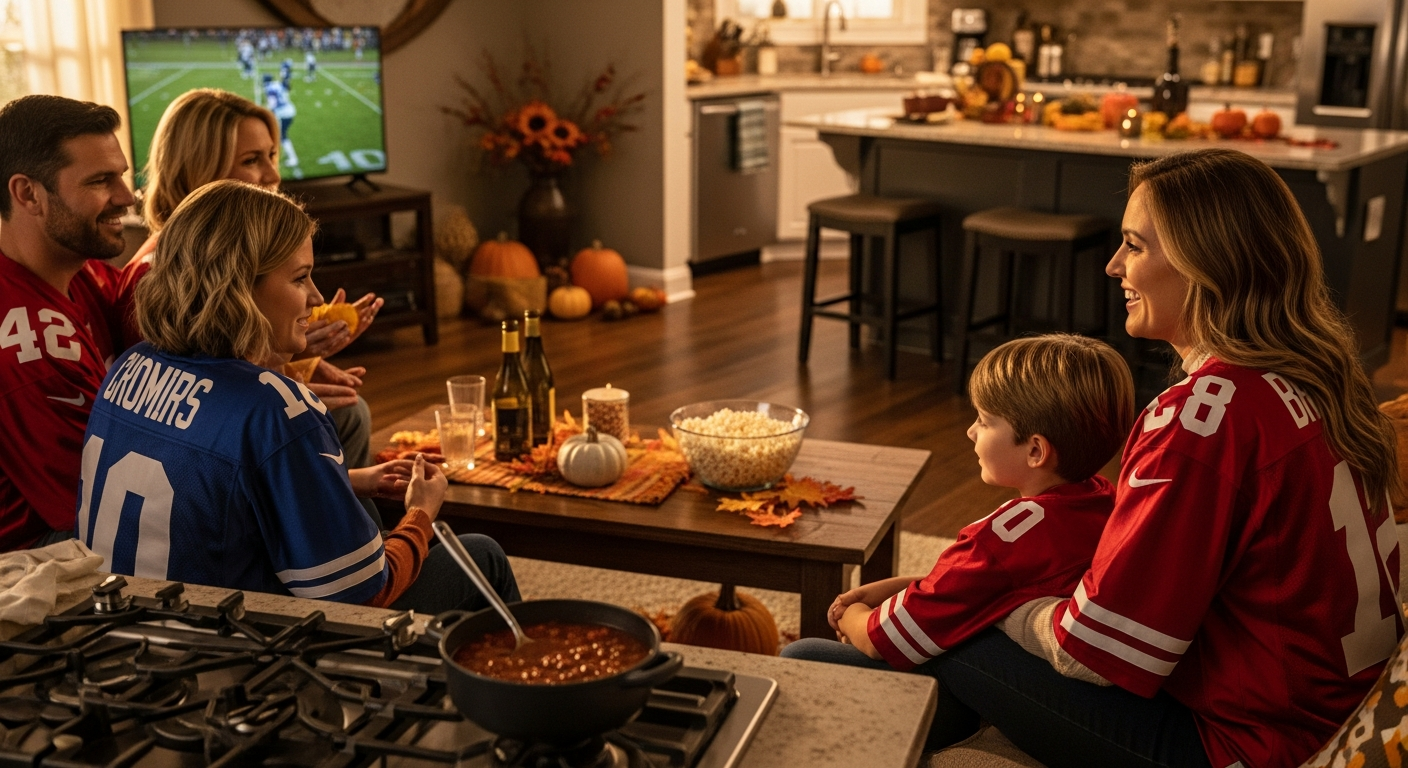
Start Your Fall Traditions Early: Begin planning your tailgate menus, dusting off your team’s gear, and getting your home ready for game day viewing. Even a simple pot of chili simmering on the stove can evoke the feeling of autumn football.
-
Engage with Fellow Fans: Join online forums, local fan groups, or simply chat with neighbors about the upcoming season. Sharing the anticipation is part of the joy.
This is the time to gather your family, to prepare for those crisp Sunday afternoons, and to connect with the passion that defines American football. It’s more than just a game; it’s a shared experience, a seasonal marker that reminds us of community, resilience, and the enduring power of tradition. From the early reports of *nfl summer practice* to the intense *nfl preseason schedule*, every step builds towards the excitement of Sundays, Mondays, and Thursdays in the fall. Embrace it, enjoy it, and let the spirit of the gridiron summer bring us all a little closer.