
Immigration, Diversity & Identity
Lao Families Of The Rural Midwest: Resettlement And Cultural Harmony In America
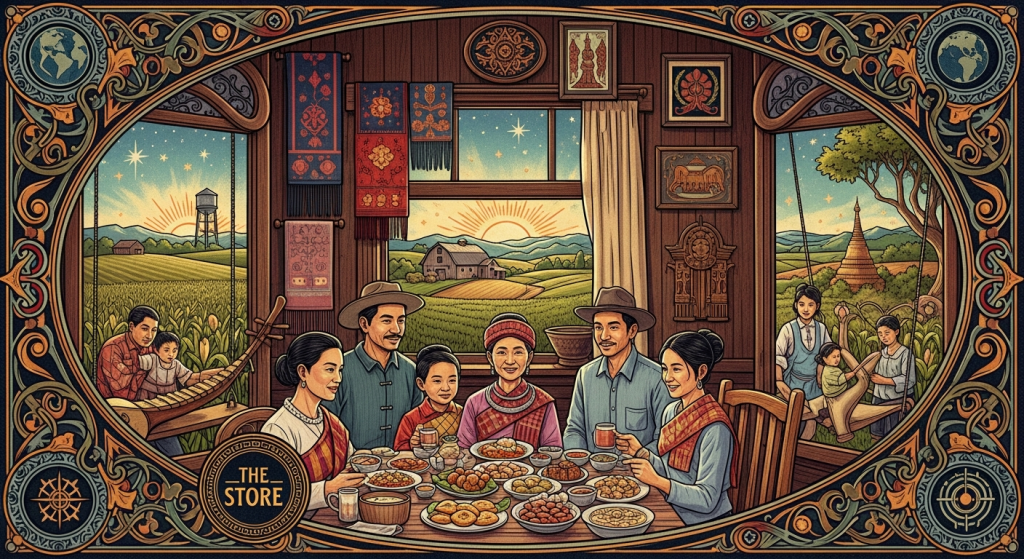
When I think of America, I often envision vast canyons carved by ancient rivers, the towering peaks of the Rockies, or the endless expanse of a desert sky. My work as an outdoor journalist and geographer has taken me across this incredible country, from the deepest valleys to the highest summits. But sometimes, the most profound stories of the American spirit aren’t found on a remote trail, but right in the heartland, in unexpected corners where cultures intertwine and new histories are forged.
It’s a story that began in the late 1970s, when families, broken by the turmoil of war-torn Laos, arrived in the quiet, snowy farming towns of the American Midwest. Picture this: people who had known tropical jungles and rice paddies suddenly found themselves amidst endless cornfields, facing bitter winters and a completely unfamiliar way of life. This isn’t just a tale of survival; it’s a heart-melting saga of how Midwestern farmers and Lao families, with their shared agricultural grit and an abundance of community love, found a deep, lasting cultural harmony. It’s a testament to the enduring American promise, one that still gives me hope every single day.
Fleeing the Conflict, Finding a Home
The 1970s were a period of immense upheaval in Southeast Asia, particularly after the end of the Vietnam War in 1975. Laos, caught in a proxy conflict, saw hundreds of thousands of its citizens displaced. Many were ethnic Lao, Hmong, and other groups who had supported American efforts during what is often called the ‘Secret War.’ When the communist Pathet Lao took control, these families faced severe persecution, forcing a mass exodus. They trekked through dense jungles, crossed the Mekong River into Thailand, and often languished in refugee camps for years.
It’s hard to imagine the sheer terror and uncertainty these families endured. From the humid climate and familiar rhythms of their homeland, they were suddenly thrust into a world utterly alien: the stark, often freezing landscapes of the American Midwest. Imagine arriving in a small town like Elgin, Illinois, or Fort Smith, Arkansas, in the dead of winter, without knowing a word of English, or understanding why the ground was covered in white. Yet, this is exactly what happened for tens of thousands of Lao refugees.
The Midwestern Embrace: A Legacy of Generosity
This is where the story truly shines. American communities, spurred by compassion and a deep sense of moral obligation, stepped up in remarkable ways. President Jimmy Carter‘s administration played a crucial role in establishing policies that opened America‘s doors to these refugees. Local church groups, humanitarian organizations, and even individual farming families across the Midwest became sponsors. They didn’t just offer shelter; they provided clothing, warm meals, help with navigating bureaucracy, and, perhaps most importantly, genuine friendship.
I’ve heard countless stories of these acts of kindness. Farmers clearing out spare rooms, women’s groups sewing quilts, entire towns pooling resources to ensure these new arrivals had everything they needed. It was a grassroots effort, driven by the inherent decency of people living in the heartland. This wasn’t just about charity; it was about extending a hand, neighbor to neighbor, across vast cultural divides.
Cultivating New Roots: A Shared Language of the Soil
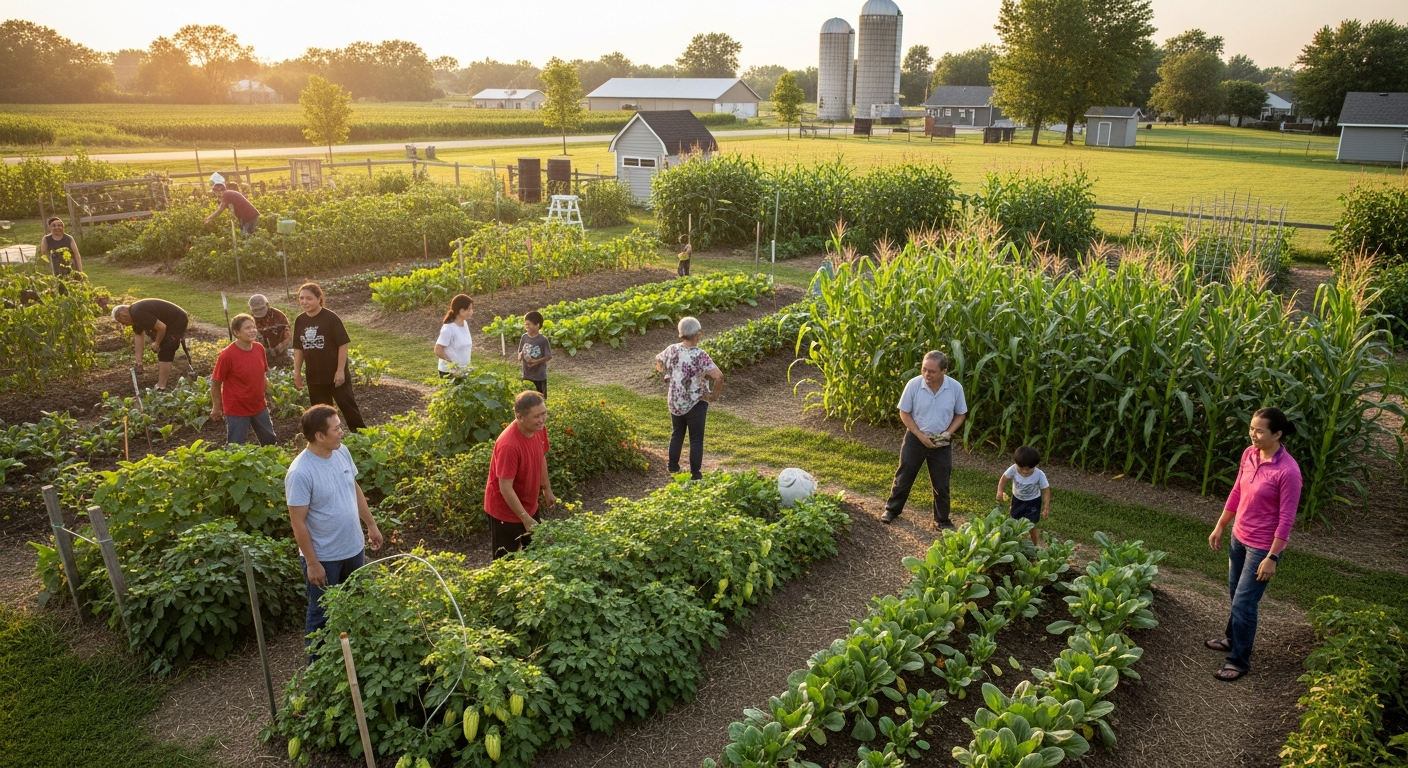
The true magic happened in the fields and gardens. Many Lao families came from agrarian backgrounds, possessing an innate connection to the earth. They were farmers, skilled in cultivating rice, growing vibrant vegetables, and understanding the nuances of the soil. This shared language of agriculture became an immediate bridge with their Midwestern hosts.
As spring arrived, Lao families, often with the help of their sponsors, began transforming patches of land into vibrant gardens. They grew familiar crops like bitter melon, bok choy, and various herbs, but also quickly adapted to growing Midwestern staples. Soon, local farmers’ markets in places like Des Moines, Iowa, and Rochester, Minnesota, began to feature an exciting array of new produce, enriching the local food scene and introducing new flavors to American tables.
Surprising Statistics of Success: Beyond the Garden Gates
The integration of Lao families into the Midwest wasn’t just anecdotal; it was a demographic and economic success story. According to the 2020 U.S. Census, the Lao American population stands at over 280,000, with significant concentrations in states like California, Texas, and Washington, but also strong, established communities in the Midwest. A 2012 study by the Center for Asian American Health found that Lao Americans, despite initial challenges, have achieved significant economic mobility, with many owning businesses and contributing substantially to local economies. This isn’t surprising when you consider their incredible resilience and work ethic, qualities that resonated deeply with the Midwestern ethos.
This success extended beyond agriculture. Many Lao Americans became entrepreneurs, opening restaurants that introduced delicious Laotian cuisine to mainstream America, or establishing small businesses that served both their community and the broader population. The cultural exchange wasn’t one-sided; it enriched everyone involved.
| Year(s) | Event/Policy | Impact on Resettlement |
|---|---|---|
| 1975 | Fall of Saigon; Pathet Lao takes control of Laos. | Triggers initial wave of Lao refugees (approx. 300,000-400,000 fleeing Laos post-1975). |
| 1975-1979 | Early Refugee Admissions. | Thousands of Lao refugees are processed from Thai camps and resettled in the U.S. |
| 1980 | Refugee Act of 1980 signed into law. | Standardizes U.S. refugee policy, increasing annual admissions and providing funding for resettlement services; crucial for future Lao arrivals. |
| 1980s | Peak Resettlement Period. | Largest numbers of Lao and Hmong refugees arrive, distributed across states by voluntary agencies. |
| 1990s-Present | Family Reunification & Community Building. | Focus shifts to family reunification, second-generation integration, and the establishment of vibrant Lao-American cultural centers and businesses. |
Cultural Harmony: An American Success Story
What truly makes this story resonate for me is the profound cultural harmony that emerged. It wasn’t about one culture erasing another, but about a beautiful blending. Lao Buddhist traditions, emphasizing peace, community, and respect for elders, found common ground with the Midwestern agricultural work ethic, which values hard work, neighborliness, and self-reliance. Temples were built, festivals were celebrated, and a new, unique Laotian-American identity began to flourish.
I remember one time, while researching a piece on the Mississippi River valley, I stumbled upon a small Lao community festival in Wisconsin. The air was filled with the scent of traditional Lao food, the sounds of classical music, and the laughter of children. Locals, many of whom were descendants of the original host families, were there, sharing stories and celebrating alongside their Lao neighbors. It was a vivid snapshot of what America can be at its best: a vibrant mosaic where every thread adds richness and strength.
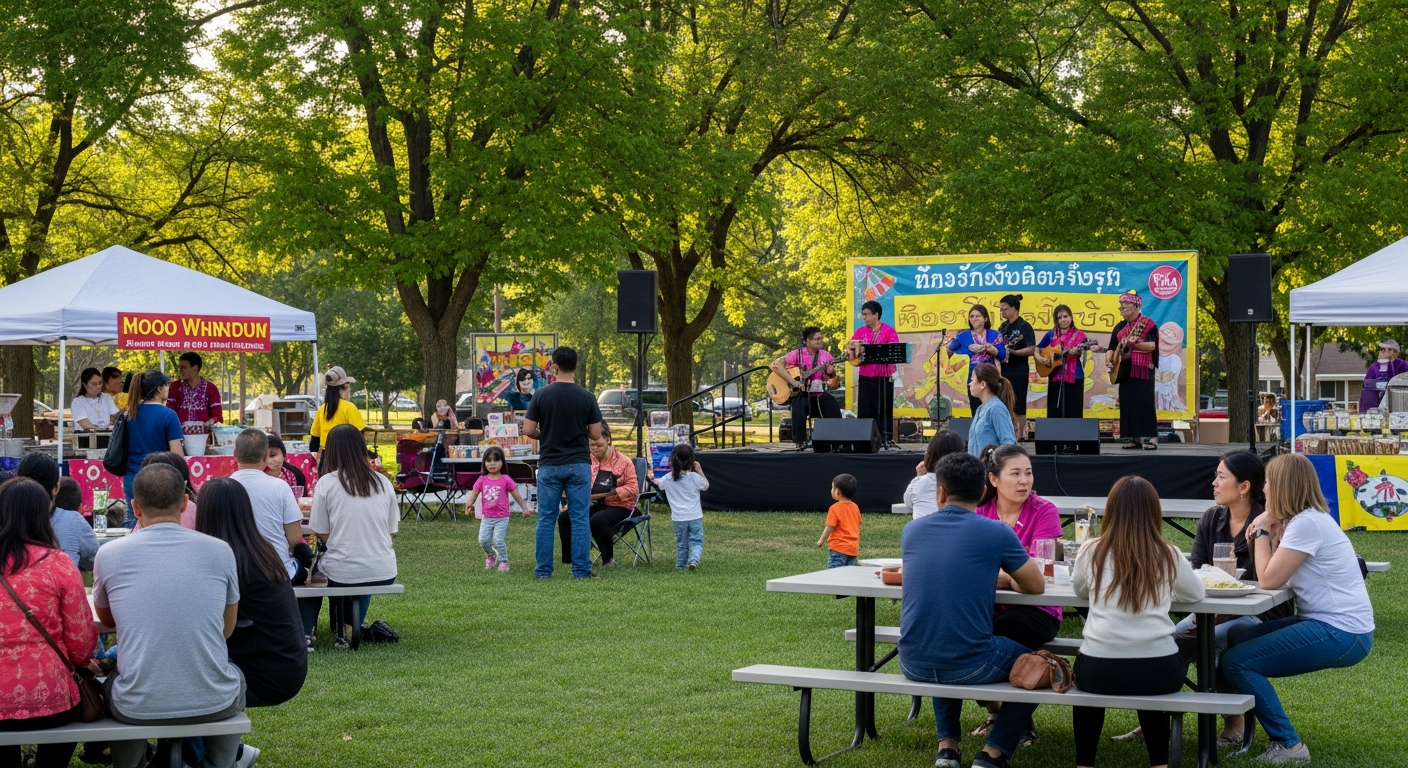
These diverse rural communities stand as a powerful testament to the American success story of immigration. They remind us that our strength isn’t just in our expansive landscapes or our innovative spirit, but in our capacity for compassion, adaptation, and the ability to find shared humanity even in the most unexpected places. It’s a living, breathing example of ‘e pluribus unum’ – out of many, one.
Lessons in Community Building: A Guide to Integration
The story of Lao resettlement in the Midwest offers invaluable lessons for communities welcoming new arrivals today. Here’s a practical guide, gleaned from these successful integrations:
- Embrace Local Sponsorship: Direct engagement from local families, churches, and civic groups fosters immediate trust and practical support, moving beyond government agencies alone.
- Identify Shared Values: Find common ground, like a strong work ethic, family values, or community involvement, that can bridge cultural differences and build mutual respect.
- Support Economic Self-Sufficiency: Provide resources for skill development, language training, and entrepreneurship. The agricultural skills of Lao refugees were a huge asset; recognize and leverage the skills new arrivals bring.
- Facilitate Cultural Exchange: Encourage opportunities for new and established community members to share traditions, food, and stories. Festivals, potlucks, and shared gardening projects are excellent avenues.
- Ensure Access to Education and Healthcare: These are foundational for successful integration. Local schools and health clinics need resources to support diverse populations effectively.
- Create Safe Spaces for Expression: Allow new communities to maintain their cultural identity and religious practices. Building temples or community centers can be central to their sense of belonging.
This enduring harmony in the heartland is more than just history; it’s a blueprint for a hopeful future. It shows us that when we open our doors and our hearts, we don’t just help others, we enrich ourselves, creating a stronger, more vibrant America for generations to come.
In honor of the diverse hands that cultivate the American soil, from generations of pioneers to the newest arrivals, we at The50 Store are proud to offer our ‘Heartland Agricultural Heritage Tee.’ Printed with eco-inks on our premium, buttery-soft ring-spun cotton, it’s a wearable reminder of the grit, resilience, and harmony that make our country so unique. Wear it, and carry a piece of this inspiring story with you.