
Culture & Traditions
The Charm Of Yesteryear: Why Modern Americans Are Embracing Vintage Traditions
In our hyper-connected, fast-paced world, there is a growing, quiet revolution happening in homes across the country. More Americans are turning away from screen-dominated modern life to embrace the slower, simpler habits of the past. From heritage cooking to slow crafting, rediscovering the charm of yesteryear is providing a powerful anchor in turbulent times. It’s a shift I’ve observed firsthand in my research as a folklorist, witnessing families and individuals eagerly seeking out a deeper connection to traditions that once defined American life.
The Heart’s Yearning for Simpler Rhythms
It seems almost counter-intuitive, doesn’t it? In an era defined by instant gratification and technological marvels, why are so many of us yearning for a nostalgic lifestyle? I believe it’s because the relentless pace of modern living often leaves us feeling disconnected, fragmented, and overwhelmed. There’s a deep-seated human need for tangibility, for connection to something real and lasting, and this is where the appeal of yesteryear truly shines.
Consider some surprising trends. A recent study by the NPD Group, for instance, showed a significant increase in home-based crafting activities since 2020, with consumers spending more time and money on hobbies like knitting, crocheting, and baking. Further, a 2023 survey by CivicScience revealed that 73% of U.S. adults are actively trying to reduce their screen time. These aren’t just isolated preferences; they represent a widespread cultural pivot towards activities that offer comfort, a sense of accomplishment, and a slower pace. People are actively seeking a simple life, deliberately choosing to invest their energy in experiences that bring joy and meaning, much like our grandparents did.
I remember visiting the annual ‘Harvest Festival’ in my hometown of Athens, Ohio (Athens, OH) last autumn. Instead of just carnival rides, there were demonstrations of traditional broom making, apple cider pressing, and even a small quilting bee. The crowds were captivated. It wasn’t just older folks; young families, college students, and curious teenagers were gathered, asking questions and trying their hands at these old-fashioned ways. It struck me then, watching the genuine smiles and focused concentration, that this wasn’t merely a passing fad. It’s a genuine reawakening, a collective vintage nostalgia for the tangible, the handcrafted, and the heartfelt.
Rediscovering the Joys of Hands-On Heritage
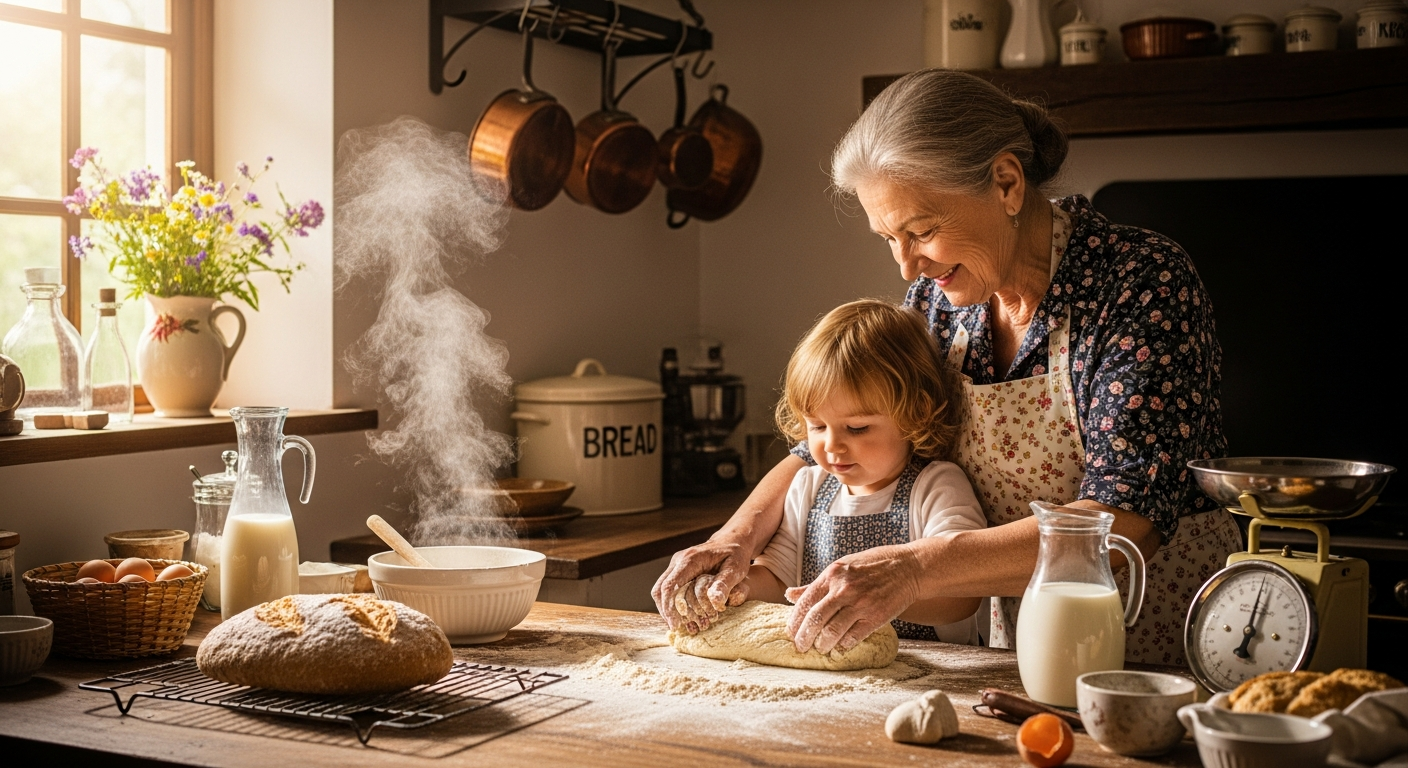
One of the most profound aspects of this revival is the renewed interest in heritage crafts and traditional skills. My own grandmother, a wonderful woman named ‘Mae,’ taught me to bake bread from scratch in her tiny kitchen. The smell of yeast, the feel of the dough under my hands, the warmth of the oven, and the anticipation of that first slice slathered with butter – these are memories etched deep in my heart. It’s more than just food; it’s a connection to generations, a lesson in patience, and a testament to the satisfying work of one’s own hands.
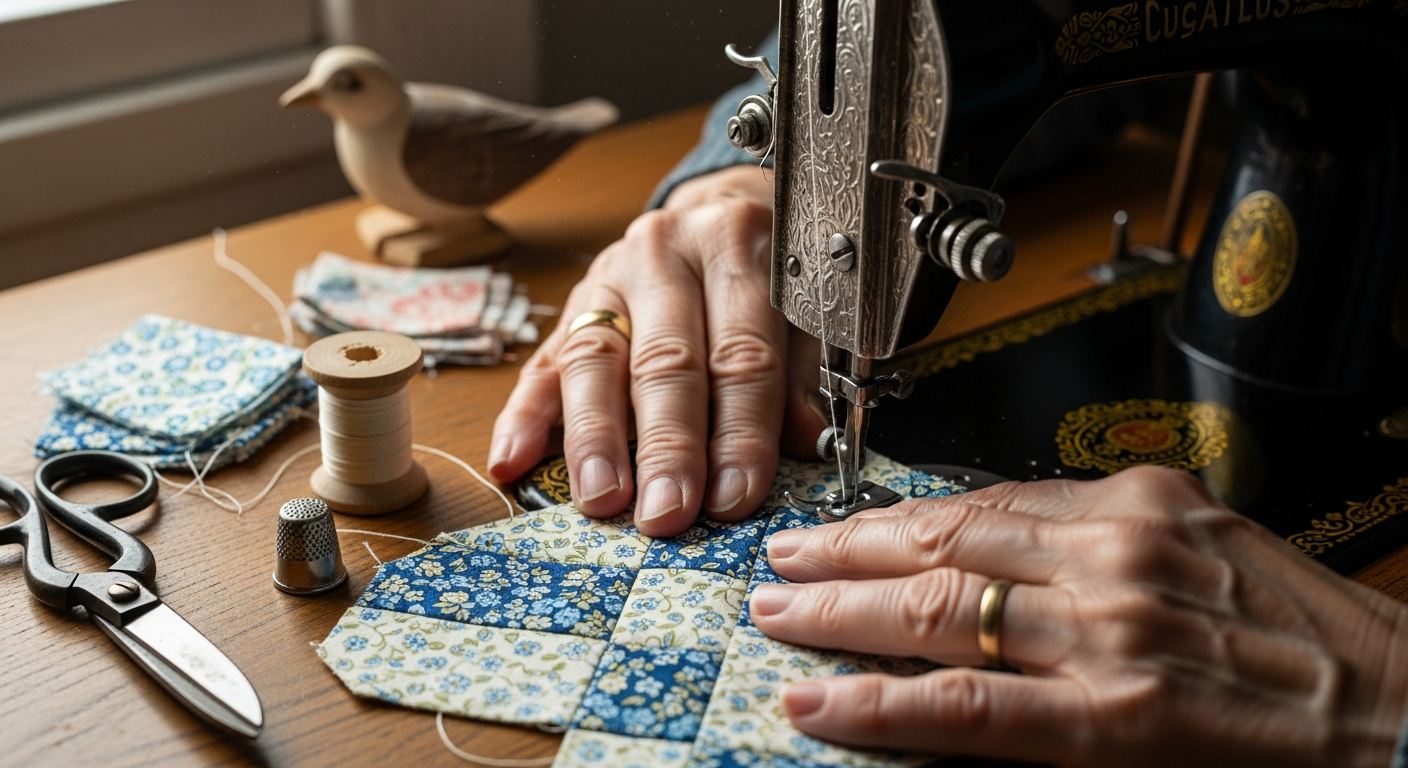
Today, people are rediscovering similar pleasures. Online tutorials abound for everything from sourdough starters to natural dyeing techniques. Local workshops for woodworking, pottery, and even calligraphy are fully booked. These aren’t just hobbies; they’re acts of intentionality, embracing slow living in a world that constantly tells us to speed up. The meditative rhythm of knitting a scarf, the careful precision of carving a spoon, or the satisfying whir of a sewing machine as fabric transforms into a quilt, offer a respite from digital noise.
Popular Heritage Crafts: Then and Now
| Craft | Historical Context | Modern Appeal | Basic Tools/Materials |
|---|---|---|---|
| Quilting | From necessity to artistic expression, often communal, dating back to colonial America (17th century). Quilts provided warmth and preserved family fabrics. | Creative outlet, stress reduction, sense of community, creating heirlooms. Modern quilters often use contemporary designs with traditional techniques. | Fabric scraps, needles, thread, scissors, rotary cutter, cutting mat, sewing machine (optional). |
| Baking (Sourdough) | Ancient practice, essential for sustenance. Sourdough popular during westward expansion (19th century) as yeast was scarce. | Satisfaction of self-sufficiency, healthier bread, connection to culinary history, meditative process of nurturing a starter. | Sourdough starter, flour, water, salt, mixing bowls, Dutch oven, proofing basket. |
| Woodworking | Fundamental for building homes, furniture, and tools for centuries. Shaker communities (Shaker Village of Pleasant Hill) were renowned for their simple, functional designs. | Sense of accomplishment, creating functional art, skill development, mental focus. Custom furniture and decor are highly valued. | Various woods, hand saws, chisels, planes, mallet, clamps, sandpaper, measuring tools. |
Crafting a Sanctuary: Vintage Charm in the Modern Home
Beyond skills, the physical spaces we inhabit are also undergoing a transformation. The allure of vintage americana is undeniable, turning homes into comforting sanctuaries that tell a story. This isn’t about perfectly curated, sterile environments; it’s about warmth, character, and echoes of lives lived. A traditional home aesthetic often includes sturdy, well-made furniture, found objects from antique stores, and textiles that feel comforting and familiar.
I recently helped a young couple furnish their first home, just outside Cleveland (Cleveland, OH). They specifically requested a ‘cozy, lived-in feel,’ shunning minimalist trends. We found a beautiful old pine hutch at a local consignment shop, a collection of mismatched ceramic dishes, and a hand-hooked rug that brought a burst of color. The result was a space that felt instantly welcoming, brimming with personality, and imbued with a sense of permanence that new, mass-produced items just can’t replicate. It reminds me of the homes I used to visit as a child, full of nooks and crannies and treasures that had been passed down through the generations. This embrace of retro traditions in decor is a conscious decision to surround ourselves with objects that have history, that spark conversation, and that truly make a house a home.
Elements like classic porch swings, sturdy wooden rocking chairs, cast-iron cookware, and vintage linens are making a strong comeback. They represent more than just style; they embody durability, craftsmanship, and a return to goods meant to last, rather than be discarded. Think of the simple elegance of a handmade quilt draped over a sofa, or a collection of antique glass bottles catching the sunlight on a windowsill. These aren’t just decorative items; they’re tangible connections to a past where quality and longevity were paramount.
Weaving Simple Life into Your Daily Fabric
Integrating these wonderful habits into a busy modern schedule might seem daunting, but it doesn’t require a complete overhaul of your life. It’s about small, intentional shifts that add up to a more fulfilling, connected existence. Here are a few simple ways to bring more nostalgic lifestyle and vintage nostalgia into your everyday:
Practical Steps to Embrace the Charm of Yesteryear:
- Start with Your Morning Ritual: Instead of immediately grabbing your phone, try a few minutes of quiet contemplation with a cup of tea or coffee, perhaps while looking out the window. Read a physical newspaper or a chapter from a book. This small act can set a calmer tone for your entire day.
- Designate a ‘Crafting Corner’: Find a small space, even just a comfortable chair with good light, and keep a project there: knitting, mending, sketching, or a journal. Dedicate 15-30 minutes a few times a week to hands-on creation.
- Embrace Heritage Cooking: Choose one day a week to bake bread, make a hearty stew from scratch, or preserve some seasonal fruit. Involve family members, especially children, in the process. It’s a wonderful way to create memories and teach valuable skills.
- Unplug for an Hour: Set a timer for 60 minutes each evening (or even a full afternoon on weekends) where all screens are put away. Use this time for reading, playing board games, writing letters, talking with loved ones, or taking a walk.
- Explore Local History: Visit a historical society, a living history museum (like the Ohio Village in Columbus), or a local antique shop. Chat with the owners, learn the stories behind the objects, and connect with your community’s past.
- Learn a New Skill: Sign up for a workshop in pottery, weaving, calligraphy, or gardening. Not only will you gain a new ability, but you’ll also connect with others who share an appreciation for retro traditions. Historical figures like Maria Mitchell, the pioneering astronomer, were also keen needleworkers, proving that intellectual pursuits and hands-on crafts can beautifully coexist.
Ultimately, this embrace of yesteryear isn’t about rejecting progress or living in the past. It’s about discerning what truly enriches our lives. It’s about creating moments of peace, fostering genuine connection, and building a foundation of resilience and skill that feels deeply, wonderfully human. It’s about finding warmth and hope in the rhythm of tradition, anchoring ourselves in what truly matters.