
American Lifestyle
The Driveway Garage Sale: Turning Nostalgic Decluttering Into A Neighborhood Treasure Hunt
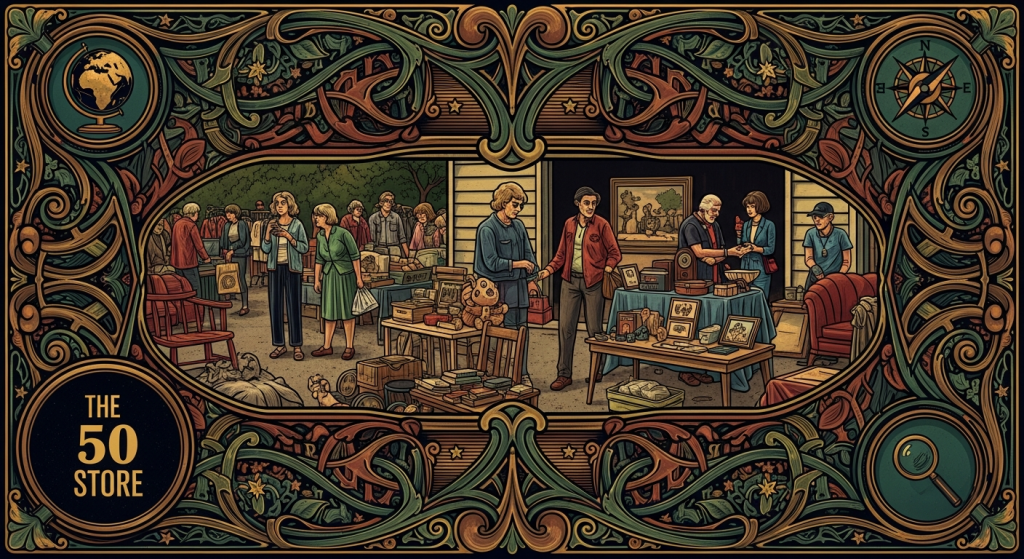
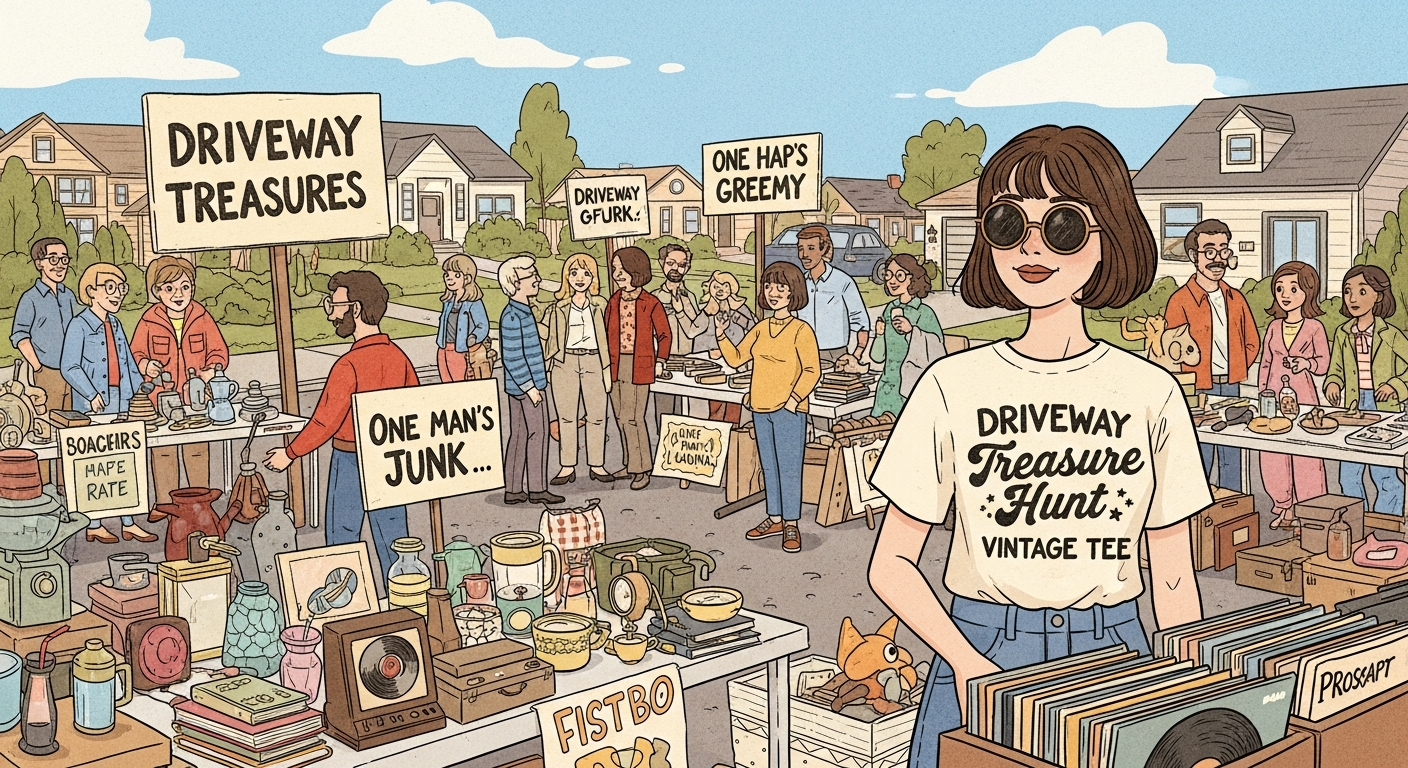
Once a weekend, driveways across America transform into bustling open-air marketplaces. The rhythmic flutter of hand-drawn signs, the distant murmur of early morning chatter, and the gleam of unexpected treasures laid out on folding tables – this is the unmistakable symphony of the American garage sale. It’s a unique neighborhood ritual, a vibrant piece of our shared cultural fabric, where family clutter is artfully displayed, bargain hunters haggle with a twinkle in their eye, and one family’s bygone possession becomes another’s cherished find. For a folklorist like me, it’s a living tradition, rich with stories and community spirit.
The Driveway Garage Sale: Turning Nostalgic Decluttering Into a Neighborhood Treasure Hunt
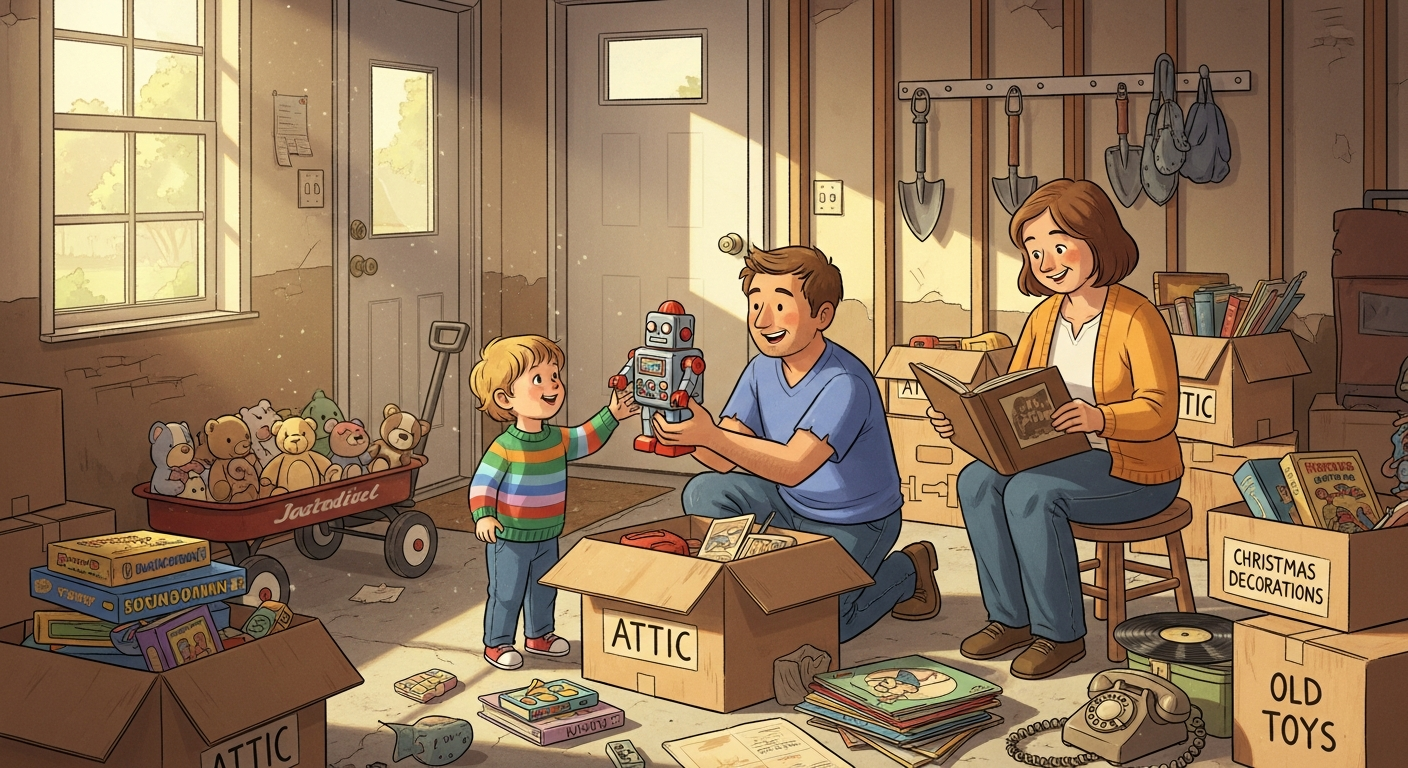
I remember my grandmother’s garage sales growing up in rural Ohio. Her house, like so many others, held generations of stories. Clearing out an attic wasn’t just decluttering; it was an archaeological dig through our family’s history. Each item, from dusty Pyrex dishes to my grandfather’s old carpentry tools, held a memory. It wasn’t about simply getting rid of things; it was about passing them on, allowing their stories to continue in new hands. That feeling, that sense of connection and continuity, is at the heart of every good driveway sale.
The Suburban Declutter: A Rite of Passage
For countless families, the journey begins deep within the home: the attic, the basement, the overflowing garage. This is where the suburban declutter truly takes root. It’s a process I’ve seen play out in countless homes, from the tidy bungalows of Shaker Heights to the sprawling ranch homes of the Midwest. Boxes filled with forgotten toys, stacks of novels read and loved, outgrown clothes, and those ‘might need it someday’ gadgets all emerge into the light. It’s a physical manifestation of a family’s changing needs and tastes, a collective sigh of relief as space is reclaimed, and potential new life is breathed into dormant objects. It’s a bittersweet task, sifting through the layers of living, but it’s often punctuated by laughter, shared memories, and the satisfying thud of an item destined for a new home.
Assembling the Sidewalk Display: Art and Commerce
Once the treasures are unearthed, the real artistry begins: transforming a driveway and front lawn into an inviting marketplace. Folding tables draped with old sheets, carefully arranged categories (kitchenware here, clothing there), and often, a dedicated ‘free’ box for those last-minute give-aways. But perhaps the most charming element is the signage. Those vibrant, hand-written neon poster boards, often adorned with cheerful arrows or a hastily drawn smiley face, become temporary landmarks. Taped to lampposts and telephone poles at neighborhood intersections, they’re beacons for bargain hunters, signaling the promise of discovery. There’s a true community spirit here; neighbors often help each other put up signs, sharing tips on the best locations.
And what about the scale of this grassroots economy? It’s far grander than one might imagine! A Gallup poll from 1999 (the last time comprehensive data was collected) indicated that nearly half of all Americans (48%) had attended a yard sale in the past year, with 16% having hosted one. While official figures are hard to come by for current times, market analysts often cite the secondhand economy as a multi-billion dollar industry, with physical garage sales playing a crucial, foundational role. This is not just a hobby; it’s a significant, albeit informal, economic driver.
The Early Bird Rush: The Thrill of the Hunt
Long before the coffee is brewed for the average homeowner, the serious collector-thrifters are already out, flashlights in hand, scanning driveways at the crack of dawn. This early bird rush is a culture unto itself. I’ve seen it firsthand, the almost ritualistic pilgrimage of dedicated individuals, fueled by coffee and the thrill of the hunt. They’re searching for specific hidden gems: vintage tools that are no longer made, rare vinyl records, first-edition books, or antique furniture that needs a loving restoration. These aren’t just shoppers; they’re curators, historians, and entrepreneurs, recognizing value where others might just see ‘old stuff.’ It’s a testament to the enduring appeal of quality craftsmanship and unique pieces. The resale market, a broader category that includes garage sales, online platforms, and consignment shops, is projected to reach $70 billion by 2027 in the U.S. alone, illustrating the immense value people place on second-hand goods.
The Social Exchange: Weaving Community Threads
Beyond the transactions, garage sales serve as powerful local community hubs. They are informal gathering places where neighbors who might otherwise only wave across fences can chat, share stories, and connect. I’ve witnessed countless conversations over a chipped coffee mug or a box of well-loved paperbacks, exchanging recommendations or reminiscing about local history. It’s a beautiful form of social recycling, too, not just of objects but of narratives. People share where an item came from, what it meant to them, and often, a little bit about their lives. This interaction strengthens neighborhood bonds and fosters a sense of collective identity, proving that a simple sale can be a profound social event.
A Look Back: The Evolution of American Resale
The modern driveway garage sale, as we know it, truly boomed in the 1970s. This era, marked by expanding suburban consumer culture and a growing need for families to manage accumulating possessions, provided the perfect fertile ground. However, the tradition of reselling and reusing goods stretches back much further in American history, adapting to the times.
| Year/Era | Event/Trend | Description | Impact on Reuse Culture |
|---|---|---|---|
| Early 20th Century | Rummage Sales & Church Bazaars | Community-organized sales, often for charity or church funds. Families donated items. | Fostered community reuse, provided affordable goods, and served as social gatherings. A key precursor. |
| 1940s-1950s | Post-War Booms & Suburban Growth | Families moved to new homes, accumulated more possessions, and sometimes downsized. | Created initial surplus of household items needing new homes, laying groundwork for individual sales. |
| 1960s-1970s | Consumer Culture & ‘Yard Sale’ Rise | Increased disposable income led to more purchases, thus more items to declutter. Suburban expansion continued. | The birth of the modern, individual driveway/yard sale as a popular and accessible method of decluttering. |
| 1980s-1990s | Growing Resale Market & Vintage Collecting | Increased awareness of the value of secondhand goods, rise of vintage and antique collecting as hobbies. | Garage sales became a mainstream leisure activity, with dedicated shoppers and a growing appreciation for ‘thrifted’ items. |
| 2000s-Present | Digital Age & Sustainability Focus | Online marketplaces (eBay, Craigslist, Facebook Marketplace) augmented physical sales. Stronger focus on eco-friendly living. | Garage sales remain a beloved tradition, now often advertised online, with an added layer of environmental consciousness. |
The Unsung Ecological Value: Grassroots Recycling
Beyond the economic and social benefits, garage sales perform a vital ecological service. They are, at their heart, a powerful form of grassroots recycling and preservation. Every item purchased at a driveway sale is an item diverted from a landfill, extending its life cycle and reducing the demand for new manufacturing. From vintage clothing to sturdy wooden furniture, these items often boast a quality of craftsmanship rarely found in today’s mass-produced goods. This tangible act of keeping valuable items in circulation is a quiet but profound contribution to environmental sustainability, one family, one neighborhood at a time.
Clara’s Checklist for a Thriving & Eco-Friendly Driveway Sale
Inspired by years of attending, organizing, and observing sales, I’ve put together a practical guide for making your next driveway treasure hunt a success for your wallet, your community, and our planet.
- Preparation is Key (2-4 Weeks Out):
- Gather & Sort: Go through every corner of your home. Designate specific boxes for ‘Sell,’ ‘Donate,’ ‘Recycle,’ and ‘Trash.’ Be ruthless but sentimental in the right measure!
- Clean & Repair: A clean, functional item sells better. Wipe down surfaces, test electronics, and make minor repairs.
- Price Thoughtfully: Research similar items online (eBay ‘sold’ listings are great) to get a fair price. Price for movement, but don’t undervalue unique pieces. Use clear stickers or tags.
- Advertise Widely: Beyond those charming neon signs, use local social media groups (Facebook Marketplace, Nextdoor), community bulletin boards, and even local newspaper classifieds. Mention specific high-value items to attract serious buyers.
- Display & Setup (Day Before/Morning Of):
- Clear & Organized: Arrange items neatly on tables or blankets. Group similar items together (e.g., all books, all kitchenware). Make sure paths are clear for shoppers.
- Cash & Change: Have plenty of small bills and coins. A fanny pack or secure money box is essential.
- Visual Appeal: Make it inviting! Use attractive tablecloths, a friendly welcome sign. Consider playing some pleasant, low-volume music.
- Testing Station: If you’re selling electronics, have an outlet available for testing.
- During the Sale (Engage & Enjoy!):
- Be Approachable: Smile, say hello! Be ready to answer questions about items.
- Negotiate Gracefully: Be open to reasonable offers, especially later in the day. It’s part of the fun!
- Keep it Tidy: Periodically straighten up items as shoppers browse.
- Stay Hydrated: Especially on warm days. Offer water to serious shoppers, too!
- Post-Sale (The Eco-Friendly Finish):
- Donate Remaining Items: Have a plan for unsold goods. Local charities like Goodwill or Habitat for Humanity ReStores often accept a wide range of items. Schedule a pick-up if possible.
- Recycle What’s Left: Separate plastics, paper, and metals for curbside or local recycling centers.
- Reflect: Take a moment to appreciate the process. You’ve decluttered, connected with neighbors, and contributed to a more sustainable community.
It’s more than just a sale; it’s a living testament to American resourcefulness and community spirit. It’s where history is recycled, stories are shared, and the simple act of selling becomes a celebration of connection.
Your Next Treasure Hunt Awaits!
Whether you’re a seasoned ‘early bird’ or just looking for a unique afternoon stroll, the driveway garage sale offers something for everyone. It’s a chance to unearth a hidden gem, strike up a conversation with a neighbor, and participate in a uniquely American tradition that weaves together practicality, nostalgia, and community. So, lace up your comfortable shoes, grab a few dollars in small bills, and get ready for your next adventure!
And for the true devotees of the hunt, for those who relish the crisp morning air and the thrill of discovery, we have just the thing. Our ‘Driveway Treasure Hunt Vintage Tee’ is the perfect uniform for your weekend thrifting escapades. Printed with distressed retro artwork on our premium, breathable ring-spun cotton, it’s designed for comfort and style as you navigate tables laden with potential treasures. It’s more than just a shirt; it’s a badge of honor for every savvy scavenger and community connector. Wear it proudly as you unearth the next great find!