Icons & Symbols of America
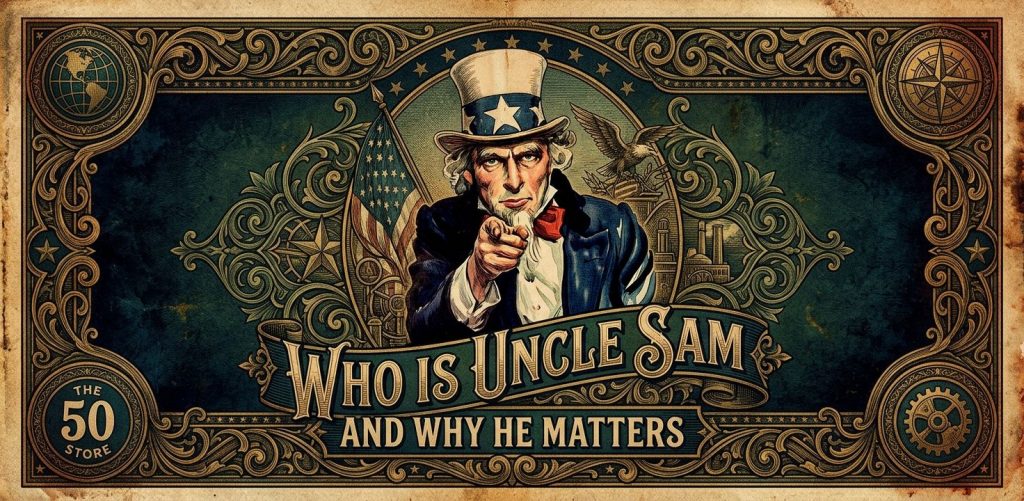
Who Is Uncle Sam and Why He Matters
The Echoes of River Street
I remember walking down the cobblestone paths near River Street in Troy, New York many decades ago. The old brick buildings stood tall against the gray sky. You could almost hear the echoes of the past if you listened closely enough. The river breeze always carried a hint of industry, a reminder of the sweat and hard work that built our towns. America has always been a place in motion, a grand experiment of people moving and dreaming. We are a nation that relies on symbols to understand our own reflection. We look at flags and old monuments to remind us of who we are. But sometimes, as the years roll on, the true stories behind those beautiful symbols get lost in the noise of modern life. We forget the quiet heroes.
When I was a young boy, the local post office had those large, colorful posters pinned to the corkboard. An older man with a stern face, flowing white hair, and a tall hat pointing right at you. The feeling you got looking at that poster was powerful. It felt like the whole country was looking at you, asking something of you directly. It asked for your participation and your strength. But as the years have passed, I notice folks look at that image differently now. They see a tax collector demanding his due. They see a distant bureaucracy. They see a massive government that feels very far away from their daily lives. We have lost the warmth of the original message.
The Man Behind the Pointing Finger
This brings us to a rather quiet complication in our great national story. We have slowly forgotten the human heart that beats inside our most famous icons. We have allowed a living neighbor to be turned into a cold institution. We see the pointing finger, but we have forgotten the hands that actually fed our soldiers. When we lose the human element, the symbols become empty.
Here is a statistic that might catch you by surprise. According to historians at the Smithsonian Institution, fewer than fifteen percent of Americans today realize that Uncle Sam was a real person. Furthermore, during the First World War, the government printed over four million copies of that famous pointing poster. That massive effort made it the most widely recognized poster in human history. We printed millions of pictures of his face, yet we completely forgot his actual name.
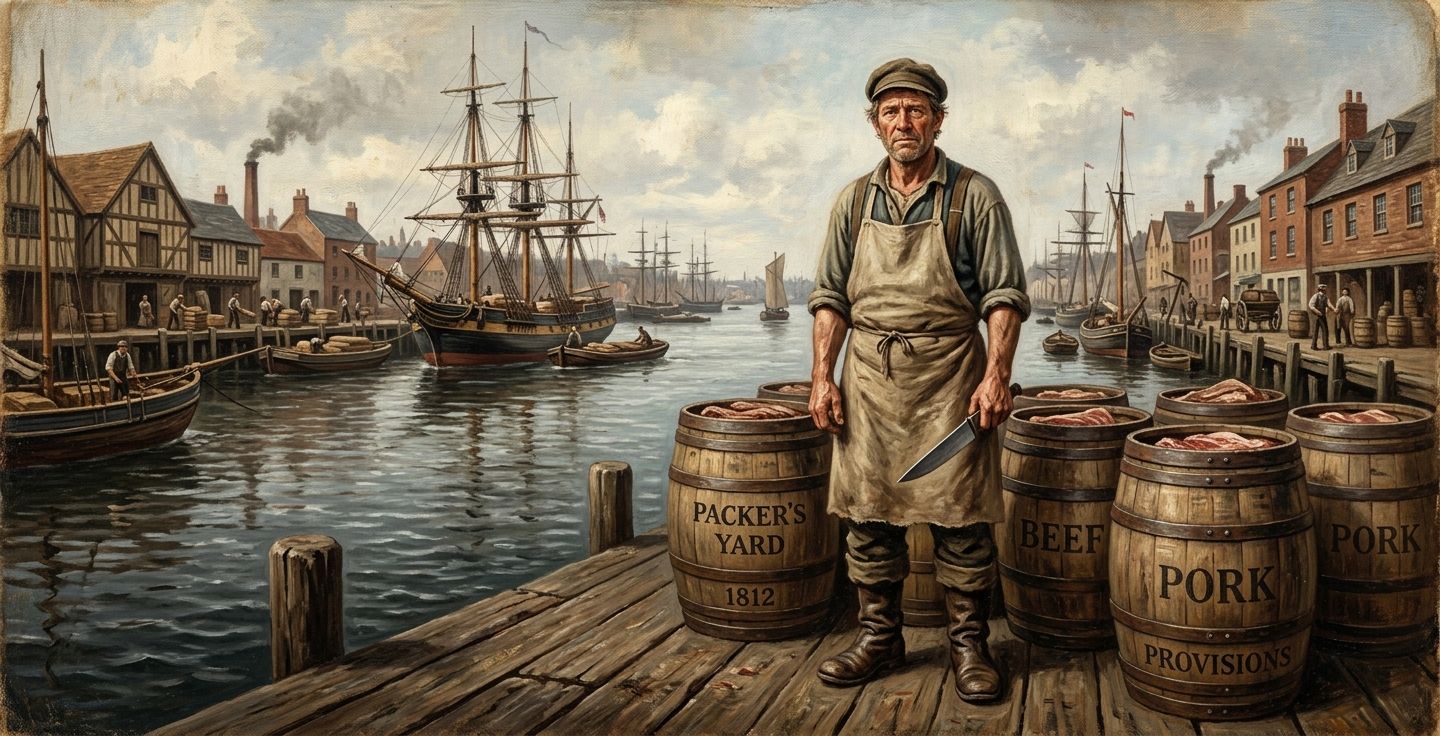
His name was Samuel Wilson (1766-1854). He was born in the small town of Mason, New Hampshire. Samuel was not a wealthy politician sitting in a comfortable office. He was a humble meatpacker. When he was just a young man, he walked all the way to New York, eager to start a new life. He set up a modest business near the river in Troy. He built a life with his own two hands.
Let us look at a small moment in time to understand a massive change in our history. The year was eighteen twelve, and the young country was at war. It was the War of 1812, and times were tough. The troops in the Northern camps were hungry, cold, and desperately waiting for supplies. Down on the noisy docks in Troy, Samuel Wilson was busy. He worked side by side with his men, packing salted pork and beef into large wooden barrels. The coarse salt burned their rough hands. The damp river air chilled their bones. But Samuel knew those young boys up North needed food to survive the bitter winter, so he kept packing, barrel after barrel.
He was a man truly beloved by his local community. He was fair in business, honest with his workers, and always kind to his neighbors. Everyone in town respected him so much that they just called him Uncle Sam. When the government purchased his meat to feed the struggling army, the barrels had to be officially inspected. A contractor named Elbert Anderson oversaw the purchase. To show the food was government property, the barrels were clearly stamped. They stamped U.S. for the United States.
A Joke That Became a Legend
When the soldiers from Troy finally received those heavy barrels of food, they saw the U.S. stamped on the wood. They knew exactly where it came from. They jokingly told the other soldiers that the food came from their good old Uncle Sam back home. The joke brought a smile to tired faces, and it spread quickly. Soon, all government property was affectionately referred to as belonging to Uncle Sam. The name stuck permanently, reminding everyone of the home they left behind.
This brings us to a very important question. Who is Uncle Sam, and why does he still matter to us today? Why should we care about a meatpacker from the eighteen hundreds in our modern world?
We all crave connection to our shared history. We want our children to feel rooted in something meaningful. When we look at the state of things today, it is incredibly easy to feel divided. It is easy to feel like the fabric of our communities is fraying at the edges. That is exactly why this old story matters so deeply to our future. We desire a return to neighborly care. We desire to be part of a community that looks out for one another.
The visual image we recognize today did not happen overnight. It evolved slowly as the country grew. During the late nineteenth century, a talented political cartoonist named Thomas Nast (1840-1902) began drawing him in popular magazines. Nast added the long white beard and the iconic suit covered in stars and stripes. Decades later, an artist named James Montgomery Flagg (1877-1960) gave him the stern face and the pointing finger for a military recruiting poster. Flagg actually used his own face as the model for the drawing because he wanted to save the money he would have spent on hiring a professional actor. It was a practical decision that accidentally created a masterpiece.
Reclaiming Our True Identity
The answer to why he matters is beautifully simple. He matters because he is a reflection of the best parts of us. He is a reminder that the United States is not just a collection of grand marble buildings in Washington. At its very core, the true symbol of America is a neighbor helping another neighbor. It is a hardworking man packing food into wooden barrels to make sure the young folks on the front lines have enough to eat.
We have a profound duty to pass this truth down. Our young people are growing up in an incredibly fast and confusing world. They are constantly surrounded by screens and quick bursts of information. They desperately need real stories that ground them. They need to know that regular, everyday people built the strong foundation they stand upon today.
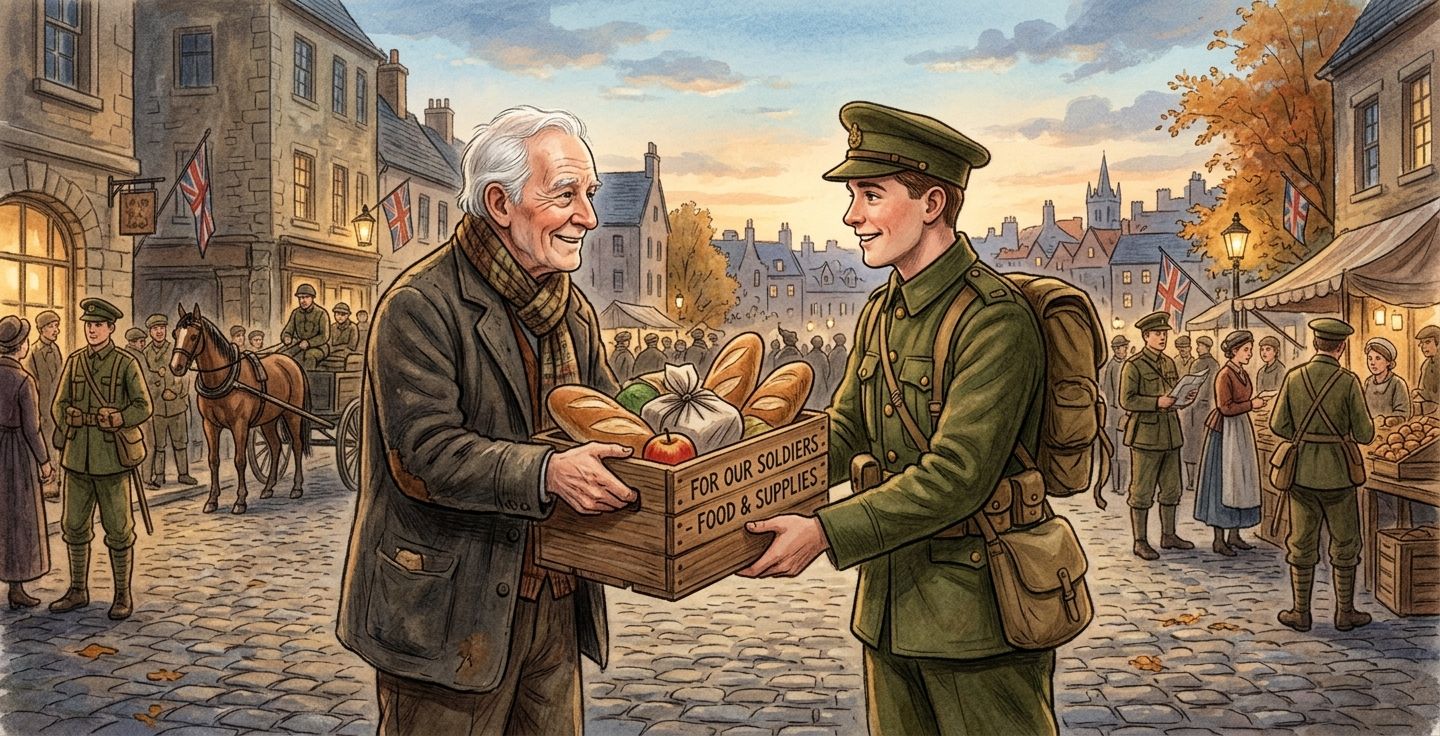
When you look at that old poster now, I sincerely hope you see something entirely different. I hope you look past the demanding finger. I hope you see Samuel Wilson standing on the docks. I hope you see the honest worker from New York who cared deeply about his community and his country.
Tell this wonderful story to your grandchildren. The next time you are sitting around the family dinner table, ask them if they know who Uncle Sam really was. Share the story of the heavy wooden barrels on the damp docks of Troy. Teach them that true patriotism is not just about waving a flag on a holiday. True patriotism is found in the quiet, steady, daily work of supporting your community. It is about doing your part to keep the folks around you safe and fed.
The future of our great nation is incredibly bright. I have lived through many changing seasons, and I have seen our country weather many difficult storms. The resilience and strength of our people always shine through the darkest clouds. We just need to remember our roots. We need to remember that every great national movement starts with a single person deciding to do the right thing for their neighbors.
Common Questions About the Man Behind the Myth
Over the years, folks have asked me a lot of questions about how all of this history fits together. Here are some of the most common things people wonder about.