
American Sports & Pastimes
The Story Of The Frisbee: From Bakery Pie Tins To A Collegiate Flying Craze
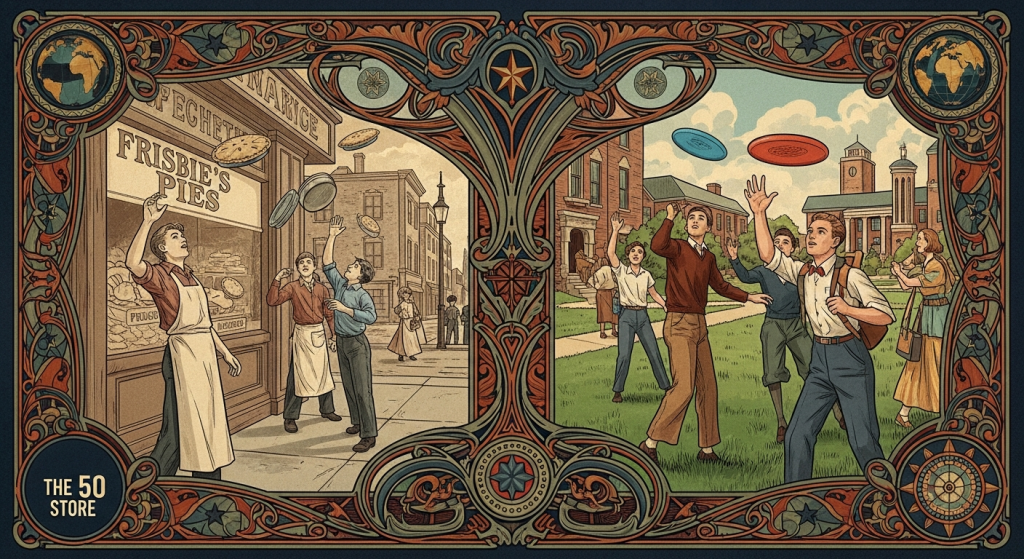
Next time you toss a plastic disc on the beach, watching it arc gracefully against the sky, pause for a moment. You’re not just throwing a toy; you’re holding a delicious piece of American history, a whisper of a simpler time. The iconic Frisbee didn’t begin in a high-tech laboratory or a slick toy design studio. No, it started, believe it or not, as a humble metal pie tin, tossed by hungry students at Yale University in the late 19th century.
As a folklorist, I’ve always been captivated by how everyday objects, often those we take for granted, carry stories that echo through generations. The Frisbee’s journey, from a bakery in Bridgeport, Connecticut, to a global phenomenon, is a perfect example of Yankee ingenuity, playful spirit, and the enduring human desire to simply, well, play.
The Whispers of the Past: The Frisbie Pie Company
Our story truly begins with William Frisbie, a baker whose delicious pies were a staple in New England homes. In 1871, he founded the Frisbie Pie Company in Bridgeport, making his mark with fruit-filled delights baked in sturdy tin plates. My own grandmother, who always said a good pie was the cornerstone of any family gathering, would have appreciated the care put into those tins. They were designed not just to hold a pie, but to be strong enough to journey from the bakery to many a family table.
It wasn’t long before students from nearby Yale University discovered a secondary, unintended use for these tins. After devouring their apple or cherry pies, they’d find themselves with empty metal plates that, with a flick of the wrist, proved remarkably airworthy. Imagine the scene: a crisp autumn afternoon, students gathered on the sprawling campus, a spontaneous game of ‘catch’ erupting with a repurposed pie tin. It speaks to a universal truth about play, doesn’t it? That ingenuity often sparks from the simplest of things, right in our own hands.
The Cry of ‘Frisbie!’
As these impromptu tossing games grew in popularity, a particular tradition emerged. To warn unsuspecting passersby of an incoming tin, students would shout ‘Frisbie!’ And so, the name, albeit slightly altered later, was born from a spontaneous cry on a college green. It’s a charming micro-history, a testament to how language and tradition evolve through shared experiences. I can almost hear those shouts carried on the breeze, a playful symphony cutting through the academic hush.

From Tin to ‘Pluto Platter’: The Space-Age Redesign
Fast forward to the mid-20th century, and the world was gripped by a fascination with space, UFOs, and all things futuristic. This ‘flying saucer’ craze provided the perfect inspiration for a man named Walter Morrison. A building inspector and self-taught inventor from Southern California, Morrison recalled the joy of throwing pie tins as a child. He saw the potential for a more aerodynamic, durable version. In 1948, he created his first plastic flying disc, initially calling it the ‘Flyin’ Saucer,’ then later, in 1955, the more evocative ‘Pluto Platter’ to truly capture that space-age wonder.
Morrison’s design was revolutionary. It exchanged the flimsy tin for robust, lightweight plastic, incorporating a more sophisticated aerodynamic shape that allowed for longer, more stable flights. He even included a small ridge on the underside, known as the ‘Morrison lip,’ which helped with grip and stability. This wasn’t just a toy; it was a marvel of accessible physics, bringing the thrill of flight to anyone who could throw it.
The Wham-O Era: A Global Craze Takes Flight
The true turning point arrived in 1957 when Wham-O, a fledgling toy company known for its innovative products like the Hula Hoop, purchased the rights to Morrison’s ‘Pluto Platter.’ The company’s co-founders, Richard Knerr and Arthur ‘Spud’ Melin, were initially unsure about the name. While touring college campuses, they heard the familiar cry of ‘Frisbie!’ from students tossing the plastic discs. In a stroke of marketing genius, they rebranded it, slightly altering the spelling to avoid trademark issues with the pie company, and in 1958, the ‘Frisbee’ was officially launched.
Wham-O didn’t just sell a toy; they sparked a cultural phenomenon. Their marketing was brilliant, emphasizing skill, sport, and outdoor fun. They even hired college students to demonstrate techniques on beaches and campuses, turning casual play into something aspirational. The company has since sold over 300 million Frisbees, a testament to its enduring appeal. This isn’t just about sales numbers; it’s about countless memories made, friendships forged, and sun-drenched afternoons enjoyed across America and beyond.
The evolution of the Frisbee is a fascinating journey, from a simple repurposed pie tin to a finely tuned athletic instrument. To truly appreciate this transformation, let’s look at how far we’ve come:
| Feature | Original Frisbie Pie Tin (c. 1870s-1950s) | Modern Frisbee (e.g., Wham-O Pro Classic, post-1960s) |
|---|---|---|
| Material | Tin-plated steel | Polypropylene plastic (various blends) |
| Primary Use | Baking, then impromptu play | Recreational throwing, competitive sports |
| Diameter | ~8-10 inches (20-25 cm) | Varies, ~9-11 inches (23-28 cm) standard |
| Weight | ~5-7 ounces (140-200 g) | Varies, ~100-175 grams (recreational to Ultimate) |
| Edge/Rim | Rolled edge for structural integrity | Aerodynamic rim for lift and stability |
| Flight Dynamics | Unpredictable, short glides | Predictable, long, stable flights, specialized spins |
| Durability | Prone to bending and rusting | Resilient, weather-resistant, impact-absorbing |
| Cost (era) | Minimal (repurposed item) | Affordable, mass-produced toy |
The Evolution into Competitive Sport
The Frisbee’s story doesn’t end with recreational beach play. It evolved, mirroring America‘s growing love for organized sport and community activity. What started as a casual toss transformed into sophisticated, competitive sports enjoyed by millions worldwide. For instance, the Professional Disc Golf Association (PDGA) reports over 100,000 active members worldwide in recent years, a remarkable surge from just a few thousand in the early 2000s. And Ultimate Frisbee, with its fast-paced, spirited play, is recognized globally. It warms my heart to see these traditions grow, bringing people together outdoors.
Choosing Your Perfect Flying Disc: A Clara Higgins Guide
With so many options today, picking the right flying disc can feel a bit overwhelming. But fear not! Think of it like choosing the right flour for your grandmother’s pie recipe: it depends on what you’re hoping to bake!
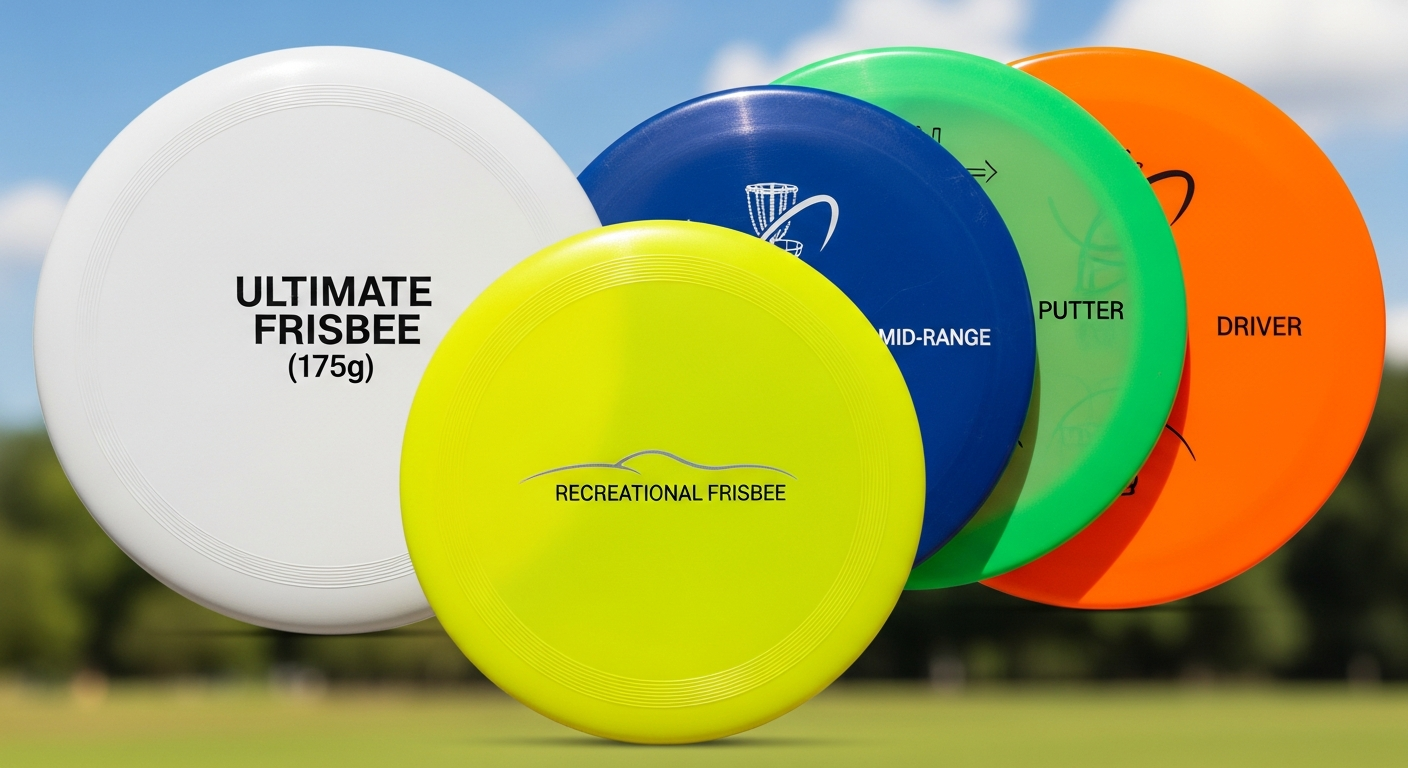
- For Casual, Recreational Play: If you’re heading to the park for a relaxed afternoon with family or friends, look for a lighter disc, typically around 130-150 grams. Softer plastics are ideal, making them easier to catch without stinging hands. Wham-O’s classic ‘Fun Frisbee’ is a perfect example, designed for easy throws and gentle catches.
- For Ultimate Frisbee: This dynamic team sport requires a specific disc. The official disc for Ultimate is 175 grams and has a diameter of 27 cm (10.75 inches). These discs are made from a more rigid plastic to maintain their flight path even in wind and during powerful throws. Look for discs specifically marked as ‘Ultimate Disc’ or with WFDF (World Flying Disc Federation) approval.
- For Disc Golf: Ah, a sport close to my heart! Disc golf, much like traditional golf, uses different discs for different shots. You’ll want a ‘driver’ for long distances, a ‘mid-range’ for approach shots, and a ‘putter’ for getting into the basket. These discs have unique aerodynamic properties and come in various plastic blends for different flight characteristics and durability. Many brands offer beginner sets, a wonderful way to dip your toes in this growing sport.
- For Freestyle or Tricks: If you’re inspired by those amazing spinner and catch tricks you see online, you’ll want a lighter, often more flexible disc, typically around 160-165 grams. Some freestyle discs feature a more pronounced ‘dome’ for longer spin times on a fingertip.
No matter which you choose, remember the spirit of play that started with a simple pie tin. It’s about connection, movement, and the joy of a shared moment under the open sky.
Wear a Slice of American History
The story of the Frisbee is a truly American tale: of innovation, playfulness, and turning something everyday into something extraordinary. It’s about a simple bakery tin that took flight and captured our imaginations. That’s why I’m so fond of The50 Store’s ‘Frisbie Pie Co. Retro Bakery Tee.’ It’s a slice of American history you can wear, featuring the classic bakery logo printed on our buttery-soft, breathable combed cotton. It’s more than just a shirt; it’s a conversation starter, a nod to heritage, and a tribute to the delicious origins of an enduring American pastime.