
Geography & the American Landscape
The Battle For The Grand Canyon: Saving America’S Deepest Wonder From Damming
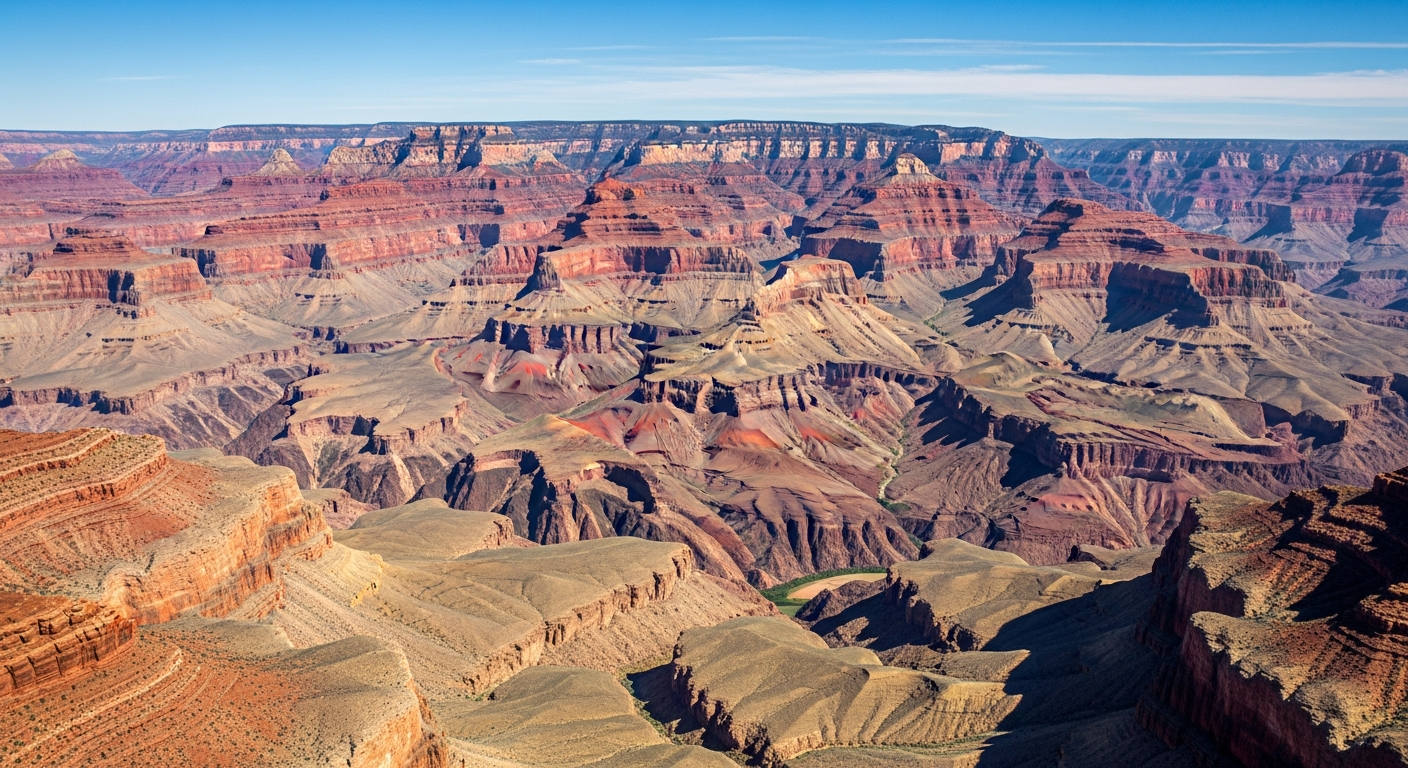
Imagine standing at Mather Point, the vast chasm before you a riot of color, shadow, and silence. You feel the ancient forces at play, the relentless sculpting of eons. This is the Grand Canyon National Park, America‘s deepest wonder, a place that exposes nearly 2 billion years of Earth’s geological history, layer by magnificent layer. But what if I told you that less than 60 years ago, this very landscape almost faced an unthinkable fate? What if federal plans had gone through, creating reservoirs where ancient canyons carved by the Colorado River now lie open to the sky?
It’s a chilling thought, isn’t it? In the mid-1960s, a federal proposal aimed to construct two massive hydroelectric dams inside the Grand Canyon itself. These weren’t small projects; they were behemoths designed to flood significant portions of the canyon floor, transforming a raw, untamed wilderness into a series of placid, man-made lakes. This isn’t just a hypothetical nightmare; it was a very real, very imminent threat. This is the incredible story of how ordinary citizens, armed with conviction and a profound love for our wild places, stood up to say, unequivocally: ‘No dams in our canyon.’
The Fight for the Sacred Gorge
Damming the Colorado: The Post-War Push
To understand the audacious proposal to dam the Grand Canyon, we need to travel back to post-World War II America. The nation was booming. Population centers across the Southwest, particularly in states like California and Arizona, were exploding. This rapid growth demanded massive increases in both water and electrical power. The Bureau of Reclamation, established in 1902 to develop water resources in the arid West, saw the Colorado River as the ultimate solution. Its power had already been harnessed by engineering marvels like the Hoover Dam (completed 1936) and the controversial Glen Canyon Dam, which began impounding Lake Powell in 1963, forever submerging one of America‘s most beautiful side canyons.
The vision for the Grand Canyon was part of an even larger scheme: the Central Arizona Project (CAP). This ambitious project aimed to divert Colorado River water to thirsty central and southern Arizona, but it required power, a lot of it, to pump water uphill across vast distances. The proposed solution? Two major dams within the Grand Canyon: the Bridge Canyon Dam (later renamed Hualapai Dam) and the Marble Canyon Dam. The Bridge Canyon Dam alone, envisioned at nearly 700 feet tall, would have created a reservoir stretching 93 miles upstream, fundamentally altering the very heart of the canyon.
The numbers were staggering. These dams were projected to generate over 2,000 megawatts of electricity, enough to power millions of homes. The Bureau of Reclamation argued that the reservoirs would also provide vital water storage and recreational opportunities, framing them as progress. Yet, for many, the idea of sacrificing the Grand Canyon’s untamed beauty for power and water, however vital, felt like a betrayal of our national heritage. This wasn’t just about kilowatts and acre-feet; it was about the soul of America‘s wilderness.
The Sierra Club’s Unforgettable Ad Campaign
Into this battle stepped David Brower, the executive director of the Sierra Club. Brower was a master strategist and an uncompromising visionary. He understood that to stop something as monumental as a federal dam project, you needed to ignite a national conscience, to make people feel the loss before it happened. And he did it with an audacity that shocked the nation.
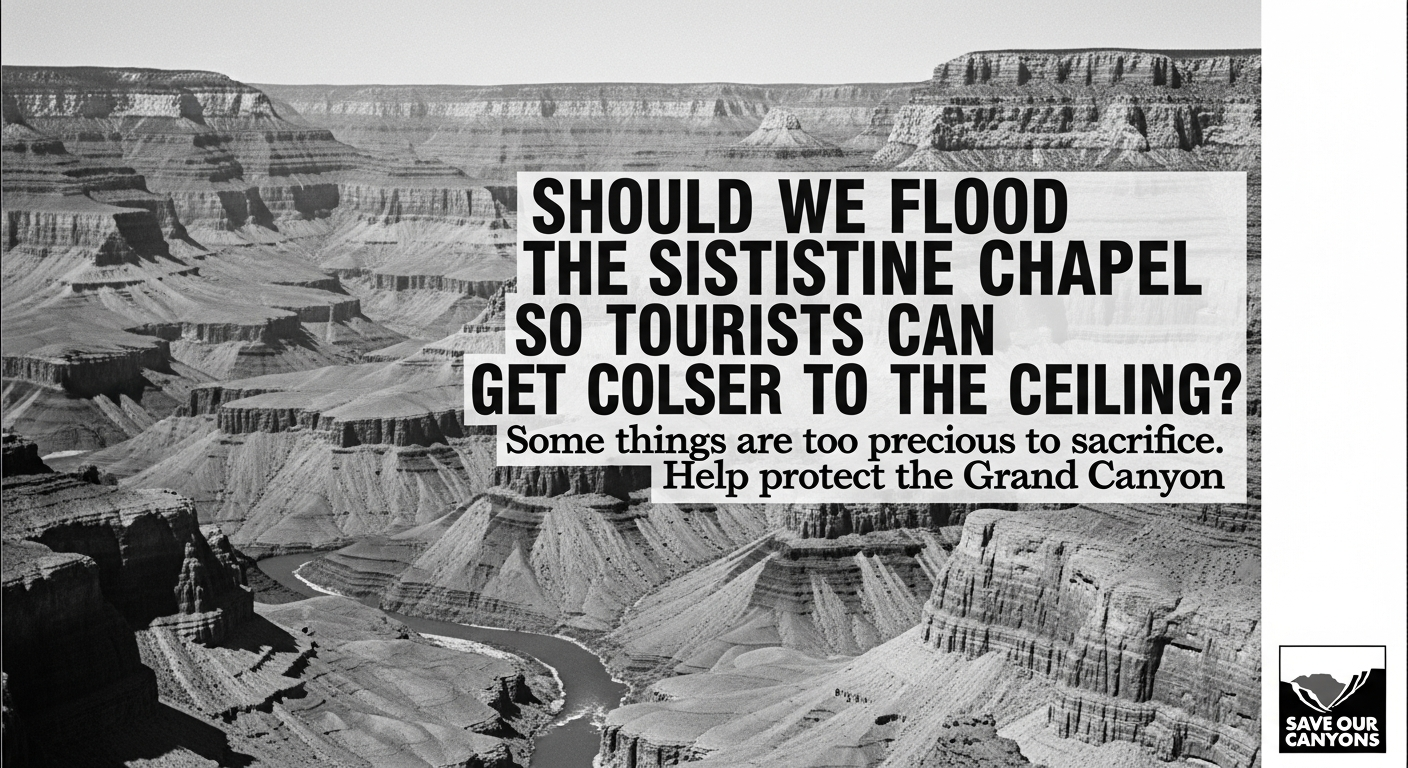
In 1966, the Sierra Club launched a series of full-page advertisements in major national newspapers, including The New York Times and The Washington Post. One of the most famous ads, penned by Brower himself, provocatively asked: ‘Should we also flood the Sistine Chapel so tourists can get closer to the ceiling?’ Another chillingly declared: ‘THIS TIME IT’S THE GRAND CANYON THEY WANT TO FLOOD: The only thing we haven’t done to the Grand Canyon is flood it. And now they want to do that.’ These ads were immediate, direct, and emotionally devastating. They challenged the public to see the Grand Canyon not just as a resource, but as an irreplaceable masterpiece of nature, on par with humanity’s greatest artistic achievements.
The campaign was so effective, so defiant, that the Internal Revenue Service (IRS) actually revoked the Sierra Club’s tax-exempt status, claiming their lobbying activities were too extensive. It was a clear attempt to silence them, but it only served to fuel the fire, turning Brower and the Sierra Club into symbols of grassroots resistance. I remember reading about it in my college days, seeing how one organization, with incredible passion, could rally a nation. It reminds me of the power we all have to speak up for what we believe in.
The Public Backlash: A Nation Awakens
The Sierra Club’s ads struck a nerve. The public reacted with an unprecedented outpouring of letters, telegrams, and phone calls to members of Congress. Millions of Americans, from all walks of life, demanded that their representatives protect the Grand Canyon. It wasn’t just conservationists; it was families who cherished memories of visits, students who studied its geology, and citizens who simply believed in preserving America’s natural heritage.
This massive, grassroots backlash was something the federal government and its powerful agencies had never fully anticipated. The sheer volume of public outcry began to shift the political landscape. By 1967 and into 1968, the opposition grew too strong to ignore. Politicians, once swayed by the promise of cheap power and water, realized that supporting the dams would be a political suicide. Faced with overwhelming public pressure, Congress ultimately withdrew the plans for the Bridge Canyon and Marble Canyon dams in 1968. It was a stunning victory, a David-and-Goliath triumph for conservation.
A Wonder Saved: The Birth of Modern Conservation
The saving of the Grand Canyon was more than just preventing a specific project; it was a watershed moment that redefined the American conservation movement. It proved that organized public opinion, when passionately expressed, could stand up to immense governmental and industrial power. This victory helped pave the way for landmark environmental legislation in the years that followed, including the National Environmental Policy Act of 1969 and the Clean Water Act of 1972.
Today, the Grand Canyon stands as a testament to that battle, a vibrant, living monument to the power of citizen action. Its designation as an official National Park in 1919 was an early step, largely thanks to President Theodore Roosevelt, who famously declared, ‘Leave it as it is. You cannot improve on it.’ But the battle in the 1960s ensured that the Canyon remained ‘as it is’ against new, more insidious threats.
Here’s a quick look at some key milestones in its preservation:
| Year | Event/Milestone | Significance |
|---|---|---|
| 1903 | President Theodore Roosevelt visits and advocates for its protection. | Raises national awareness; begins federal recognition of its value. |
| 1908 | Designated a National Monument by Theodore Roosevelt. | Initial federal protection from mining claims under the Antiquities Act. |
| 1919 | Grand Canyon National Park established by Congress. | Permanent, stronger protection under the National Park System. |
| 1960s | Federal plans for Bridge Canyon and Marble Canyon Dams proposed. | Catalyst for a major conservation battle against direct threats to the park’s integrity. |
| 1968 | Dam proposals withdrawn due to public outcry. | Landmark victory for the nascent environmental movement, showcasing power of citizen action. |
| 1975 | Grand Canyon National Park Enlargement Act. | Significantly expanded the park boundaries, adding surrounding wilderness areas for greater protection. |
How to Be a Modern Conservationist: A Checklist for Protecting Our Wild Places
The lessons from the Grand Canyon battle are timeless. Conservation isn’t a bygone struggle; it’s an ongoing commitment. Here’s a practical checklist for how you can contribute to protecting America’s deep wonders today:
- Educate Yourself: Understand the specific threats facing your local and national parks. Read up on proposed developments, water rights issues, or land-use changes. Knowledge is the first step.
- Support Conservation Organizations: Groups like the Sierra Club, National Parks Conservation Association, and local land trusts are on the front lines. Your membership, donations, or volunteer time provides vital resources.
- Speak Up (Your Voice Matters!): Write to your elected officials (federal, state, and local). Call their offices. Share your concerns on social media. Personal letters, like those sent during the Grand Canyon fight, still carry immense weight.
- Vote with Purpose: Research candidates’ stances on environmental protection and public lands. Electing leaders who prioritize conservation is crucial for long-term protection.
- Practice ‘Leave No Trace’: When you visit national parks and wilderness areas, follow the Leave No Trace principles. Pack out what you pack in, stay on marked trails, and respect wildlife. Our individual actions add up.
- Engage Locally: Join a local parks advocacy group or attend public hearings on land-use decisions in your community. Protecting the small patches of green near home contributes to the bigger picture.
- Share the Wonder: Introduce others, especially younger generations, to the beauty and importance of our natural landscapes. Foster that same sense of awe and responsibility.
Carry the Spirit of Conservation
The fight for the Grand Canyon reminds us that our wild places need our vigilance, our passion, and our collective voice. It taught us that ‘progress’ should never come at the expense of irreversible environmental devastation. When I’m out there, guiding folks through the breathtaking vistas of the American West, or simply hiking a remote trail in my Colorado backyard, I often reflect on these epic battles. They make me feel so grateful for the foresight and courage of those who came before us, and they remind me that we are all stewards of this incredible land.
It’s why I love gear that connects me to these stories. If you, like me, feel a deep connection to places like the Grand Canyon, why not carry a piece of that spirit with you? The Grand Canyon National Park Vintage Hat from The50 Store is more than just headwear; it’s a nod to the enduring legacy of our national parks and the battles fought to protect them. Keep the sun off your eyes on the trail, or wear it on a daily adventure. It features an unstructured retro design with simple, bold outdoor vector embroidery, a subtle reminder of the vast, wild beauty we must never stop defending.
Let’s wear our appreciation proudly and continue the legacy of protecting these magnificent landscapes for generations to come. Every step we take, every voice we raise, matters. Our wild America depends on it.