
American Sports & Pastimes
The Soap Box Derby: How Child Ingenuity Built A National Derby Of Speed And Grit
In the quiet corners of my grandmother’s Ohio kitchen, a familiar scent of baking bread often mingled with stories of bygone eras. One tale I remember vividly, often told with a twinkle in her eye, was about the summer heat of 1933, when a sharp-eyed newspaper photographer in Dayton, Ohio, stumbled upon a sight that would ignite a national sensation. Three young boys, full of vim and vinegar, were hurtling down an old hill, strapped into homemade wooden crates, racing each other with nothing but gravity and their own ingenuity as fuel. That simple moment of childhood play, a pure distillation of American spirit, sparked the **All-American Soap Box Derby**, a national race built on speed, grit, and backyard engineering.
The Spark of Ingenuity: Myron Scott’s Discovery
It was Myron Scott, a keen photographer for the Dayton Daily News, who saw more than just children playing. He recognized the raw, inventive spirit that defined American youth, particularly during the challenging years of the Great Depression. The country was yearning for hope, for simple joys, and for stories of triumph born from everyday effort. Scott, with an entrepreneurial spark, decided to organize a local race. He expected a few dozen kids, perhaps some neighborhood fanfare. What he got was an overwhelming outpouring of creativity: 362 eager young racers, each proudly presenting a unique, makeshift car crafted from orange crates, scrap wood, and discarded parts.
The success of that initial Dayton race was undeniable. It quickly caught the attention of Chevrolet, which saw in the derby a perfect reflection of American values: hard work, innovation, and healthy competition. Chevrolet became the primary sponsor in 1935, cementing the event’s national reach. It wasn’t long before Dayton’s hills proved too small for this growing phenomenon.
From Backyard Hills to Derby Downs: A National Stage
The race needed a grander stage, a track purpose-built for speed and fair competition. So, in 1934, the National Soap Box Derby moved to Akron, Ohio, a city already known for its rubber industry and manufacturing prowess. It felt like the perfect fit for an event celebrating craftsmanship. By 1936, the iconic Derby Downs was dedicated. This permanent, steep track, specifically designed for gravity racing, became a pilgrimage site for young builders and their families from across the country. Imagine the roar of the crowds, the excitement bubbling up the hillside as each racer, full of nervous energy and determined focus, prepared for their descent!
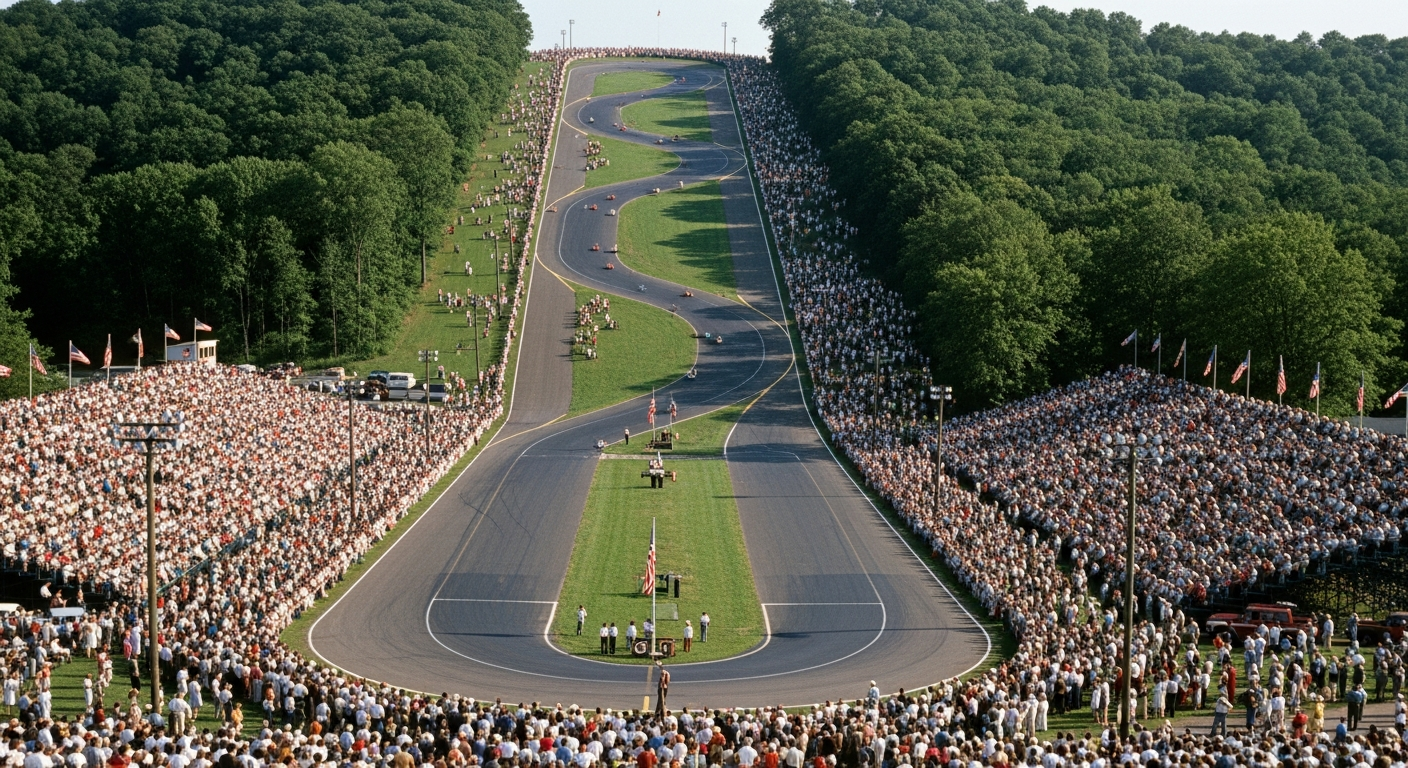
The attendance figures for the All-American Soap Box Derby quickly became legendary. In its heyday, especially during the post-war boom, crowds routinely swelled to over 70,000 spectators, all eager to witness the thrilling races and cheer on their local champions. This wasn’t just a children’s event; it was a bona fide national spectacle. To put that in perspective, this was comparable to the attendance of major league baseball games or significant cultural events of the era. The economic impact on Akron was substantial, bringing in visitors and fostering a sense of community pride that resonated for decades.
Here’s a look at some key milestones in the Derby’s rich history:
| Year | Event | Significance |
|---|---|---|
| 1933 | Myron Scott organizes first race, Dayton, Ohio | Birth of the formal Soap Box Derby; 362 boys participate. |
| 1934 | First National Race, Akron, Ohio | Akron becomes the permanent home; national competition begins. |
| 1935 | Chevrolet becomes primary sponsor | Major corporate backing elevates event to national prominence. |
| 1936 | Derby Downs dedicated, Akron, Ohio | Construction of the iconic, permanent track; solidifies Akron’s role. |
| 1971 | Girls allowed to compete | Historic rule change promotes inclusivity and expands participation. |
| 1990s | Introduction of ‘Kit Car’ divisions | Balances pure ingenuity with accessibility; modernizes the race. |
The Enduring Rules of the Road: Built by Hand, Powered by Grit
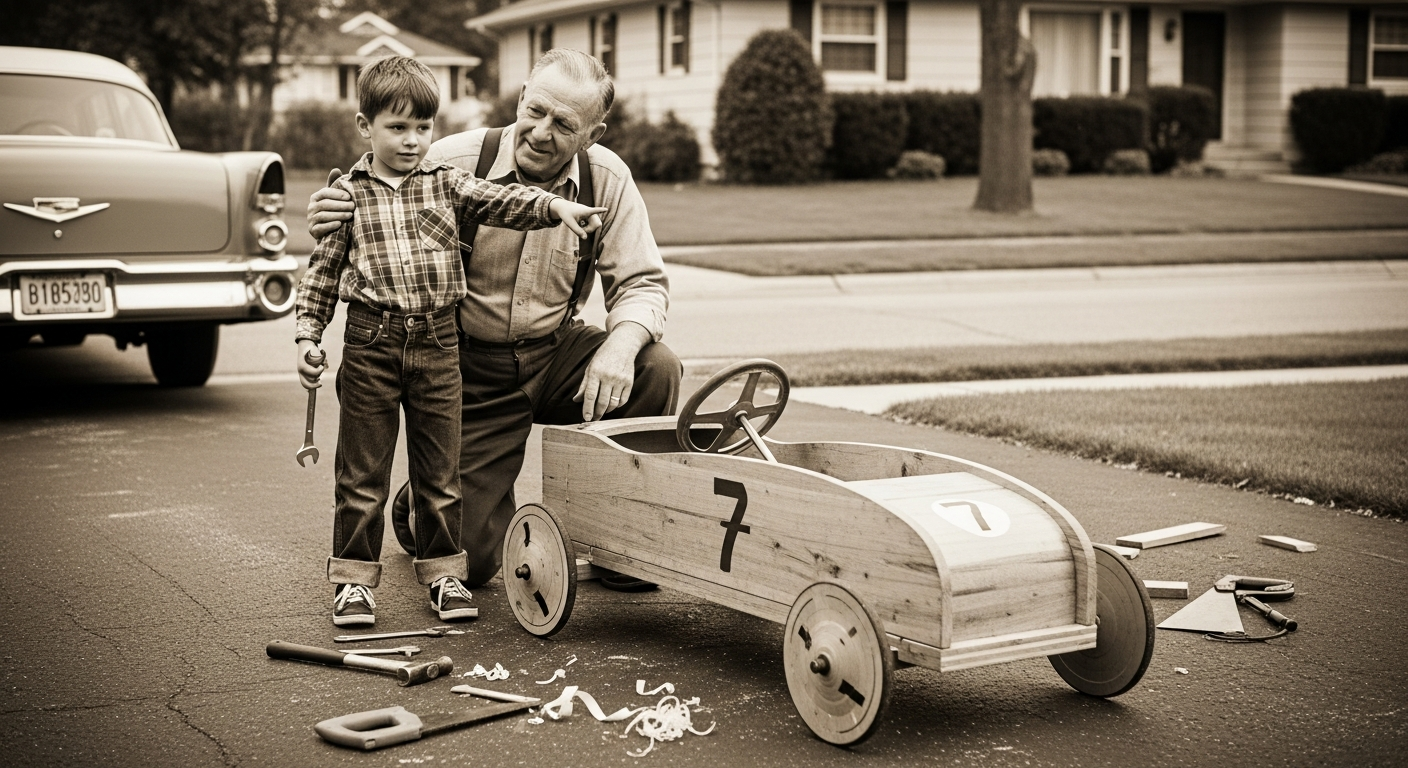
The heart of the Soap Box Derby’s appeal always lay in its fundamental rules: cars had to be gravity-powered, and, crucially, they had to be built entirely by the kids themselves. This wasn’t a race for professional fabricators or deep pockets; it was a race for ingenuity, for learning, and for the satisfaction of creating something with your own two hands. Youngsters, often guided by parents or mentors, learned about basic physics, aerodynamics, and the practical application of tools.
The Spirit of the Build: What Every Gravity Racer Needs
From the humblest beginnings to the roar of Derby Downs, the process of building a Soap Box Derby car instills invaluable life lessons. It’s a hands-on education in problem-solving and perseverance. As a folklorist, I’ve always admired how this tradition passes down not just skills, but a mindset. It’s not about winning as much as it is about the journey of creation. Here’s what truly goes into the spirit of every gravity racer:
- Imagination: It all begins with a dream, a vision for speed, a unique design sketched on paper or simply held in the mind. Before any wood is cut, a young builder first imagines their perfect car.
- Simple Materials: The early derbies celebrated using what was at hand: orange crates, discarded lumber, old pram wheels, even roller skate parts. The beauty was in transforming humble scraps into something extraordinary. Even with today’s kits, the spirit of resourcefulness remains.
- Basic Tools: Learning to safely wield a hammer, a saw, a drill, or a wrench is a rite of passage. These aren’t just objects; they’re extensions of the builder’s will, tools for turning an idea into reality.
- Hands-on Effort: Every cut, every nail hammered, every bolt tightened, every coat of paint applied is the direct result of the young builder’s effort. It’s their sweat equity that makes the car truly theirs.
- Trial & Error: The track isn’t the only place for competition; the driveway is where the real work happens. Test runs reveal wobbling wheels, faulty steering, or a lack of balance. These ‘failures‘ are crucial lessons, sparking adjustments, redesigns, and ultimately, improvement.
- Parental Guidance (not Interference): Adults play a vital role, but it’s one of mentorship, not ownership. They provide safety instructions, offer advice, and help troubleshoot, ensuring the child learns by doing, rather than watching.
- Grit & Perseverance: Things break. Ideas don’t always work out. The true derby spirit shines when a young builder, faced with a challenge, doesn’t give up. They fix it, they learn from it, and they push forward, building not just a car, but character.
A National Phenomenon: Teaching Generations of Grit
The Soap Box Derby became more than just a race; it became a cherished American tradition, a rite of passage for countless children. It taught generations the basics of physics, mechanics, and the sheer joy of working with one’s hands. Famous figures, themselves embodiments of American aspiration, lent their support. Jimmy Stewart, a beloved actor, served as a Derby announcer, adding a touch of Hollywood glamour. Even Ronald Reagan, long before his presidency, graced the events, highlighting their importance in fostering youth development.
For me, growing up in Ohio, the Soap Box Derby felt like a thread connecting us to that pioneering spirit. I remember stories from my grandfather, who, as a boy, would rig up his own contraptions, dreaming of Derby Downs. While I never built a car myself, I felt the reverberations of that legacy at local fairs, seeing neighborhood kids proudly display their creations. It wasn’t just about the speed; it was about the community, the pride in a job well done, and the thrill of independent creation.
In a world often dominated by screens and ready-made solutions, the Soap Box Derby stands as a vibrant reminder of the enduring value of hands-on learning, self-reliance, and the simple, profound satisfaction of building dreams from humble materials. It’s a celebration of American ingenuity, passed down from one generation of young builders to the next, proving that with a little grit and a good push, anything is possible.
Celebrate the Spirit of American Backyard Builders
The timeless appeal of the Soap Box Derby isn’t just about the race itself; it’s about the feeling of home, of community, of building something meaningful. It’s about those crisp autumn days at the local fair, the smell of sawdust, and the hopeful gleam in a child’s eye as they imagine their creation flying down the track. This spirit, this distinctly American blend of ingenuity and hope, is something we cherish at The50 Store.
To honor this incredible legacy, we’ve created our ‘Soap Box Derby Akron OH Commemorative Hoodie.’ It’s more than just a piece of clothing; it’s a wearable tribute to the backyard heroes and the national dream they built. Made with thick, premium fleece, it’s designed to keep you comfortable on any trail, whether you’re working in the garage, cheering from the sidelines, or simply carrying on the traditions that make our country so unique. Wear it with pride, and keep the spirit of speed and grit alive!