
American Lifestyle
The Science Of Sound: Why Crunchy Slime Is America’S Favorite Asmr Trend
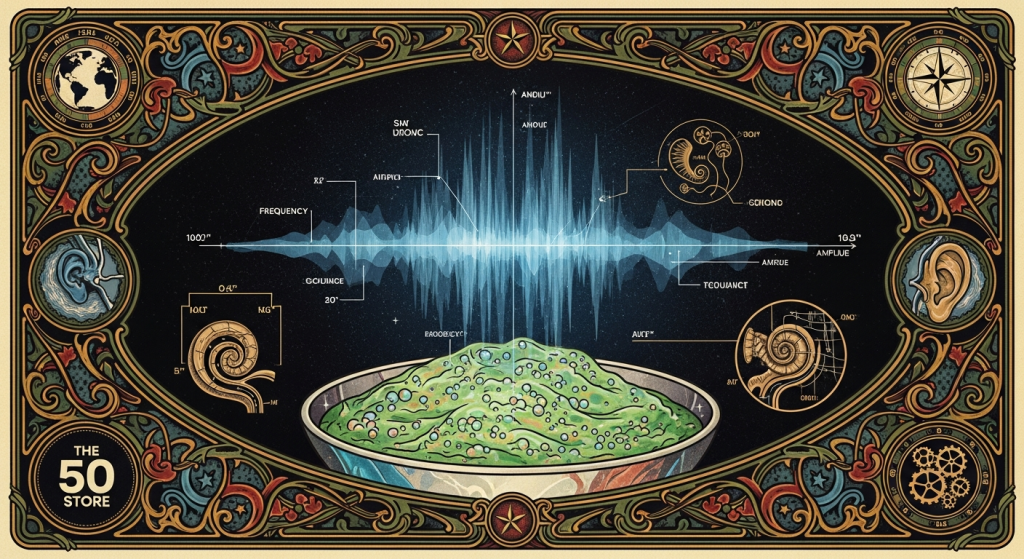
My fellow Americans, I’ve seen a lot of things come and go in this great nation of ours. Fads, trends, technological marvels that changed the world overnight, and quiet revolutions that snuck up on us. But one of the most delightful, and frankly, surprising, shifts I’ve witnessed in recent years is our collective rediscovery of simple, tangible joys. In a world that often feels too loud, too fast, and too demanding, we’re all searching for that little pocket of peace, aren’t we?
For millions of Americans seeking stress relief and focus, the sharp, satisfying crackle of crunchy slime has become just that: the ultimate sensory escape. It might sound peculiar at first, a grown-up playing with slime. But trust me, there’s a profound, almost primal satisfaction in it. By folding foam beads, bingsu beads, or plastic pellets into standard slime, makers have created a unique auditory and tactile masterpiece. I want to share with you why the science of ASMR and the art of crunchy slime continue to fascinate and soothe the American public, offering a quiet rebellion against the digital din.
The Call of the Crackle: Unpacking America‘s ASMR Craze
We live in a time of unprecedented connectivity, yet paradoxically, many of us feel more overwhelmed than ever. The constant pings of our phones, the endless news cycles, the sheer pace of modern life – it can leave a soul yearning for quiet. The challenge, I’ve noticed, is finding simple, accessible stress relief toys that actually work, without requiring hours of meditation or a trip to a secluded mountain retreat. This is where something as unassuming as crunchy slime steps in, answering a need we didn’t fully realize we had. The question arises: why has this seemingly simple concoction captured the hearts (and ears) of millions?
The answer, my friends, lies in a fascinating phenomenon called ASMR, or Autonomous Sensory Meridian Response. It’s that tingling sensation, often starting on the scalp and moving down the back of the neck and spine, that some folks experience in response to specific auditory ASMR triggers or visual stimuli. Think about the comforting sound of someone whispering, the gentle crinkle of paper, or the focused concentration of watching a task performed skillfully. These aren’t just sounds; for many, they’re pathways to profound relaxation. And guess what? The distinct ASMR slime sound, with its pops, crackles, and stretches, hits that sweet spot for a remarkable number of people.
It’s not just anecdotal, either. This isn’t just a quirky niche. The numbers are truly eye-opening. Studies show that ASMR videos on platforms like YouTube attract billions of views annually, indicating a massive global interest. In America alone, the market for stress relief products, which includes sensory relief trends like ASMR slime, has been steadily growing, projected to reach significant figures in the coming years. This isn’t just a fleeting internet sensation; it’s a testament to our collective search for calm in chaos. I remember when fidget spinners were everywhere, a quick fix for nervous energy. But crunchy slime, I believe, offers something deeper, a sustained engagement that’s both tactile and auditory, making it a much more satisfying experience.
It reminds me, in a way, of the simple, honest pursuits that built this country. Just as early American settlers found peace in the rhythm of chopping wood or tending a garden, modern Americans are finding a similar solace in the repetitive, satisfying sounds of sensory relief trends. It’s about finding joy and calm in the small, controllable things amidst a big, often unpredictable world. We’ve always been a people who innovate, who find new ways to make life better, and this, in its own humble way, is another example of American ingenuity at play in the realm of personal wellness.
The Anatomy of Crunch: Crafting the Perfect ASMR Slime Sound
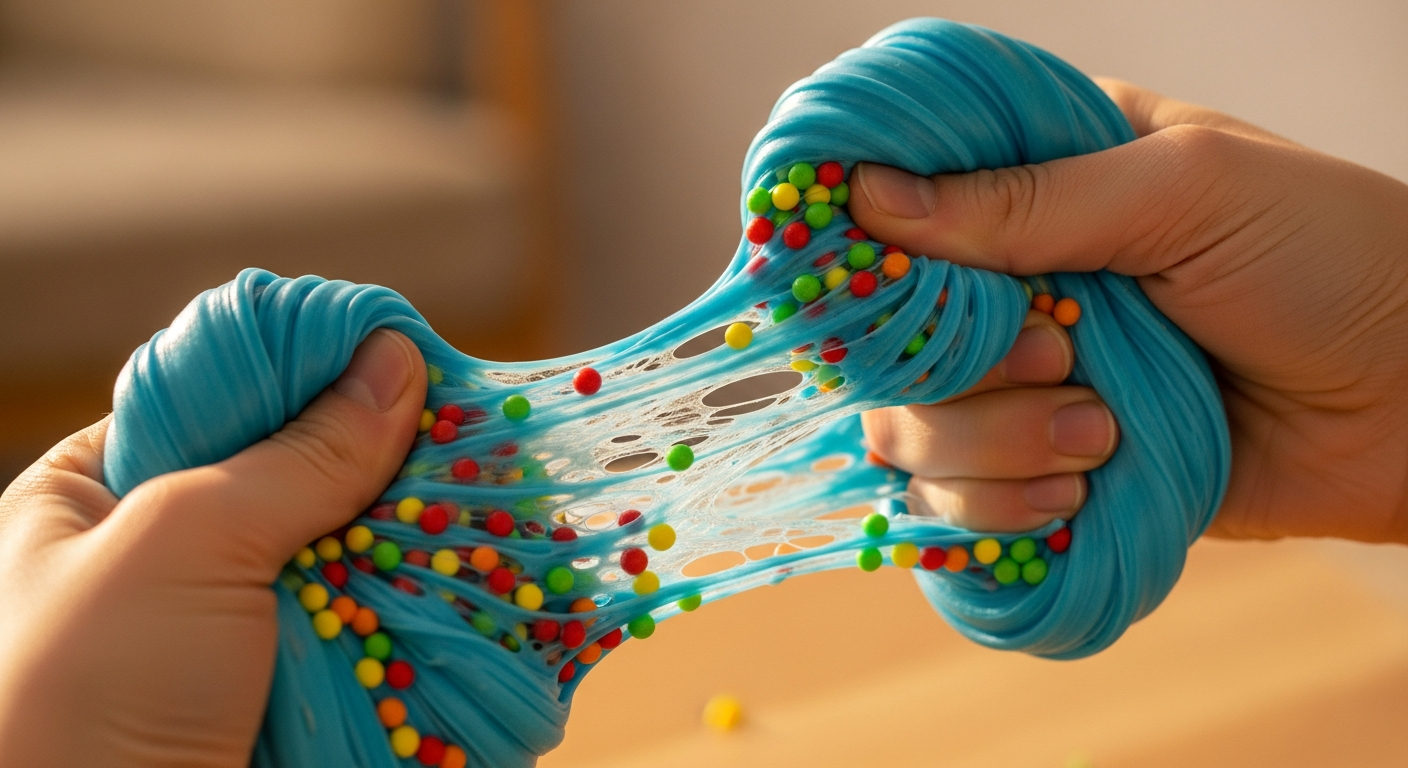
So, what makes a crunchy slime truly ‘crunchy’? It’s all about the clever inclusion of various additives that interact with the slime’s stretchy, gooey base. The magic happens as air bubbles get trapped and released, or as the beads rub and pop against each other within the viscous material. Different additives create distinct sounds and textures, offering a symphony of sensory experiences.
The Whispering Foam Beads
These are perhaps the most common and beloved additives for foam bead slime tutorial creations. Small, lightweight, and incredibly numerous, foam beads (often made of expanded polystyrene) create a fantastic ‘snap, crackle, pop’ sound. When you squish them, the beads compress and then expand, releasing air and creating that satisfying auditory crunch. They come in various sizes and colors, allowing for both visual appeal and textural diversity. The smaller the bead, often the ‘crispier’ the sound, while larger beads can offer a more substantial, cushioned feel. They’re excellent for beginners because they mix in easily and hold their place well.
The Delightful Bingsu
Ah, bingsu bead slime! Named after the Korean shaved ice dessert, these clear, irregular-shaped plastic beads offer a distinctly different kind of crunch. Unlike foam beads, bingsu beads are harder and provide a sharper, more pointed sound, almost like tiny glass shards clicking together, but without any actual danger. The irregular shapes create more friction points, amplifying the auditory ASMR triggers. They give the slime a unique, almost icy appearance and a wonderfully firm, yet pliable, texture. Many enthusiasts consider bingsu slime to be the ‘gold standard’ for ultimate crunchiness.
Beyond the Basics: Other Auditory Enhancers
Of course, the world of auditory ASMR triggers in slime doesn’t stop there. Makers experiment with all sorts of materials: tiny plastic pellets, often found in beanbags, offer a denser, more substantial ‘thud’ and ‘squish’ sound; iridescent sprinkles add a delicate visual pop and a subtle gritty texture; even small, smooth river rocks (carefully chosen and cleaned, of course) can create unique percussive elements. The key is to find materials that are safe, non-toxic, and durable enough to withstand repeated manipulation without breaking down or dissolving. It’s a true art form, discovering the perfect symphony of crunch!
To give you a better idea of the differences, I’ve put together a little comparison:
| Additive Type | Primary Sound | Texture Feel | Pros | Cons |
|---|---|---|---|---|
| Foam Beads | Crisp ‘snap, crackle, pop’ | Light, airy, slightly squishy | Excellent initial crunch, very tactile, easy to mix | Can fall out over time, less durable crunch |
| Bingsu Beads | Sharp ‘click, clack’ | Firm, icy, slightly abrasive | Very strong, lasting crunch, unique visual | Can be harder to stretch, sometimes pointy |
| Plastic Pellets | Denser ‘thud, squish’ | Heavy, substantial, satisfying weight | Good for stress squeezing, tactile feedback | Less ‘crunchy’ sound, more ‘squishy’ |
A Recipe for Calm: How to Make Crunchy Slime
If you’re feeling inspired, and I hope you are, making your own crunchy slime recipe at home is a wonderfully rewarding project. It’s a simple act of creation, a little micro-history in your own kitchen, that leads to hours of sensory delight. There’s something truly American, I think, about rolling up your sleeves and making something with your own two hands. Here’s a straightforward guide on how to make crunchy slime that’s both satisfyingly noisy and delightfully stretchy.
Your DIY Crunchy Slime Recipe (Foam Bead Style)
What you’ll need:
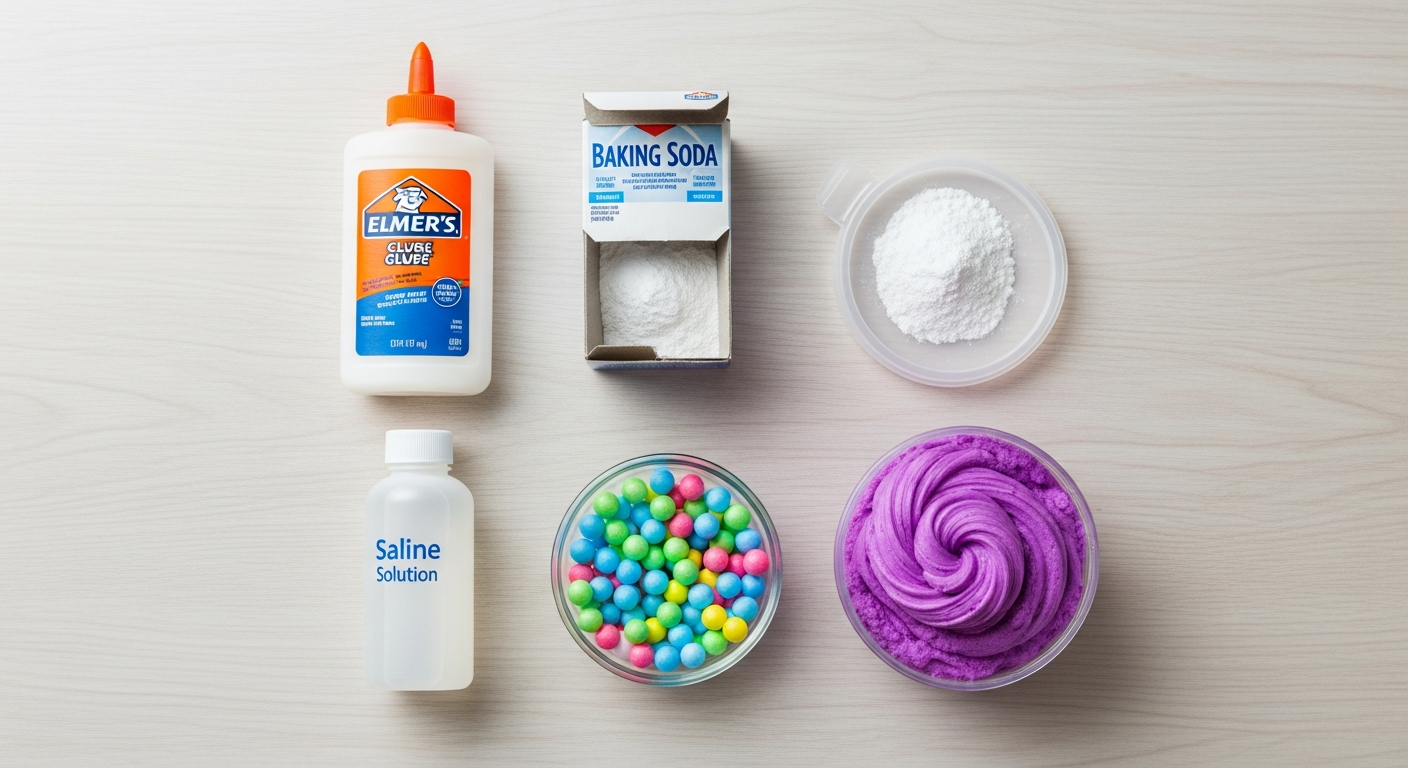
- 4 fl oz (1/2 cup) Elmer’s Glue (white or clear, clear glue often yields a better sound)
- 1/2 teaspoon baking soda
- 1 tablespoon saline solution (must contain sodium borate and boric acid – check ingredients!)
- 1 cup of foam beads (or desired crunchy additive)
- Food coloring (optional, for a patriotic red, white, or blue, perhaps?)
- Mixing bowl and spoon
Step-by-step instructions:
- Start with the Glue: Pour the entire 4 fl oz of Elmer’s Glue into your mixing bowl. If you’re using food coloring, add a few drops now and stir until uniformly colored.
- Activate the Baking Soda: Add 1/2 teaspoon of baking soda to the glue and mix thoroughly. This helps activate the slime, giving it the right consistency. Don’t rush this step; make sure it’s fully combined.
- Introduce the Saline Solution: Add 1 tablespoon of saline solution. Stir slowly but continuously. You’ll notice the mixture beginning to pull away from the sides of the bowl and thicken. Keep stirring until it forms a cohesive, sticky blob. If it’s too sticky, add another 1/2 teaspoon of saline solution, stir, and repeat until it’s less sticky but still pliable. Be careful not to add too much, or your slime will become stiff and lose its stretch!
- Knead Your Slime: Take the slime out of the bowl and begin to knead it with your hands. It will be sticky at first, but with a few minutes of kneading, it will become smooth, stretchy, and less sticky. This is where the real work (and fun!) begins.
- Add the Crunch: Now for the star of the show! Spread your slime out flat and pour in about half of your foam beads. Fold the slime over the beads and begin to knead them in. Gradually add the rest of the beads, kneading as you go, until they are evenly distributed throughout the slime. You might need to gently stretch and fold the slime repeatedly to incorporate all the beads without them falling out immediately.
- Enjoy Your Creation: Once all the beads are mixed in and the slime is no longer overly sticky, it’s ready! Start squishing, stretching, and poking to enjoy that satisfying ASMR slime sound.
Pro Tips for Maintaining Texture and Preventing Bead Fallout:
- Store it Properly: Always keep your stress relief toys in an airtight container when not in use. This prevents it from drying out and helps the beads stay put.
- Activate Gently: If your slime starts to get sticky over time, add a tiny drop (and I mean *tiny*) of saline solution and knead it in. Too much will make it hard.
- Mind the Temperature: Slime’s consistency can change with temperature. If it’s too warm, it might become stickier. Too cold, and it might be stiffer.
- Don’t Overstretch Aggressively: While stretching is part of the fun, overly aggressive or fast stretching, especially with foam beads, can lead to more fallout. Gentle, slow pulls are often best.
- Clean Hands are Key: Always play with clean hands to prevent dirt, oils, and debris from contaminating your slime and affecting its texture.
More Than a Trend: American Sensory Wellness
The embrace of crunchy slime isn’t just about a fleeting trend; it’s a vibrant part of a larger movement towards American sensory wellness. In a world that constantly bombards us with stimulation, people are consciously seeking ways to dial it back, to find moments of deliberate calm. This isn’t entirely new; throughout our history, Americans have always sought ways to soothe the soul, whether it was the quiet contemplation of nature that inspired `Henry David Thoreau` at Walden Pond, or the simple, practical crafts that brought communities together in places like Colonial Williamsburg. These modern `sensory relief trends` are a contemporary expression of that enduring human need.
We see this desire for sensory comfort manifesting in numerous ways, from the explosion of mindfulness apps that guide us through breathwork and meditation, to dedicated ASMR channels on YouTube and TikTok that have become virtual havens for millions. It’s about taking control of our sensory input, choosing what calms us rather than passively accepting what’s thrown our way. I’ve heard stories from young and old, of how a simple ten-minute session with bingsu bead slime helps them clear their minds before a big presentation or unwind after a long day. It’s a small, personal ritual that brings immense benefit.
This isn’t about escaping reality; it’s about grounding ourselves within it. It’s about recognizing that our minds and bodies need moments of quiet, focused engagement. The beauty of these physical `stress relief toys` is their accessibility. You don’t need expensive equipment or specialized training. Just a small container of goo and some beads, and you can create your own little world of calm. It’s a reminder that sometimes, the simplest solutions are the most profound. As Americans, we’ve always valued self-reliance and finding our own path. In the realm of wellness, that often means discovering what truly brings us peace, even if it’s the delightful crackle of foam bead slime tutorial creations.
So, whether you’re a long-time ASMR enthusiast or just curious about this phenomenon, I encourage you to explore the world of crunchy slime. It’s a testament to our ongoing quest for well-being, a cheerful, noisy little beacon of hope in our busy lives. It’s a reminder that sometimes, the greatest comfort can be found in the smallest, most unexpected places. Go on, give it a try. Your ears, and your soul, might just thank you for it.