
Icons & Symbols of America
A Legacy In Metal: The Captivating History Of Us Mint Coins
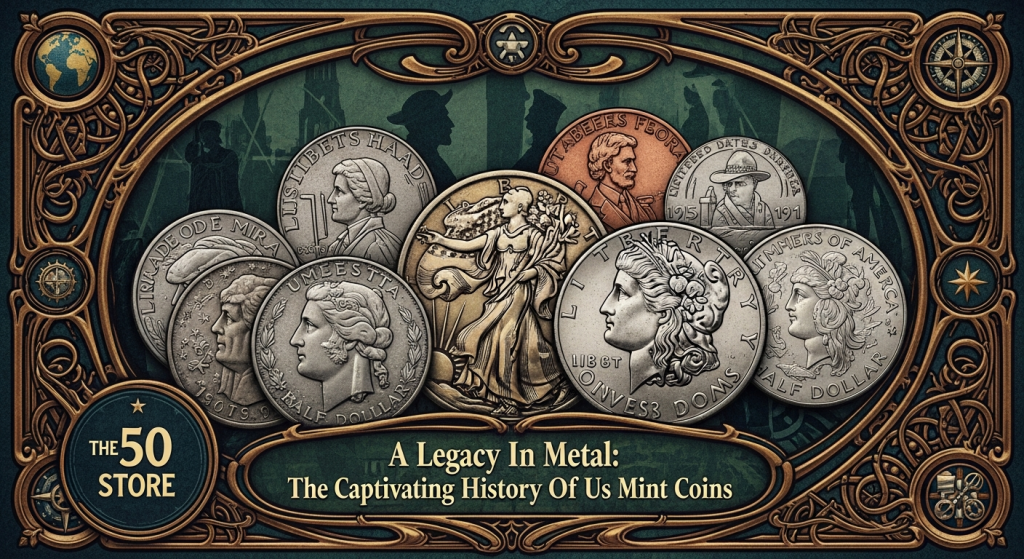
Every time you hold a classic American coin in your hand, you are touching a physical piece of our nation’s history. It’s more than just pocket change; it’s a miniature canvas, a tiny time capsule, reflecting the shifting ideals, economic triumphs, and enduring spirit of this grand country we call home. From the very first fledgling issues to the majestic designs that captured the Gilded Age, the story of America‘s money is a captivating journey, woven into the very fabric of our national identity. As an old-timer who’s seen a fair bit of life, I can tell you, there’s a certain warmth that comes from holding something that connects us directly to the past. It’s a feeling of pride, really, in the ingenuity and artistry that made these little discs of metal so significant.
Think about it for a moment: how did a young, ambitious nation, fresh from forging its independence, go about creating a monetary system that would unify its people and stand strong on the world stage? This isn’t just a tale of economic policy; it’s a human story of ambition, artistic genius, and a collective yearning for symbols that would truly represent the United States. We’re going to take a stroll through the captivating history of US Mint coins, exploring how they became not just a medium of exchange, but cherished symbols of national pride and unparalleled craftsmanship. You’ll see why so many of us find such joy in coin collecting Americana, truly appreciating these vintage American coins.
The Founding of the Mint: Defining a New Nation’s Currency
In the early days of our republic, things were a bit chaotic when it came to money. Foreign coins, mostly Spanish silver pieces of eight, circulated freely alongside an array of state-issued paper money. It was a messy situation, making trade difficult and undermining the very idea of a unified national economy. Our leaders, fresh from winning a war and establishing a constitution, knew one thing for sure: if America was to truly stand on its own two feet, it needed its own distinct currency. This was a critical step in asserting sovereignty, a tangible declaration of independence that you could hold in your hand.
Enter a brilliant young man, Alexander Hamilton. As the first Secretary of the Treasury, Hamilton understood that a strong, standardized monetary system was crucial for economic stability and national prestige. He was a visionary, no doubt about it. Under his guidance, Congress passed the Coinage Act of 1792, establishing the United States Mint. This wasn’t just about printing money, mind you; it was about laying the foundation for all future us mint coins history. The act authorized the creation of specific denominations and dictated that coins should bear an impression ’emblematic of liberty.’ From day one, our money was designed to tell a story.
The very first US Mint facility was established in Philadelphia, then the nation’s capital. Imagine the buzz in that city! The original building, a modest affair, was equipped with crude, hand-operated presses. The very first coins struck for circulation were copper cents in 1793. But even more fascinating were the 1792 ‘half dismes’ (pronounced ‘deems’), small silver coins often considered the first federal coinage, some even say struck from President George Washington’s own silverware! These aren’t just `oldest us coins`; they’re whispers from our very beginning. In fact, within just two years of its opening, the Mint had produced over 2.7 million copper cents, half cents, and silver dollars, laying a robust foundation for the future `history of us coins`.
The early designs were simple but symbolic. Liberty, often depicted as a flowing-haired woman, graced the obverse (front) of many coins, while an eagle, our national bird, adorned the reverse. These designs, though they changed over time, consistently underscored the young nation’s core values. The `history of the us mint` is a testament to our enduring belief in freedom and strength.
Masterpieces in Silver and Gold: The Artistry of American Coinage
As the nation grew, so did the artistry of its coinage. The late 19th and early 20th centuries saw a golden age of American numismatics, producing some of the most beautiful and revered designs in `us mint coins history`. These were coins that transcended mere currency; they were small sculptures, miniature masterpieces that conveyed a sense of dignity and power.
The Majestic Morgan Silver Dollar
Perhaps no coin captures the spirit of the American West and the boom of the silver mines quite like the `morgan silver dollar`. Designed by the English engraver George T. Morgan, this coin was minted from 1878 to 1904, and then for one final year in 1921. Its design features a majestic profile of Lady Liberty on the obverse, wearing a Phrygian cap adorned with wheat and cotton, representing America’s agricultural roots. The reverse boasts a proud eagle with outstretched wings, clutching arrows and an olive branch.
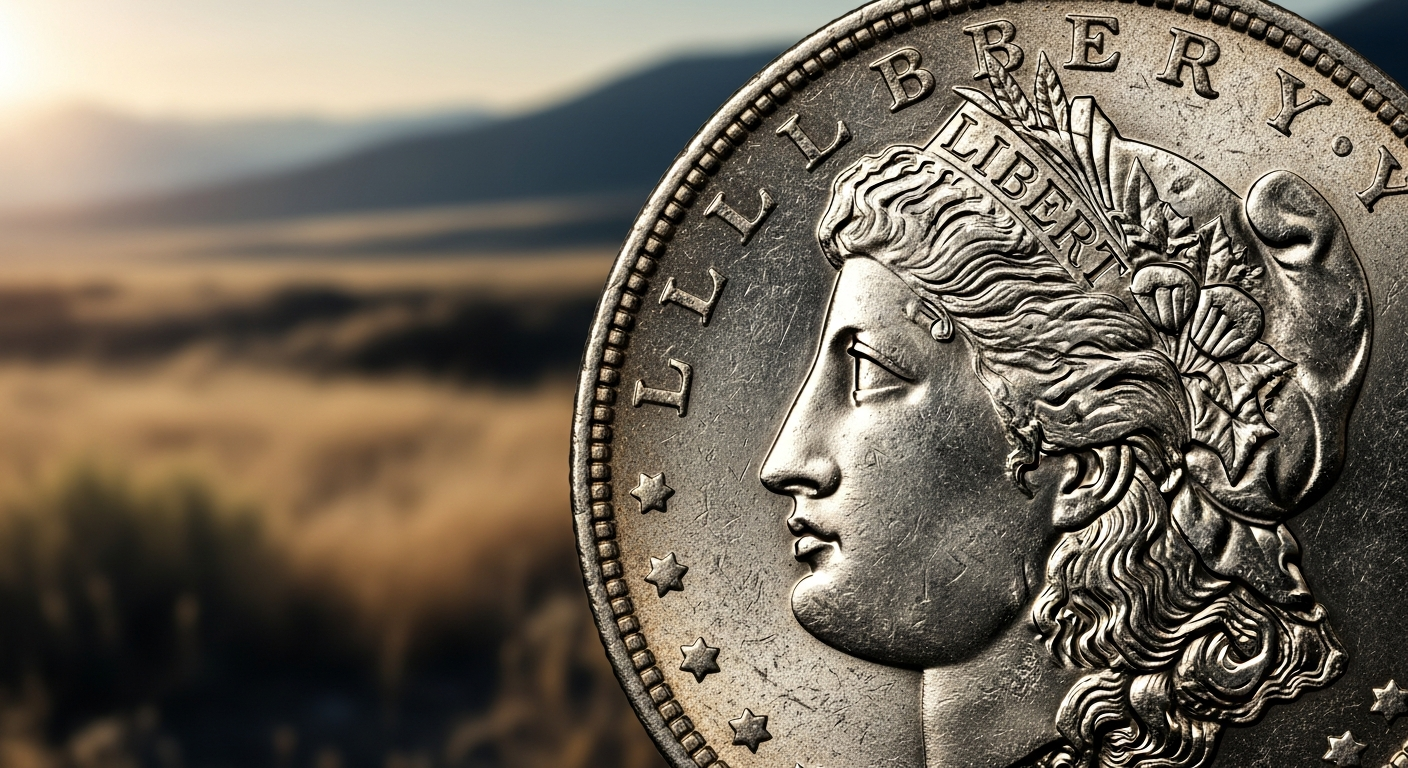
This coin isn’t just visually stunning; it carries the weight of a bygone era, when cowboys rode the plains and fortunes were made (and lost) in the silver rush. My own grandpa, a man who loved a good story, used to tell me how these dollars felt substantial in your hand, a real piece of wealth, passed down from his father who earned them working the railroads out west. The `morgan silver dollar` remains a cornerstone for collectors of `vintage American coins`.
The Iconic Saint-Gaudens Gold Coin
Then we come to a true pinnacle of American coinage, the `saint-gaudens gold coin`. President Theodore Roosevelt, a man with a keen eye for aesthetics and a deep appreciation for classical art, was disgusted by what he considered the ‘atrocious’ designs on American money. He sought to elevate the nation’s coinage to a new level of artistic excellence, commissioning one of America’s most renowned sculptors, Augustus Saint-Gaudens. The result was breathtaking.
Saint-Gaudens’ masterpiece, the $20 Double Eagle, minted from 1907 to 1933, is widely considered the most beautiful coin ever struck by the US Mint. On the obverse, a powerful, striding Liberty holds a torch and an olive branch, with the U.S. Capitol building subtly in the background, surrounded by stars representing the states. On the reverse, a majestic eagle soars above a rising sun. It’s a coin that exudes power, grace, and an optimistic vision of America. The high relief of the early strikes was so challenging that the Mint struggled to produce them efficiently, making them truly special. The `saint-gaudens gold coin` is more than currency; it’s a piece of national art, a statement of America’s emerging global presence and cultural sophistication. Just holding a replica, you can feel the ambition and beauty Saint-Gaudens poured into it.
Collecting Americana: The Joy of American Numismatics
It’s no wonder that a passion for these metallic treasures blossomed into a beloved national pastime. The `coin collection hobby`, or `american numismatics` as it’s known to the serious enthusiasts, has been captivating Americans for generations. What starts as a simple curiosity, maybe from a coin found in grandpa’s desk drawer, often turns into a lifelong journey of discovery. For many, it’s not just about accumulating value; it’s about connecting with the stories each coin tells, the era it represents, and the hands it might have passed through.
I remember as a young boy, my Uncle Joe had a small wooden box filled with old coins. He’d pull it out on rainy afternoons and let me sift through them. He’d point out the different dates, tell me about the presidents, and explain what was happening in the country when each coin was minted. That’s where I first saw a `morgan silver dollar`, its silvery sheen still impressive after decades. That experience, a simple connection across generations through something tangible, sparked my own interest. It’s a micro-history, I suppose, but it’s how many of us got hooked on the `coin collection hobby`.
The thrill of the hunt for `rare us coins` is undeniable. Whether it’s seeking out a specific mint mark, a low mintage year, or a unique error coin, the pursuit offers both intellectual challenge and the satisfying reward of discovery. There are vast communities of collectors, swapping stories and knowledge, preserving these pieces of our shared heritage. It’s a fantastic way to learn about our `history of us coins` in a truly engaging way. In fact, a recent survey indicated that over 100 million people in the United States consider themselves coin collectors to some degree, proving just how widespread this appreciation for `coin collecting Americana` truly is.

A Legacy in Metal: Honoring Milestones and Looking Forward
The `us mint coins history` didn’t stop with the classics. Our modern coinage continues to honor historical milestones and celebrate the rich tapestry of American life. From the State Quarters Program that showcased the unique heritage of each state, to the America the Beautiful Quarters featuring our national parks, to the Presidential Dollar series that puts our leaders in the spotlight, the US Mint consistently finds new ways to keep our history alive in the palms of our hands.
These initiatives aren’t just about making new coins; they are about fostering education, inspiring patriotism, and reminding us of the diverse stories that make up our national narrative. Every new series, every commemorative coin, adds another chapter to the ongoing `history of us coins`, ensuring that future generations can continue to touch, learn from, and cherish these metallic legacies.
So, the next time you receive change, don’t just toss it aside. Take a moment. Look closely at the coin. Read the date, examine the images. You’re not just holding a piece of metal; you’re holding a piece of America itself. You’re holding a connection to Hamilton’s vision, to Saint-Gaudens’ art, to the pioneers and presidents, the dreamers and builders who shaped this nation. It’s a powerful legacy, one that continues to evolve, reminding us of where we’ve been and encouraging us to look forward with hope and pride. That’s the real treasure of American numismatics, a story in every coin, waiting for you to discover it.