
American Sports & Pastimes
The Spirit Of The Liberty Bell: How A Cracked Relic Inspired Global Freedom
The Spirit of the Liberty Bell: How a Cracked Relic Inspired Global Freedom
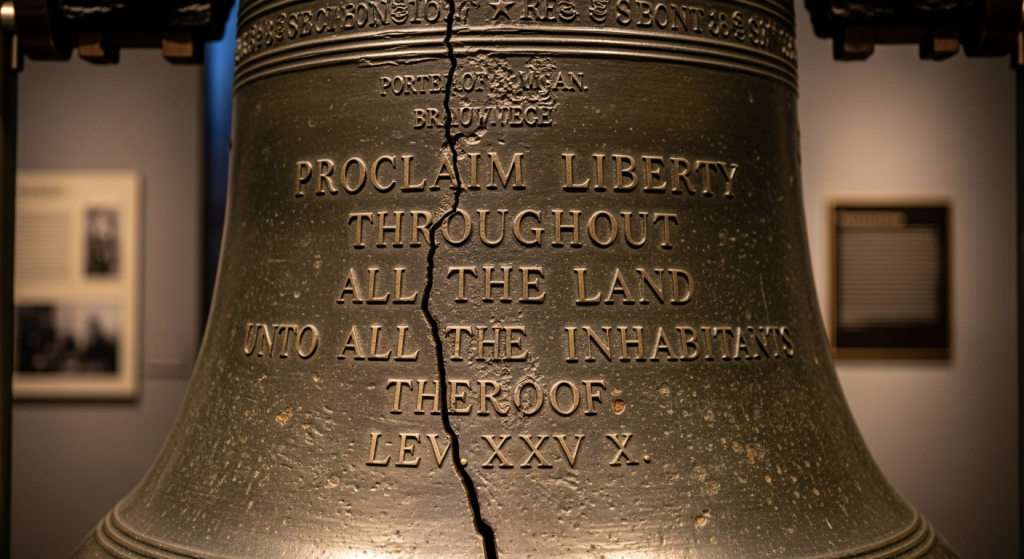
It hasn’t rung in over 180 years, and it carries a massive, jagged crack down its side, an irreparable flaw carved deep into its bronze. Yet, the Liberty Bell isn’t just some old, broken artifact. No, sir. It’s one of the most visited and revered symbols of freedom on Earth, drawing over a million visitors every year to its home in Philadelphia. It stands there, silent but mighty, a testament to American grit and a whisper of hope for folks around the globe. Many people walk past it, admire its quiet dignity, and wonder: how did this flawed bronze bell become such a global icon? What’s its true story? Well, gather ’round, because I’ve lived a good many years in this country, and I’ve learned a thing or two about how our symbols, just like our people, carry their scars with pride. This isn’t just about a bell; it’s about what we, as Americans, believe in, and how those beliefs can echo far beyond our shores.
Did you know that despite its fame, the bell only acquired the name “Liberty Bell” in the 1830s, long after it first tolled? And here’s another thing that might surprise you: its original cost in 1751 was a mere £100, which, adjusted for inflation, would be somewhere around $30,000 to $40,000 today. That’s a considerable sum for its time, but imagine the return on investment for a symbol that has inspired so many for so long! This story isn’t about perfection; it’s about purpose, resilience, and the enduring power of an idea.
A History in Bronze: From London to Legend
The London Import: A Flawed Beginning
Our story starts across the pond, back in 1751. The Pennsylvania Provincial Assembly, through its Speaker, Isaac Norris, decided it needed a grand bell for the new State House, what we now call Independence Hall. It was meant to celebrate the 50th anniversary of William Penn’s Charter of Privileges, a document that laid out the colony’s unique framework for self-governance and religious freedom. They ordered it from the London firm of Lester and Pack (later known as Whitechapel Bell Foundry).
Imagine the anticipation! After a long, slow voyage across the Atlantic, the bell finally arrived in Philadelphia in August of 1752. The excitement must have been palpable. This was a grand piece, weighing over 2,080 pounds, a real statement. But then, disaster struck. On its very first test ring, right there in the State House yard, a massive crack appeared. Can you believe it? All that money, all that waiting, and it was broken before it even got to serve its purpose. It was a disheartening moment, I’m sure, a stark reminder that even the grandest plans can hit a snag. But that’s a very American lesson, isn’t it? Sometimes, things don’t go as planned, but that doesn’t mean you give up.
Re-Casting in the City: American Ingenuity at Work
Instead of shipping the heavy, damaged bell all the way back to London, the determined Pennsylvanians decided to fix it right here at home. This was a pretty bold move for the time, a real vote of confidence in local talent. Two local foundry workers, John Pass and Charles Stow (often simply called Pass and Stow), were given the monumental task. They melted down the original bell, added about an ounce and a half of copper for every pound of bell metal, hoping to make it less brittle. It was a true community effort, with folks likely offering advice and watching with bated breath.
They finished their work in 1753. And guess what? Their first attempt at re-casting wasn’t quite right either. The tone wasn’t pleasing. So, with the help of a local artisan named John Wilbank, they melted it down *again* and cast it a third time. Now, that’s perseverance! This time, they got it right. This re-casting, born of necessity and local skill, gave the bell its unique voice and, perhaps, started its journey to becoming something more than just a bell; it became a symbol of American self-reliance, of finding solutions close to home when the world felt far away.
The Abolitionist Beacon: A New Name, A Deeper Meaning
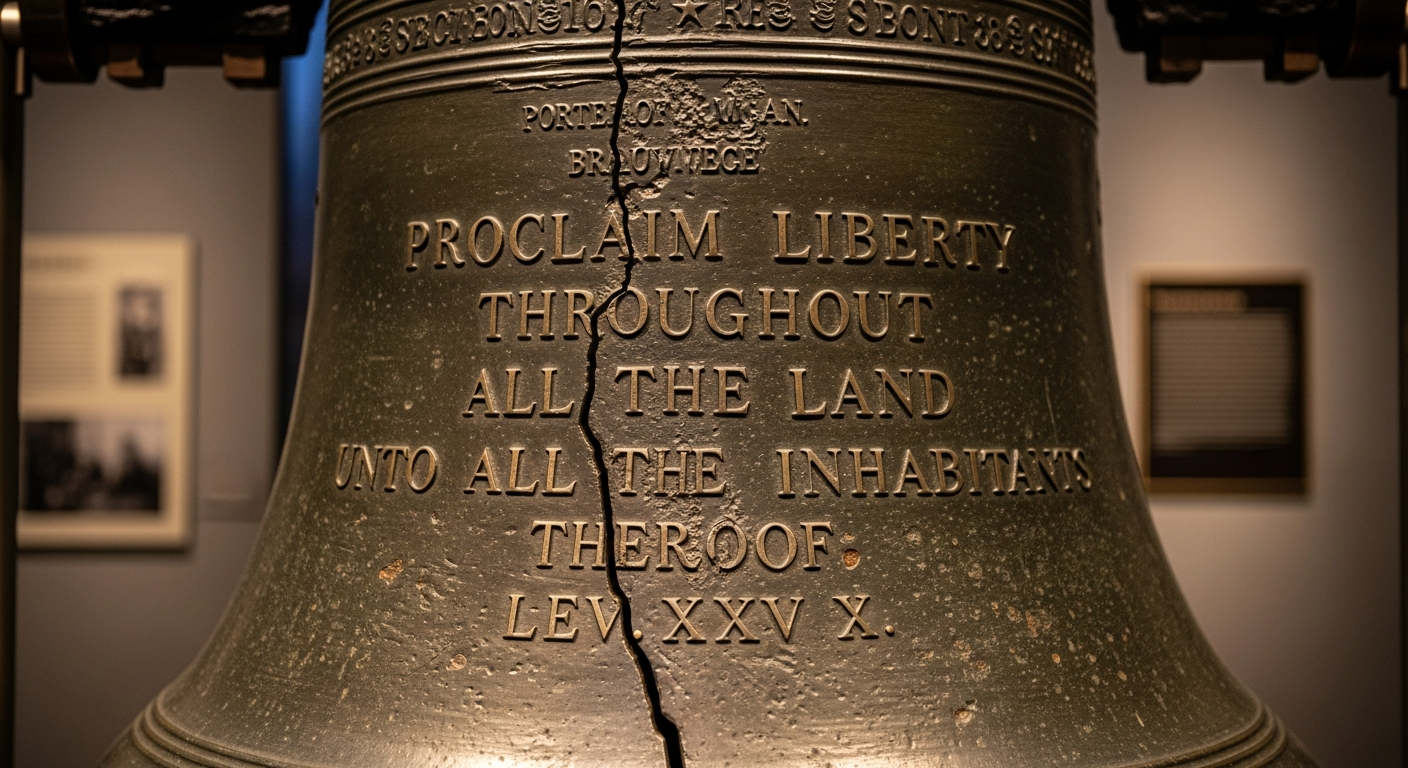
For decades, the bell served its purpose, ringing out for public announcements, including the first public reading of the Declaration of Independence on July 8, 1776, right there in the State House yard. But it wasn’t until the 1830s that it truly found its enduring identity. This was a turbulent time, as the movement to abolish slavery gained fervent momentum across the nation. The bell’s inscription, a powerful quote from Leviticus 25:10, found a new and profound resonance: “Proclaim Liberty throughout all the land unto all the inhabitants thereof.”
Anti-slavery activists, led by figures like William Lloyd Garrison and his newspaper, The Liberator, seized upon this inscription. They began referring to it as “The Liberty Bell.” For them, it wasn’t just a relic of the Revolution; it was a living embodiment of the struggle for universal freedom, a clarion call for the liberation of enslaved people. Imagine those passionate abolitionists, gathering in Philadelphia, looking up at that bell, and seeing not just a bronze instrument, but a promise that had yet to be fully kept. They gave it its name, yes, but more importantly, they imbued it with a purpose that continues to echo today.
The Final Crack: A Symbol Forged in Silence
The bell continued to ring for various occasions, but its structure remained fragile. Its moment of truly iconic, permanent silence arrived on George Washington’s birthday, February 22, 1846. The city of Philadelphia was preparing for a grand celebration. The plan was for the Liberty Bell to toll in honor of the nation’s first president. As it began to ring, the existing hairline crack, likely exacerbated over years of use, suddenly and dramatically widened, creating the massive, jagged split we see today. It was a crack so significant that it rendered the bell entirely silent.
Many people at the time might have thought, “Well, that’s it then. The bell is broken beyond repair.” But as often happens with our American story, something broken can become even more powerful. This final crack didn’t diminish its spirit; it solidified it. The silence became part of its message, a quiet strength that speaks volumes. It’s a reminder that liberty isn’t always loud or triumphal; sometimes, it’s a quiet, enduring struggle, a constant mending and tending, even when things seem broken. It teaches us that our imperfections don’t define our worth, and sometimes, those very flaws become the most compelling part of our story.
Key Readability Points: The Whispers and Journeys of Freedom
The Inscription: A Timeless Call
That inscription, “Proclaim Liberty throughout all the land unto all the inhabitants thereof,” taken from Leviticus, chapter 25, verse 10, is absolutely central to the bell’s meaning. It’s a powerful and prophetic message. The colonists who ordered the bell in the 1750s chose those words not just as a religious sentiment, but as a reflection of their own yearning for self-governance and freedom from perceived oppression. It speaks of Jubilee, a time of freedom and restoration. It reminds us that the idea of liberty isn’t a new invention; it’s a deeply ingrained human desire, one that has resonated across cultures and centuries.
It’s remarkable how those ancient words found new life and urgency first with the Revolutionary generation, then with the abolitionists, and continue to inspire movements for human rights around the world. It’s a testament to the enduring nature of fundamental human aspirations. It whispers to us today, encouraging us to look at our own communities, our own nation, and ask ourselves: are we truly proclaiming liberty for *all* inhabitants? It’s a challenge, a promise, and a responsibility wrapped up in those few, powerful words.
A Silent Voice: Unifying a Nation
Though the bell fell silent in 1846, its work was far from over. In fact, its most profound national service came *after* it cracked. In the late 19th century, in the wake of the devastating Civil War, America needed healing. The nation was still reeling from division, and there was a deep desire to reunite and remind people of the ideals that once bound them together.
So, the Liberty Bell began to travel. By train, it crisscrossed the country, making its way to expositions and celebrations. From the World’s Industrial and Cotton Centennial Exposition in New Orleans in 1884, to the World’s Columbian Exposition in Chicago in 1893, and even all the way to the California Midwinter International Exposition in San Francisco in 1894, and then the Cotton States and International Exposition in Atlanta in 1895.
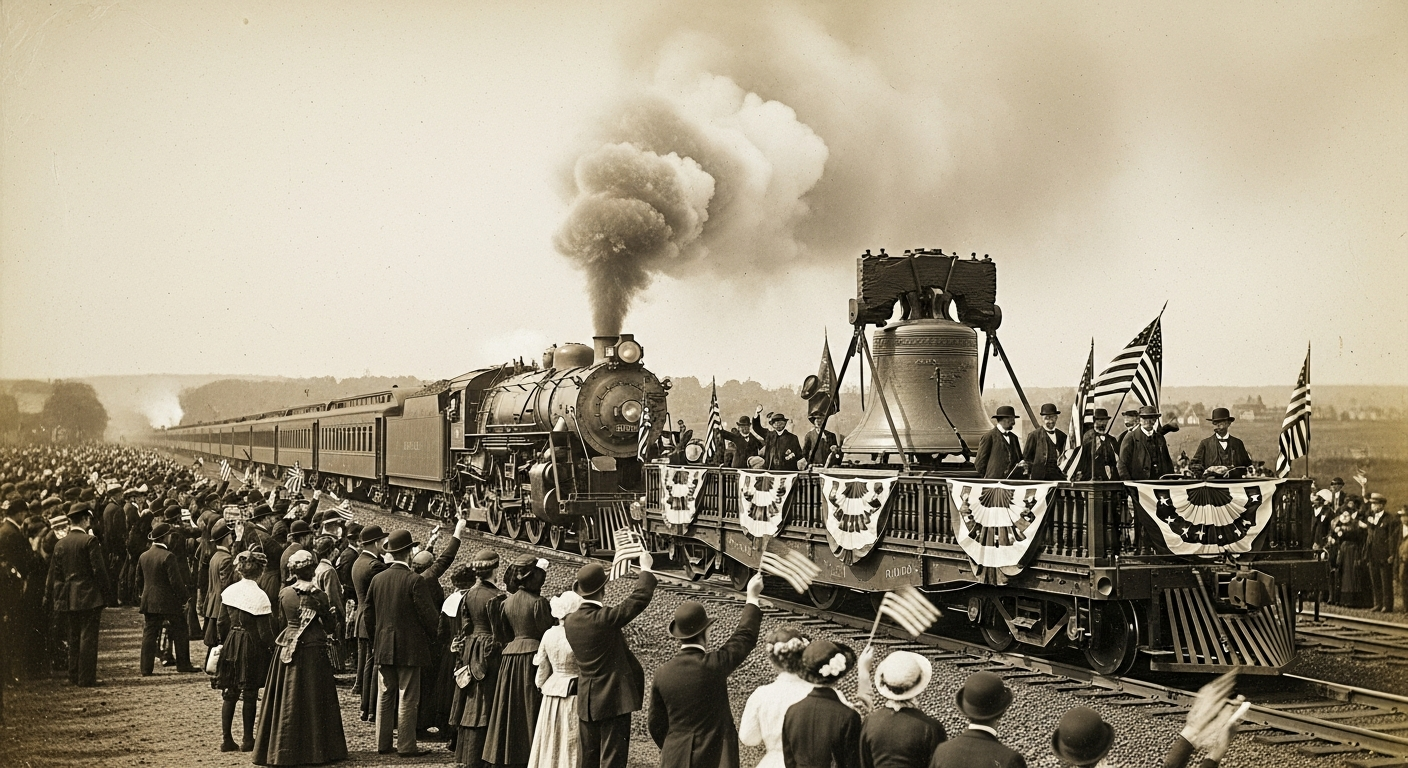
Imagine the scene: crowds of people, young and old, black and white, gathering at train stations, eager to catch a glimpse of this revered relic. For many, it was the first, and only, time they would ever see it. Mothers held up their children, fathers pointed, and old veterans stood at attention. It wasn’t just a bell on display; it was a tangible link to our founding, a reminder of the common thread of liberty that connected them all, regardless of where they lived or what they had endured. It brought people together, sparked conversations, and helped stitch the fabric of a fractured nation back together, one small town at a time. It became a silent orator, speaking more powerfully through its presence than it ever could through sound.
And its influence, I tell you, isn’t just felt within our borders. During World War II, the image of the Liberty Bell became a potent symbol of freedom and resistance against tyranny around the globe. Countries like Japan even received smaller replicas of the Liberty Bell after the war, symbolizing peace and friendship, a nod to the very ideals it represents. It’s a reminder that the spirit of liberty, once proclaimed, can spread like wildfire, touching hearts and minds far and wide.
Proclaiming Our Shared Heritage
The Liberty Bell, with its storied past and its iconic crack, stands as a profound symbol of America’s enduring commitment to liberty. It teaches us that true strength often comes not from flawless perfection, but from enduring hardships, from adapting, and from continually striving for a better tomorrow. It’s a reminder that the work of freedom is never truly finished; it’s a constant process, one that calls on each of us to uphold its principles every single day.
It’s a story of perseverance, of local ingenuity, and of a nation continually grappling with its own ideals. It’s a story that belongs to all of us, a shared heritage that binds us together. I believe that when we truly understand its journey, we understand a little more about ourselves, our past, and the hopeful path we’re still forging. It’s a quiet hero, asking us to carry its message forward.
So, why not carry a piece of that spirit with you? Proclaim your own love of heritage and the ideals this grand old bell represents. Our “Liberty Bell Bronze Tribute Tee” isn’t just a shirt. It’s printed on a buttery-soft, ring-spun cotton tee designed to get more comfortable with every wash, just like our shared history grows richer with every passing year. It’s a subtle nod to the enduring American spirit, a comfortable way to wear your pride and keep the story ringing, even in silence.