
American Lifestyle
Nose-To-Tail Nutrition: How The Ancestral American Diet Is Bringing Back Organ Meats
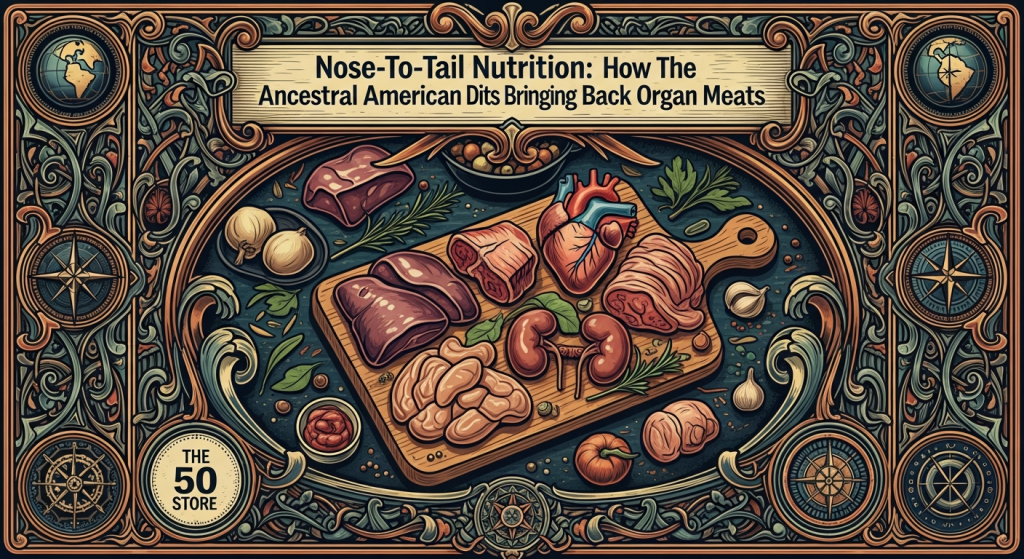
My grandfather, a man who lived through the Great Depression and knew what true resourcefulness meant, used to say, ‘Son, a good American doesn’t waste a thing God gave him.’ He wasn’t just talking about a leftover dinner. He was talking about a way of life, a deep respect for the land and the animals that sustained our families. Long before supermarkets and processed foods dominated the landscape, early American frontiersmen and Native tribes thrived on a simple, ancestral principle: waste nothing. From the vast plains where bison roamed to the wooded hills of Appalachia, our forebears understood that every part of an animal was a gift, a source of life and strength.
Today, in our modern world of convenience and often, nutritional shortcuts, it might sound old-fashioned. But I’m telling you, a growing movement of health enthusiasts, passionate homesteaders, and folks simply looking for better ways to eat is reviving the traditional practice of nose-to-tail eating. And leading the charge? Nutrient-dense organ meats, especially the humble but mighty cow heart. It’s a return to our roots, a rediscovery of the incredible vitality locked away in these often-overlooked parts. This isn’t just a trend; it’s a re-connection to a vital historical and nutritional legacy of organ meats in the American diet, and I believe with all my heart, they are making a triumphant comeback.
The Frontier Feast: How Early Americans Utilized Every Part of the Harvest
Imagine the early days of our nation, the vast wilderness, and the sheer effort it took to survive. Whether it was the Native American tribes, like the Lakota or the Cherokee, who had perfected sustainable hunting and gathering over centuries, or the European settlers pushing west, every morsel counted. Their survival depended on their ingenuity and their unwavering commitment to utilize every single part of their harvest. This was the original ‘nose to tail eating’, born not out of culinary curiosity, but out of necessity and profound respect. They truly embraced the ancestral diet.
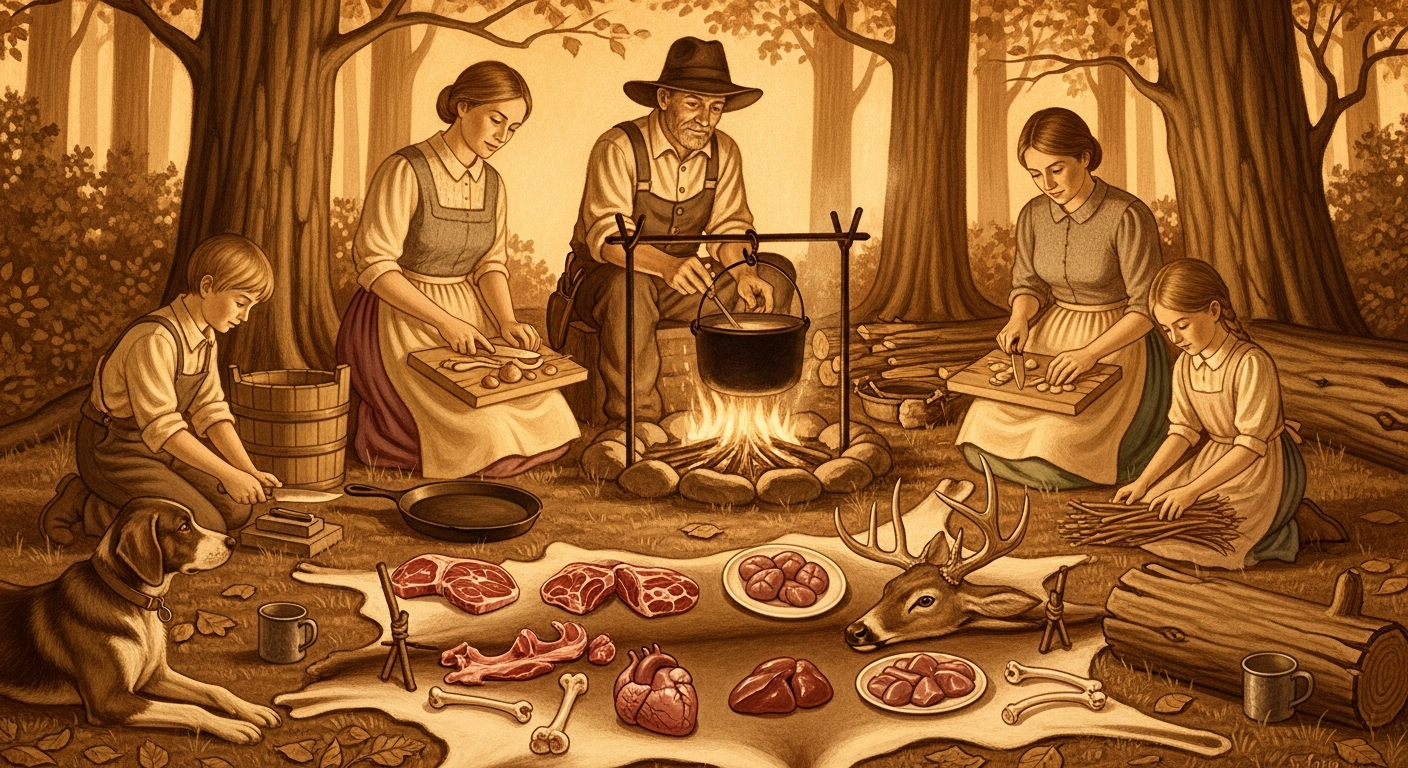
For Indigenous peoples, it was a spiritual and practical cornerstone. A hunted deer or bison wasn’t just meat for the stew pot. The hide became clothing and shelter, the bones tools, and the organs? They were often the most prized. Liver, heart, kidneys, and even brains were consumed immediately, sometimes raw, for their potent nutritional punch. They instinctively knew these parts offered something special. Consider the buffalo hunts on the Great Plains; a single buffalo could provide food, clothing, tools, and shelter for an entire community. This was food self sufficiency at its finest, a lesson in sustainability that echoes even today.
As settlers moved westward, establishing outposts and homes, they quickly adopted similar practices. On the frontier, a hog butchering was an all-day affair, a community event where nothing was discarded. From the bacon and hams we know, to the chitterlings (hog intestines), scrapple (a Pennsylvania Dutch delicacy made from pork scraps and cornmeal), and head cheese, every ounce was rendered useful. Pioneers moving through places like the Oregon Trail carried salted meats and dried provisions, but once fresh game was caught, the organs were consumed first. They were too valuable to let spoil.
Think of Daniel Boone, traversing the wild forests of Kentucky in the late 1700s. He wasn’t carrying cans of processed food. He relied on his hunting skills, and you can bet he knew the value of a fresh deer liver or heart after a long day’s trek. This was the traditional American diet, robust and real, powered by the very earth itself. It was the ultimate homesteading food prep, where every action had purpose and every part had value.
Fibermaxxing For Maximum Efficiency T Shirt
Wear your story with pride! Celebrate classic American values, history, and heritage with our premium crafted apparel, designed for comfort and durability.
The Nutritional Powerhouse: Why Organ Meats, Specifically Cow Heart, Are Prized in Ancestral Diets
Now, let’s talk about the ‘why.’ Why were these parts so valued? And why are they now making such a strong comeback? The answer, plain and simple, is nutrition. Modern science is catching up to what our ancestors knew instinctively: organ meats are incredibly nutrient dense foods. They are, in many ways, nature’s most potent multi-vitamins.
Take cow heart, for instance. It’s a muscle, yes, but it’s a unique one. It’s packed with CoQ10, an antioxidant vital for heart health and energy production, which is found in much smaller quantities in regular muscle meat. It’s also an excellent source of B vitamins, especially B12, riboflavin, and niacin, all crucial for energy metabolism and nervous system function. Plus, you get a significant dose of iron, zinc, and selenium. In fact, a 3.5-ounce serving of beef heart provides about 12.6mg of iron, which is about 70% of the daily value for adults, compared to roughly 2.5mg in the same serving of lean beef steak. This isn’t just good nutrition; it’s superior nutrition.
The numbers are frankly surprising. According to data from the USDA, beef liver contains over 50 times the amount of Vitamin B12 and over 20 times the Vitamin A (retinol) found in an equal serving of muscle meat. And it’s not just liver and heart. Kidneys are rich in selenium and Vitamin B2. Brains offer unique fatty acids crucial for neurological health. These are not just ‘extra’ foods; they are foundational to optimal health, something increasingly recognized by proponents of a carnivore diet America, who often prioritize these vital foods.
Consider this little comparison:
| Nutrient (per 100g cooked) | Beef Steak (Muscle Meat) | Beef Heart | Beef Liver |
|---|---|---|---|
| Calories | 250-300 | 150-170 | 135-150 |
| Protein | 25-30g | 20-25g | 20-25g |
| Vitamin B12 | 2-3 µg | 9-10 µg | 60-70 µg |
| Iron | 2.5-3 mg | 5-6 mg | 6-7 mg |
| Vitamin A (Retinol) | 0 µg | 0-10 µg | 9000-10000 µg |
| CoQ10 | ~2 mg | ~11 mg | ~3 mg |
With statistics like that, it’s clear why folks are turning back to these incredible foods. The beef heart benefits alone are enough to make anyone curious. It’s affordable, widely available from local butchers, and a true superfood for those seeking optimal health without breaking the bank. It’s a practical and powerful way to enrich your diet.
Reclaiming the Kitchen: Practical Tips for Preparing Traditional, Nutrient-Dense Meals at Home
Now, I know what some of you might be thinking: ‘Organ meats? How do I even cook that?’ And that’s a fair question! For generations, these traditional cooking methods were passed down from mother to daughter, father to son. But with the rise of industrial agriculture and convenience foods, much of that knowledge was lost. But fear not, reclaiming your kitchen with these nutrient-dense foods is easier than you think, and incredibly rewarding. It’s about bringing back the wisdom of the ancestral diet.
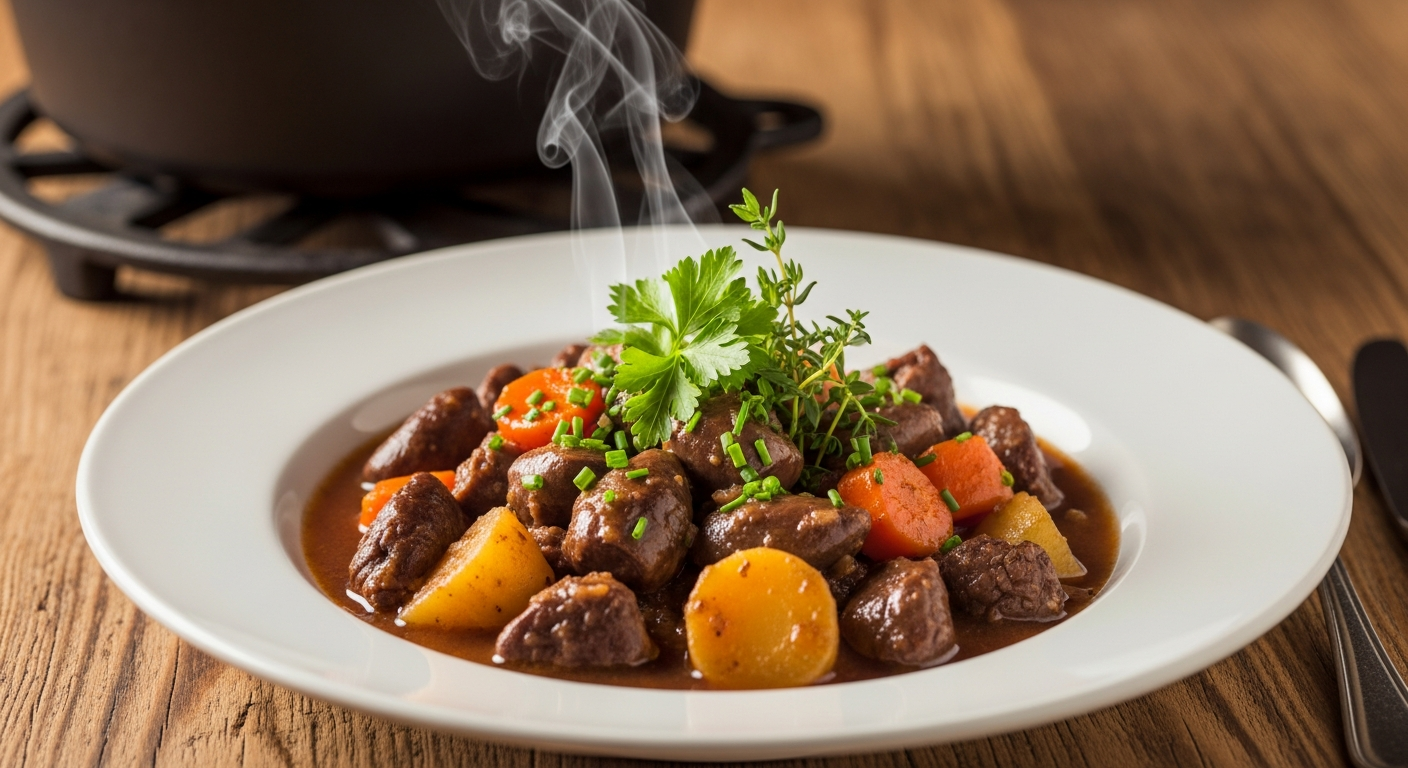
Let’s take a simple, delicious cow heart recipe as an example. It’s often compared to lean steak in texture, with a slightly richer flavor. Don’t be intimidated by the whole organ; your butcher can often slice it for you.
Step-by-Step for a Hearty Beef Heart Stew:
- Preparation (The Day Before): If you buy a whole beef heart (which typically weighs 3-5 pounds), you’ll want to trim any tough connective tissue, fat, and visible arteries/veins. Slice it into 1-inch thick pieces, then cut those into stew-sized cubes (about 1.5 inches). For extra tenderness, soak the cubes in a bowl of cold water with a tablespoon of white vinegar or lemon juice for 1-2 hours in the refrigerator, or even overnight. This helps draw out any residual blood and tenderizes the meat. Pat dry thoroughly before cooking.
- Browning the Meat: In a large, heavy-bottomed pot or Dutch oven, heat a tablespoon of tallow or olive oil over medium-high heat. Season your heart cubes generously with salt and pepper. Brown the meat in batches, ensuring not to overcrowd the pot. This creates a beautiful crust and deepens the flavor. Remove browned meat and set aside.
- Building the Flavor Base: Reduce heat to medium. Add a chopped onion, two carrots, and two celery stalks (about 1 cup each) to the pot. Sauté until softened, about 5-7 minutes. Add 2-3 cloves of minced garlic and cook for another minute until fragrant.
- Deglazing and Simmering: Pour in a cup of red wine or beef broth, scraping up any browned bits from the bottom of the pot. This ‘deglazing’ adds immense flavor. Return the browned heart meat to the pot. Add enough beef broth to just cover the meat (usually 3-4 cups), along with a bay leaf, a sprig of fresh thyme, and a tablespoon of tomato paste.
- Slow Cook to Perfection: Bring the stew to a gentle simmer, then reduce heat to low, cover, and cook for 2.5 to 3.5 hours, or until the beef heart is fork-tender. The long, slow cooking is key to transforming this lean muscle into something incredibly tender and delicious. Taste and adjust seasonings as needed throughout the last hour.
- Serving: Serve your hearty beef heart stew over mashed potatoes, rice, or with a thick slice of crusty bread. It’s a warm, comforting meal that honors the tradition of using every part. This is a fantastic example of a nourishing offal recipe that can become a family favorite.
Other popular offal recipes include sautéed liver and onions, kidney pie, or even pâtés made from liver. Don’t be afraid to experiment! Your local butcher is an invaluable resource; they can often provide tips and tricks for preparing specific cuts. This nose to tail eating approach isn’t just about health; it’s about connecting with your food and the history behind it.
The Modern Ancestral Movement: Fostering Connection to Sustainable Agriculture
What I find truly inspiring about this resurgence isn’t just the health benefits, though those are undeniable. It’s the deeper connection it fosters, a kind of civic patriotism that looks to our land and its bounty with renewed respect. The modern ancestral movement, fueled by a desire for genuine wellness, is also inherently tied to sustainable agriculture in the US. When we commit to nose-to-tail eating, we’re making a conscious choice to support farmers who raise animals holistically and mindfully.
Think about it: in conventional agriculture, there’s often less demand for organ meats, leading to waste or their use in less-than-ideal products. But when consumers actively seek out beef heart, liver, or kidneys, it sends a clear message. It encourages farmers to utilize their entire animal, making their operations more efficient and reducing waste. This isn’t just good for the farm’s bottom line; it’s better for the environment and better for the animals themselves. It’s a way of honoring the life given.
This movement isn’t just about individual health; it’s about building stronger local food systems. It’s about visiting your local farmer’s market, talking to the rancher about how they raise their cattle, and knowing exactly where your food comes from. It’s a return to food self sufficiency, not necessarily in the sense of everyone raising their own food, but in understanding and supporting the network that provides it. Organizations like the Weston A. Price Foundation, established in 1999, have been instrumental in educating the public about the importance of traditional, nutrient-dense foods, including the often-forgotten organ meats, thereby promoting a return to the traditional American diet.
I’ve seen it firsthand in my own community. Small farms are thriving, not just by selling prime cuts, but by offering a full range of products, including organs. People are learning to cook these foods again, sharing recipes, and educating their neighbors. It’s a beautiful cycle of revival – health, sustainability, and community all intertwined. It’s a hopeful sign that we’re rediscovering a wisdom that’s been waiting for us, a wisdom passed down through generations of Americans who knew how to truly nourish themselves and their land. This isn’t just eating; it’s an act of mindful patriotism, investing in our health and the health of our nation, one delicious, nutrient-dense meal at a time.