
American Lifestyle
Still Life In The Cabin: The Art, History, And Nostalgia Of Taxidermied Raccoons In Americana Decor
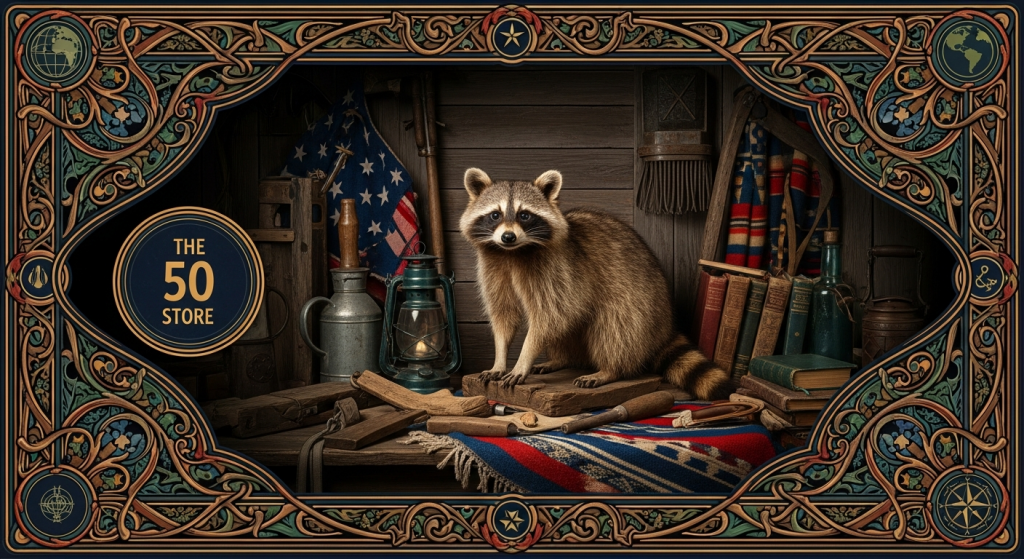
For centuries, the warm, wood-paneled walls of American hunting cabins and rustic mountain lodges have been graced by the preservation of local wildlife. Among the most popular and character-filled specimens is the raccoon, a creature whose natural mask and expressive paws lend themselves perfectly to lifelike displays. Exploring this unique art form reveals a deep connection to early American wilderness exploration, pioneering self-reliance, and a nostalgic love for the natural world. It’s a connection that runs deep in our nation’s story, etched into the very fabric of our shared heritage.
As I look back, I recall countless afternoons spent in my grandpa’s old hunting lodge up in the Adirondack Mountains, a place where the scent of pine and old leather mingled with the faint, earthy smell of the woods. There, perched on a wooden beam above the stone fireplace, was a magnificent taxidermied raccoon. He wasn’t just a decoration; he was part of the family, a silent guardian of tales spun around a crackling fire. His presence wasn’t about conquest, but about respect for the wild, and an enduring admiration for a creature that truly embodied the spirit of the American frontier. This isn’t just about ‘stuffing’ an animal; it’s about telling a story, preserving a moment, and honoring a way of life that shaped our country.
Preservation of the Frontier: The Origins of Taxidermy in Early American Culture
The story of americana history taxidermy isn’t just a sidebar; it’s intricately woven into our nation’s development. Before photography or even widespread scientific expeditions, preserving animal specimens was the only way to study the vast and wondrous biodiversity of North America. Early naturalists and explorers, facing an untamed continent, sought to document and understand its myriad creatures. This wasn’t merely a hobby; it was a scientific imperative.
Did you know that by the late 18th and early 19th centuries, visionaries like Charles Willson Peale, the brilliant artist and naturalist who founded Peale’s Museum in Philadelphia, were pioneers in this field? He taught methods of animal preservation, recognizing their importance for education and scientific inquiry. His museum, one of the first in the nation, displayed specimens not just as curiosities but as part of an organized scientific collection. Later, figures like John James Audubon, though primarily a painter, often used preserved specimens as models for his incredibly detailed ornithological works, further cementing the role of preservation in understanding our natural world.
This early form of preserved wildlife art was raw, often imperfect by today’s standards, but profoundly significant. It allowed folks back east, or even across the ocean, to glimpse the creatures that roamed the wild West and the dense forests. As America expanded, so did the interest in its natural treasures. By the late 19th and early 20th centuries, institutions like the American Museum of Natural History in New York City and the Smithsonian’s National Museum of Natural History were revolutionizing taxidermy, moving beyond simple ‘stuffing’ to create breathtaking habitat dioramas. These meticulously crafted scenes, often overseen by brilliant artists and conservationists like Carl Akeley, allowed the public to experience nature as never before, fostering a sense of wonder and, crucially, a growing call for conservation.
American Freedom Soaring Eagle T Shirt
Wear your story with pride! Celebrate classic American values, history, and heritage with our premium crafted apparel, designed for comfort and durability.
Shop the Look →The Scrappy Showman: Why Raccoons Are the Ultimate Taxidermy Characters
Now, among all the majestic deer, soaring eagles, and stoic bears you might find in a rustic lodge taxidermy display, there’s something uniquely captivating about the raccoon. Their masked faces, nimble paws, and often mischievous poses give them an undeniable personality. I’ve always thought they look like little professors in furry bandit suits, constantly plotting their next adventure or a midnight snack raid.
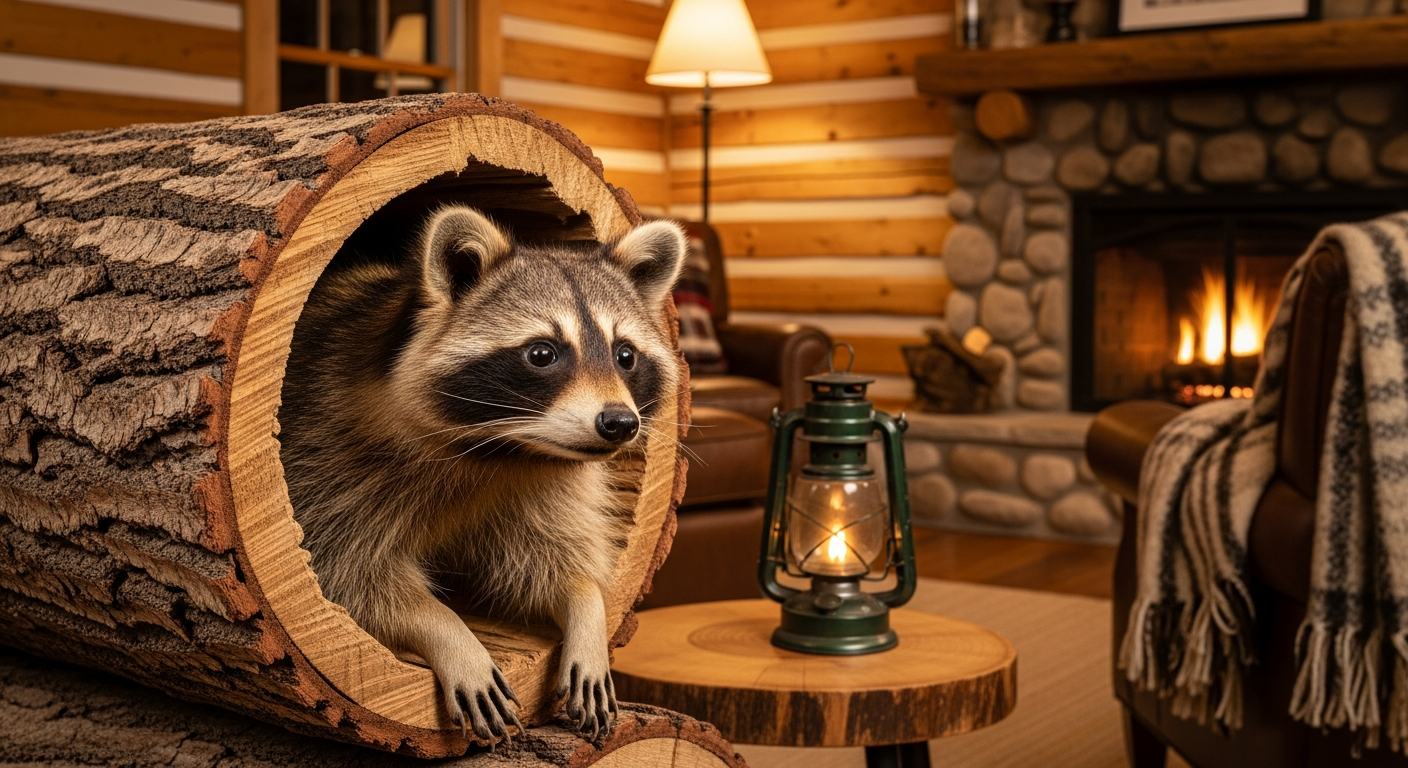
Why do raccoons hold such a special place in the heart of taxidermy cabin decor? It’s their adaptability, their intelligence, and their sheer ubiquity. They thrive from the deepest forests to the edges of our towns, embodying a spirit of resourcefulness that resonated deeply with early American pioneers. A raccoon taxidermy mount isn’t just an animal; it’s a character. It evokes stories of cleverness and survival against the odds. Unlike a stoic bear or a leaping deer, a raccoon can be posed in a myriad of ways that tell a narrative: peeking from a hollow log, clutching a ‘found’ treasure, or standing upright in a moment of curiosity. This expressive quality makes them ideal for creating those charming, conversation-starting pieces of preserved wildlife art.
Their Place in American Folklore
Raccoons have featured in American folklore and popular culture for centuries, from Native American tales to frontier stories. They’re often depicted as tricksters, resourceful survivors, and symbols of the untamed wilderness. This rich cultural backdrop only adds to the appeal of a vintage raccoon mount, making it more than just decor; it’s a nod to a shared cultural narrative.
Cabin Core Aesthetic: How Preserved Wildlife Defined Rustic Americana Interior Design
Step into a true vintage hunting lodge, and you’ll immediately understand the magic. It’s a symphony of natural materials: rough-hewn timbers, stone fireplaces, and, yes, carefully selected pieces of taxidermy. This isn’t about ostentatious display; it’s about bringing the outside in, connecting the dwelling to its natural surroundings. It’s a style that speaks of comfort, rugged individualism, and a deep appreciation for the landscape.
The rustic cabin aesthetics are defined by warmth and authenticity. Think about the sturdy furniture, the wool blankets, the cast-iron accents, and the crackling fire. A well-placed taxidermied raccoon or a deer head mount wasn’t just a trophy; it was a representation of the provider, the hunter, the one who lived off the land. It became a focal point, a story in itself, enriching the atmosphere of a home. This is the heart of rustic log home design, where every element contributes to a sense of heritage and connection to nature.
In recent years, we’ve seen a beautiful resurgence of this style, often termed ‘cabin core decoration’ or ‘grandpa core.’ It’s a longing for simplicity, craftsmanship, and a tangible link to history. People are seeking out authentic pieces that tell a story, moving away from mass-produced items towards character-filled artifacts. A vintage piece of taxidermy, especially a characterful raccoon, fits perfectly into this aesthetic, adding charm and a touch of wilderness spirit to any room.
Evolution of Americana Cabin Decor & Taxidermy Styles
Let’s take a look at how this aesthetic has evolved over the generations:
| Era | Key Decor Elements | Taxidermy Style & Purpose | Raccoon Representation |
|---|---|---|---|
| Early Frontier (1700s-mid 1800s) | Raw timber, rough stone, essential tools, handcrafted furniture. | Primarily for scientific study or practical use (furs). Early, often less refined preservation. | Rarely displayed decoratively; more often studied or utilized for resources. |
| Victorian Era (late 1800s) | Ornate wood carvings, heavy fabrics, curiosity cabinets, ‘cabinets of wonder.’ | Increasingly sophisticated, often anthropomorphic (animals in human scenes), for decorative display and demonstrating exotic finds. | Popular for ‘diorama’ style poses, sometimes humorous or whimsical, reflecting their trickster image. |
| Rustic Lodge Golden Age (early-mid 1900s) | Authentic log construction, mission-style furniture, Native American textiles, outdoor motifs. | Highly realistic, natural poses, habitat dioramas. Celebrated hunting prowess and nature conservation (e.g., Theodore Roosevelt’s influence). | Often portrayed in naturalistic settings, peering from branches or standing inquisitively, a true icon of rustic lodge taxidermy. |
| Modern Revival (late 1900s-Present) | Minimalist design, salvaged materials, emphasis on sustainability, vintage finds, ‘cabin core.’ | Appreciation for vintage pieces and modern ethical taxidermy. Focus on artistic merit, historical connection, and respectful remembrance. | Sought after as unique vintage raccoon mounts, valued for their character, history, and integration into eclectic or minimalist interiors. |
Respect for Nature: The Modern Revival of Vintage Taxidermy and Craftsmanship
Today, the conversation around taxidermy has matured. It’s no longer solely about the hunt; it’s about the artistry, the history, and a deep respect for the animal and its place in our shared environment. The modern appreciation for preserved wildlife art often centers on vintage pieces, recognizing the skill of artisans from generations past and the stories those pieces carry.
I believe that when we look at a beautifully preserved piece, whether it’s an old deer head or a charming taxidermied raccoon, we’re not just seeing an object. We’re seeing a connection to a time when life was perhaps a little harder, a little closer to the earth, and survival depended on understanding the rhythms of nature. It reminds us of figures like Theodore Roosevelt, whose passion for the outdoors and conservation shaped the creation of national parks like Yellowstone, reminding us that reverence for nature has long been an American ideal.
Many folks today who enjoy cabin core decoration or rustic log home design seek out vintage raccoon mounts not as declarations of conquest, but as pieces of art that symbolize resilience, the wild beauty of our land, and the enduring human connection to the natural world. It’s a quieter, more reflective appreciation, rooted in nostalgia and a genuine love for history and craftsmanship. The fact that these pieces have survived decades, sometimes over a century, speaks to their inherent quality and the care taken by their original creators.
Caring for Your Vintage Raccoon Taxidermy Mount: A Step-by-Step Guide
If you’re lucky enough to own a piece of this unique americana history taxidermy, proper care is essential to preserve its beauty and historical integrity. Think of it as caring for a precious antique, because that’s exactly what it is.
- Gentle Dusting: Use a soft, dry cloth or a soft-bristled brush (like a makeup brush) to gently dust your mount regularly. For delicate areas or fine fur, an artist’s air blower (for cameras) can be very effective. Avoid harsh chemicals or wet cloths, as these can damage the fur and finish.
- Environmental Control: Keep your mount out of direct sunlight, which can fade fur and damage materials over time. Avoid areas with high humidity or extreme temperature fluctuations, which can lead to cracking or pest infestations. A stable environment is key.
- Pest Prevention: This is crucial. Moths and other insects are the biggest threats to vintage taxidermy. Inspect your mount periodically for any signs of activity (tiny holes, powdery residue, or actual insects). You can use museum-grade insect repellent strips (placed *near* but not *on* the mount) or natural deterrents like cedar blocks. If you suspect an infestation, professional intervention is usually necessary.
- Display Location: Choose a secure spot where the mount won’t be knocked or bumped. Ensure it’s mounted properly if it’s a wall piece. Consider the overall rustic cabin aesthetics of your space to give it pride of place.
- Professional Restoration: For significant damage, fading, or pest problems, consult a professional taxidermy restorer. They have the expertise and specialized tools to bring your piece back to life without compromising its historical value.
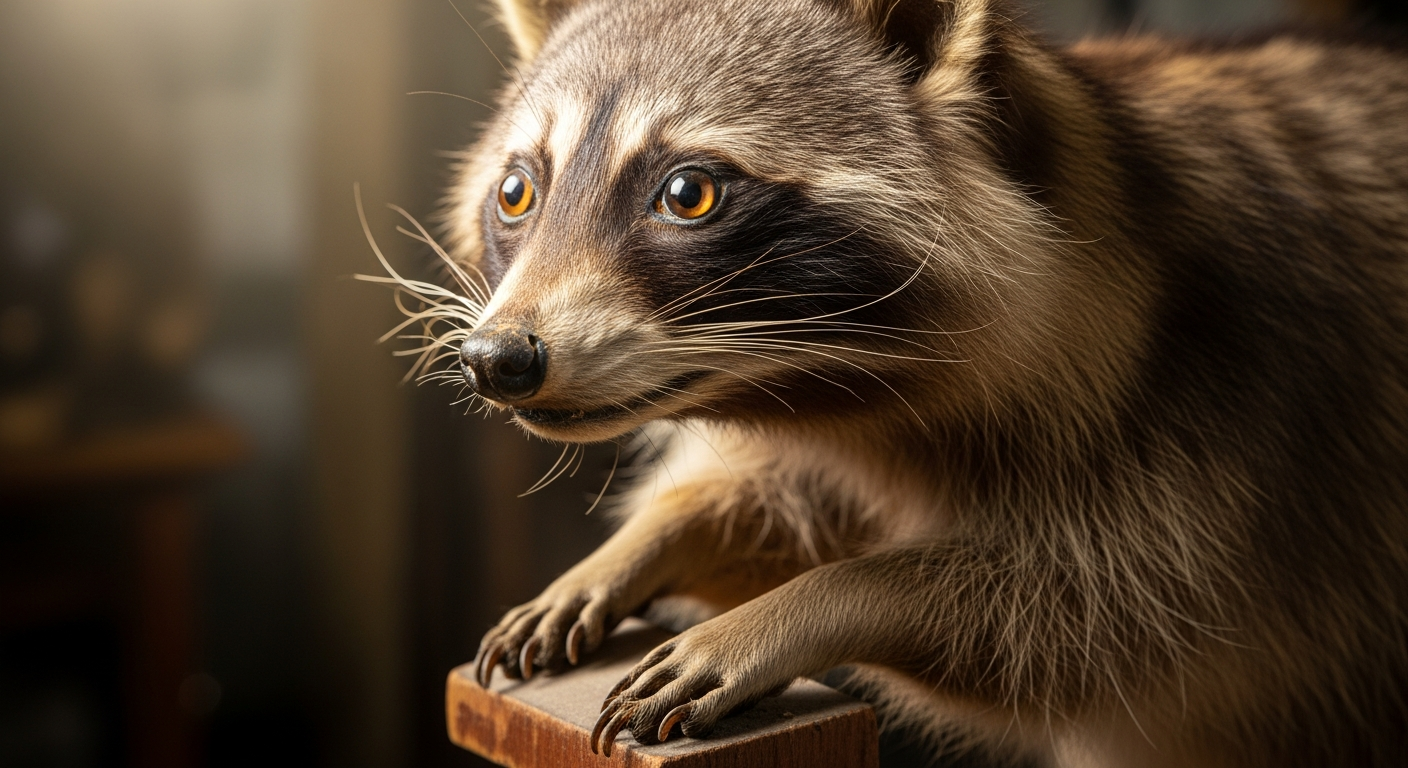
Owning a piece of vintage taxidermy is like holding a fragment of American history in your hands. It’s a reminder of our enduring connection to the wild, the ingenuity of our ancestors, and the timeless appeal of natural beauty. So, the next time you see a taxidermied raccoon, take a moment to appreciate not just the creature, but the rich tapestry of stories it represents, stories deeply rooted in the heart of our great nation.