
Culture & Traditions
Patriotic Picnics: How Red, White, And Blue Deviled Eggs Became The Ultimate July 4Th Appetizer
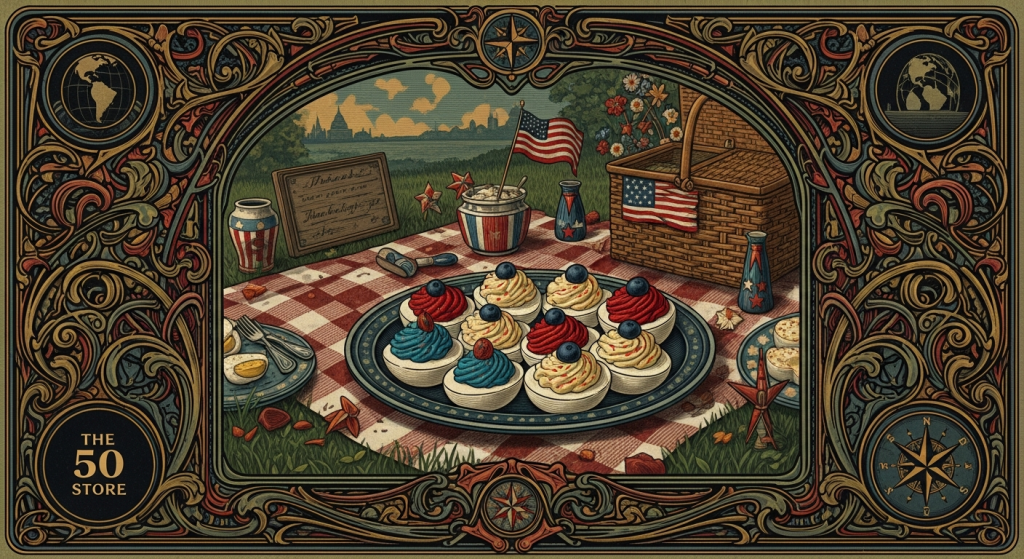
Summer in America. Can you feel it? The air thick with the promise of long, warm evenings, the distant scent of charcoal, and the undeniable hum of family and friends gathering. For generations, this season has meant cookouts, backyard parties, and a spread of dishes that are as comforting as they are delicious. And amidst the grilled burgers and potato salads, there’s always one reliable, often overlooked, star: the humble deviled egg.
But when the calendar pages turn to July, signaling our nation’s birthday, or when we reflect on sacrifice on Memorial Day, or celebrate the American worker on Labor Day, these classic bites often get a special, glorious makeover. I’m talking, of course, about red, white, and blue deviled eggs. It’s more than just a dish; it’s a vibrant, edible declaration of patriotism, a simple, heartfelt way we bring our national pride right to the picnic table. This creative twist on a beloved appetizer is the quintessential example of American ingenuity and our enduring love for celebrating community and country.
As someone who’s seen more than a few Fourth of July sunsets from my porch, I can tell you there’s a unique joy in spotting that platter of colored deviled eggs among the spread. It’s a touch that says, ‘We’re here, we’re celebrating, and we’re proud.’ Let’s dive into the story of how this humble egg found its way into our hearts, and how a splash of color turned it into the ultimate patriotic snack.
The Enduring Tale of the Deviled Egg: From Ancient Feasts to American Tables
You might think deviled eggs are a purely American invention, born of mid-century potlucks and church picnics. But their story stretches back much, much further, a testament to the egg’s universal appeal. Imagine ancient Rome, over 2,000 years ago. The great cookbook author Apicius, a man who clearly knew his way around a kitchen, detailed recipes for boiled eggs seasoned with spiced sauces. These weren’t exactly deviled eggs as we know them, but the spirit of enhancing a simple egg yolk with savory additions was certainly there.
Fast forward through the centuries, and variations of stuffed eggs began appearing in Europe. By the Middle Ages, recipes in Spain and other regions describe mashed egg yolks mixed with herbs and spices, then returned to the whites. The term ‘deviled’ didn’t even enter the culinary lexicon until the late 18th century, referring to highly seasoned, often spicy, dishes. It was a nod to the ‘heat’ or ‘kick’ of the spices, not anything truly sinister!
But the deviled egg truly found its stride and became a ubiquitous symbol of comfort and hospitality right here in America, particularly in the post-Civil War era and booming through the 20th century. My own grandmother, who grew up during the Great Depression, always said a plate of deviled eggs was ‘filling, fancy, and friendly on the purse strings.’ It was a way to make a humble ingredient feel special.
America’s Love Affair with the Egg
It’s no secret that Americans love their eggs. According to the USDA, per capita egg consumption in the U.S. has been steadily climbing, reaching over 280 eggs per person annually in recent years. We enjoy them scrambled, fried, poached, and, of course, deviled! And when it comes to gatherings, deviled eggs consistently rank as one of the most popular potluck dishes. They’re portable, they’re bite-sized, and they appeal to almost everyone. This deep-seated affection for the egg, coupled with our national penchant for celebration, set the stage for the `american deviled eggs recipe` to evolve into something truly special for our holidays.
I remember my Aunt Carol, bless her heart, always arriving at our Fourth of July barbecue in Gatlinburg, Tennessee with two enormous platters of deviled eggs. One was always the classic, creamy yellow. The other, however, would be a glorious array of `patriotic deviled eggs`, her secret being a bit of beet juice for red and a careful drop of blue food coloring. The kids’ eyes would light up, and the adults would marvel. It was a simple touch, but it spoke volumes about her festive spirit and her love for this country. It’s these micro-histories, these small family traditions, that weave together to form the larger tapestry of American culture.
Coloring Your Cookout: The Magic of Red, White, and Blue Deviled Eggs
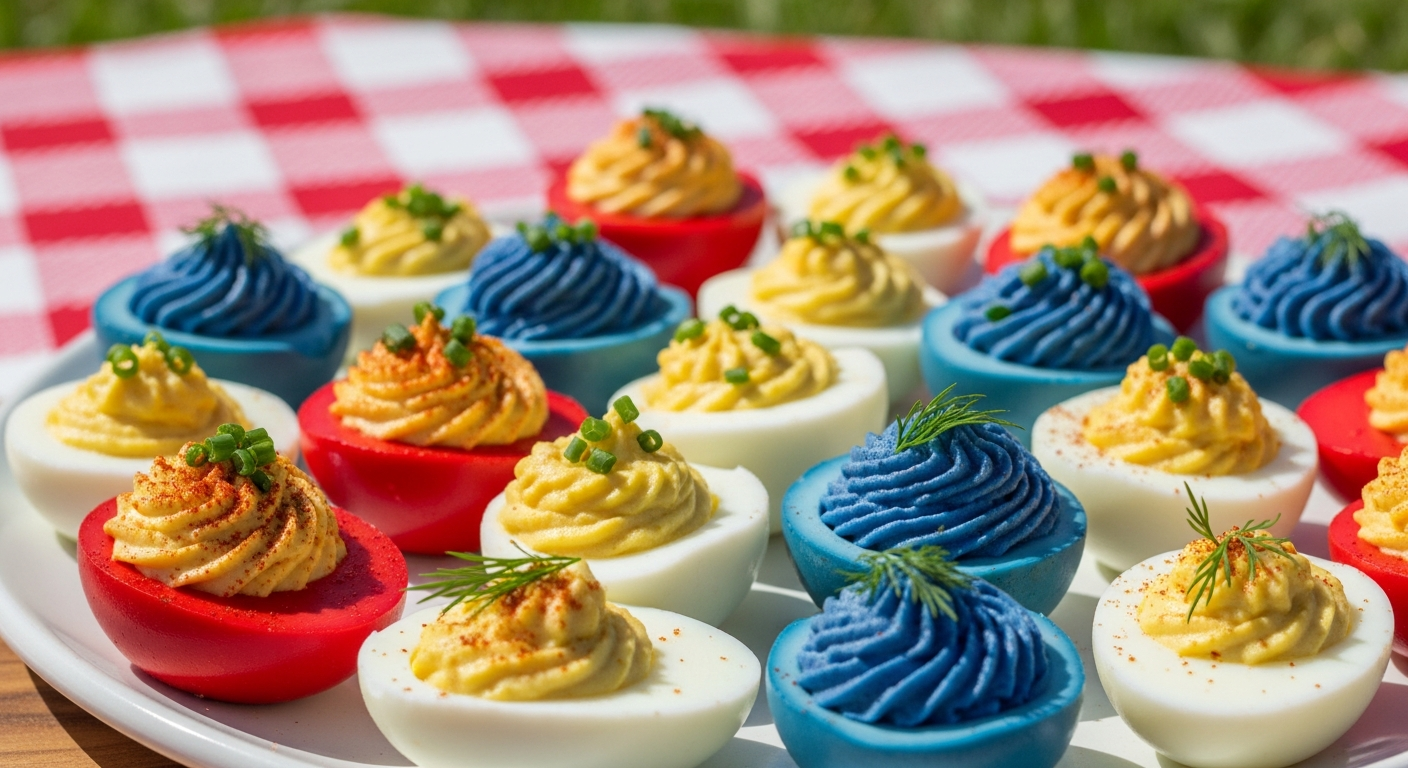
So, how do we transform these timeless appetizers into a stunning display of national pride? It’s easier than you might think, and the process itself is part of the fun. The secret lies in gently dying the egg whites after they’ve been cooked and halved, before you refill them with that creamy, dreamy yolk mixture. This is where the magic of a `red white and blue deviled eggs recipe` truly shines.
Simple, Natural Dyes for Vibrant Hues
You don’t need fancy equipment or exotic ingredients to create beautifully `dyed deviled eggs`. Natural ingredients often work wonders, lending subtle, appealing colors. For a vibrant red, beet juice is your best friend. You can buy canned beets and use the liquid, or boil fresh beets yourself. For blue, while some prefer to use red cabbage water (which gives a lovely teal), most home cooks find a few drops of blue food coloring provides the truest, most consistent blue, especially when you’re aiming for that iconic flag shade. The white, of course, remains pristine, showcasing the pure beauty of the egg itself.
Here’s a quick rundown of the coloring process:
- Prepare your whites: After boiling and peeling your eggs, carefully slice them in half lengthwise and gently scoop out the yolks into a separate bowl.
- Red dye bath: Place a portion of your egg whites in a shallow bowl with enough beet juice to cover them. Let them soak for 30 minutes to a few hours, depending on how deep a red you desire. I usually aim for about an hour for a cheerful pinkish-red.
- Blue dye bath: For the blue whites, dilute a few drops of blue food coloring in a small amount of water (or use your red cabbage water). Soak another portion of egg whites in this solution for a similar amount of time.
- Rinse and dry: Once you’ve achieved your desired colors, gently remove the whites from their baths, rinse them quickly under cold water to stop the coloring process and remove any excess dye, then pat them completely dry with paper towels.
It’s a mindful process, almost meditative, watching the whites absorb the color. There’s a quiet satisfaction in seeing them transform.
Crafting the Creamy Filling
While the whites are soaking, you can focus on the heart of the deviled egg: the filling. This is where everyone has their own special touch. My personal `american deviled eggs recipe` involves mashing the yolks with good quality mayonnaise, a dash of Dijon mustard for a little tang, a splash of white vinegar for brightness, and a pinch of salt and black pepper. Some folks love a touch of sweet relish; others prefer a bit of hot sauce for a kick. No matter your preference, the key is to make it smooth, creamy, and utterly irresistible. Once your whites are colored and dry, pipe or spoon the filling back into the cavities, creating beautiful peaks.
The Patriotic Platter: Creative Presentation for Any Celebration
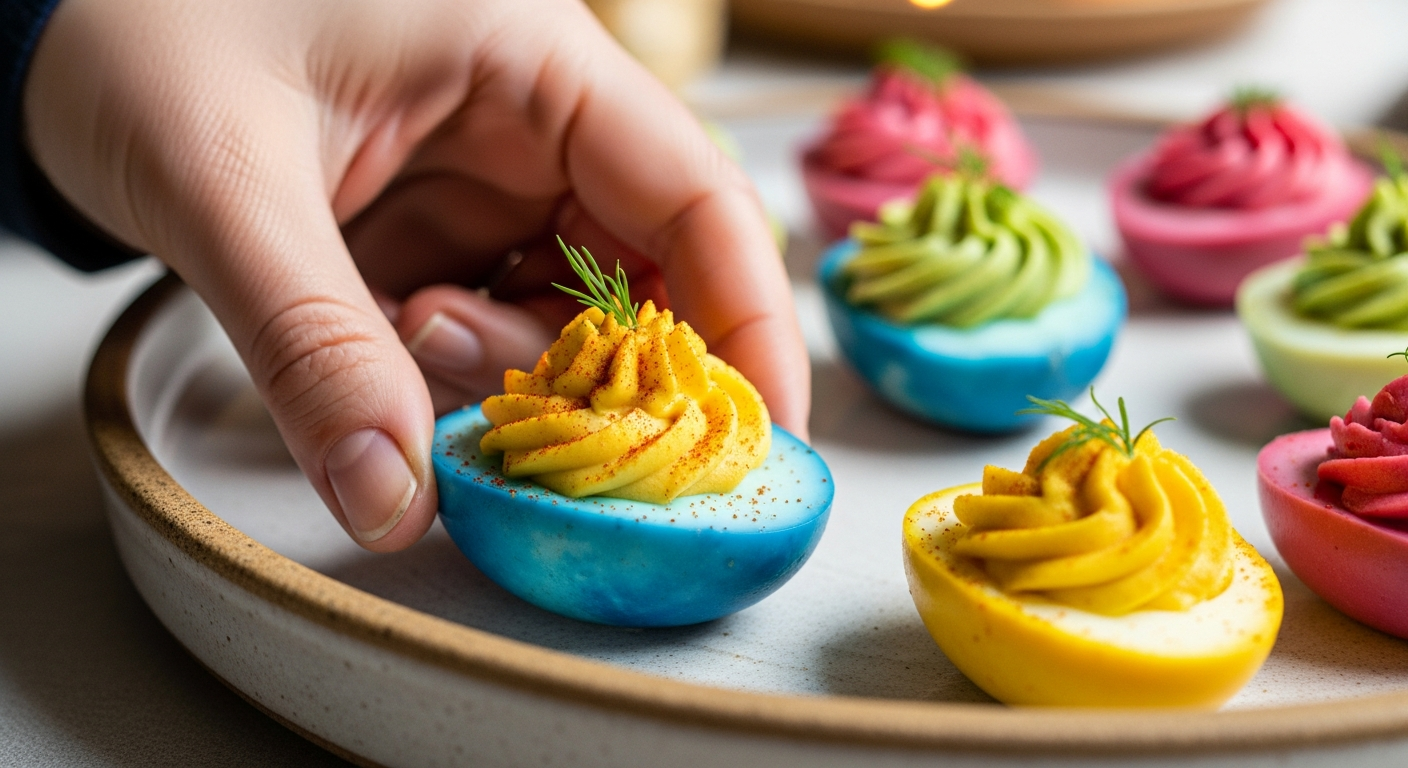
Once your `red white and blue deviled eggs` are assembled, the final step is creating a presentation that makes them truly shine. This isn’t just a `4th of july appetizer idea`; these festive eggs are perfect for `memorial day picnic food` or `labor day appetizers` too! They elevate any summer gathering from casual to spectacularly themed.
Arrangement is Key
Think of your serving platter as a canvas. You can arrange the `patriotic deviled eggs` in alternating rows of red, white, and blue. Or, if you’re feeling particularly artistic, create concentric circles, perhaps with white eggs in the center, encircled by red, then blue. A simple sprinkle of paprika on the white eggs, a tiny edible star cutout on the red, or a touch of finely chopped chives on the blue can add extra flair. I’ve even seen folks use tiny American flag toothpicks stuck into each egg, a charming detail that never fails to get smiles.
These `creative summer party food` ideas go beyond just aesthetics; they invite conversation, joy, and a shared sense of belonging. Imagine them alongside your grilled chicken, corn on the cob, and watermelon slices. They don’t just complement the spread; they become a vibrant centerpiece, a talking point that celebrates everything we hold dear as Americans.
A Taste of Tradition: Why This Simple Snack Reigns Supreme
So, why do `red white blue recipes` like these `colored deviled eggs` continue to captivate us? I think it comes down to a few core reasons:
- Nostalgia: They connect us to childhood memories, to family gatherings, and to the comforting traditions that bind us.
- Simplicity with Sparkle: It’s a humble ingredient transformed into something visually stunning with minimal effort. It shows care and thought.
- Universal Appeal: Everyone, from the youngest grandchild to the oldest grandparent, enjoys a good deviled egg. They’re a crowd-pleaser that transcends dietary fads (unless you’re avoiding eggs entirely, of course!).
- Patriotic Expression: They offer a tangible, delicious way to show national pride, making our celebrations feel even more special and personal.
For me, seeing that platter of `patriotic deviled eggs` on a sunny summer day, whether it’s for a `memorial day picnic food` feast or a boisterous `4th of july appetizer ideas` spread, is more than just about a tasty bite. It’s a reminder of the enduring spirit of America: creative, resourceful, celebratory, and always ready to make something beautiful out of something simple.
So, as you plan your next summer gathering, I heartily encourage you to try your hand at these festive eggs. They’re more than just a `labor day appetizers` option; they’re a little piece of Americana, served with love, pride, and a whole lot of flavor. Happy cooking, my friends, and happy celebrating!