American Lifestyle
The Joy Of Junk Journaling: A Creative Guide To Preserving Memories With Ephemera
My fellow Americans, I’ve seen a lot of changes in my time, watched our grand nation grow and evolve, and I’ve noticed something truly wonderful blooming amidst our ever-accelerating digital world. It’s a quiet revolution, a return to the tactile, the handmade, the deeply personal. I’m talking about the joy of junk journaling, a practice that, to my mind, embodies the very spirit of American ingenuity and the beauty of finding value in what others might overlook.
We’re all connected now, aren’t we? Emails, texts, social media posts zipping across the country and the globe. And while that’s a marvel, it leaves many of us, myself included, yearning for something real, something we can hold in our hands, something that speaks to our soul in a way a glowing screen simply cannot. That longing, I believe, is why so many creative souls across our nation have embraced the art of the junk journal. It’s a unique canvas for self-expression, proving that beauty truly can be found in the everyday, turning humble scraps into treasured, deeply personal art.
What is a Junk Journal? Embracing the Philosophy of Creative Reuse
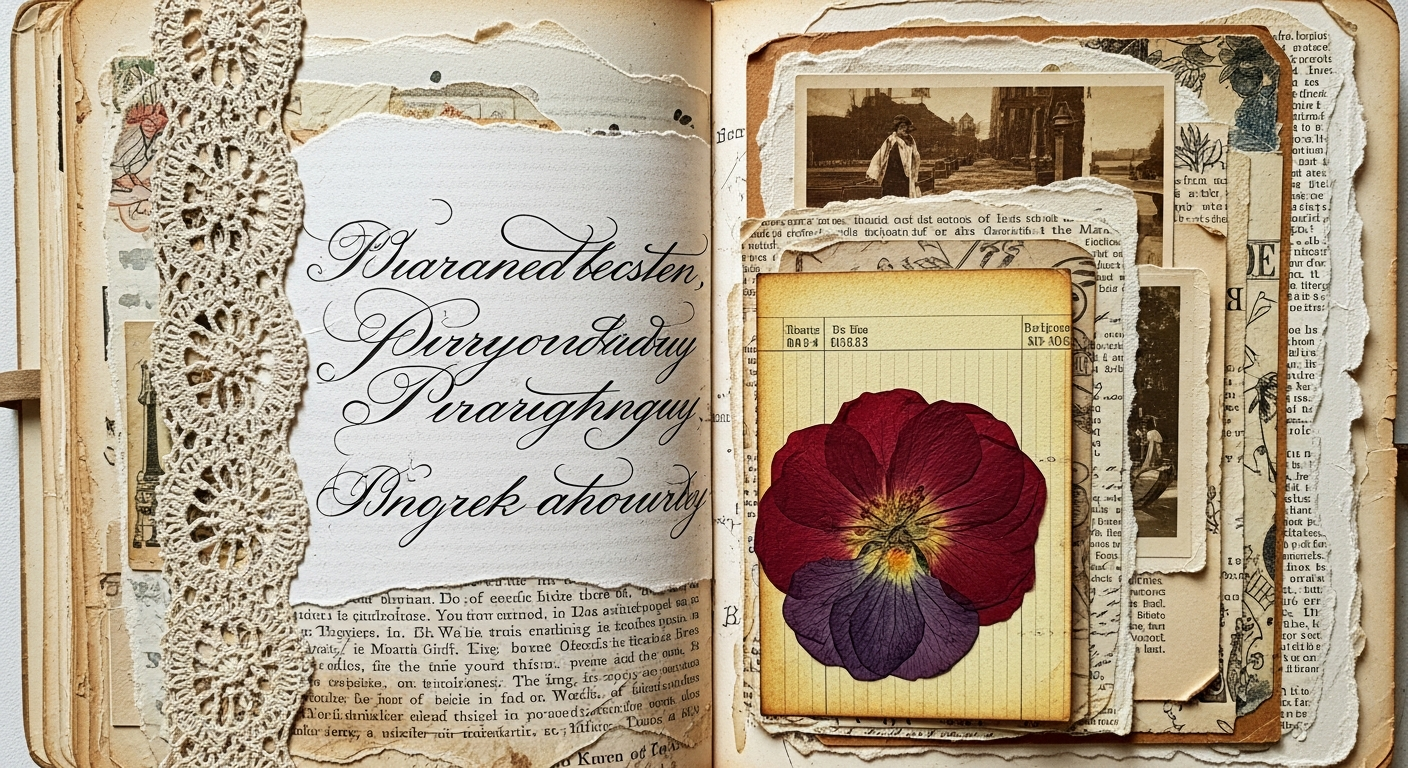
So, what exactly is a junk journal? Imagine a handmade book, not store-bought and pristine, but lovingly crafted from recycled papers, forgotten letters, vintage ephemera, and all those little keepsakes that tell the story of your life. It’s not about perfection; it’s about authenticity. It’s a place where old maps become backdrops for new memories, where ticket stubs from a forgotten trip find a home beside a snippet of lace, where a pressed flower from your garden tells a silent tale.
It’s a deeply democratic craft, open to everyone. You don’t need fancy art degrees or expensive tools. Just a willingness to look at the world a little differently. This philosophy of creative reuse reminds me of the resourceful spirit that built this country. Think of our pioneers, like those who traversed the [Oregon Trail](https://maps.app.goo.gl/D4eXjMh3jJd3yCj17), making do with what they had, turning necessity into invention. Or the humble genius of someone like [Benjamin Franklin](https://en.wikipedia.org/wiki/Benjamin_Franklin), a printer and inventor who saw potential in everyday materials and ideas. This craft champions that same spirit, transforming the overlooked into the extraordinary.
And it’s clear this kind of tactile creativity is striking a chord. A recent study by the Association for Creative Industries found that 62% of U.S. households participate in at least one craft activity, with many reporting significant stress reduction and improved mental well-being. Furthermore, a fascinating report by Statista highlighted that the DIY and crafts market is consistently growing, demonstrating our collective yearning for hands-on creation. This isn’t just a niche hobby; it’s a widespread movement to reconnect with our inner makers and find solace in the tangible. A junk journal isn’t just a book; it’s a statement against disposability, a celebration of history, and a testament to your unique story. It’s a wonderful alternative to a structured bullet journal, offering freedom and artistic expression.
The Heart of an Ephemera Journal
At its core, a junk journal is an ‘ephemera journal.’ Ephemera, by definition, are items that were not meant to last, things like tickets, receipts, handwritten notes, old postcards, cancelled stamps, or even snippets from magazines. But in our journals, these fleeting pieces of paper find permanence and new meaning. They become building blocks, layers of your personal narrative. Each piece, no matter how small or insignificant it once seemed, adds texture, color, and a whisper of history to your pages. It’s a truly beautiful memory keeping craft, preserving those tiny moments that otherwise slip away.
Collecting Materials: Finding Vintage Ephemera, Old Books, and Laces
One of the greatest joys of junk journaling, in my humble opinion, is the hunt for supplies. It’s like a treasure quest right here in your own community. You don’t need to empty your wallet; often, the best junk journal supplies are free or very inexpensive.
Where to Unearth Your Treasures
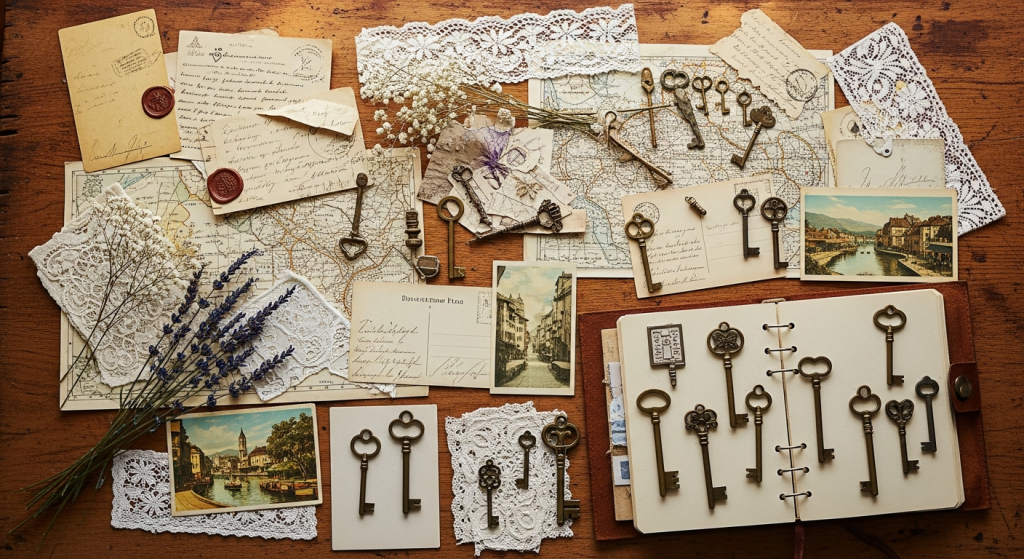
- Your Own Home: Start right where you are! Look through old photo albums, letters, children’s drawings, packaging materials, even junk mail. Do you have old maps from family vacations? Concert tickets? These are priceless.
- Thrift Stores and Antique Shops: These are goldmines for `scrapbooking vintage` lovers. Look for old books with interesting pages, fabric scraps, doilies, vintage buttons, old postcards, and even forgotten board games for their sturdy pieces and unique imagery. Places like the quaint antique shops dotting the [Blue Ridge Mountains](https://maps.app.goo.gl/354e3dE52Kghy41S9) or small-town Main Streets across the country often hold surprising finds.
- Estate Sales and Flea Markets: These can be overwhelming, but with a keen eye, you can find bundles of old letters, ledgers, sheet music, and other authentic ephemera. Always ask if they have a ‘paper box’ or a ‘craft pile.’
- Yard Sales and Library Sales: Old books are perfect for their pages, covers, and illustrations. Look for ones that are damaged; they’re often cheaper and you won’t feel guilty tearing them apart for your art.
- Nature’s Bounty: Pressed leaves, dried flowers, small twigs, and even interesting seeds can add a wonderful organic touch to your handmade journal pages. Just make sure they’re thoroughly dry to prevent mold.
Remember, the goal isn’t to buy everything new. The beauty comes from the story each piece of reclaimed material tells. This is where `vintage paper crafts` truly shine.
Basic Binding and Construction Techniques for Beginners
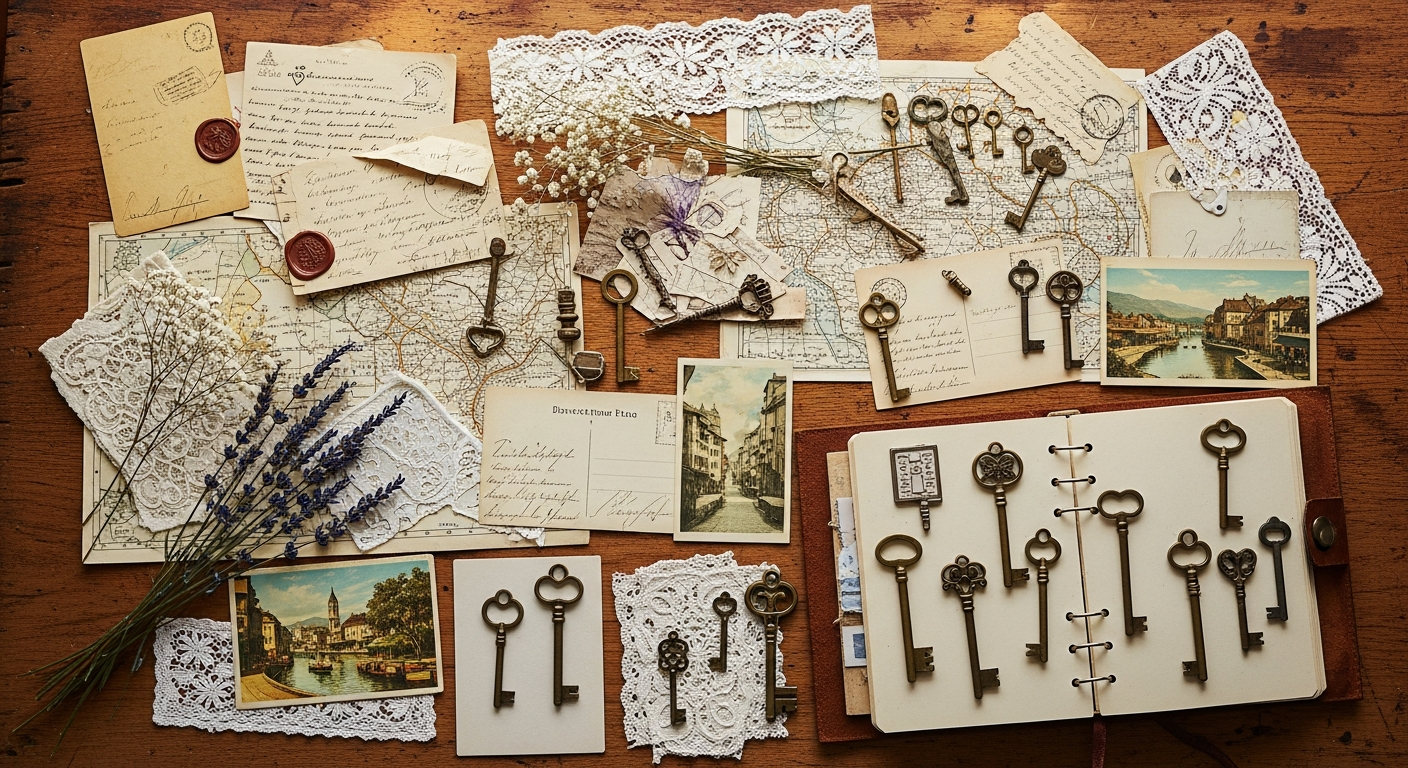
Now, I know the idea of making a book from scratch might sound a bit daunting, but I promise you, `junk journaling for beginners` is much simpler than it seems. You don’t need special equipment, just a few basic tools and a good dose of patience.
Gather Your Tools
- Paper: Gather your collection of varying sizes, textures, and ages. Think envelopes, old book pages, cardstock, ledger paper, brown paper bags, fabric scraps.
- Scissors or Craft Knife: For cutting.
- Ruler: For straight edges.
- Glue: A good strong craft glue (like PVA glue) and maybe a glue stick for lighter papers.
- Needle and Thread: For simple stitches, or an awl if you have one.
- Cardboard or Heavy Paper: For your covers.
- Binder Clips or Paper Clips: To hold things in place.
Simple Binding Methods
1. The Single Signature Method
This is arguably the easiest way to start your first `diy journal kit`. A ‘signature’ is simply a group of folded pages nestled inside each other. Take 5-10 pieces of paper, varying in size and type. Fold them all in half, creating a crease. Stack them inside each other, with the smallest pages towards the center. Punch three holes along the fold line (top, middle, bottom). Stitch through these holes with a simple pamphlet stitch. Your cover can be a single piece of folded cardstock or an old book cover.
2. Ring Binding
For an even simpler approach, punch holes along the left edge of all your collected pages. Stack them and secure them with binder rings. This method is incredibly forgiving and allows you to easily add or remove pages as your journal grows.
3. Staple Binding (for smaller journals)
If you’re making a smaller, pamphlet-style journal, a heavy-duty stapler can work wonders. Fold your pages and cover in half, nest them, and then staple along the spine. This is quick and effective for a travel-sized `memory keeping craft`.
Creative Prompts and Layout Ideas for Your First Junk Journal Pages
Once your basic book is assembled, the real fun begins: filling those `handmade journal pages`! Don’t feel overwhelmed. There’s no right or wrong way to do this. This isn’t about artistic perfection; it’s about authentic expression.
Get Started with These Ideas:
- Theme It Up: Your journal doesn’t need to have one overarching theme, but sometimes starting with a small theme for a few pages helps. Maybe a ‘Summer Memories’ spread, a ‘Gratitude List,’ or ‘Dreams and Aspirations.’
- Layer, Layer, Layer: Junk journaling is all about layers. Start with a background (an old book page, a piece of fabric). Then add a photo or a piece of ephemera. Layer some lace or a torn piece of paper. Add a bit of journaling. The more layers, the richer the page feels.
- Use Pockets and Tucks: Create little pockets from envelopes or folded paper to hold smaller pieces of ephemera, secret notes, or tags. These add interactive elements and storage for more memories.
- Stitching and Embellishing: Don’t be afraid to sew directly onto your pages with a needle and thread, or even use your sewing machine (without thread for dry embossing!). Add buttons, beads, charms, or bits of ribbon.
- Journaling Prompts: Not sure what to write? Try these:
- What did you see today that made you smile?
- Describe a recent conversation that stuck with you.
- What are you grateful for right now?
- What’s a small goal you have for the week?
- Attach a photo and write about the story behind it.
- Stamping and Inking: Use rubber stamps to add texture, patterns, or sentiments. Distress ink can give your pages a wonderfully aged, vintage feel.
- Collage and Doodling: Cut out interesting words, images, or textures from magazines or old books and collage them onto your pages. Add your own doodles, sketches, or hand lettering.
Remember, this is your journey. There are no rules, no deadlines, only the joy of creation. I believe this simple act of making, of valuing the old and giving it new life, is a quiet but powerful act of optimism. It’s a declaration that our stories matter, that beauty is everywhere, and that even in the most digital of ages, the warmth of a handmade creation can light up our lives. So go on, find some old papers, a bit of glue, and start telling your story. You’ll be amazed at the treasures you uncover, both in your materials and within yourself.