
Culture & Traditions
The Orphan Trains: The Generous Hearts That Built Families in Rural America
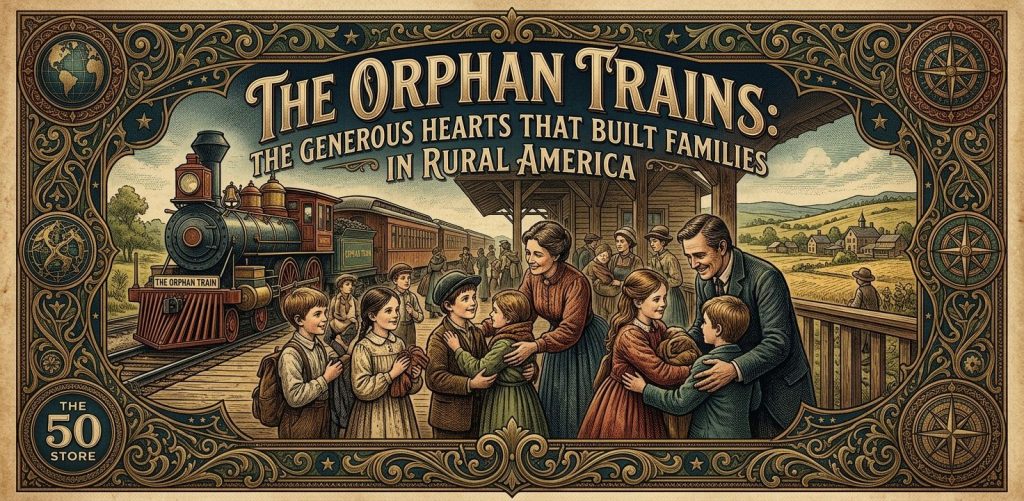
The Hook: The Train That Carried New Families
Between 1854 and 1929, over 200,000 homeless and abandoned children roamed the crowded, dangerous streets of New York City. A radical, heart-melting plan was launched to put them on trains bound for the American West to find loving farming families. If you trace your family roots back to the heartland of America, there is a fair chance your history intertwines with the whistle of a steam engine and a small child holding a cardboard suitcase. From the rocky coasts of the East to the vast western frontiers, our history is filled with moments of profound grace.
I have lived in this great country my entire life, and I have always believed that the true soul of America is found in our small towns and farming communities. We are a nation built on second chances. We are a people who look out for our neighbors when times get tough. The story of the Orphan Trains is one of the most profound examples of this national spirit. It is a story of hope, resilience, and unyielding compassion. It reminds us that family is not just about the blood in our veins. Family is about the doors we open and the empty chairs we joyfully fill at our dinner tables.
The Core Narrative: The Relentless Quest for Home
Part I: The Abandoned of New York
To truly appreciate the bright light of this story, we have to understand the difficult darkness of the time. Picture the middle of the nineteenth century. America was expanding at a breakneck pace. Rapid industrialization was changing the very fabric of our society. Millions of immigrants and hopeful workers were pouring into New York City looking for a better life and a chance at the famous American Dream.
But the reality of city life was incredibly harsh for these newcomers. Tenement buildings were packed to the rafters, lacking fresh air and basic sanitation. Sickness, including outbreaks of cholera and typhoid, alongside crushing poverty and sudden tragedy, were everyday visitors. When hardworking parents fell ill or could not find steady work, the children were left to fend for themselves on the cobblestones. In the wake of this rapid industrialization, an immense child poverty crisis took firm hold of the city. According to historical records and census data from the early 1850s, an estimated thirty thousand homeless children wandered the city streets. To put that startling figure into perspective, the city’s total population was only around five hundred thousand at the time.
These kids were commonly called street urchins or newsies. They sold matches for pennies to wealthy businessmen. They shined shoes on the muddy street corners from dawn until dusk. They huddled together in dark alleyways, empty wooden barrels, and under damp staircases just to survive the bitter, biting winds of the coastal winters. They had an absolute abundance of street smarts and a whole lot of American grit, but they were missing the one vital thing every child desperately needs. They needed the safety of a home. The situation was a dire complication for a booming, prosperous nation. We were building towering factories and spanning the continent with railroads, yet tens of thousands of our most vulnerable youth were falling through the cracks. Something simply had to be done to save them.
Part II: Charles Loring Brace
How could a civilized, growing nation save these precious children from the cold streets? That was the most pressing moral question of the era. The answer came from a man with a fierce, unshakable belief in the healing power of the American countryside. His name was Charles Loring Brace (1826-1890). Brace was a young, compassionate minister and the visionary founder of the Children’s Aid Society.
Brace looked at the overflowing orphanages and dark, crowded asylums of the city and shook his head. He knew that locking innocent children away in cold institutions was not the long term solution. He firmly believed that the absolute best way to save a child was to give them a family, a patch of green grass, and the honest, character building work of a family farm. He trusted deeply in the basic, inherent goodness of the American farmer. He knew that out in the vast, open spaces of the heartland, where crops grew tall and neighbors always looked out for one another, these abandoned children could find a real purpose and a place to belong.
Let me share a quick story to paint the picture of this mission. Think of a little boy named Thomas. Thomas was found sleeping in a discarded wooden crate near the ship docks, entirely alone at just eight years old. In the sprawling, noisy city, Thomas was just another hungry mouth to feed. But Charles Loring Brace believed Thomas was a young pioneer waiting to happen. If Thomas could just get out of the grime of the city, his whole life trajectory could change. In the country, Thomas could learn to read, work the soil, and eventually grow up to own his own hardware store. Fueled by this beautiful vision, Brace launched a massive, unprecedented logistical effort to organize what we now affectionately call the Orphan Trains. His relentless quest for home would soon change the nation forever.
Part III: The Westward Journey
The journey westward was an absolute marvel of hope, charity, and coordination. Imagine the highly emotional scene at the bustling train stations of New York. Hundreds of children, scrubbed completely clean and dressed in brand new, stiff clothes, boarding a massive steam train for the very first time. Their eyes must have been wide with absolute wonder and perhaps a little fear. Most of them had never seen a real cow or a field of golden wheat. They carried little more than a small pocket Bible, a change of clothes, and a paper card securely pinned to their coats with their name.
With a hiss of steam and the clackety-clack of heavy iron wheels, these trains chugged out of the gray, industrial city and into the sweeping green landscapes of the country. The scenic route took them deep into the agricultural heart of America. They stopped at rustic rural platforms across the nation. They pulled into tiny, welcoming towns in Ohio, rolled right through the vast, endless prairies of Illinois, and stretched all the way out to the sunlit wheat fields of Kansas.
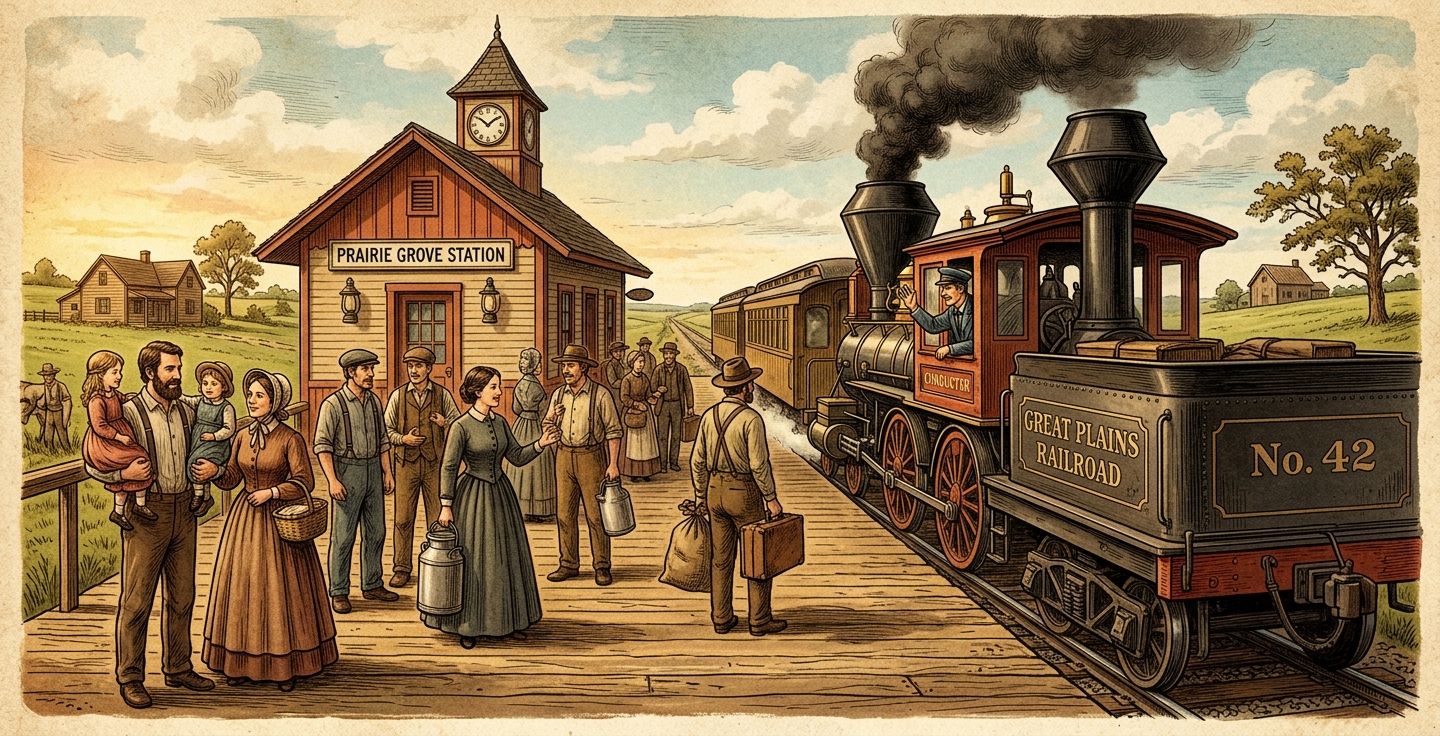
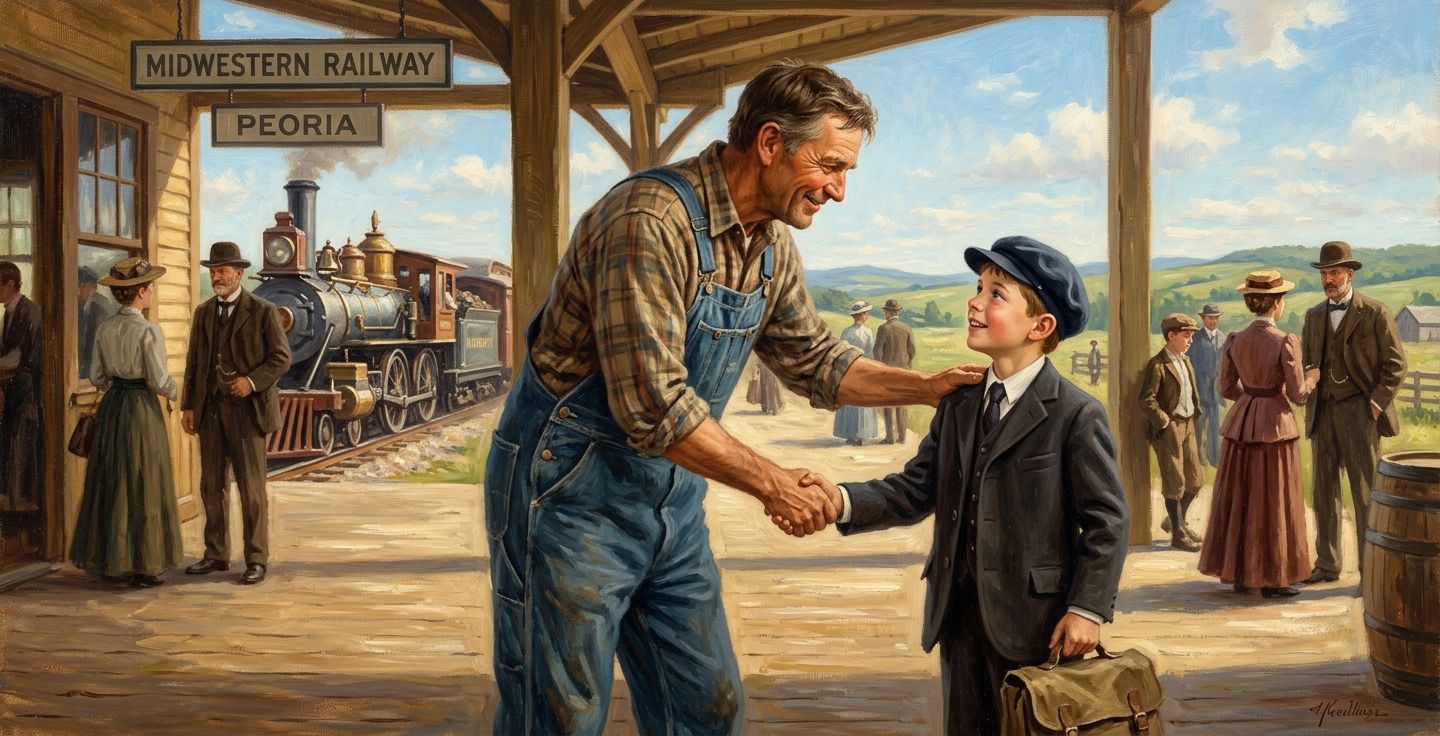
When the loud train whistle blew, signaling the arrival of an Orphan Train, the whole town would gather around the local depot. Farmers in their sturdy overalls, local shopkeepers in aprons, and small town ministers stood eagerly by the tracks. The children would nervously step out onto the wooden platform. Sometimes the kids would sing a hymn or recite a little poem they had learned on the journey. And then, the magic of the American spirit took over the crowd.
Good families stepped forward from the gathering. They opened their farmhouse doors to complete strangers. They did not ask for a single penny of compensation or special recognition. They simply looked into the hopeful eyes of children in need and said, “You belong with us.” It was a profound display of grace and everyday heroism. Farm life required very hard, physical work, and the transition from city streets to country chores was often quite a shock for the youngsters. But the vast majority of these rural families eagerly shared their warm meals, their proud family names, and their unconditional love. They patiently taught these tough city kids how to saddle a horse, how to harvest sweet corn, and how to read the Bible by the soft light of a kerosene lamp.
Part IV: Foundations of Modern Welfare
This remarkable era of migration lasted for an astonishing seventy five years. Over that entire span of time, the trains carried an incredible two hundred thousand children across the wide expanses of our country. It was an imperfect system, as many early historical movements were, but it laid the critical groundwork for modern foster care and important child labor laws. Dedicated social workers learned vital lessons from the successes and failures of the Orphan Trains, shaping the very way we protect and nurture our vulnerable youth today.
The lasting legacy of this massive child migration is simply astounding. These children did not just survive their new circumstances; they truly thrived. They grew up to be the sturdy backbone of a developing nation. They became our beloved school teachers, our dedicated country doctors, and our hardworking civic builders. Thousands of them built successful, enduring farming legacies that still thrive in the Midwest today. In fact, two famous orphan train riders grew up to achieve incredible political success and became state governors. John Green Brady proudly served as the governor of Alaska, and Andrew Burke became the governor of North Dakota. It is currently estimated that over two million Americans today are direct descendants of those brave Orphan Train riders. It just goes to show you what a little bit of hope and a supportive, loving community can do for a single person.
The Countryside Comfort Tee
When we pause to look back on this beautiful chapter of our history, we clearly see the very best of who we are as a people. We are a mighty nation that builds strong families, not just by shared bloodlines, but by conscious choice and profound love. The good folks who stood on those wooden train platforms in the middle of nowhere did not just take in extra farmhands. They took in the future of America. They offered a warm bed, a hot meal, and a chance at a real life.
It is so incredibly important to remember our rich roots and the beautiful acts of charity that shaped our great country. We must always honor the generous hearts that built families in rural America. Celebrate the journey of hope and family. Made from buttery-soft combed cotton, designed to feel like home wherever you are, our exclusive Orphan Train Heritage Comfort Tee is the perfect way to remember this legacy. Pick yours up today and wear it with pride, knowing you carry a piece of our beautiful American story right over your heart.
What were the Orphan Trains?
The Orphan Trains were a supervised welfare program that transported orphaned and homeless children from crowded Eastern cities to foster homes located largely in the rural Midwest.
Who founded the Orphan Train movement?
The movement was founded by Charles Loring Brace, a minister who started the Childrens Aid Society in New York City. He believed rural farm life was the best environment to raise children.
How many children rode the Orphan Trains?
Between the years of 1854 and 1929, it is estimated that over 200,000 children were transported across the country to find new homes.
Why were children sent out West?
During the mid-nineteenth century, rapid industrialization caused a severe child poverty crisis in New York City. Organizers felt the fresh air, hard work, and strong community values of the West would save the children from the dangerous streets.
Did the Orphan Train riders have successful lives?
Yes, many went on to have incredibly successful lives. They became farmers, teachers, doctors, and builders. Two riders even grew up to become state governors.
Are there still descendants of the Orphan Train riders today?
Absolutely. It is estimated that over two million Americans living today are direct descendants of the brave children who rode the Orphan Trains.