
American Lifestyle
Fibermaxxing: The Gut-Health Trend Redefining Modern American Wellness
Lately, you might have heard some of the younger folks talking about ‘maxxing’ this or ‘maxxing’ that. It’s a bit of modern wellness slang, usually meaning to maximize some aspect of your life, often related to looks or performance. And while some of it might sound a little, well, ‘newfangled’ to my ears, I’ve noticed a truly wonderful new spin on this idea, one that’s quietly reshaping American nutrition trends: it’s called ‘fibermaxxing.’
Now, don’t let the trendy name fool you. This isn’t about some fancy new supplement or a complicated regimen. Quite the opposite! ‘Fibermaxxing’ is simply a delightful, enthusiastic return to basics. It’s about consciously and joyfully increasing your daily fiber intake, leaning into whole, natural foods, and rediscovering the power of a healthy, happy gut. It’s one of the most exciting gut health trends I’ve seen in a long time, and it truly embodies that American spirit of pragmatic self-improvement.
Fibermaxxing: A Deep Dive into Gut Wellness
For too long, we Americans have been told that protein is king, or that carbs are the enemy, or that fats are good (or bad, depending on the decade!). We’ve chased one dietary dragon after another, often overlooking a humble, yet absolutely essential, component of our meals: fiber. Think about it. When did you last hear someone raving about their amazing fiber intake? Probably never, right?
But the truth is, a profound shift is happening. Folks are recognizing that true wellness starts from within, specifically in our gut. And fiber, my friends, is the unsung hero of that internal ecosystem. It’s not just about ‘regularity,’ though that’s certainly a wonderful benefit. This is about fueling your body’s most intricate internal network, supporting everything from your energy levels to your mood, and yes, even the glow in your skin.

Fibermaxxing For Maximum Efficiency T Shirt
Wear your story with pride! Celebrate classic American values, history, and heritage with our premium crafted apparel, designed for comfort and durability.
Shop the Look →Why Fiber is the Ultimate Underrated Superfood
Let me share some numbers that might just make you sit up a little straighter. Did you know that the average American consumes only about 10 to 15 grams of fiber per day? The recommendation, according to the Dietary Guidelines for Americans, is closer to 25-38 grams! That’s a significant gap. It means most of us are truly missing out on a vital nutrient.
And it’s not just a minor oversight. A 2017 review published in the journal Nutrients highlighted that low fiber intake is linked to an increased risk of heart disease, type 2 diabetes, and certain cancers. Meanwhile, studies show that a high fiber diet can significantly improve cholesterol levels, blood sugar control, and even aid in healthy weight management. Imagine that, a simple plant component, making such a big difference! It truly is an amazing nutritional powerhouse, often overshadowed by flashier, more expensive ‘superfoods.’
The Silent Workers in Our Gut
Fiber isn’t just one thing, you see. There’s soluble fiber, which dissolves in water and helps lower cholesterol and glucose. Think oats, beans, apples. Then there’s insoluble fiber, which doesn’t dissolve but adds bulk, helping things move along smoothly. Whole grains, vegetables, and nuts are great sources. Both are crucial for a healthy, vibrant digestive system.
I remember my grandma, bless her heart, always had a big pot of bean soup simmering on the stove. She didn’t call it ‘fibermaxxing,’ of course, but she instinctively knew the goodness in those humble legumes. She lived a long, healthy life, and I often wonder if her simple, wholesome diet played a big part. It’s a micro-history, a small story that reminds us of enduring wisdom.
Practical Ways to Fibermaxx Your Daily Meals
So, how do we bring this goodness back into our modern American lives? It’s easier than you think. This isn’t about deprivation or strict rules. It’s about adding, enriching, and savoring.
Start Your Day the Fiber-Rich Way
- Oatmeal Power: Ditch sugary cereals. A bowl of old-fashioned oats (about 4g fiber per serving) with some berries (raspberries are fiber superstars, 8g per cup!) and a sprinkle of chia seeds (5g per tablespoon) or flax seeds (3g per tablespoon) is a fantastic start.
- Whole Grain Toast: Swap white bread for 100% whole grain toast. Top it with avocado and a dash of red pepper flakes for an extra kick.
- Smoothie Magic: Blend spinach (yes, you won’t taste it!), a banana, some frozen berries, and a tablespoon of ground flax seeds or a scoop of unsweetened pea protein powder (often fiber-rich) for a quick, fiber-packed breakfast.
Lunch and Dinner: The Heart of Your Fibermaxxing Guide
This is where we can truly shine. Think about adding more colors, more textures, more plant power to your plate.
- Legumes are Your Friends: Beans, lentils, chickpeas. These are absolute rockstars! A cup of black beans boasts about 15 grams of fiber. Toss them into salads, make a hearty chili, or blend them into hummus. I often make a simple lentil soup, just like my grandma’s, especially when the air gets crisp in the autumn. It warms the soul and fills you with good things.
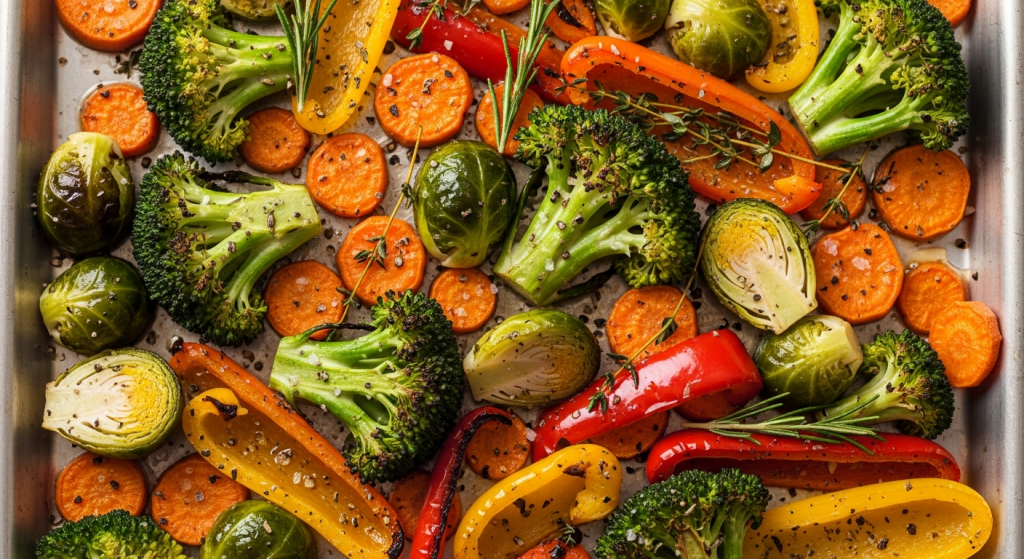
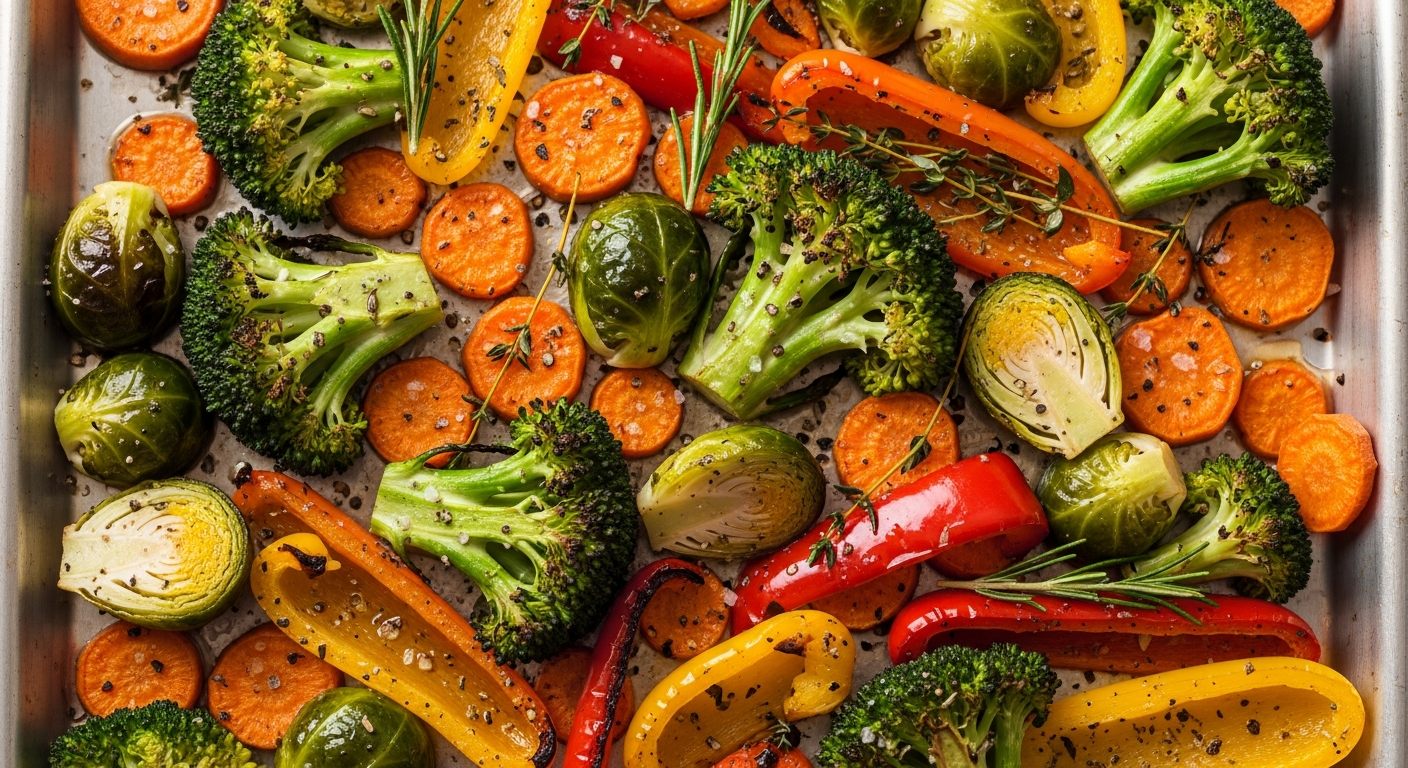
- Veggie Extravaganza: Load up! Broccoli, Brussels sprouts, carrots, bell peppers, sweet potatoes. Aim to fill half your plate with non-starchy vegetables. Roasting them brings out their natural sweetness and makes them incredibly appealing.
- Whole Grains Beyond Bread: Quinoa, farro, brown rice. These make excellent bases for bowls or side dishes. A simple swap from white rice to brown rice instantly boosts your fiber.
- Nutty Additions: Sprinkle almonds, walnuts, or pecans on salads, yogurts, or even stir-fries for added crunch and fiber.
Snack Smart and Hydrate
Snacking can be another opportunity for fiber rich meals in miniature. Grab an apple with a handful of almonds, some carrot sticks with hummus, or a small handful of air-popped popcorn. And remember, as you increase your daily fiber intake, you must also increase your water intake. Fiber needs water to do its job, so keep that water bottle handy for excellent healthy digestion tips.
The Science of the Microbiome and Digestive Wellness
Now, let’s get a little scientific, but in a way that truly connects with our American ingenuity and desire to understand how things work. Inside each of us, there’s a bustling metropolis, an entire ecosystem of trillions of tiny residents: our gut microbiome. These microbes, mostly bacteria, are not just sitting there idly. They’re working tirelessly, influencing everything from how we digest food to our immune system, and even our mental well-being.
Fiber is essentially the gourmet meal for these incredible microscopic workers. When we eat fiber, especially soluble fiber and a type called ‘prebiotic fiber’ (found in garlic, onions, asparagus, bananas, and oats), it doesn’t get fully digested by *us*. Instead, it travels to our large intestine, where our gut bacteria feast on it. This fermentation process produces beneficial compounds called short-chain fatty acids (SCFAs), which are vital for gut lining health, reducing inflammation, and even communicating with our brain. These are the true microbiome foods!
A Symphony of Wellness
Imagine your gut as a vast, fertile field, like the rich farmlands that span our heartland, from the cornfields of Iowa to the fruit orchards of California. The more diverse and nutritious the seeds you plant (the fiber and various plant foods), the more robust and resilient your crop (your microbiome) will be. A diverse microbiome is a strong microbiome, better able to fight off pathogens, regulate mood, and support overall health.
This understanding of the microbiome is truly one of the great advancements in modern health, a testament to American scientific inquiry. It explains why simply ‘fibermaxxing’ isn’t just a trend, but a foundational shift. It’s about nourishing the very roots of our health, allowing our bodies to flourish from the inside out.
Embrace the Fibermaxxing Journey
My friends, as I look out across this beautiful country, I see a people always striving for better. From the pioneering spirit of a George Washington, who understood the importance of a healthy land, to the tireless innovators of today, we are a nation that believes in progress. And in the realm of personal wellness, ‘fibermaxxing’ is a quiet revolution, a simple yet powerful way to reclaim vitality.
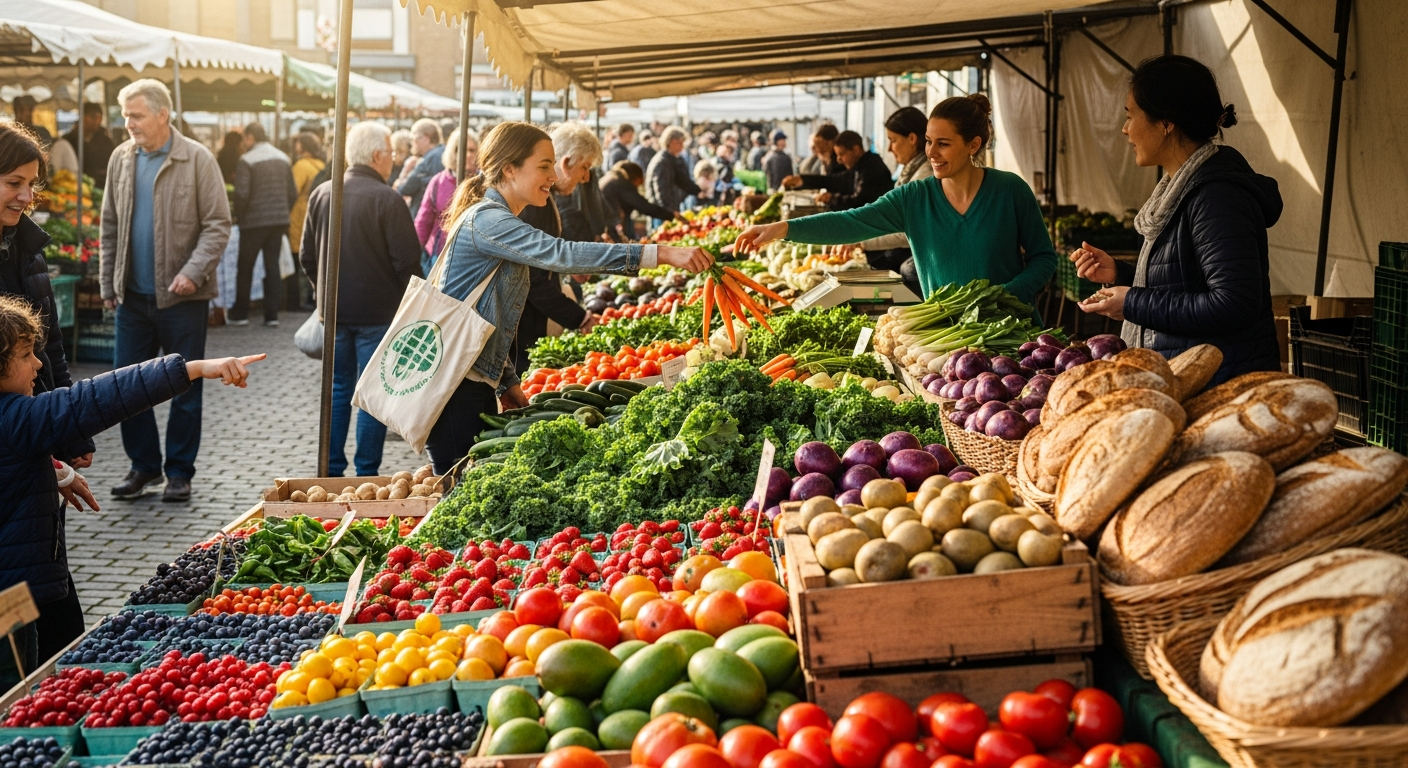
It’s not about being perfect, it’s about making small, consistent choices. Maybe it’s adding lentils to your stew, or a handful of almonds to your afternoon snack. Perhaps it’s visiting a vibrant farmer’s market, like the famous Ferry Building Marketplace in San Francisco, to discover new and exciting produce. Remember, every little bit adds up, creating a wave of positive change within you.
So, let’s embrace this joyful journey of ‘fibermaxxing.’ Let’s feed our bodies, nourish our guts, and feel the incredible difference it makes. It’s a return to wholesome goodness, a celebration of internal strength, and a testament to that enduring American hope for a healthier, brighter future for us all.
What exactly is ‘fibermaxxing’?
Why is fiber so important for gut health?
What are some easy ways to increase my daily fiber intake?
How much fiber should I aim for each day?
Are there different types of fiber, and do they all help with fibermaxxing?
Can fibermaxxing help with weight management?
What are some common fiber-rich meals?