
American Mythos & National Character
Johnny Appleseed Chapman: Planting Orchards, Harmony, And Lore Across The Wilderness
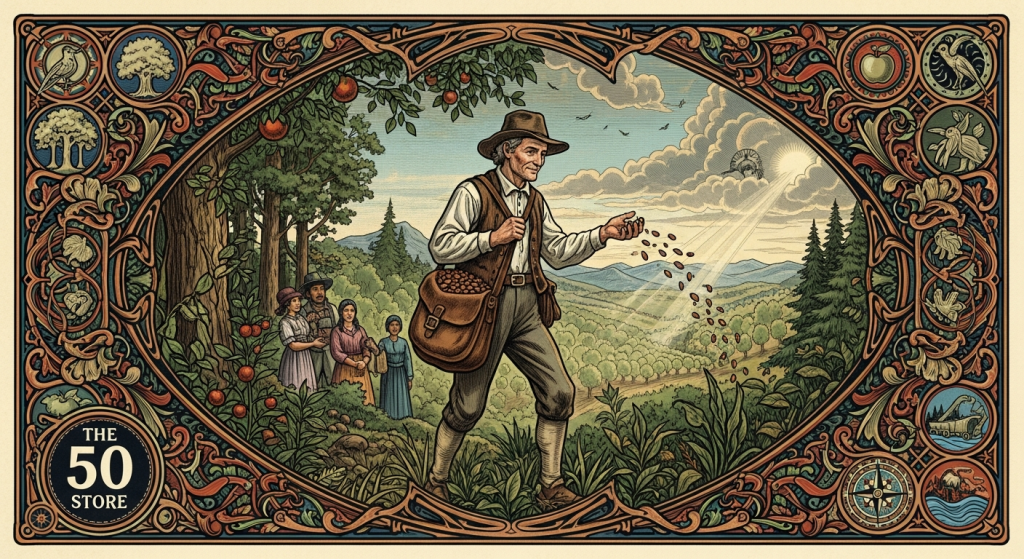
Good day, folks! It’s Arthur Vance here, settling in with a warm cup of cider and a story that always brings a twinkle to my eye. As a history teacher for over three decades, I’ve had the pleasure, and sometimes the challenge, of introducing our young people to the vibrant tapestry of American history. One figure, in particular, always sparked the most enthusiastic, and often the most misinformed, questions: Johnny Appleseed.
Ah, yes. The image that comes to mind for many, I imagine, is a cheerful, barefoot fellow with a tin pot on his head, scattering apple seeds willy-nilly across the vast American wilderness. I used to joke with my students, ‘Did he just wander aimlessly, hoping for the best?’ We’d chuckle, but then I’d explain the deeper, more profound truth. The real John Chapman, the man behind the legend, was no mere whimsical wanderer. He was an intelligent, farsighted entrepreneur, a deeply spiritual soul, and a pivotal figure in America‘s westward expansion. He didn’t just ‘plant trees’; he planted communities, harmony, and a legacy that continues to bear fruit today.
The Real Johnny Appleseed: A Hidden Truth Revealed
The folklore version of Johnny Appleseed is certainly charming. Who doesn’t love the idea of a gentle spirit spreading beauty? But as with many American myths, the true story of John Chapman (1774-1845) is far more compelling, a testament to ingenuity and a quiet dedication that truly shaped the frontier. He didn’t just toss seeds; he strategically cultivated nurseries, often hundreds of miles ahead of the main waves of pioneer settlement. He understood the rhythm of the land and the needs of a burgeoning nation better than most.
Consider this: By the time he passed away, Chapman was not the penniless vagabond of legend but a wealthy landowner, possessing over 1,200 acres of prime land across Pennsylvania, Ohio, Indiana, and Illinois. That’s a significant estate for anyone, especially for a man who often walked barefoot, dressed in simple clothes, and spent most of his life on the move. This wasn’t luck; this was a meticulously executed, long-term business strategy woven with a profound sense of purpose. 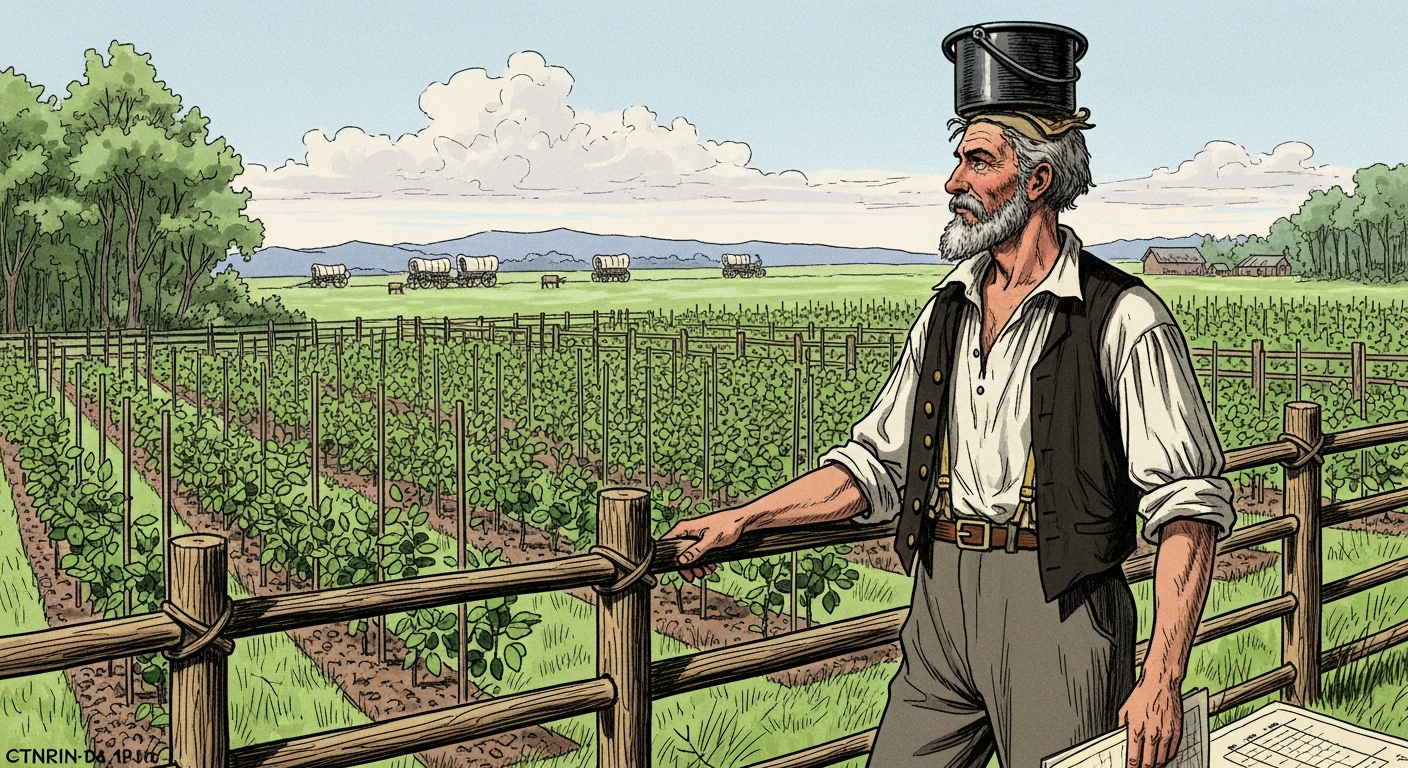
Planting Orchards in the Wilderness: A Pioneer’s Foresight
The Wilderness Nurseries: Chapman’s Strategic Vision
Chapman’s method was brilliant in its simplicity and sheer hard work. He’d acquire tracts of land, often by squatter’s rights or small purchases, then clear small plots. On these plots, he would plant apple seeds, carefully collected from cider mills back east. He’d fence the saplings to protect them from deer and livestock, then leave a trusted caretaker in charge, returning every year or so to prune and maintain the young trees. These weren’t just random plantings; these were carefully managed, nascent orchards, ready for the wave of settlers he knew would follow.
Imagine the foresight! While others were battling the immediate challenges of frontier life, Chapman was looking decades ahead, laying the groundwork for future communities. He knew that an established apple orchard wasn’t just about fruit; it was about permanence, sustenance, and home.
Securing the Land: The Apple Tree Requirement
Here’s where Chapman’s genius truly shines. Many pioneer land laws, inspired by acts like the Northwest Ordinance of 1787, required settlers to plant a certain number of fruit trees, often 50, within a few years to ‘prove up’ their claim and receive full title to the land. This wasn’t just a suggestion; it was a legal necessity for establishing permanent residency and productive agriculture.
When weary pioneers arrived in a new territory, perhaps near Mansfield, Ohio, or Fort Wayne, Indiana, what did they find? Not just endless forest, but often a thriving apple nursery, cared for by the legendary Chapman or his representatives, ready to provide the saplings needed to secure their future. He sold these young trees cheaply, often on credit, or even bartered for supplies, earning him both respect and a steady income. He was the vital link in the chain of westward expansion, a true pioneer capitalist with a heart of gold.
The Peaceful Wanderer: A Man of Deep Conviction
While his business acumen was sharp, his personal character was gentle and profound. Chapman was a devout member of the New Church (Swedenborgian), a faith that emphasized universal love and harmony. He walked thousands of miles barefoot, believing it was healthier and more natural. He treated everyone he met, including Native American tribes, with genuine respect. His peaceful demeanor and fair dealings made him a trusted figure across the frontier, a rare quality in an often contentious era.
I remember one time visiting the Historic Jamestowne settlement, and thinking about how different the interactions between early settlers and native peoples could have been. Chapman was a living example of positive engagement. He learned various Native languages, shared his spiritual beliefs (often carrying a Bible to read from), and was known for sharing knowledge of medicinal herbs with all. He truly was a bridge-builder, a lesson I always tried to impart to my students about the power of peaceful interaction and understanding, even in challenging times. 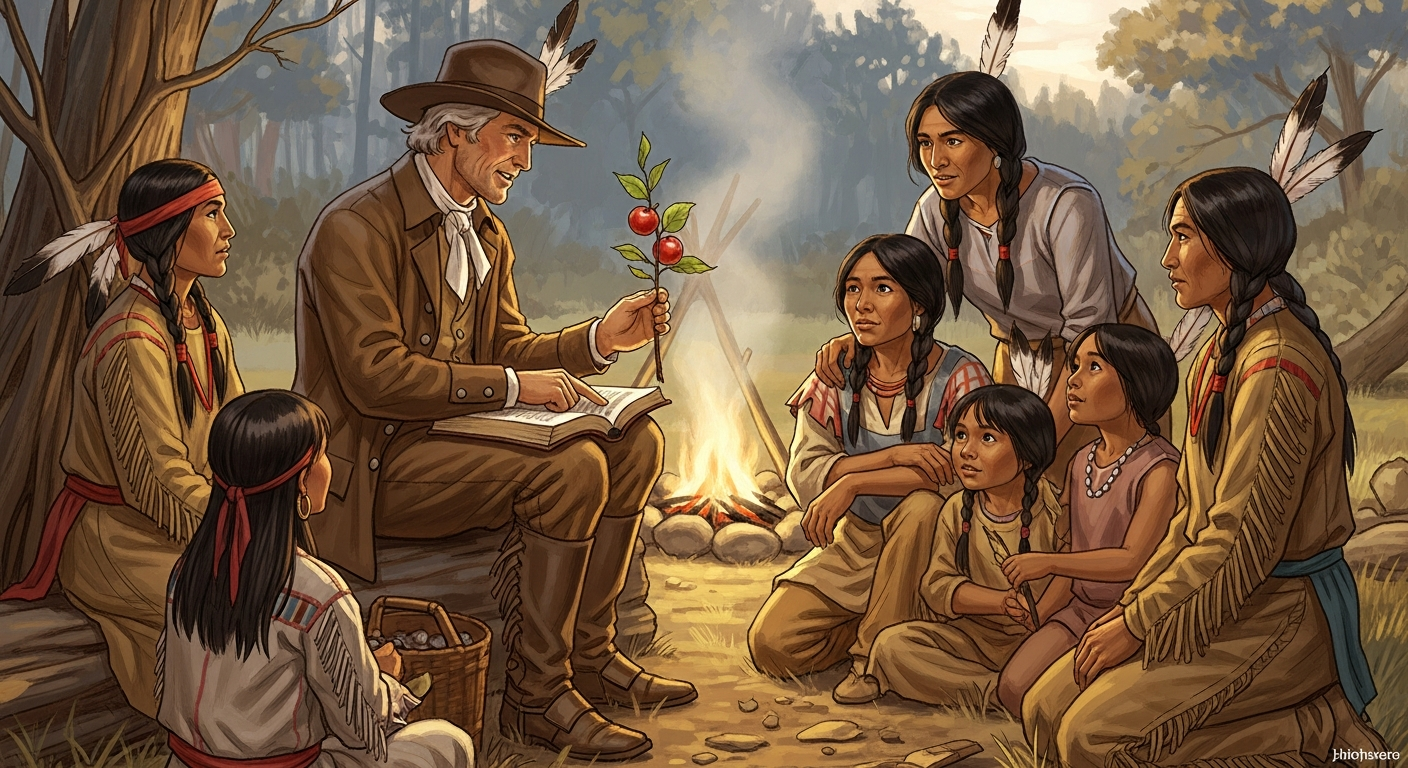
The Real Apples: Cider and Sustenance
Now, about those apples! Many envision sweet, crisp dessert apples, perfect for a picnic. But the apples Chapman planted were primarily tart, spit-out-your-teeth varieties. Why? Because they were destined for cider. In early America, ‘hard’ cider was a staple. Water quality could be questionable, but fermented cider was safe to drink and a crucial source of calories. It was also easier to store and transport than fresh fruit.
These apples were essential for:
- Cider Production: The primary use, both for drinking and as a base for vinegar.
- Preservation: Used to make apple butter, dried apple slices, and preserves, vital for surviving harsh winters.
- Animal Feed: Many apples not consumed by humans were fed to livestock, providing essential nutrition.
- Distillation: Applejack, a potent distilled spirit, was also a common product.
Chapman didn’t just provide fruit; he provided a cornerstone of frontier survival, economy, and hospitality. His apples fueled the westward movement, offering both sustenance and a taste of home in the rugged wilderness.
Folklore vs. Reality: Uncompromised Truth
Let’s lay out some of the common misconceptions and the illuminating truths about John Chapman:
| Aspect | Folklore Image | Historical Reality |
|---|---|---|
| Financial Status | Penniless vagabond | Wealthy landowner, owning over 1,200 acres at his death. |
| Planting Method | Randomly scattering seeds | Systematically establishing fenced nurseries, years ahead of settlers. |
| Apple Type | Sweet eating apples | Primarily tart cider apples, essential for drinks, preservation, and animal feed. |
| Motivation | Simple love of nature | A blend of spiritual conviction, shrewd business acumen, and a desire to aid settlement. |
| Education | Illiterate or unconcerned | Deeply religious, often shared books (especially the Bible) and encouraged literacy among frontier families. |
While the image of a bare-chested man with a saucepan for a hat and burlap sack clothing isn’t entirely false – he certainly lived a minimalist life – it misses the incredible depth of his character. He was a deeply religious man, an ardent missionary for his faith, and a carrier of literacy to isolated frontier children, often leaving behind pages from his Bible or other texts. He was a force for good, both spiritual and economic, a true architect of the American frontier.
Johnny Appleseed’s Legacy: A Checklist for Modern Community Building
What can we learn from John Chapman today? His story offers timeless lessons in foresight, community, and sustainable living:
- Look Ahead: Are we planning for the future needs of our communities, not just the present? Chapman planted for generations yet to come.
- Identify Core Needs: What are the fundamental ‘apples’ our community needs to thrive (e.g., green spaces, local food sources, accessible education)?
- Cultivate Peace: Are we fostering understanding and respect among all neighbors, regardless of background? Chapman’s relationships with Native nations are a model.
- Share Knowledge: Are we actively sharing resources and wisdom, just as he brought literacy and sustenance to the frontier?
- Live Simply, Act Profoundly: Can we achieve great things without great fanfare, focusing on impact rather than display?
- Connect with Nature: Are we preserving and nurturing the natural world around us, recognizing its vital role in our well-being?
Celebrating a Quiet Visionary
It’s remarkable, isn’t it, how a single individual, living a life of apparent simplicity, could leave such an indelible mark? John Chapman reminds us that true impact often comes not from grand pronouncements, but from consistent, thoughtful effort and a deep understanding of human needs.
This spirit of quiet perseverance, of nurturing growth and community, is something we deeply admire at The50 Store. That’s why I’m particularly fond of the Johnny Appleseed Nursery Co. Vintage Tee. It’s more than just a shirt; it’s a wearable homage to the quiet wanderer who planted harmony and orchards across our land. Featuring a beautiful vintage woodcut apple print on our premium combed cotton, it celebrates a man who truly cultivated America.
Wear it as a conversation starter, a nod to history, and a reminder of the extraordinary things one dedicated person can achieve. Let’s keep these stories alive, not just as folklore, but as vibrant, inspiring truths.
Until next time, keep those historical fires burning bright!
Arthur Vance