Icons & Symbols of America
The Symbols of the Great Seal: Unraveling the Secrets of America’s Founding Seal
The Cryptic Code of the Founders
Hello there, friend. Pull up a comfortable chair, pour yourself a warm cup of coffee, and let us talk about a piece of history that likely sits right inside your pocket. We live in a fast country. We are always rushing to work, hurrying to get the kids to school, and speeding toward the next big thing. In all that rushing, we sometimes forget to look at the small details of our daily lives. Take a moment today to slow down. I want you to grab a crisp one-dollar bill from your wallet and flip it over to the green side. Have you ever truly examined the art printed there?
On the back of that everyday piece of paper, you will see two prominent circles that look like they belong on an ancient parchment document. On the right side, a proud bald eagle holds a bundle of arrows and a delicate olive branch. On the left side, a sturdy stone pyramid rises beneath a glowing, solitary eye. These are not random decorations meant to simply fill up empty space. They are the highly deliberate Symbols of the Great Seal of the United States. Designed with painstaking care over six long years, these images serve as a master plan to clearly outline the American mission.
For generations, folks have wondered what these images actually mean. The situation is quite common. We see these symbols every time we buy a cup of coffee or leave a tip at the local diner. The complication arises because the passing of centuries has clouded our modern understanding. People invent wild theories about secret societies and hidden codes. This naturally leads to a vital question. What did our founding fathers actually want us to remember? The answer is not a secret conspiracy at all. The answer is a beautiful, open letter to future generations about hope, strength, and unwavering unity.
Let me share a surprising statistic to put this into perspective. According to the Federal Reserve, there are currently over fourteen billion one-dollar bills circulating around the globe. Despite this massive number, historians and numismatic experts estimate that fewer than five percent of Americans can accurately explain the meaning behind the symbols printed on them. It is quite literally a hidden truth hiding in plain sight. Today, we are going to rediscover that truth together. 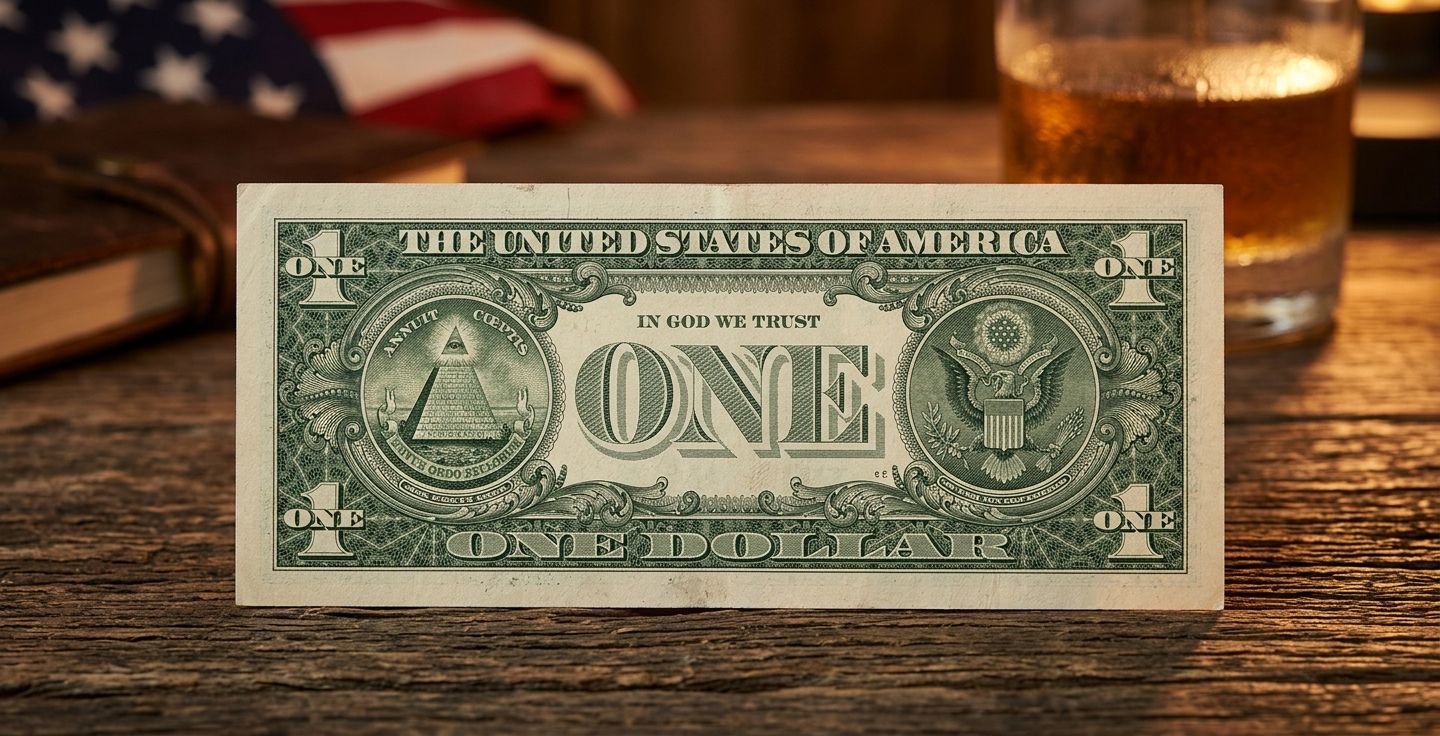

The 1776 Winners History Premium Tee
Wear your story with pride! Celebrate classic American values, history, and heritage with our premium crafted apparel, designed for comfort and durability.
Shop the Look →Deciphering the Seal
Part I: Day One Mission
Imagine the breathtaking scene. It is the late afternoon of July 4, 1776. The ink on the Declaration of Independence is practically still wet. The summer air inside Independence Hall, Philadelphia, PA is thick with humidity and the quiet, nervous thrill of rebellion. The brave men in that room had just birthed a brand new nation. But a nation needs more than a declaration. A nation needs a visual identity to show the world exactly who they are and what they stand for.
Before they even went home for supper that evening, the Continental Congress appointed a brilliant trio of patriots to design a national seal reflecting the core values of this bold republic. They wisely chose Benjamin Franklin (1706-1790), Thomas Jefferson (1743-1826), and John Adams (1735-1826) for the job.
Now, you might think a task like this would take a few weeks. In reality, it took three separate congressional committees and six entire years to finalize the seal in 1782. The founders rejected design after design. Some were too cluttered with Greek goddesses. Others looked too much like the royal crests of the European kings they were currently fighting. They needed something uniquely American.
To understand how it finally came together, we have to look at a small story concerning Charles Thomson (1729-1824). Thomson was an orphan from Ireland who immigrated to America as a young boy. He worked hard, became a school teacher, and eventually rose to become the steadfast Secretary of the Continental Congress. He was a man of such impeccable honesty that the local Delaware Indian tribes famously called him the man who tells the truth. In June of 1782, Congress handed the chaotic pile of rejected designs over to Thomson. In a matter of days, this practical, working-class manager took the best elements from the three failed committees, simplified them beautifully, and created the elegant design we still use today. It proves that sometimes it takes a grounded, hardworking American to finish the job the philosophers started.
Part II: The Eagle’s Choice
Let us look closely at the right side of the bill, which features the face of the seal. Here we see the proud American bald eagle. It was chosen because it is native to our land and represents supreme freedom. But pay very close attention to what the eagle is holding. In its right talon, it gently clutches a sturdy olive branch. The olive branch is an ancient, universally recognized symbol of peace. In its left talon, it grips a tight bundle of arrows, signifying military readiness and the solemn defense of liberty. 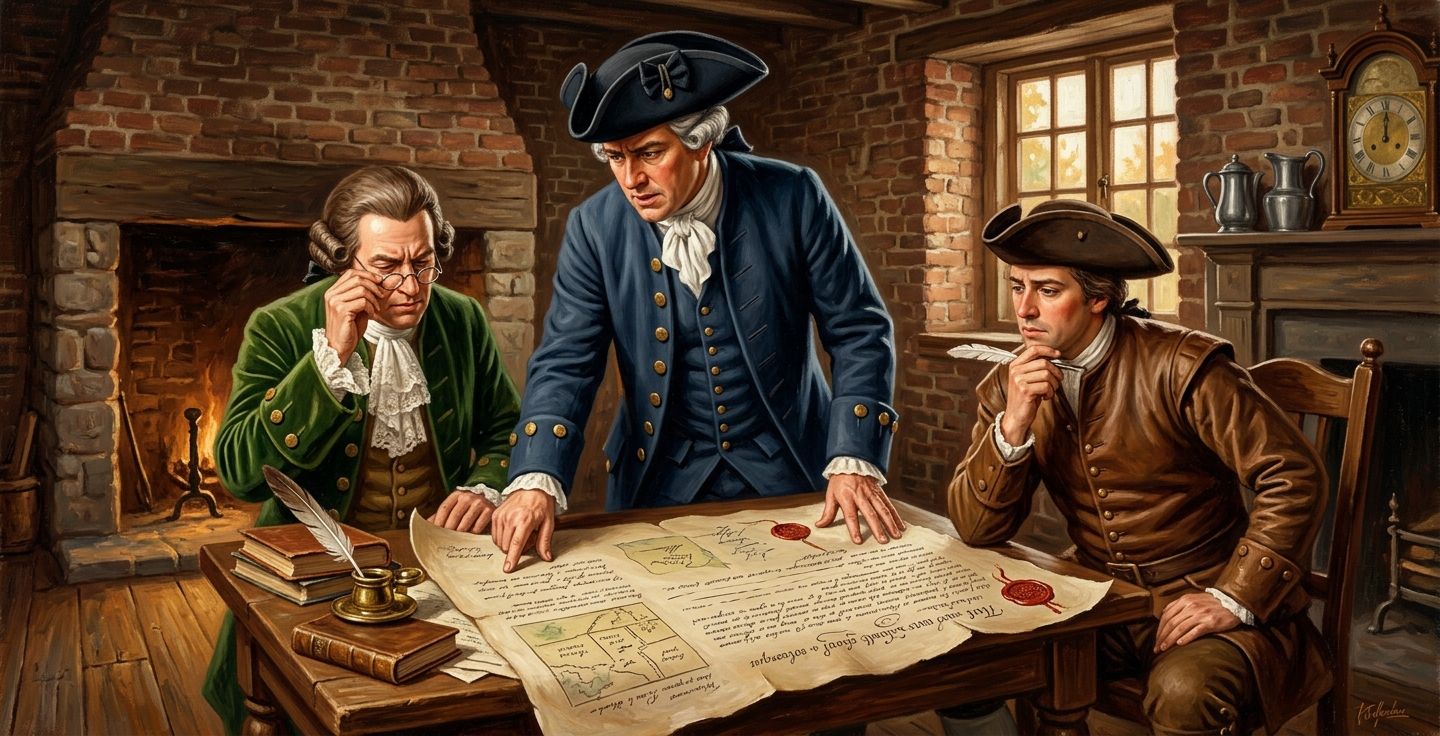
You will notice the number thirteen appears repeatedly in these designs. There are thirteen stars shining in the constellation above the eagle. There are thirteen stripes on the shield covering the eagle’s breast. The eagle holds thirteen arrows and an olive branch with exactly thirteen leaves and thirteen olives. This was a deliberate, heartfelt tribute to honor the original founding colonies who stood together against the most powerful empire on earth.
The true genius of the design, however, lies in the gaze of the eagle. The head of the eagle is turned toward the olive branch in its right talon. This was a highly specific instruction from the founders. It means that the United States of America will always prefer and look toward peace. We are a peaceful people by nature. Yet, we will forever hold the arrows of defense at the ready should our liberty be threatened. It is a warm, hopeful reminder that our ultimate national goal is always harmony.
Part III: The Unfinished Pyramid
Now, I invite you to turn your attention to the left circle. You will find a sturdy stone pyramid rising from the earth. If you take a moment to carefully count the steps, you will find exactly thirteen tiers of solid stone. This brings us to another fascinating micro-history regarding Francis Hopkinson (1737-1791). Hopkinson was a judge, a musician, and a signer of the Declaration from New Jersey. He was the man who originally proposed the pyramid design. He intended it to symbolize profound strength and duration. The founders wanted this new country to last as long as the great pyramids of Egypt. Interestingly, Hopkinson later billed Congress for his artistic work, playfully asking to be paid with a quarter cask of public wine. Congress politely declined the request.
When you look at the pyramid, you will immediately notice that the top is deliberately left unfinished. Why leave such a magnificent structure incomplete? Because America is a constant work in progress. The founders knew they were laying a solid, unshakeable foundation, but they intentionally left room for future generations to build upon it. We are always striving, always growing, and always working to build a more perfect union. It is a beautiful metaphor for citizenship.
Hovering gracefully above the flat top of the pyramid is the Eye of Providence. It is encased in a triangle and surrounded by brilliant rays of light. Hollywood movies often portray this as a spooky or sinister symbol. That could not be further from the truth. To the optimistic men and women of the eighteenth century, the open eye represented the watchful, protective care of a divine Creator. It was their humble way of saying that a higher power was looking out for this great American experiment. They knew they could not succeed alone.
Part IV: The Latin Mottos
Words matter deeply, and the founders chose their words with incredible care. Wrapped around these enduring images are Latin phrases that speak directly to the soul of our country.
In the beak of the eagle, a graceful banner flutters with the famous phrase E Pluribus Unum. Translated from Latin, it simply means out of many, one. Think about how truly beautiful that sentiment is. We are a vast nation of different states, different backgrounds, different faiths, and different dreams. We have bustling cities and quiet farming towns. Yet, we all come together to form one united, unstoppable family.
Above the unfinished pyramid, you will read the words Annuit Coeptis. This translates to he favors our undertakings. It was a profound, public statement of gratitude. The founders firmly believed that they could not have survived the brutal Revolutionary War without the grace and favor of heaven. It is a reminder to always remain humble and thankful for our blessings.
Directly below the pyramid sits the bold phrase Novus Ordo Seclorum, which translates to a new order of the ages. The birth of America was not just a simple change in local government. It was an entirely new chapter in human history. For the first time, ordinary people would rule themselves, completely free from the heavy hand of kings and tyrants.
The Conversion Bridge
Learning about these powerful symbols always fills my heart with a profound sense of gratitude. The founding generation left us a clear, beautiful map of their values. They wanted us to relentlessly seek peace, stay incredibly strong, trust in Providence, and remain firmly united as one people. These are not outdated concepts. They are exactly what we need today.
If you feel that same spark of hometown pride swelling in your chest, I invite you to proudly display these values. You do not have to keep a dollar bill folded in your pocket to remember who we are and where we came from. Allow me to introduce the Great Seal Commemorative Hoodie. Carry the timeless symbols of the founding generation. Crafted with premium, heavyweight cotton fleece that holds its shape for years, this garment is designed specifically for the proud patriot. It features a beautifully detailed crest of the eagle and the unfinished pyramid. The thick, comfortable fabric will keep you perfectly warm on a crisp autumn evening by the neighborhood fire pit, while the reinforced stitching ensures it lasts as long as the durable stone of the pyramid itself. When you wear it, you are sharing the triumphant story of our founding. Grab yours today and help keep the brilliant American spirit alive and well in your community.
Frequently Asked Questions
Now, I know some of you might still have a few questions swirling around in your minds. That is perfectly fine. I am always happy to clear things up for a neighbor. Let us answer some of the most common questions folks have about these historic images.
Why does the number thirteen appear so often on the seal?
The number thirteen is a very deliberate and respectful tribute to the original thirteen colonies that bravely declared independence from Great Britain. You will easily find thirteen stars above the eagle, thirteen vertical stripes on the shield, thirteen arrows in the talon, thirteen olive leaves, and thirteen steps on the stone pyramid.
Is the Eye of Providence a Masonic symbol?
No, it was not originally a Masonic symbol. While the Freemasons did eventually adopt the symbol later on, during the eighteenth century it was a very common Christian symbol representing the watchful and protective eye of God overseeing humanity.
Who finally approved the design of the Great Seal?
The Continental Congress officially approved the final design on June 20, 1782. This happened after Charles Thomson combined the very best elements from three previous committees into one clean, unified vision.
Why does the eagle have a shield with no supporters?
In traditional European heraldry, a shield is usually held up by two figures known as supporters. The American shield stands entirely on its own on the eagle’s breast. This was a clever way for the founders to state that the United States of America relies solely on its own virtue, not on the support of foreign kings.
What are the Roman numerals at the base of the pyramid?
If you look closely at the bottom tier of the pyramid, you will see the letters MDCCLXXVI. These are Roman numerals that proudly stand for the year 1776, the exact year we signed the Declaration of Independence.
Why did Benjamin Franklin originally want a wild turkey on the seal?
Benjamin Franklin playfully argued in a private letter to his daughter that the bald eagle possessed bad moral character because it stole fish from other birds. He felt the wild turkey was a much more respectable, native bird, though he never officially proposed it to Congress for the actual seal.
Where can I see the original Great Seal today?
The original die of the Great Seal is safely retired, but the modern version of the physical seal is securely kept at the United States Department of State in Washington D.C. It is still actively used today to seal important international treaties and official documents.