
Culture & Traditions
The Quilts of Gee’s Bend: Transforming Scraps of Fabric Into World Fine Art
Hello there, friend. If you have a moment to spare, pull up a chair, pour yourself a cup of coffee, and let me share a story that gets right to the heart of what makes our country so profoundly special. It is a story about warmth, about hope, and about the kind of quiet, steady patriotism that does not need a megaphone to be heard. We live in a fast-paced world, always rushing to the next big thing. But sometimes, the most magnificent treasures are found in the quietest corners of our great nation.
Down in an isolated bend of the Alabama River, a small community of African American women spent generations stitching quilts. They did not have access to fancy fabrics or imported silks from overseas. Instead, they used old overalls, faded corduroy scraps, and empty feed sacks. Today, those very same quilts are celebrated in major museums across the globe as some of the most striking fine art ever produced.
Let us look closely at the situation they faced. Deep in the rural South, the descendants of sharecroppers live in a remote, impoverished community called Gee’s Bend, Alabama. The complication of their story is one of severe isolation. For a long time, the wider world simply passed them by. Winters down there can be brutally damp and bitterly cold, and resources were painfully scarce. This brings us to a beautiful question. How does a community with practically nothing create masterpieces that rival the greatest modern artists in history? The answer is as American as it gets. By relying on one another, trusting their own hardworking hands, and letting their deeply rooted faith guide the needle.
Stitched from Necessity, Built for Beauty
Part I: The Isolated Bend
If you look at a map, you will see exactly why this place is so unique. The Alabama River curves sharply around the land almost completely, creating a natural moat of deep water. This deep geographic isolation meant the people had to rely heavily on one another just to survive. The soil there holds generations of memories, of cotton plants and intense, backbreaking physical labor.
According to agricultural census data carefully recorded by the Farm Security Administration in the 1930s, the average family in Gee’s Bend earned barely over one hundred dollars for an entire year of labor. That is a staggering statistic that shows the immense financial hardship they endured. Yet, if you look closely at their lives, you will not just see poverty. You will see an incredible abundance of resilience, joy, and spiritual wealth. They leaned on their faith and their neighbors. When the dirt roads were too muddy to travel and the local ferry was shut down, they built their own world right there on the riverbank. 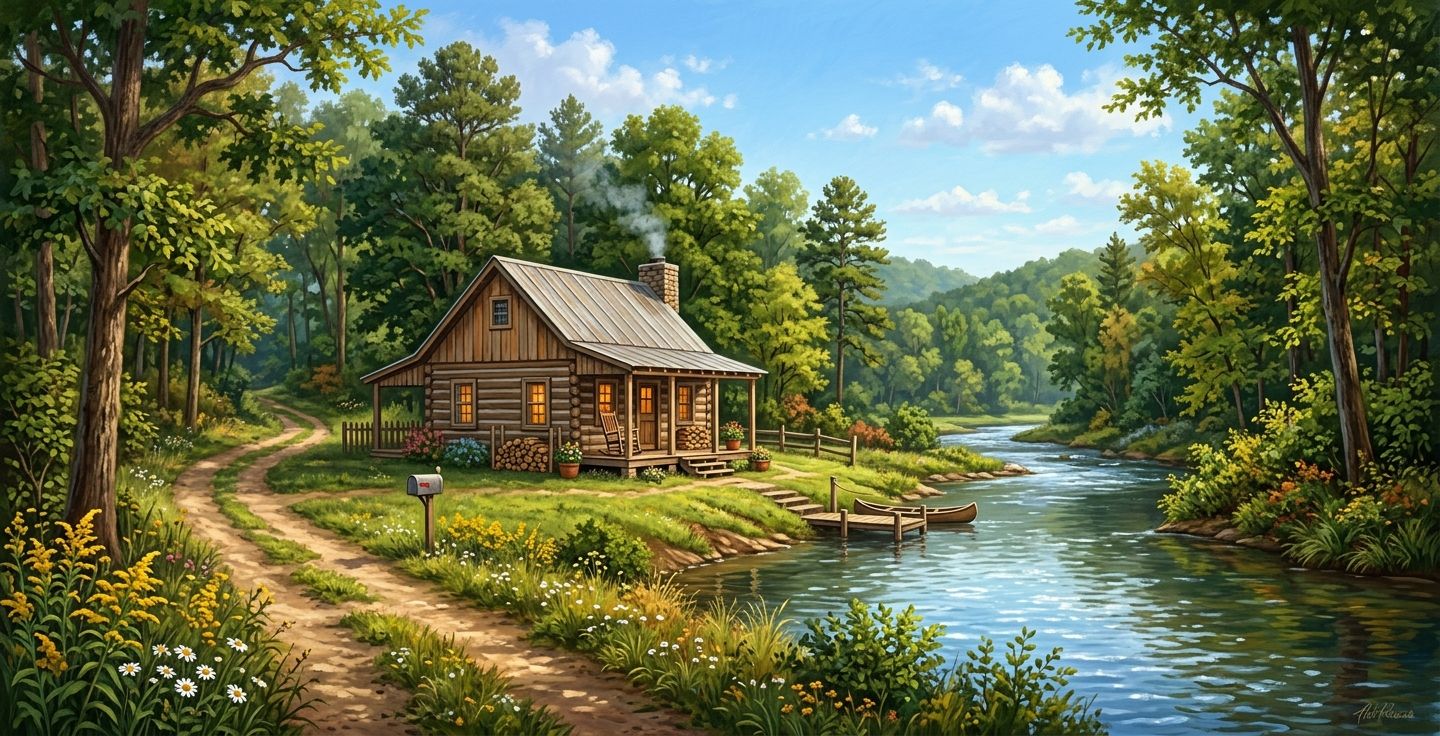
Part II: Keeping Warm, Creating Art
Winter in an unheated wooden cabin is a harsh, unforgiving reality. The cold wind finds every tiny crack in the wooden walls, whistling through the floorboards at night. To keep their children safe and warm, the mothers and grandmothers of the bend had to be incredibly resourceful. There were no department stores nearby, and certainly no extra money to buy thick woolen blankets.
They turned to the materials they had right there on the farm. Many of the most famous quilts were made of worn denim from farmers’ work pants. These materials carried the physical history of labor within every single fiber. You could see the faded, worn-out knees where a man had knelt in the red dirt to plant seeds. You could see the frayed pockets that once held a few hard-earned coins or a trusted pocketknife. The fabric was heavy, incredibly durable, and infused with the spirit of hard, honest work.
Take a moment to remember the inspiring story of Arlonzia Pettway (1923-2008). She grew up watching the older women gather around the large wooden quilting frame in the front room. She remembered how her mother and her neighbors would salvage every single scrap of cloth, knowing full well that nothing could ever go to waste in their household. A torn work shirt or a hopelessly stained dress was not considered trash. It was the humble beginning of a brand new, heavy blanket to keep a child entirely safe from the freezing night air. They sewed love and survival into every single stitch.
Part III: The Improvised Design
Most traditional American quilting follows very strict, mathematical patterns. You might have seen the famous Nine Patch or the intricate Flying Geese patterns at a local county fair. But the women of Gee’s Bend did not have uniformly cut squares of fresh calico cotton. They had odd, irregular scraps. Furthermore, they simply did not want to be tied down by strict, rigid rules.
So, they completely tore up the rulebook. They broke away from traditional expectations to create bold, abstract, and deeply personal geometric masterpieces. It was like a form of visual jazz music playing out on the fabric. They improvised. They played with vivid colors and unusual shapes in a way that felt entirely free and joyous. If a piece of blue corduroy ran out, they would just sew in a piece of red flannel.
Consider the brilliant mind of Annie Mae Young (1928-2012). She would piece together wide strips of faded work clothes, creating large, striking blocks of color that seemed to vibrate with raw energy. She did not use a plastic ruler or a store-bought stencil to guide her hands. She used her own highly trained eyes and her expressive heart. The result was pure, unbridled creativity. No two quilts were ever alike, because no two lives or experiences were exactly alike.
Part IV: The World Takes Notice
For many decades, these vibrant creations stayed exactly where they were most needed. They rested quietly on worn beds, they hung out on wire clotheslines to dry in the southern sun, and they kept generations of hardworking families comfortable. But true, undeniable brilliance is very hard to hide forever. 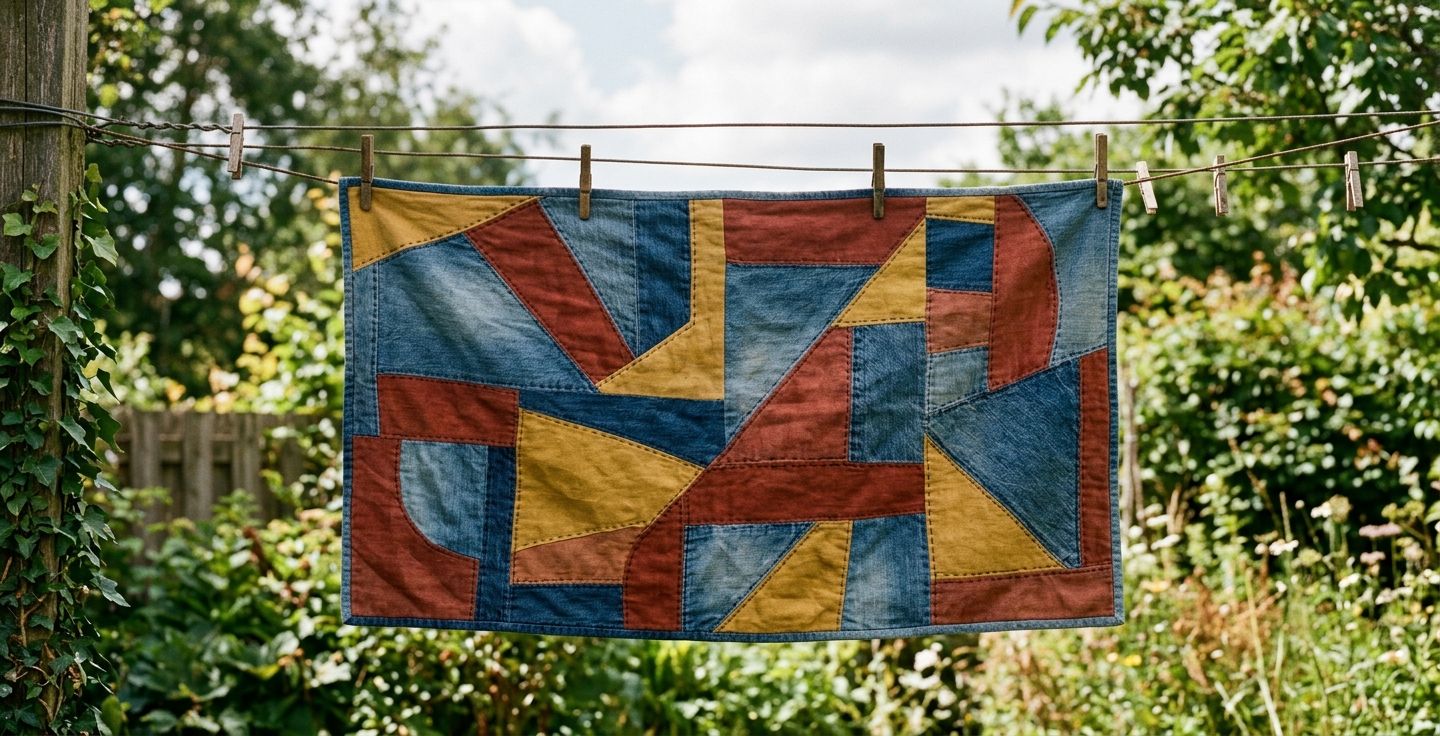
In the late 1990s, an art collector named William Arnett happened to see a photograph of one of these magnificent pieces. He was so moved that he drove all the way down the dusty roads to the bend to see them for himself. He recognized immediately that these were not just charming country blankets. They were profound, highly sophisticated works of art.
Soon enough, these humble, handmade creations traveled all the way from rural Alabama to the grand, polished halls of the Metropolitan Museum of Art in New York City. Wealthy art critics and historians were absolutely astounded by what they saw hanging on the pristine white walls. They constantly compared the bold, striking designs to the celebrated works of famous modern painters like Henri Matisse and Paul Klee. This stunning public revelation completely redefined modern textile history. The global art world finally realized that some of the absolute greatest artists of our time were African American women quietly stitching by warm kerosene light in the rural American South.
A Living Heritage That Warms Our Hearts Today
The absolute most beautiful part of this entire story is that it is still being actively written today. This is not just dusty history trapped in a textbook. It is a vibrant, living heritage. The rich quilting tradition continues right now, passed down lovingly from devoted grandmothers to eager granddaughters sitting on the very same porches.
Remarkable women like Mary Lee Bendolph (1935-present) have traveled all across the country, generously sharing their remarkable skills and their deeply personal stories with new generations. They constantly remind us that true, lasting art does not require formal academic training or expensive, imported supplies. It merely requires an open heart, a willing pair of hands, and the courage to try something completely new.
These stunning Gee’s Bend quilts stand out as a shining, permanent example of raw American ingenuity. They remind us, in the most beautiful way possible, that we can take the leftover, frayed scraps of our lives and sew them together into something totally breathtaking.
Wear the Heritage and Carry the Story Forward
When we pause to celebrate these incredible women, we honor the very best of American folk art. We remember that our great country was largely built by everyday, hardworking people doing totally extraordinary things with whatever humble tools they had at their disposal.
If this wonderful story moves you even half as much as it moves me, you might want to keep a piece of that strong, enduring spirit close by your side. Take a look at our Gee’s Bend Heritage Abstract Tee. Wear a tribute to true American folk art and resilience. Features clean, bold vector representations printed on premium, breathable combed cotton. It is an absolutely wonderful way to spark meaningful conversations and share this beautiful slice of American history with everyone you meet at the grocery store, the park, or the family barbecue.
Frequently Asked Questions
Over the years, as I have shared this beautiful story with my own family and friends, I have found that people naturally have a lot of questions. This incredible slice of our national history is so fascinating that it always sparks a strong desire to learn more. Below, I have put together some common questions folks often ask about this wonderful community and their absolutely incredible artwork. I truly hope these simple answers bring you even more joy, deeper understanding, and a greater appreciation for the everyday heroes who helped shape our cultural landscape.
Where exactly is Gee’s Bend located?
Gee’s Bend is a small rural community nestled in a sharp curve of the Alabama River in Wilcox County Alabama. The river creates a natural boundary that isolated the area for many decades. This profound geographic isolation is a major reason why the tight knit community maintained such unique cultural traditions including their famous improvisational quilting style that has now captured the attention of art lovers everywhere.
What makes these quilts different from traditional American quilts?
Most traditional quilting relies heavily on strict symmetry precise measurements and formal well known patterns passed down through pattern books. The quilters of Gee’s Bend however relied entirely on their own intuition and incredible resourcefulness. They used irregular scraps of old clothing to create bold abstract asymmetrical designs. They focused entirely on striking color combinations and personal expression rather than rigid rules resulting in brilliant works of modern geometric art.
Are the women of Gee’s Bend still making quilts today?
Yes they absolutely are! The beautiful quilting tradition in Gee’s Bend is a thriving living heritage. Today the daughters granddaughters and great granddaughters of the original quilters are still actively sewing. Many proudly belong to the Gee’s Bend Quilters Collective an organization that helps market their wonderful work and preserve their rich history. They continue to create stunning new pieces while keeping their ancestral techniques alive and well.
Where can I see a Gee’s Bend quilt in person today?
You can view these incredible works of art in several major museums across the United States. Following their highly successful discovery in the late 1990s the quilts have been acquired by prestigious institutions like the Metropolitan Museum of Art in New York the Museum of Fine Arts in Houston and the Philadelphia Museum of Art. Many regional galleries and exciting traveling exhibitions also proudly display these magnificent pieces.
How did the community of Gee’s Bend survive such difficult economic times?
The hardworking people of Gee’s Bend survived through an unbreakable sense of community deep religious faith and incredible self reliance. As descendants of sharecroppers facing severe poverty and unfair discrimination they grew their own food built their own solid homes and made their own warm clothes. When the outside world ignored them they leaned on each other. Their quilts are a perfect physical representation of this powerful survival spirit turning literal scraps of discarded material into something completely essential beautiful and enduring.