
American Lifestyle
Why Coffee Is Part of the American Workday
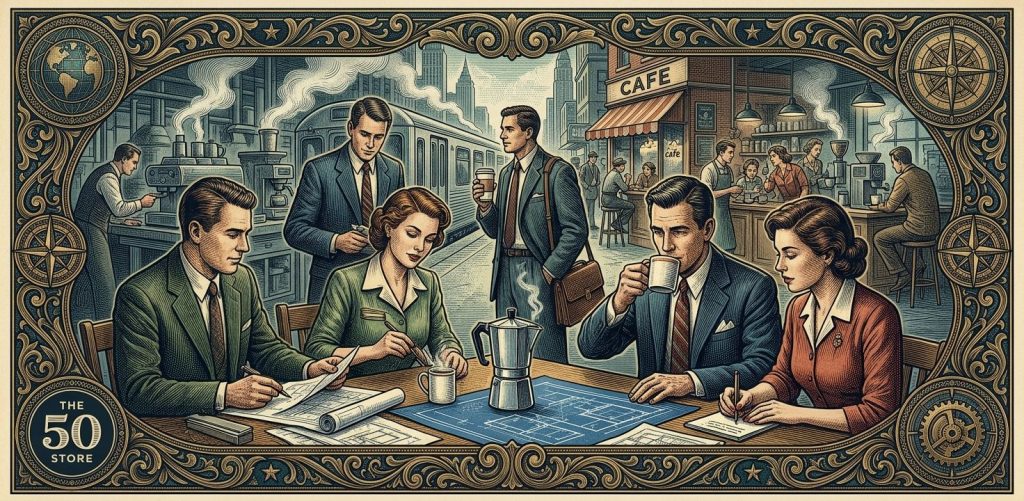
The Dawn of Our Daily Grind
The dawn breaks quietly over this vast, beautiful land. Long before the sun crests the horizon, before the yellow school buses begin their morning routes, and before the city streets fill with the hum of early traffic, there is a singular, uniting sound. It is the soft click of a kitchen switch, the striking of a match against a stove, the gentle hiss of warming water. It is the brewing of coffee. The American workday is a formidable, awe-inspiring thing. It always has been. It demands our sharpest minds, our strongest backs, and our most resilient spirits. From the bustling harbors of the East Coast to the sprawling, sun-drenched tech campuses out West, the sheer effort required to keep this nation moving forward is staggering. That is the situation we have always found ourselves in as a people. We are a nation characterized by our intense labor, our continuous innovation, and our unrelenting ambition.
But here lies the complication, plain and simple. Human energy is a finite resource. The body grows weary. The muscles ache. The mind clouds over as the afternoon shadows lengthen. We asked ordinary men and women to conquer a continent, to lay down thousands of miles of steel track, to build skyscrapers that scraped the heavens, and to innovate in ways the world had never seen. How, then, have we managed to sustain this relentless pace for centuries? How did we fuel the westward expansion, the industrial booms, the late nights studying for exams, and the early mornings tending to the fields? What kept the solitary night watchman alert and the assembly line worker focused when exhaustion threatened to pull them under?
A Simple Seed for a Growing Nation
It is a question worth pondering as you hold your warm mug tomorrow morning. How did a simple, bitter little seed from across the ocean become the very fuel of our national progress? How did it become so deeply ingrained in who we are?
The answer is literally brewed into our shared history. To truly appreciate this profound love affair, we must look at the numbers. You might be surprised to learn that the National Coffee Association recently reported that sixty-six percent of American adults drink coffee every single day. We are currently consuming more of it on a daily basis than plain tap water. Across our fifty states, we pour over four hundred million cups every single day. The Harvard School of Public Health published a fascinating study showing that folks who drink a few cups a day actually experience lower risks of several chronic diseases. They found it can improve our daily mood and enhance overall cognitive function. It turns out, that dark liquid sitting in your favorite mug is not just a comforting morning ritual. It is a statistical marvel of human endurance and health.
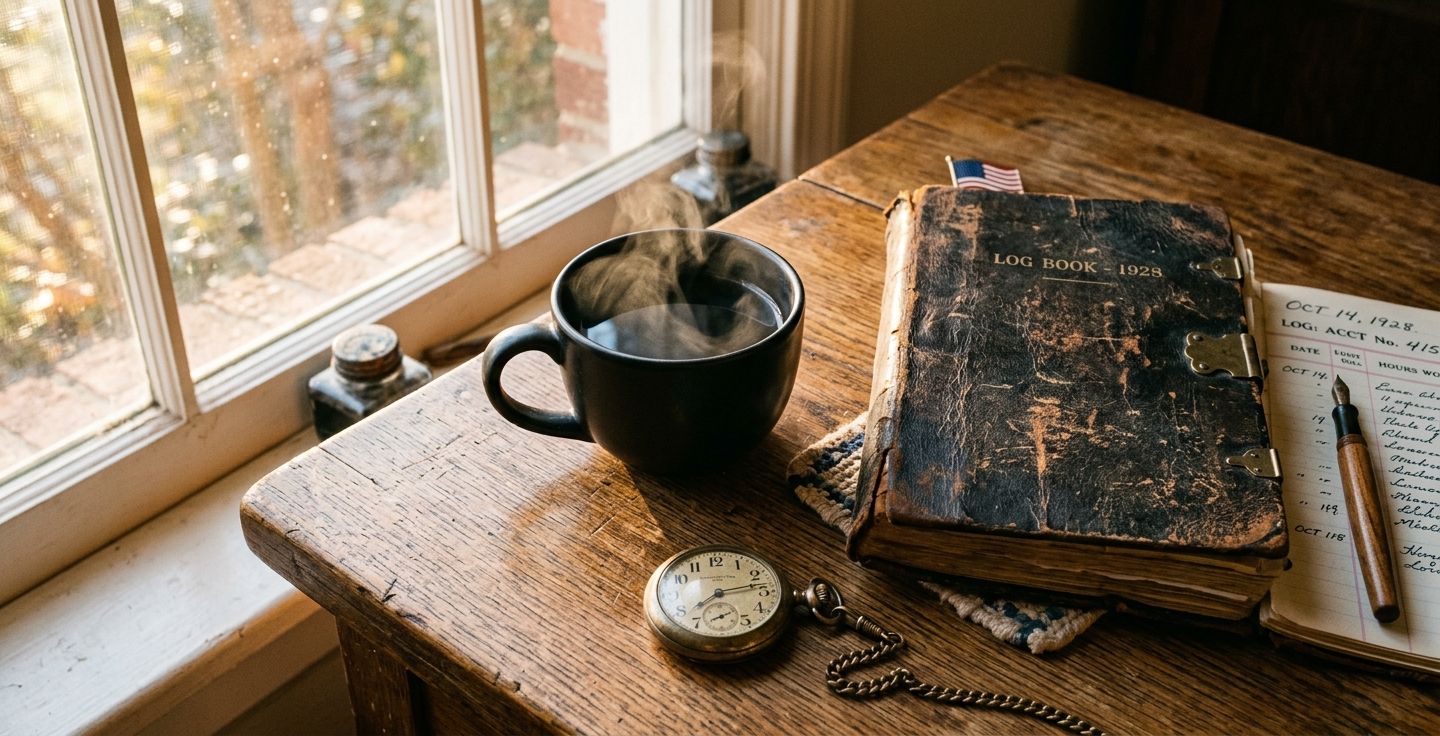
A Cup of Patriotism
The roots of this deep affection go all the way back to the very founding of our country. After a certain famous incident in Boston, Massachusetts, sipping tea was viewed with great suspicion. It was seen as a drink of the old empire, a symbol of taxation without representation. Coffee quickly became the beverage of the true patriot. Thomas Jefferson (1743-1826) famously declared coffee the favorite drink of the civilized world. He would certainly know, having spent considerable time and personal resources importing and savoring the finest beans he could find. And Abigail Adams (1744-1818) wrote thoughtful letters to her husband detailing the rapid shift in colonial tastes, as everyday folks eagerly sought out coffee beans instead of tea leaves to show their unwavering support for the revolution.
The Genius of John Arbuckle
But the true story of how coffee transitioned from a parlor luxury to a daily necessity for the working citizen is a tale of practical ingenuity. Let me take you on a little journey back in time. Picture the noisy, bustling cobblestone streets of Brooklyn, New York in the late nineteenth century. The air there was thick with the smell of industry, salt water from the East River, and the sweat of a rapidly growing city. Back then, preparing a cup of coffee was an arduous, frustrating chore. You had to buy raw, green beans and roast them yourself in a heavy iron skillet over an open flame. It required constant, undivided attention. Turn your back for a moment to tend to a child or stir the porridge, and your breakfast was ruined. The beans would burn black, tasting like ash and bitter smoke.
Then came a thoughtful, inventive gentleman named John Arbuckle (1839-1912). John was a man who truly understood the practical needs of hardworking people. He developed a remarkable machine that could roast coffee beans uniformly in massive quantities. More importantly, he figured out how to package them in convenient one-pound paper bags, sealing in the freshness with a sweet glaze of egg and sugar. He named his special blend Ariosa. Suddenly, the game changed entirely.
The weary cowboy, riding the lonely, dusty trails out West, could toss a durable paper bag of Arbuckle into his saddlebag or the back of the chuckwagon. The textile worker could brew a reliable, robust cup before walking into a grueling twelve-hour shift at the bustling mill. John Arbuckle did not just sell roasted beans. He sold accessible, reliable caffeine to the masses. He directly fueled the working class. One small paper bag at a time, he gently altered the rhythm of our labor. The world moved on. The heavy gears of industry turned. We kept pouring.
The Ritual of the Pause
As the long decades rolled on, the very nature of our hard work began to shift and evolve. We transitioned from pushing heavy plows on expansive family farms to operating massive machinery in roaring factories. Eventually, we moved from those noisy factory floors to sitting at modern desks in towering office buildings made of sparkling glass and steel. The physical demands of the plow were replaced by the intense mental demands of the modern economy. But despite these massive changes in how we earned our daily bread, the deeply rooted human need for a moment of peace only grew stronger. We still needed that reliable anchor in the middle of a chaotic day.
In the mid-twentieth century, a brilliant, compassionate concept took firm root in the American consciousness. The official coffee break. It was considered a somewhat radical idea at first. Paying workers to stop working for fifteen whole minutes? Business owners were understandably skeptical. But the results were absolutely undeniable. When people stepped away from their desks or their assembly stations to sip a warm cup, a wonderful thing happened. Productivity did not drop. It soared. A rested mind is a far more capable mind. A refreshed spirit works with much greater care and purpose.
The Modern Water Cooler
It soon became a protected, cherished daily ritual. It was enshrined in fair labor laws and written into countless union contracts. It fostered a vibrant, enduring coffee culture within the very walls of our busy workplaces. The office coffee pot became the gathering place, the modern-day village well. It was the great equalizer. The company president and the junior clerk could stand side by side, united by the simple, human need for a warm refill. It was a safe, quiet space to ask about a sick child at home, to celebrate a small personal victory, or to simply take a deep, steadying breath before diving back into the fray of the day.
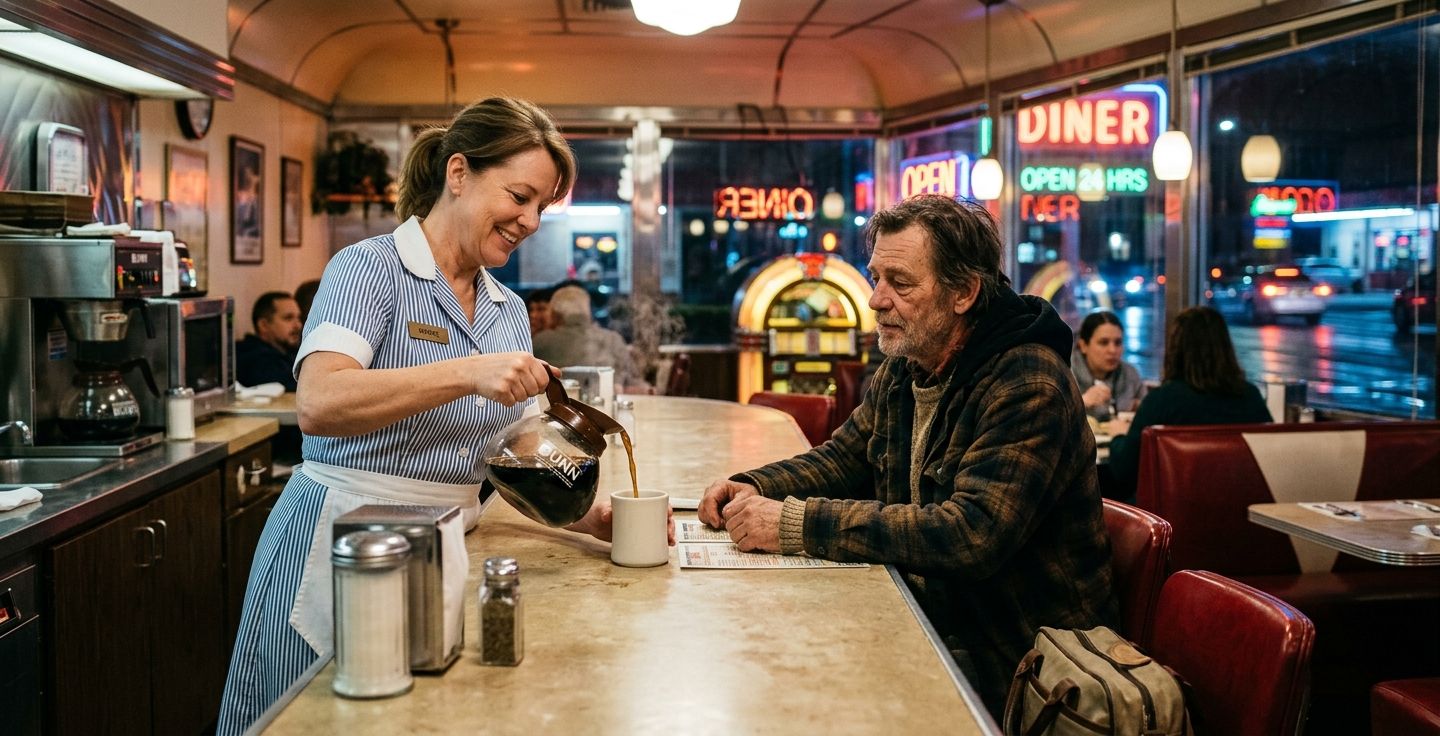
Think about the humble diners scattered along Route 66. Picture the warm glow of a neon sign cutting through the dark night of the western desert. The weary truck driver and the exhausted traveling salesman sitting quietly together at the long counter. The kind waitress pouring a steady stream of black coffee from a heavy glass carafe. That cup of coffee was much more than a simple drink. It was a promise that you could keep going. It was a comforting reminder that no matter how far you traveled, you could always find a small taste of home.
Looking Ahead with Hope
Now, I look at the young folks today, and my old heart swells with pride. You are navigating a world that moves at a dizzying, unprecedented speed. Your phones buzz constantly with news from across the globe. Your digital inboxes are never empty. The heavy demands on your time and your attention seem infinite. Sometimes, I know it must feel incredibly overwhelming to carry the weight of this modern era.
But I see you walking down the street, holding those iced lattes, those cold brews, those beautifully crafted cappuccinos. And I cannot help but smile. Because beneath the modern flair, beneath the fancy syrups and the alternative milks, the essence remains exactly the same. You are faithfully carrying on a grand, enduring tradition. You are seeking that same vital spark of energy, that same quiet moment of clarity, that generations of Americans before you sought.
The next time you sit down at your desk with your morning brew, I want you to pause. Just for a second. Put the phone down. Feel the comforting warmth of the ceramic mug in your hands, or the refreshing chill of the ice against your palm. Take a deep, slow breath. Recognize that you are part of a long, proud line of builders, thinkers, and dreamers who relied on this very simple pleasure to get through their hardest days.
Offer to buy a cup for a younger colleague who looks like they are struggling. Share a genuine, warm smile with the hardworking person behind the counter. Pass on that enduring warmth. The daunting challenges of tomorrow will be met and overcome just as the immense challenges of yesterday were. With steadfast determination, with grace, with mutual support, and with a good, strong cup of coffee. The future is incredibly bright, my friends. It rests in very capable hands. We just need to stay awake to see it unfold.
What a great article, and a truly important part of our lives to bring to our attention. I love the statement here, “Choosing coffee became a quiet but powerful act of everyday rebellion.” Fun to read! Thank you!
Thank you Lisa, your words encouraged us so much.