
Culture & Traditions
The American Sunday Dinner: How a Simple Feast Anchored a Century of Home Life
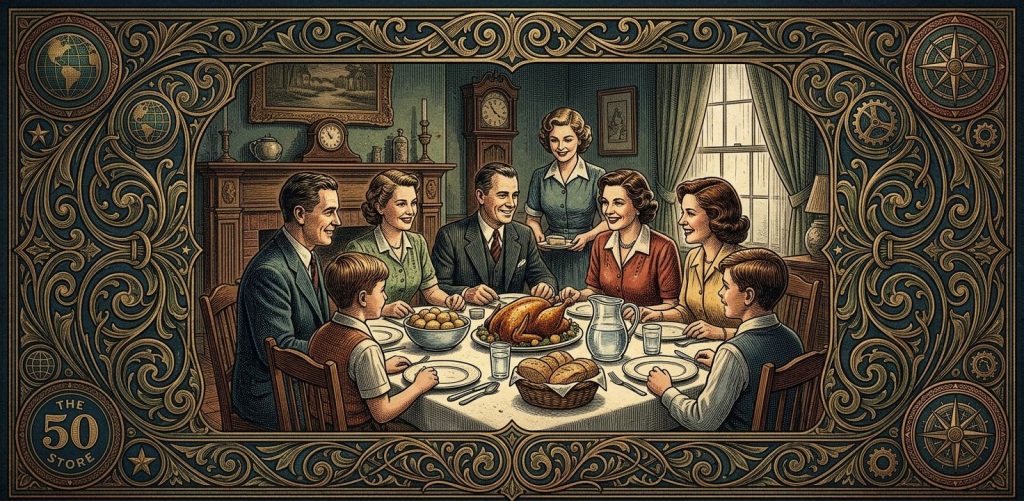
The Simple Feast That Held Us Together
Before smart screens dominated our evening hours and busy schedules dictated our every waking moment, the American Sunday Dinner was a weekly anchor. It was the one afternoon where the stove stayed warm all day long. The heavy ceramic plates were brought out from the high cupboards, and generations gathered to share a simple feast. When I look back on my own childhood, growing up in a modest neighborhood right here in the heartland, Sunday was not just another day on the calendar. It was a true event. It was a profound feeling of belonging. You could walk down any sidewalk in our town at three in the afternoon and smell the distinct, savory aromas drifting from every screen door. There was the undeniable scent of roast beef, slowly cooking chicken, simmering brown gravy, and fresh yeast rolls baking to golden perfection.
This was a time when the kitchen was undeniably the center of the universe. The dining table was the supreme gathering place for folks of all ages. We always set the table with durable, heavy heirloom stoneware that had been lovingly passed down from our grandparents. We carefully smoothed out the delicate, hand-woven tablecloths that our mothers saved specifically for special occasions. Those small acts of deliberate preparation were our quiet way of showing respect for the food, for the holy day of rest, and for each other.
The Weekly Hearth of the Home
The Industrial Shift
The story of the Sunday dinner is deeply intertwined with the story of America navigating rapid change. At the dawn of the twentieth century, our great nation experienced a massive industrial shift. Factories, steel mills, and bustling city offices began to pull family members in entirely different directions. In the old agrarian days, farming families worked the fields together and typically ate three meals a day at the exact same wooden table. But as our cities rapidly expanded, the daily routine fractured.
Consider the story of a typical working family in Chicago, Illinois during the roaring 1920s. Let us call them the O’Malleys. The father worked long, grueling shifts at the meatpacking plants. The older children took part-time jobs in local retail shops or spent long hours traveling to the sprawling new public high schools. From Monday through Saturday, their brick row house was a revolving door. People ate in a hurried frenzy. They grabbed a cold biscuit or a quick bowl of soup before running out the door into the cold wind. This was the situation for millions. The complication of modern industry threatened to completely unravel the tight-knit American family. The pressing question for families like the O’Malleys was how to stay connected when the modern world was spinning faster than ever before.
The beautiful answer they found was the Sunday meal. Sunday remained the sacred day of rest. Industrial titans like Henry Ford (1863-1947) eventually standardized the five-day workweek, giving families more time at home. But even before that, Sunday was fiercely protected by the working class. It was the weekly reset button. The historical importance of this gathering cannot be overstated. According to historical data from family sociology researchers, during the peak of this tradition in the mid-twentieth century, nearly eighty percent of American households sat down together for a unified evening meal. Today, modern surveys from groups like the Family Meals Project suggest that less than thirty percent of families manage a regular dinner without the interruption of digital devices. That staggering statistic highlights exactly what we have lost in our pursuit of progress.
Preparing the Feast
{VIS_1}
Preparing this Sunday meal was a genuine act of love that required time, patience, and a generous amount of butter. The beautiful ritual usually began early in the morning, long before the neighborhood church bells rang out. A mother or grandmother would rise with the sun to get the meat properly seasoned and into the hot oven. We are talking about classic, slow-roasted beef that cooked at a gentle, low temperature for hours. This method filled the entire house with a rich, savory scent that made your mouth water before you even finished your morning coffee.
The bustling kitchen was a lively symphony of rich sensory details. There was the rhythmic chopping of carrots, onions, and potatoes on a scarred wooden block. There was the loud hiss of salted water boiling for sweet summer corn. There was the unmistakable, yeasty scent of freshly baked rolls rising in a warm corner near the stove. And of course, there was the musical clinking of glassware as children were tasked with setting the dining room table. Every family had their designated chores and duties. You learned personal responsibility by making sure the water glasses were filled to the brim and the polished silverware was perfectly straight.
There was something incredibly grounding about using those heavy stoneware plates week after week. They were not fragile or overly delicate. They were built to last through decades of use, much like the resilient families who owned them. You could hear the satisfying scrape of a metal fork against the thick, glazed ceramic. You could feel the soft, familiar texture of the hand-woven tablecloths beneath your resting wrists. These household items were deeply cherished by everyone. They were not locked away in a dusty glass display case. They were lived with, loved, and utilized every weekend to create a welcoming family hearth.
Gathering the Generations
When the hot food was finally ready to be served, the true magic happened. Grandparents, parents, children, aunts, uncles, and sometimes lucky neighborhood friends all sat around a single shared table. This was never a quick fifteen-minute affair. The hearty meal stretched on for hours. People eagerly took second helpings of mashed potatoes and green beans. They leaned back comfortably in their wooden chairs. They poured another steaming cup of black coffee to enjoy with a generous slice of homemade cherry pie.
This joyful gathering was our ultimate cultural anchor. The Sunday dinner was historically the primary event where family oral histories and foundational life values were successfully passed down to growing children. Long before social media feeds kept us artificially updated on everyone we knew, the Sunday table was the original, authentic news source. This was exactly where you heard about the new family moving in down the street, or how the local high school baseball team performed on Friday night.
It was also the safe place where grandfathers told fascinating stories of the old days. Children sat quietly at the edge of their seats, listening to true tales of past hardship, ultimate triumph, and everyday humor. These rich stories actively shaped our identities. They taught us the value of hard work and resilience. They taught us that we belonged to a community and a lineage much larger than ourselves. Through loud laughter, occasional friendly bickering, and passed plates of warm food, we learned how to converse, how to actively listen, and how to be decent, honorable citizens. The legendary American illustrator Norman Rockwell (1894-1978) captured this exact sentiment perfectly in his famous artwork. He showed the entire nation that the simple act of passing a heavy platter of roasted meat was profoundly beautiful and universally understood.
A Tradition Worth Saving
As the busy decades rolled by, the general pace of American life continued to steadily accelerate. The convenient invention of the microwave oven, the rapid rise of dual-income households, and the massive explosion of traveling youth sports leagues slowly chipped away at our sacred Sunday afternoons. Today, far too many families find themselves eating in completely separate rooms or grabbing fast food in a drive-through lane between weekend soccer games.
But deep down in our hearts, I truly believe we are all craving a deliberate return to that collective pause. We are hungry for much more than just quick calories. We are emotionally starving for real connection. Taking a deliberate pause for a shared meal is more critical today than ever before. We live in a frantic era of constant digital distraction and endless notifications. The remarkably simple act of putting our phones away in a drawer, turning off the loud television, and looking at each other directly across a table is almost an act of beautiful, necessary rebellion.
It is absolutely never too late to revive this wonderful tradition in your own home. You do not need to cook a complicated, extravagant meal to make it happen. The specific menu is far less important than the company you keep. You could serve a simple pot of spaghetti, a humble chicken casserole, or even a stack of warm pancakes. What truly matters is the intentional, dedicated gathering. What matters is taking out those heavy ceramic plates, sitting down with the people you love the most, and sincerely asking them about their week.
Relax in Comfort
{VIS_2}
We must hold tightly onto the warmth, the enduring hope, and the deep-seated patriotism of a strong American home. A strong, resilient country always starts with strong, loving families, and strong families are happily built around the familiar dinner table. When we commit to slowing our lives down for just one afternoon a week, we actively honor the hardworking generations who came before us. We gladly provide our children with a solid moral foundation they will stand upon for the rest of their lives.
To help you beautifully remember this wonderful heritage, we have created something incredibly special for you to wear. Relax in comfort with our exclusive American Sunday Dinner Vintage Tee. Made from premium combed ring-spun cotton that feels like a warm Sunday afternoon with the family, this incredibly soft shirt is a gentle daily reminder of what truly matters in life. Wear it on your casual weekend errands, or put it on while you are happily simmering your own Sunday roast in the kitchen. Let it continually inspire you to gather your loved ones, turn off the glowing screens, and joyfully set the table.
What is the history behind the American Sunday Dinner?
The tradition traces back to early agrarian days but became particularly vital during the industrial era. As factory jobs pulled families apart during the week, Sunday remained the sole day of rest, making the large afternoon meal a crucial time to reconnect.
Why did families use heirloom stoneware for these meals?
Heirloom stoneware was durable, heavy, and built to last through decades of continuous use. Using these cherished plates elevated the weekly meal from a basic necessity to a celebrated family event that honored past generations.
How does the Sunday dinner serve as a cultural anchor?
Historically, this weekly gathering was the primary setting where family oral histories, local community news, and foundational moral values were passed down from elders to children without modern distractions.
What foods were traditionally served at a Sunday dinner?
Traditional menus often featured slow-roasted meats like beef or whole chicken, accompanied by hearty side dishes like mashed potatoes, green beans, sweet corn, and freshly baked yeast rolls.
Why has the tradition of the Sunday family meal declined?
The decline is largely due to the rapid acceleration of modern life. Factors like the rise of dual-income households, traveling youth sports, and the constant distraction of digital smart screens have fragmented family schedules.
How can modern families revive the Sunday dinner tradition?
Families can revive the tradition by intentionally blocking out time on Sunday afternoon, putting away all digital devices, and focusing on shared conversation. The actual menu is far less important than the commitment to gather together.
What is the American Sunday Dinner Vintage Tee made of?
The American Sunday Dinner Vintage Tee is made from premium combed ring-spun cotton. It is specifically designed to provide a soft, relaxing fit that feels as comforting as a warm Sunday afternoon spent with family.