
Geography & the American Landscape
Why the Appalachian Trail Is So Famous Among Hikers
The Call of the Wild
Our great nation is filled to the brim with sprawling, breathtaking wonders. From the rugged shores of the Pacific to the golden plains of the heartland, America truly is a masterpiece of natural beauty. We are incredibly blessed to call this vast landscape our home. Yet, something has shifted in recent decades. Modern living has slowly fenced us in, separating us from the dirt and the trees. We spend our precious days staring at glowing screens. We sit in endless lines of commuter traffic. We worry about things that, in the grand scheme of life, matter very little. We forget what the wind sounds like when it sweeps through a quiet pine forest. We forget the sweet smell of damp earth after a gentle spring rain.
So, how do we find our way back to the land and to ourselves? How do we reclaim that independent, pioneering spirit that built our country? For nearly a century, the answer for millions of folks has been a winding footpath stretching up the Eastern Seaboard. It is the Appalachian Trail. Let me sit down with you and share exactly why this particular path captures the heart and soul of our nation. I want to tell you why it remains so famous among hikers of all ages, and why it might just be calling your name.
The History of the Trail
Every great American endeavor starts with a bold idea and the pure grit to see it through. Back in 1921, a visionary forester named Benton MacKaye (1879-1975) looked at the rapidly industrializing East Coast. He saw hardworking people crowding into noisy, polluted cities. He knew deep in his bones that they needed an escape. He dreamed up a continuous wilderness trail to serve as a national refuge. He envisioned a quiet place for everyday workers to breathe fresh air, recover their spirits, and reconnect with the wild. MacKaye believed that the wild places of our country protected our mental well-being and our pioneer spirit.
A Monumental Volunteer Effort
The sheer scale of this project was absolutely staggering. According to the Appalachian Trail Conservancy, over three million people visit the trail every single year today. More than 165,000 white blazes mark the path to guide travelers through the dense woods. But back in those early days, it was just a wild concept drawn on a map. It took thousands of dedicated citizens clearing brush, moving heavy rocks, and painting those famous white blazes on trees. Local clubs formed up and down the coast. Hardworking farmers, teachers, and shopkeepers spent their weekends swinging axes. By 1937, their massive undertaking was complete. The trail spans over 2,190 miles today. It connects 14 beautiful states. It is maintained entirely by local trail clubs. This stands as a shining example of the American spirit of volunteering and community care.
Walking Off the War
To truly understand the soul of this path, you have to look at the people who walked it first. Take the unforgettable story of Earl Shaffer (1918-2002). Earl was a proud World War II veteran. He came home to Pennsylvania with a heavy heart and painful memories he desperately wanted to leave behind. In 1948, he decided to walk the entire trail in a single season. He famously called his journey walking off the war. Earl started his long trek at Springer Mountain in Georgia. He walked for four long months through freezing rain, thick mud, and lonely nights. He ultimately became the first person to complete a continuous thru-hike. His inspiring journey is a classic American micro-history. It shows exactly how a massive national project provided a deeply personal sanctuary for a wounded soldier. 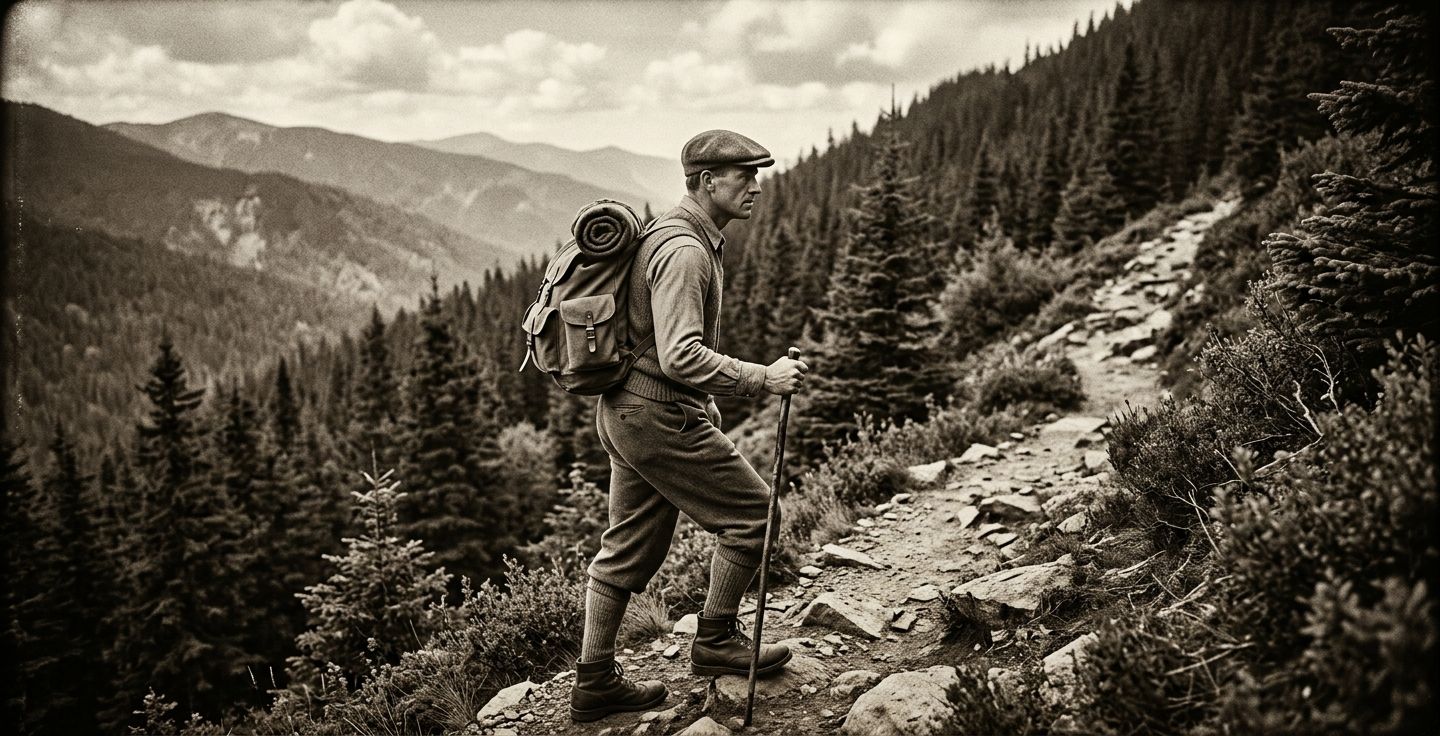
The Legend of Grandma Gatewood
Then there is the heartwarming tale of Emma Rowena Gatewood (1887-1973). Folks affectionately knew her as Grandma Gatewood. In 1955, at the age of 67, she told her grown children she was going for a walk. She packed a small homemade sack, put on a pair of simple canvas sneakers, and set off into the woods. She brought a simple shower curtain for rain protection and an old army blanket for warmth. She survived a life of severe domestic hardship and sought profound peace in the mountains. She became the first woman to hike the entire trail solo in one season. Her remarkable story changed the face of hiking forever. It proved that the wilderness is not just for rugged woodsmen. It is for anyone with enough heart, grit, and determination to keep putting one foot in front of the other.
Personal Discovery and the Mental Benefits of Hiking
There is something incredibly healing about putting one foot in front of the other. Out in the deep woods, life becomes wonderfully simple. You wake up with the morning sun. You walk. You eat when your stomach rumbles. You sleep soundly when the sky gets dark. This return to basic human rhythms is a rare gift in our modern, fast-paced society. The gentle crunch of leaves beneath your boots becomes a comforting rhythm. The singing of the birds replaces the stressful ringing of telephones.
Finding Peace in the Woods
We carry so much heavy weight on our shoulders in our daily lives. We worry endlessly about bills, jobs, and the evening news. Hiking strips all that unnecessary burden away. The mental health benefits of spending time outdoors are profound and well documented. Walking through nature naturally lowers stress hormones. It clears a cluttered mind. It reminds us of our own quiet strength. I have spoken to folks who went into the woods feeling completely lost and defeated. They came out months later with a bright, renewed sense of purpose. The fresh mountain air acts as a soothing balm for the anxious soul. The woods do not care about your bank account or your job title. They only ask for your respect.
Learning Resilience on the Ridge
The trail teaches you the truest form of resilience. You will undoubtedly face heavy rain, blistered feet, and steep, exhausting climbs up to places like McAfee Knob. You will feel cold and tired. But you will also see magnificent sunrises that make your heart swell with pure gratitude. You will eventually stand atop Mount Katahdin in Maine and look out over the vast, green world below. You will find a hidden reserve of strength you never knew you possessed. It is a deeply patriotic feeling, realizing that this beautiful, rolling land belongs to all of us. It was protected by our grandparents so that we could enjoy it today. It is here to heal us, to challenge us, and to remind us of what truly matters in this short life.
The Unique Culture of Thru-Hikers
If you spend enough time walking on the trail, you will quickly notice something deeply special. A whole new world exists out there beneath the canopy of trees. We fondly call it thru-hiking culture. It is a vibrant community built entirely on kindness, mutual respect, and a shared love for the great American outdoors. It is a place where folks look out for one another, just like we used to do in small towns across the country.
Earning Your Trail Name
When you step onto the dirt path, you leave your old identity behind in the parking lot. Hikers adopt unique trail names. You might meet wonderful folks named Sunshine, Bear Bell, or Miles to Go. These names are not just chosen at random. They are earned. They reflect your unique personality or perhaps commemorate a funny mishap that happened on your journey. It is a charming tradition that brings people together. It brilliantly levels the playing field for everyone involved. Out there in the elements, it does not matter if you are a wealthy doctor or a hardworking mechanic. You are just a fellow hiker trying to make it to the next water source.
The Beauty of Trail Magic
Then there is the pure magic of the trail. Trail magic, to be exact. This heartwarming phenomenon happens when ordinary, generous citizens go out of their way to help exhausted hikers. We call these wonderful people trail angels. They leave coolers full of cold drinks and fresh fruit at remote road crossings. They cook up hot dogs and offer warm meals to strangers. Sometimes they even open their very own homes to provide a hot shower and a soft bed. It is a beautiful, inspiring display of everyday American generosity. It quickly restores your faith in humanity. You see strangers taking care of strangers, asking for absolutely nothing in return. They do it simply because it is the right thing to do. This culture of looking out for your neighbor is the very bedrock of our great nation. 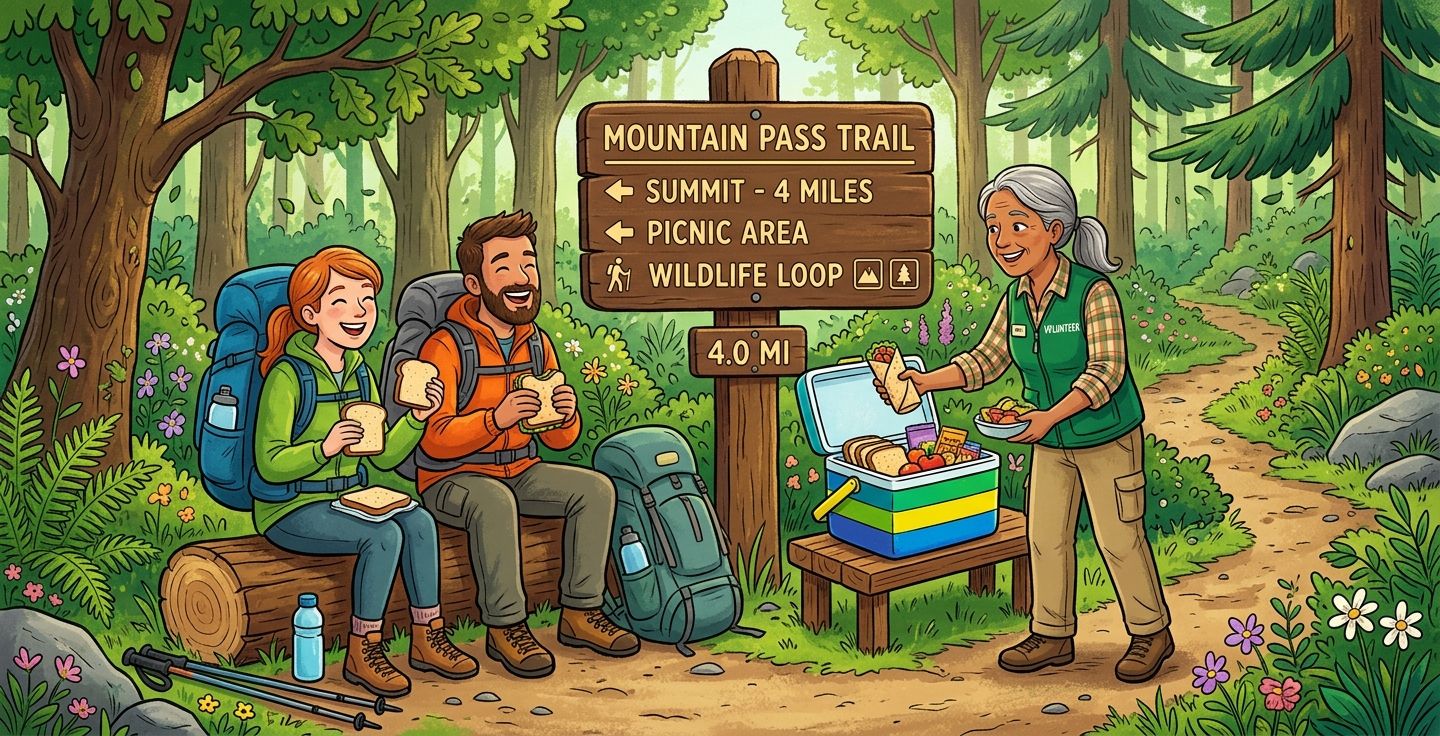
Durable Gear for American Exploration
Now, if you are sitting there feeling that familiar tug in your heart, you might just be ready to answer the call of the wild. It is a noble pursuit. But a wise explorer never sets out unprepared for the elements. You need reliable tools that work exactly as hard as you do. Out in the wild, your equipment is your best friend.
Investing in quality hiking gear is the solid backbone of any successful expedition. Whether you are aiming for a crisp weekend trip in the Shenandoah Valley or dreaming of a full, months-long trek up the coast, you absolutely must respect the unpredictable nature of the outdoors. You want a sturdy pack that rests comfortably on your hips and distributes weight evenly. You need rugged boots that confidently grip the rocky soil beneath your feet. You want a reliable, waterproof shelter that keeps you warm and dry when the mountain weather turns fierce and unforgiving. Cheap gear will only leave you cold and miserable when the storm rolls in.
Purchasing durable equipment is a direct investment in your own personal safety and overall comfort. It is about properly equipping yourself to enjoy the overwhelming majesty of the American wilderness without suffering unnecessary hardship. Our country offers some of the most spectacular landscapes on the face of the earth. You owe it to yourself to experience them fully. So, gather your supplies carefully. Study your maps and plan your route. The grand old trail is out there waiting patiently for you. Tie your boots tight. It is finally time to walk out into the woods and make your own history.