
American History & Origins
Why the American Revolution Still Shapes Daily Life
The Morning Paper and Our Foundational Freedoms
The mornings are my favorite time of the day. The house is perfectly still, save for the rhythmic ticking of the old clock in the hallway. I pour a cup of black coffee, sit by the front window, and watch the early light catch the leaves of the great oak tree in the yard. It is a deeply peaceful routine. Soon, the neighbors start their cars, the bright yellow school bus rumbles down the street, and the world goes to work. We all share these quiet, predictable moments. We get out of bed, read the morning news, worry about our monthly bills, send the children to school, and go about the business of living. This is our situation, a busy modern world filled with modern worries, tight schedules, and endless chores.
But there is a complication we often overlook as we rush through our days. We get so wrapped up in the immediate demands of our busy schedules that we forget the deep, sturdy foundation we stand on. We take the quiet peace of our mornings entirely for granted. We forget that the simple act of reading a newspaper without fear, or gathering safely at a local church, is a hard won luxury. We look at the loud arguments on the television and mistakenly think our systems are breaking down.
This brings me to a question I ponder quite often while watching the sunrise. How does a conflict fought with muskets and cannons in the late 1700s actually shape our modern world? Why does a war fought centuries ago matter to my young grandchildren as they play tag in the front yard?
The answer is much more profound than we usually realize. The American Revolution is not just a dry chapter in a heavy history book. It is the invisible, sturdy architecture of our daily life. It dictates everything from the local property taxes we pay to our unshakeable right to speak out at a neighborhood meeting.
Let me share something that might catch you completely off guard. According to the United States Census Bureau, there are over 89,000 separate units of local government in our country. Think about that staggering number for a moment. That massive figure exists because our founders were deeply skeptical of centralized power. They wanted the power to reside in your town, on your street, and in your home. Yet, ironically, a recent comprehensive survey by the Annenberg Public Policy Center found that less than half of Americans can name all the basic freedoms protected by the First Amendment. We rely on these rights completely every single day, even when their exact names slip our minds.
The Echoes of Independence in Our Neighborhoods
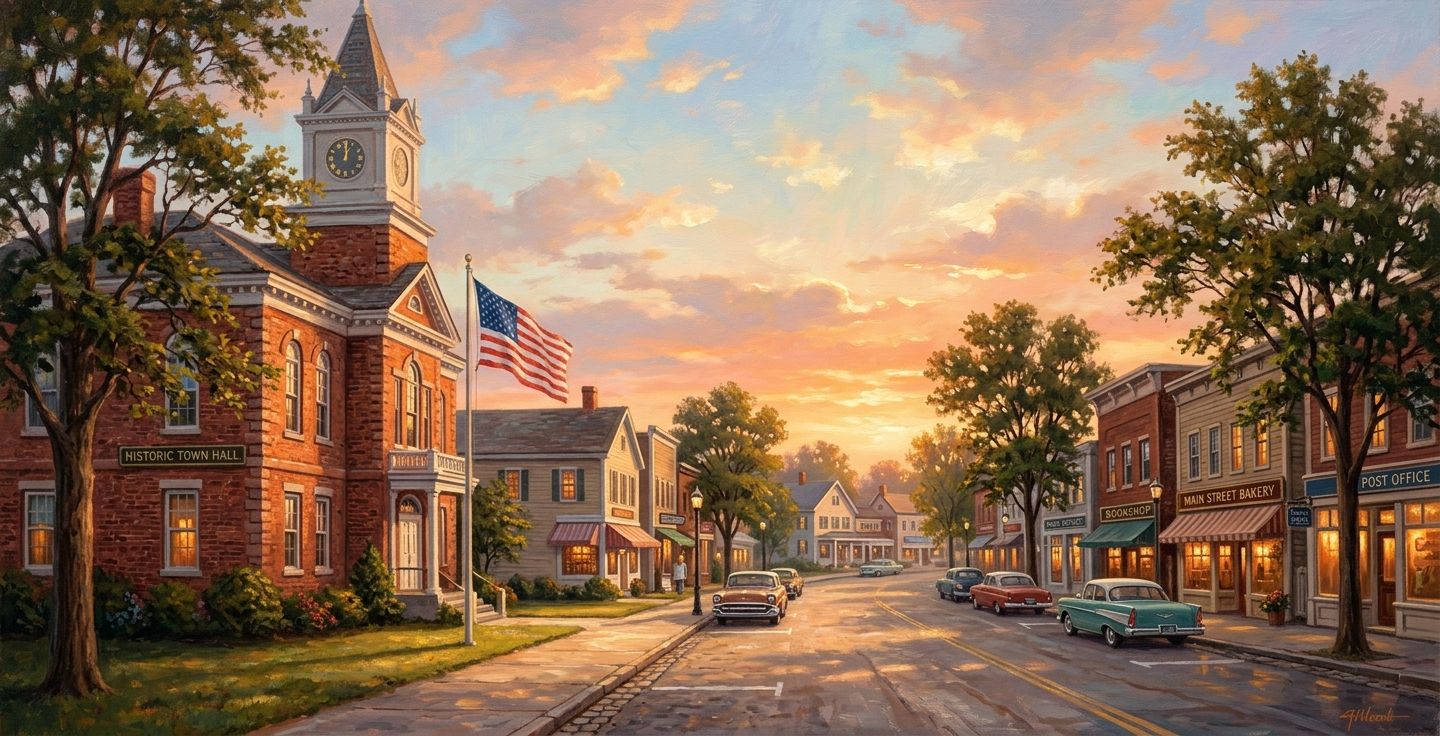
When you walk down to your local town hall to complain about a frustrating pothole, you are exercising a right born directly from rebellion. The men and women of the colonies despised the idea that a distant ruler in London could dictate the intricate details of their lives. They believed that the people who live in a community are the only ones who truly possess the wisdom to govern it.
Think of George Washington (born 1732, died 1799). Long before he was a victorious general or our first president, he was a farmer and a local citizen. He understood the soil. He knew the people who worked it. Washington could have easily become a king. His soldiers adored him, and the young nation was desperate for a strong, singular leader after the chaos of the war. But he chose to step down. He chose to return to his farm. That single act of humility set a precedent that echoes in every peaceful transfer of power we witness today.
When Washington and his contemporaries helped craft our new nation, they made absolutely sure that the federal government had strict limits. They drafted the Bill of Rights to serve as a sturdy, impenetrable fence around your personal liberty.
Because of that sturdy fence, your home truly is your castle. Authorities cannot simply kick down your front door without proper cause and a warrant. You can sit at your kitchen table and openly criticize the mayor, the governor, or even the president without fear of being dragged away in the dead of night. That freedom of speech is the absolute lifeblood of our communities. Yes, it is loud. It is often messy. But it is absolutely beautiful.
A Small Story from a Quiet Courtroom
History is not merely made by men in powdered wigs signing large parchment documents in grand halls. It is made by ordinary folks claiming their inherent dignity. I want to tell you a story about a brave woman named Elizabeth Freeman (born 1744, died 1829).
Elizabeth was widely known as Mum Bett. She was an enslaved woman living in the bitter cold of western Massachusetts. In the year 1780, she heard the newly drafted Massachusetts state constitution read aloud. She listened closely to the powerful words echoing in the room. The document proudly stated that all men are born free and equal. Elizabeth took those words straight to her heart. She possessed the profound wisdom to believe they applied to her, too.
She bravely walked away from her enslaver’s home. She found a young, idealistic lawyer and asked him to help her sue for her freedom in a local court. The jury of her peers listened intently to her case. They looked at the words of the new constitution. They agreed with her. Mum Bett won her freedom and chose the proud name Elizabeth Freeman.
This is a micro history, a seemingly tiny ripple in a vast ocean of time. Yet it shows exactly why those founding principles matter so deeply to us today. The words of the revolution were powerful enough to break literal chains. When you walk past the beautiful Boston Common or step into any courthouse in this great land, remember Elizabeth. She proved with her courage that the laws of this nation belong to everyone, not just the privileged few.
The True Spirit of Debate
We seem to argue a lot these days. You turn on the television or open a newspaper, and it feels like everyone is shouting at each other. Some folks look at this noise and feel a deep sense of despair. They think our country is falling apart at the seams. I see it quite differently.
I have watched the seasons change for many decades. I have seen times of great national unity and times of bitter, painful division. The arguing you hear today is simply the sound of a free people. It is the sound of citizens who care passionately about their collective future. Democracy is not supposed to be quiet. It is not supposed to be completely easy.
When our founders gathered at Independence Hall in Philadelphia, they certainly did not agree on everything. In fact, they argued fiercely through the sweltering summer heat. John Adams (born 1735, died 1826) and Thomas Jefferson (born 1743, died 1826) held vastly different visions for the direction of the country. They passionately debated taxes, foreign policy, and the very nature of liberty itself. But they compromised. They found a shared path forward.
Our modern debates over zoning laws, school curriculums, and national policies are the direct continuation of that original, beautiful argument. We are still figuring out how to live together, how to balance individual freedom with shared responsibility. When you see citizens holding signs on a street corner, you are witnessing the very mechanics of freedom. It is an ongoing project, and we are all the lucky architects.
Finding Bright Hope in the Next Generation
Sometimes I sit out on the porch and watch the neighborhood children riding their bicycles down the paved street. They ride fast, laughing loudly, completely unaware of the centuries of struggle that secured their right to a peaceful, sunny afternoon. And honestly, that is exactly how it should be.
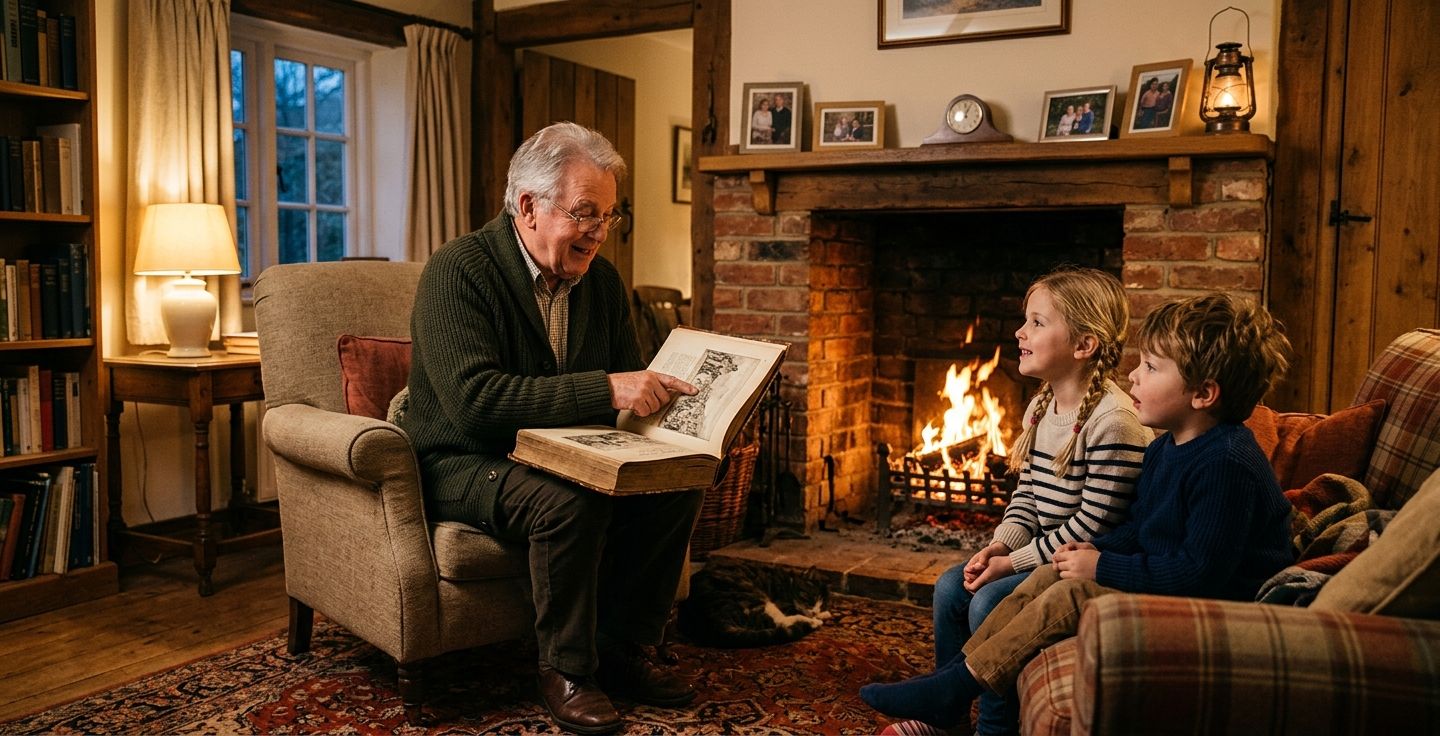
But as they grow older, it is our sacred job to teach them. We must tell them the stories of immense courage that built this nation. We must show them that being an American is an active, ongoing pursuit. It requires effort, attention, and care from all of us.
You do not need to be a fancy historian to appreciate what we have built. You just need to look around your own neighborhood. When you take the time to cast your ballot in a local election, you are directly honoring the sacrifices of those who came before us. When you walk down the driveway to check your mailbox, you are engaging with a communication system championed by Benjamin Franklin (born 1706, died 1790) to keep citizens informed. When you volunteer your time at a local food bank, or attend a crowded school board meeting, or simply help a neighbor shovel their snowy driveway, you are keeping the true spirit of our founding vibrantly alive.
I hold immense hope for the generations to come. I see young people today asking tough, necessary questions. I see them demanding fairness and justice for all. I see a bright fire in their bellies that reminds me so much of the brave souls who stood their ground on Lexington Green so long ago.
They will undoubtedly face their own unique challenges. They will have to navigate a complex world that is changing faster than ever before. But they have a remarkably strong foundation beneath their feet. They have an internal compass that points steadily toward liberty.
Let us cherish this great American experiment together. Let us fiercely protect it, openly debate it, and continuously improve it. The revolution is not merely a memory of the past. It is happening every single day, in your town, on your street, and within your own heart.