
Geography & the American Landscape
Why Mountains and Wilderness Symbolize Freedom
The Wide Open World We Used to Know
I remember the mornings of my youth when the world still felt incredibly vast and wide open. The air would be sharp and cold before the sun crested the eastern ridge smelling deeply of damp pine needles and turned earth. You could step off the back porch and walk for miles without ever seeing a paved road or hearing the mechanical roar of a gasoline engine. We had room to breathe out there. The open sky was a daily companion rather than something we had to schedule a special weekend trip to go see. Those quiet moments before the rest of the house woke up were my very first tastes of true independence. Back then the woods were just part of the neighborhood. We knew the names of the old oak trees and the winding patterns of the shallow creeks. We understood the rhythm of the changing seasons not from looking at a calendar on the wall but from the way the golden light shifted through the green canopy above us.
Today our beautiful country has changed so much. Concrete has paved over many of those old dirt paths I used to walk. Steel and glass towers block out the horizon in our bustling towns. The modern age brought us unbelievable comforts wiping out diseases and connecting us across oceans but it also built invisible walls around us. According to the Environmental Protection Agency a highly credible source the average American now spends a staggering ninety percent of their life indoors. Ninety percent. Furthermore health experts note that we stare at bright artificial screens for more than seven hours every single day. We are trading the golden sunshine for harsh fluorescent bulbs. We are swapping the cold wind in our faces for the recycled dry air of office buildings. We built these great towering cities to protect ourselves from the harsh elements but somewhere along the line we simply fenced ourselves in. It feels like the walls are slowly closing in on us.
The Heavy Questions We Must Ask Ourselves
This brings us to a difficult situation. We are more comfortable than any generation in human history yet we often feel trapped in our daily routines. The complication is staring us right in the face every time we look out a window. How did we end up trading our open skies for low plaster ceilings? And much more importantly how do we get that old feeling of boundless living back into our hearts?
A Quiet Man and a Very Long Map
The answer I believe lies high up in the cold air. To explain why let me tell you a little story about a quiet thoughtful man named Benton MacKaye (b. 1879 d. 1975). He was a forester and a regional planner but deep down he was a man who deeply understood the human soul. In the early 1920s America was booming at a frightening pace. Massive factories were roaring day and night. Millions of people were leaving the quiet farms and packing into crowded noisy cities to find industrial work. Benton saw this massive sweeping shift happening right from his small quiet town of Shirley Center Massachusetts. He watched the dark smokestacks rise across the country. He realized with great sadness that people were becoming mere cogs in a giant mechanical wheel. They were losing their individual spark. The noise of the city was deafening and the crowded streets were suffocating the human spirit.
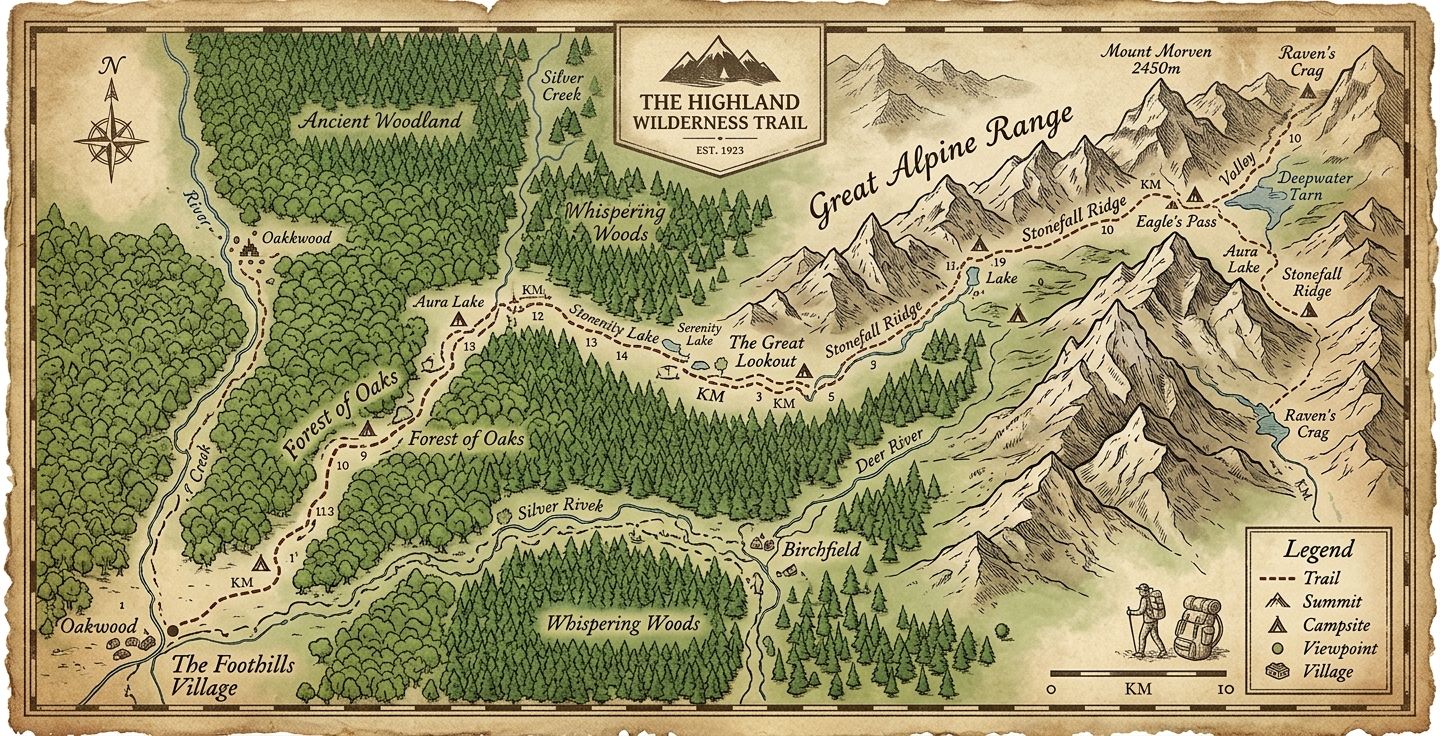
Benton did not yell or protest in the busy streets. Instead he sat down at a simple wooden desk and drew a long winding line on a topographical map. He proposed a continuous walking path stretching all the way from the deep woods of Georgia up to the rugged snowy peaks of Maine. We know it today as the majestic Appalachian Trail. Benton believed that a simple dirt path through the thick wilderness was the ultimate cure for the suffocating grip of modern commercial life. He thought that if tired workers could just get away from the loud factories and walk in the woods for a few weeks they would remember who they truly were. He wanted to build a realm of absolute independence far away from the ticking clock. He was entirely right.
The Anatomy of True Independence
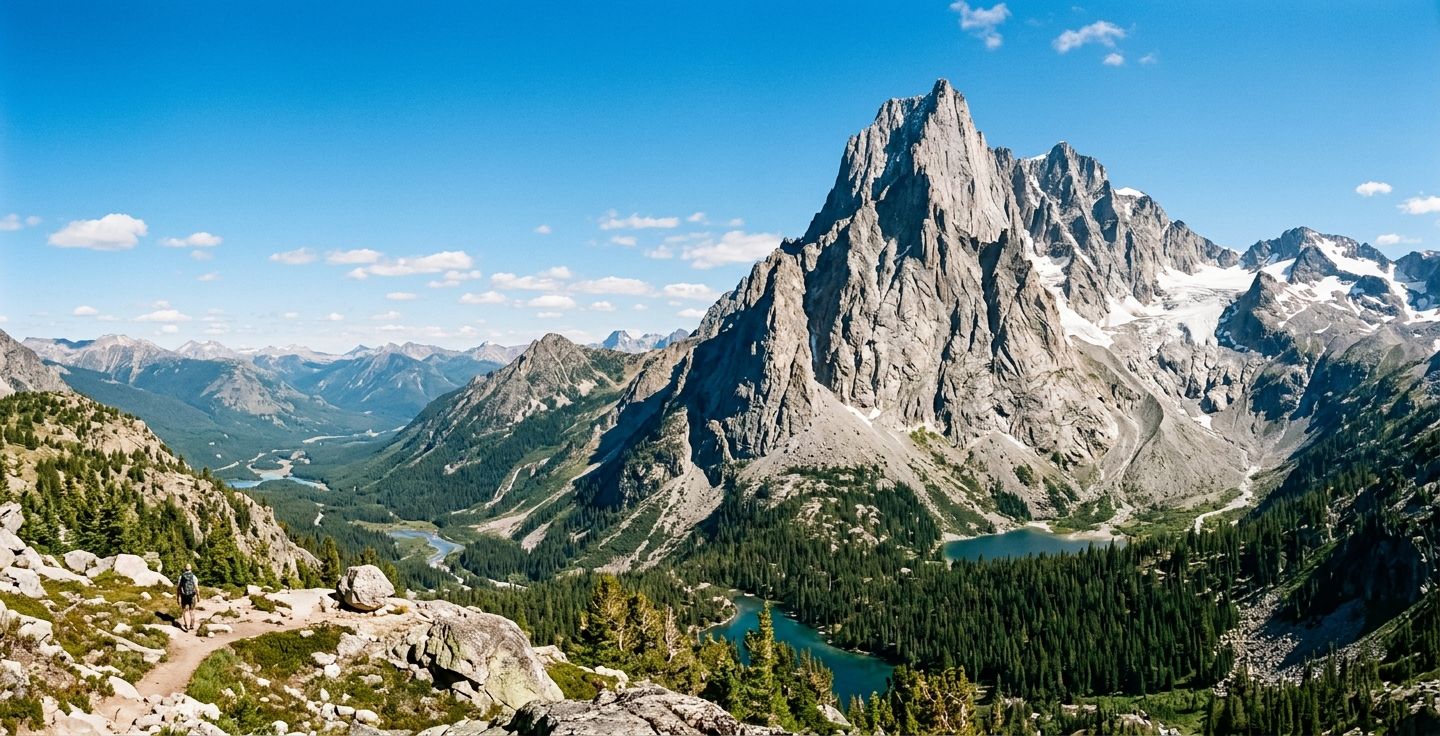
Out in the wild the rigid rules of high society simply fall away. When you stand at the base of the White Mountain National Forest looking up at the jagged grey granite peaks you feel incredibly small. But you feel small in the absolute best possible way. The unpaid electric bills the rush hour traffic jams the endless noise of the evening television news all fade into total nothingness. The nature around you does not care about your impressive job title. It does not care about your bank account balance or what kind of expensive car you drive. It only asks that you respect the weather and put one sturdy foot in front of the other.
Let us talk about the beautiful act of climbing up a steep grade. You wake up early in the morning well before the sun rises. The air is brisk and bites at your cheeks. You pack your canvas bag with only the bare essentials. A little water some simple food an extra wool layer of clothing. Everything you need to survive is right there on your own back. You start up the winding trails. At first your older legs protest the sudden effort. Your lungs burn slightly as the elevation slowly rises. It is very hard work. You hear the crunch of gravel under your heavy boots and the distant call of a mountain bird. But slowly as the hours pass something wonderful happens to your body. Your breathing finds a steady comforting rhythm. The endless worried chatter in your mind begins to quiet down. You transition from the broadleaf forest into the rugged alpine scrub and the view opens up before you. You stop thinking about tomorrow and you stop worrying about yesterday. You are completely rooted in the beautiful present moment. That state of mind is true freedom.
Passing the Torch to the Next Generation
We owe so much of this wonderful realization to another great bearded man John Muir (b. 1838 d. 1914). John was a man who practically lived his entire life out on the dirt path. He walked bravely into the awe-inspiring Yosemite Valley with just a little dry bread and some loose tea in his worn pockets. He saw the divine maker in the towering sequoia trees and the thundering icy waterfalls. He breathed in the scent of ancient wood and felt a profound connection to the earth. He wrote passionately about the wild spaces convincing American presidents and busy politicians that these magnificent lands must be saved for absolutely everyone. He fought tooth and nail to ensure that the common working man would always have a free place to seek quiet refuge.
I look at my dear grandchildren today. They are wonderful kind-hearted kids. They are bright deeply compassionate and much smarter than I ever was at their young age. But my heart aches slightly when I see just how stressed they are all the time. They carry the entire weight of the modern world in their small pockets. Their glowing phones buzz constantly with bad news school alerts and endless messages. They are always globally connected yet they often feel completely alone in the room. I tell them gently to put the electronic devices in a drawer for the afternoon. I pack them into my old car and we drive out to the nearest state park.
The car ride is usually very quiet. They look out the window sometimes reluctantly wishing they were back home playing their video games. But the exact moment their heavy boots hit the soft dirt a visible wonderful change washes over them. Their tight shoulders physically drop. Their shallow breathing slows down and deepens. They stop looking down at their empty hands and start looking up at the sprawling tree canopy. We stand quietly and watch a lone hawk circle high overhead. We find a sturdy walking stick and point out animal tracks in the soft mud. We listen to a clear stream bubbling cheerfully over ancient smooth rocks. For a few precious hours they are not worrying about difficult school exams or complicated social pressures. They are just kids again happily exploring a wild untamed world. The high mountains are patiently waiting for them just as they waited for my generation many decades ago.
A Simple Invitation to Step Outside
So I strongly encourage you to pack a small bag this coming weekend. Do not overthink the details. Just find a comfortable pair of sturdy walking shoes. Drive your car to the nearest local trailhead even if it is just a small patch of quiet woods on the very edge of your town. Step out of your vehicle and walk into the wild. Breathe the crisp unfiltered air deep into your lungs. Listen closely to the wind moving gently through the high branches. Let the solid earth beneath your feet remind you of who you truly are far away from the noise of the city.
Questions You Might Have About Getting Started
I know some folks might still have a few questions about getting started or understanding this deep connection. I have heard a lot of the same questions over my many years so let me share a few simple answers with you.
Why do people feel more independent in the woods?
The outdoor environment strips away societal expectations and the constant barrage of technology. When you are outside you are only bound by the laws of biology and weather allowing your mind to completely reset and experience a profound sense of personal liberty.
How can I start exploring the outdoors if I live in a busy city?
Start small and stay local. You do not need to tackle a massive peak on your very first try. Look for local state parks or regional walking paths on the outskirts of your town. Even a short walk through a dense wooded park can provide a much-needed mental break from urban life.
What is the best way to introduce younger generations to these places?
Bring them along without any pressure or strict schedules. Let them lead the way and explore at their own pace. Encourage them to leave their electronic devices in the car so they can fully immerse themselves in the sights sounds and wonderful textures of the environment.
Final Thoughts on Our Open Spaces
In summary we all need a place to escape the demanding pressures of our modern indoor lives. The wild spaces offer us a rare chance to reset our minds rely on our own physical strength and remember the simple joys of moving through the natural world. They stand as quiet monuments to our independence. What high peak will you choose to climb next and who will you bring along to share in that beautiful boundless independence?