
American Lifestyle
Grocery Stores as a Reflection of American Identity
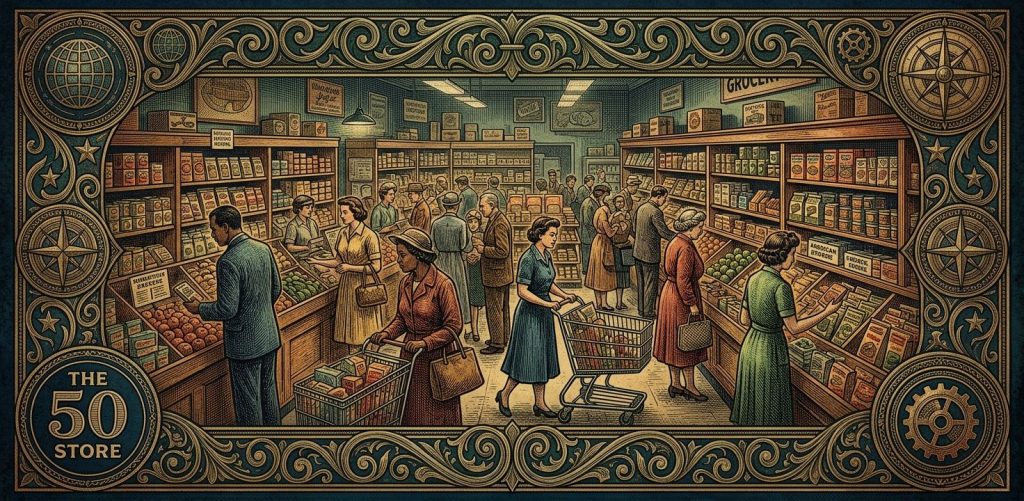
Walking Down the Aisles is Walking Through Our Culture
Picture a typical Tuesday evening in your hometown. The sun is just starting to dip below the horizon, painting the sky in shades of orange and gold. You grab a metal cart with a squeaky right wheel and step through the automatic sliding doors. You are immediately greeted by a blast of cool, conditioned air and the comforting smell of fresh bakery bread. For most of us, this is just a weekly chore. It is something we squeeze in between picking up the kids and cooking dinner. But if you stop for a moment and truly look around, you will see something beautiful. You will see the living story of our country.
I have lived in this great nation my entire life. Over the years, I have come to realize that walking down the aisles is walking through our culture. Our local American grocery stores are not just brick buildings filled with food. They are monuments to our freedom, our agricultural ingenuity, and our shared way of life. They reflect the hard work of farmers in the heartland and the brilliant innovations of merchants in our bustling cities.
Let me take you back to my childhood in Peoria, Illinois. My grandfather owned a small, dusty hardware store right next to a neighborhood grocer. Every Saturday morning, he would take me next door. The grocer knew our names. He knew my grandfather liked his coffee beans ground coarse, and he always had a piece of hard candy waiting for me. That sense of community set the baseline for my understanding of American commerce. The situation we find ourselves in today is quite different. The stores are much larger. The lights are much brighter. Yet the heartbeat remains exactly the same.
How mass-market choices changed our eating habits
From the General Store to the Supermarket
The American spirit is built on innovation. We never settle for good enough. We always reach for something better. This boundless drive is perfectly mirrored in how we feed our families. A century ago, you would hand a written list to a clerk. That clerk would slowly fetch your items from wooden shelves behind a high counter. It was a tedious process. Then came a brilliant, forward thinking man named Clarence Saunders (1881-1953). He opened the first Piggly Wiggly in Memphis, Tennessee. He introduced the concept of self service shopping. For the first time, you could browse the aisles yourself. You could pick up a can of beans, inspect the label, and place it in your own basket. It was a remarkably simple idea, but it changed the world.
This brings us to a fascinating complication. As our stores grew in physical size, our options multiplied exponentially. The Food Marketing Institute reports a truly surprising statistic. The average supermarket today carries over 39,000 distinct items. Back in the 1920s, a well stocked neighborhood store might have carried fewer than 900 items. How did we manage such a massive explosion of mass-market food choices?
The Micro-History of the Middle Class Pantry
To understand this shift, consider the story of my Aunt Mabel. She spent her early adult years canning tomatoes, preserving peaches, and baking every single loaf of bread from scratch. It was backbreaking, endless work. It consumed her daylight hours. When the modern supermarket finally arrived in her town after the Second World War, her life changed overnight. She could buy quality canned goods and fresh, pre sliced bread. This saved her countless hours in the kitchen.
It allowed her to join the local school board. It allowed her to take up watercolor painting. The mass market did not destroy the traditional American family dinner. It liberated the American homemaker. It gave our families the incredible gift of time.
We also cannot talk about this era without mentioning Sylvan Goldman (1898-1984). He owned the Humpty Dumpty supermarket chain in Oklahoma City, Oklahoma. He noticed that people stopped shopping when their handheld wire baskets got too heavy. So, he invented the shopping cart using a folding wooden chair and some metal wheels. That is pure American ingenuity at work.
The regional differences: East Coast vs. West Coast stores
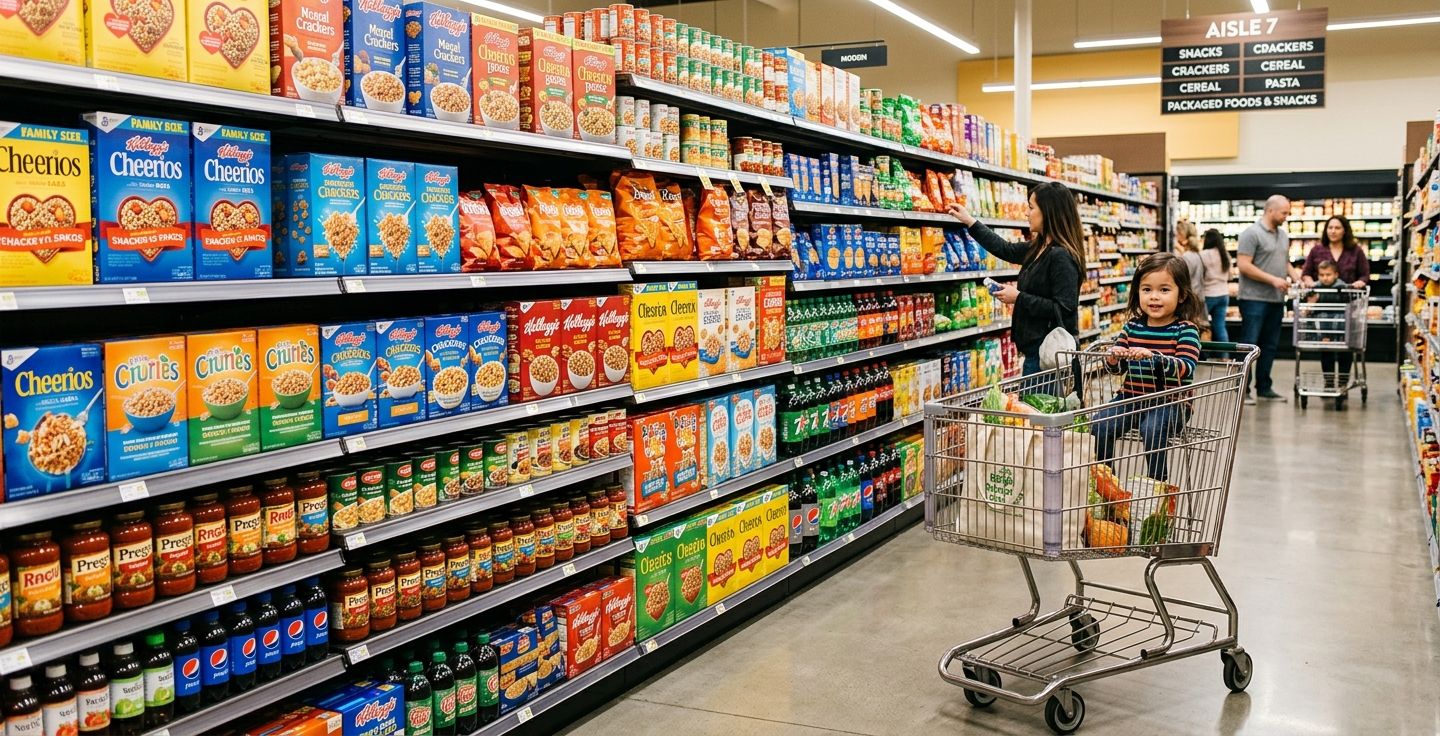
America is a massive, beautiful patchwork quilt. We are united by our core values, but we joyfully celebrate our local flavors. Have you ever wondered why a grocery store in one state feels entirely different from a store in another? The answer lies in our diverse landscapes and our rich histories.
The Northeastern Heritage
If you walk into a grocery store in Brooklyn, New York, you are stepping into a profound history of immigration. The aisles are packed tight with imported olive oils, fresh mozzarella, and a deli counter that rivals any standalone butcher shop. The legacy of merchants like George Huntington Hartford (1833-1917), who helped build the legendary A&P empire, still lingers in the Northeast. People there value history. They value the old world traditions that their brave ancestors brought across the rough Atlantic ocean. These regional grocery differences are a wonderful testament to the diverse communities that built our industrial heartland.
The Midwestern Bedrock
Travel with me to the heart of the country, near Cincinnati, Ohio. This is the historic birthplace of Kroger and the bedrock of American agriculture. In the Midwest, the aisles are wide and welcoming. You will find massive displays of local sweet corn, incredible dairy products from Wisconsin, and a strong emphasis on hearty, family sized portions. The people are grounded, hard working, and resilient. Their stores reflect a culture that prioritizes family gatherings and community potlucks.
The Western Bounty
Now travel out to the sunny shores of Los Angeles, California. The entire vibe shifts. The produce section takes absolute center stage. You will find bright green avocados piled high. You will see citrus fruits shining under the bright store lights. There are entire aisles dedicated to natural health foods and organic goods from local farms. The West Coast has always been a land of fresh starts and natural abundance. The stores look forward. They celebrate the warm sunshine and the incredibly rich soil of the Central Valley. Whether you prefer the cozy aisles of an East Coast market or the sprawling produce sections out West, you are experiencing a unique slice of the American pie.
What your grocery cart says about your values
Let us ask a very simple question. What happens when you combine our sweeping national abundance with your personal daily choices? The answer is right there in the metal basket you push down the aisle. Your shopping cart is not just a random collection of calories. It is a highly accurate reflection of your priorities.
Look at the young father buying the massive, bulk sized box of whole grain oats. He is thinking about the busy week ahead. He is dutifully providing for his growing children. Look at the grandmother carefully inspecting and selecting the perfect baking apples. She is lovingly planning a Sunday dinner that will bring her extended family together around the dining room table. Just like a beautiful, nostalgic painting by Norman Rockwell (1894-1978), these small everyday moments capture the very essence of our nation.
Our grocery cart values reveal a deep, unwavering commitment to family, community, and hard work. When you choose to buy local honey from a nearby apiary, you are supporting a neighbor. When you pick up a bag of flour milled right here in the Midwest, you are honoring the American farmer. We are a people who care deeply about where our food comes from. We care about the calloused hands that grew it. Our values are baked into the very food we serve to our loved ones.
Shopping for products that mirror your patriotic values
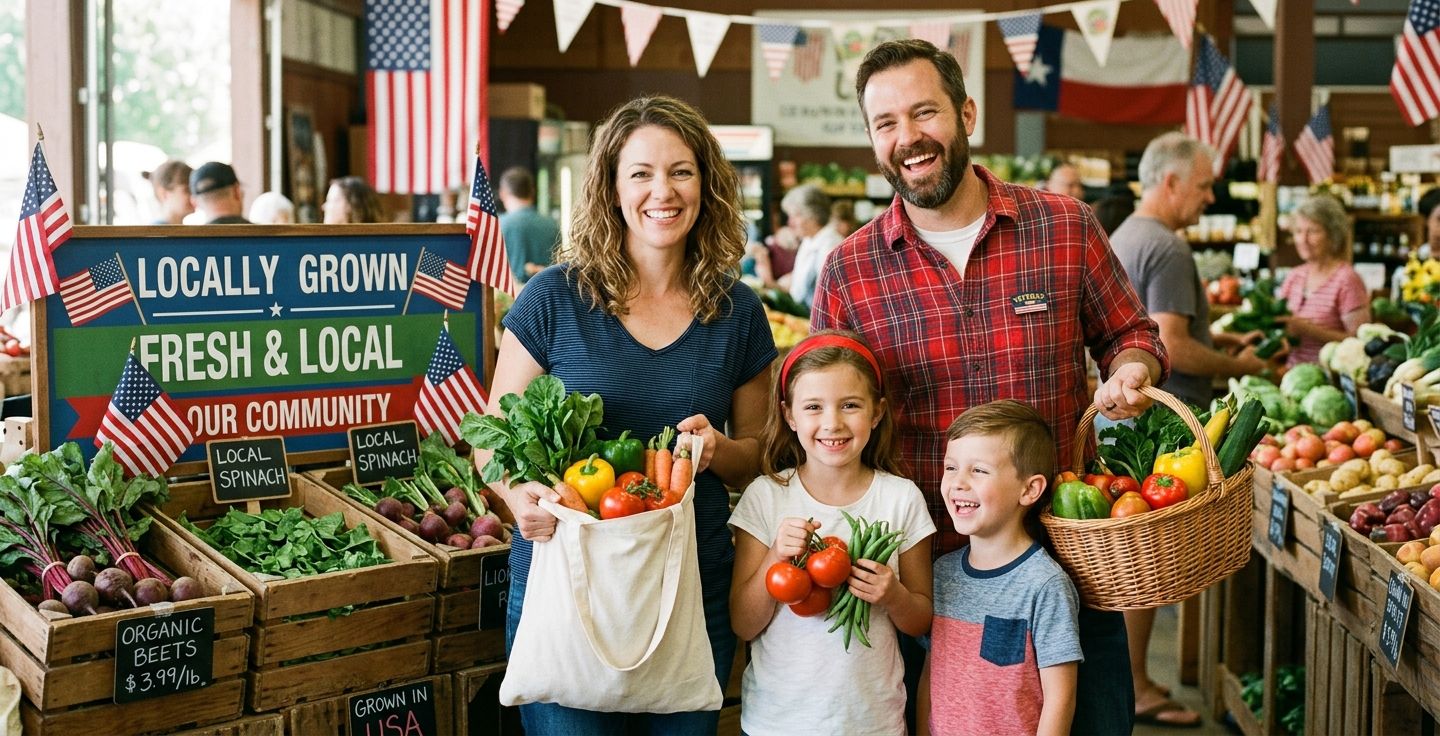
We are truly blessed to live in the greatest country on earth. We have the ultimate freedom to choose how we live, how we eat, and how we spend our hard earned money. However, that immense freedom comes with a quiet responsibility. Every single time we step up to the checkout counter, we are casting a powerful vote for the kind of country we want to live in.
I encourage you to look at your weekly grocery list with a fresh pair of eyes. Look for the products made right here at home. Seek out the dedicated brands that employ American workers and source their raw ingredients from American soil. It might take an extra minute to flip a box over and read a label. It might occasionally cost a few pennies more. But the vital investment in our local communities is worth every single cent.
Start by shopping the outer perimeter of the store. That is usually where you will find fresh, domestic produce and high quality meats raised by local ranchers. When you wander into the middle aisles, look for that proud Made in USA label. Developing patriotic shopping habits is a remarkably simple yet profound way to show your love for this wonderful country.
It strengthens our local economy. It supports our dedicated farmers. It ensures that the incredible legacy of abundance continues for our children and our grandchildren. The next time you grab that squeaky wheeled cart, take a moment to feel the cool air. Smell the fresh bread baking in the back. And shop with the quiet pride of a citizen who knows exactly what makes America great.
What makes American grocery stores unique?
They offer an unmatched variety of products, combining mass market convenience with distinct regional flavors. This wonderful blend reflects our diverse cultural heritage and our immense agricultural abundance.
How did the modern grocery store start in America?
The modern self service grocery store began with Clarence Saunders and his Piggly Wiggly stores in 1916. He brilliantly allowed customers to pick their own items from the shelves instead of relying on a store clerk.
Who invented the grocery shopping cart?
Sylvan Goldman invented the very first shopping cart in 1937 in Oklahoma City. He used a folding chair and wheels to help customers comfortably carry more items while they shopped.
Why do grocery stores vary so much by region?
Regional stores directly reflect local agriculture and historical immigration patterns. East Coast stores often feature robust deli cultures, while West Coast stores heavily emphasize fresh, local produce.
How can I shop more patriotically?
You can support the country by purchasing domestically grown produce, carefully checking labels for American made goods, and buying from regional brands that support local farmers and workers.
Why is the grocery store considered a reflection of American values?
The items we choose to buy highlight our deep commitment to family, community, and hard work. This demonstrates how our personal choices in the aisles translate to our broader national identity.